Introduction to Smart Healthy Meal Planning for Families
You know, raising a family these days feels like juggling a dozen balls at once. Between work, school runs, and trying to keep everyone from turning into couch potatoes, finding time to put healthy meals on the table can seem impossible. But here’s the thing: it doesn’t have to be. Smart meal planning isn’t about following some rigid diet or spending hours in the kitchen every day. It’s about making choices that fit your life, keep everyone nourished, and maybe even bring a little fun back to dinnertime. In this article, we’ll dive into 12 practical ideas for healthy meal planning tailored for families. These aren’t pie-in-the-sky suggestions; they’re real-world tips that I’ve seen work for busy parents, picky eaters, and everyone in between. By the end, you’ll have a toolkit to make mealtime less stressful and more satisfying.
Why bother with healthy meal planning? Well, for starters, it saves money—no more last-minute takeout that drains the wallet. It cuts down on waste, helps maintain energy levels, and sets a good example for the kids. Studies show that families who eat together regularly have better communication and even higher academic performance in children. Plus, with rising concerns about obesity and nutrition, getting smart about food now can pay off big time in the long run. We’ll cover everything from getting the kids involved to sneaky ways to pack in veggies without a fight. Let’s get started.
Idea 1: Get the Whole Family Involved in the Process
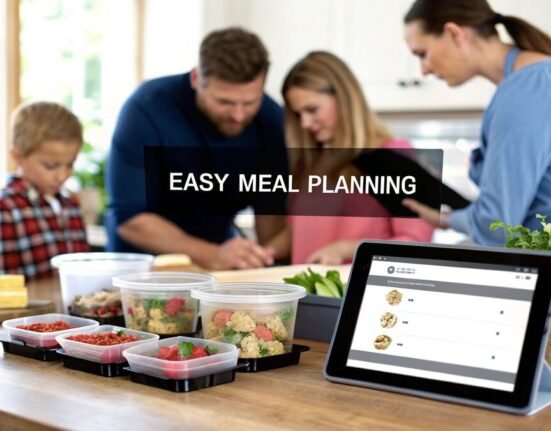
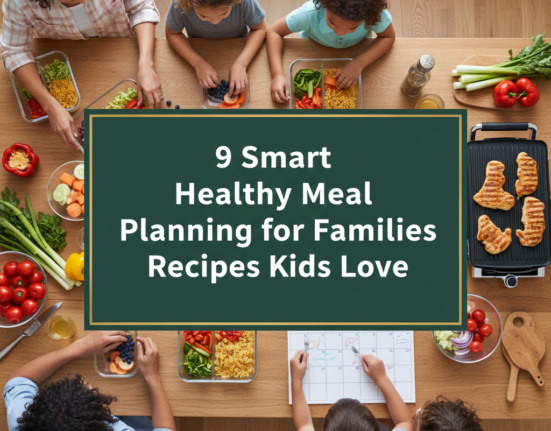
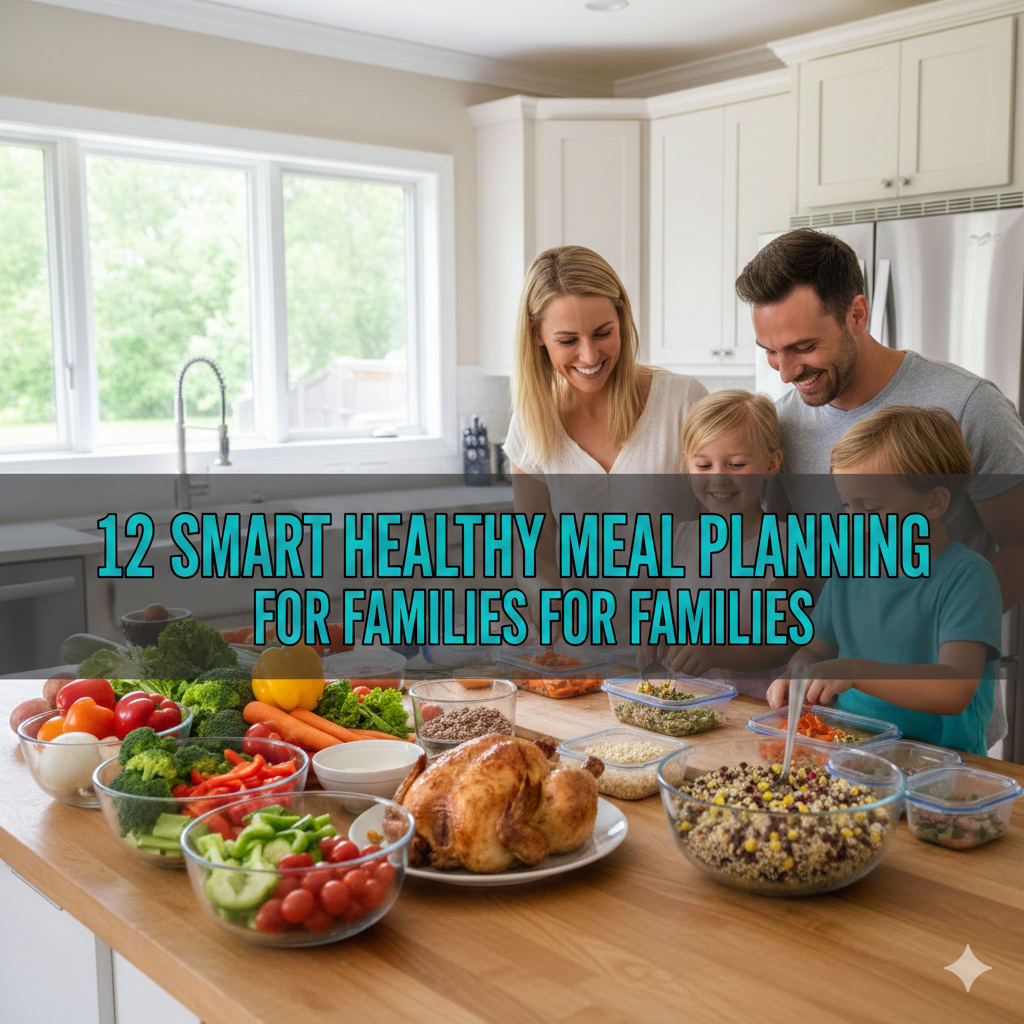
One of the smartest moves you can make is turning meal planning into a team effort. Instead of you slaving away solo, why not rope in the spouse and kids? It starts with a simple family meeting—maybe Sunday evening over ice cream. Everyone throws out ideas for meals they like, and you jot them down. This way, you’re not just planning; you’re building buy-in. Kids are more likely to eat broccoli if they picked the recipe themselves.
Think about it: when children help choose, they feel ownership. My neighbor swears by this—her picky 8-year-old now loves salads because he “invented” a version with his favorite fruits. Practically, assign roles: one kid researches recipes online, another checks the pantry for ingredients. For healthy twists, focus on balanced plates—half veggies, a quarter protein, a quarter grains. Tools like apps (Mealime or Paprika) can make it interactive, with shared lists and reminders.
But don’t stop at planning. Involve them in shopping and prep too. At the store, let teens push the cart and pick produce, teaching them about nutrition labels along the way. Back home, chopping veggies together turns into quality time. Sure, it might be messier, but the payoff is huge: healthier habits that stick. Over time, this idea fosters independence—imagine your kids planning their own lunches for school. And for families with dietary needs, like gluten-free or vegetarian, it ensures everyone’s voice is heard, avoiding mealtime battles.
To make it sustainable, keep it flexible. If a planned meal flops, laugh it off and adjust. Track what works in a simple notebook. Before you know it, meal planning becomes a habit, not a chore. This approach not only promotes healthy eating but strengthens family bonds. Words like these might sound cheesy, but try it—you’ll see.
Idea 2: Prioritize Balanced Nutrition in Every Meal
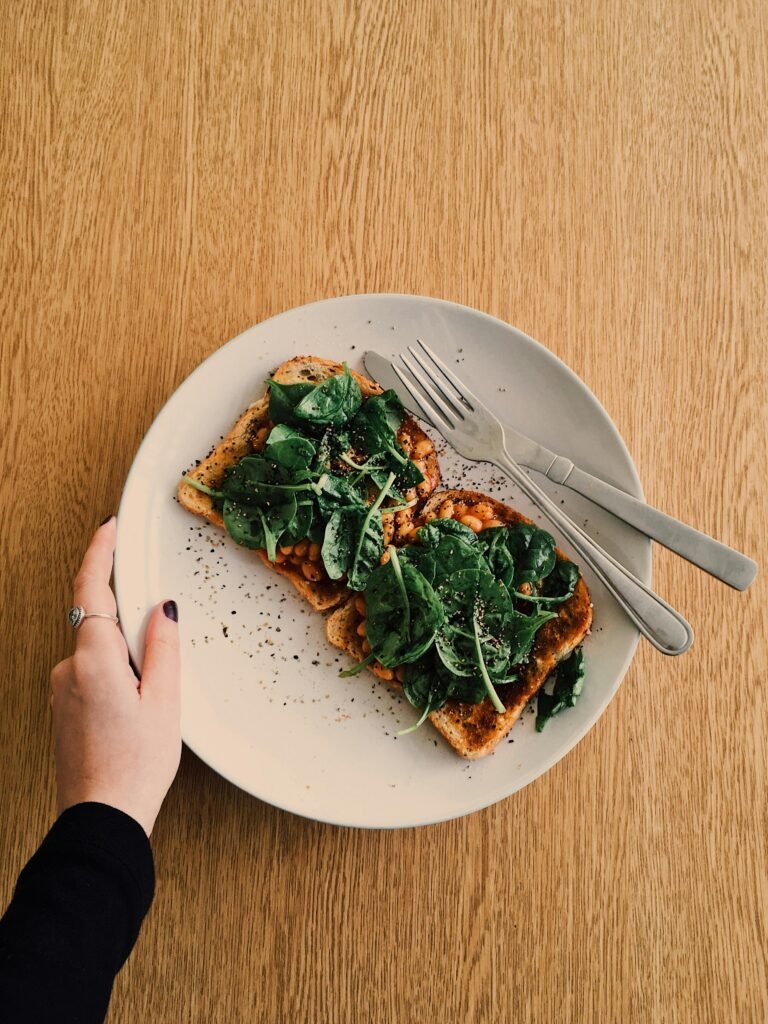
Balance isn’t just a buzzword; it’s the foundation of healthy family meals. The goal is to create plates that fuel bodies without overwhelming anyone. Start by aiming for the MyPlate model: fruits and veggies taking up half, whole grains and proteins splitting the rest, with a side of dairy or alternatives.
For families, this means sneaking in nutrients creatively. Take breakfast: instead of sugary cereals, try overnight oats with chia seeds, berries, and a dollop of yogurt. It’s quick, customizable, and packs fiber, protein, and antioxidants. Lunches could be veggie-packed wraps—turkey, spinach, avocado, and hummus in whole-wheat tortillas. Dinners? Stir-fries with lean chicken, broccoli, carrots, and brown rice.
But how do you make it smart? Plan around macronutrients. Ensure each meal has a protein source to keep everyone full—eggs, beans, fish, or nuts. Carbs from whole sources like quinoa or sweet potatoes provide sustained energy. Fats from avocados or olive oil support brain health, crucial for growing kids.
Seasonal tweaks keep it fresh: summer salads with tomatoes and cucumbers, winter soups with root veggies. Watch portions—use smaller plates to avoid overeating. For picky eaters, disguise veggies: blend spinach into smoothies or puree carrots into sauces.
Tracking helps: use a journal to note energy levels post-meals. If afternoons drag, maybe up the protein. Involve nutrition education subtly—explain why salmon is “brain food” during dinner. Over weeks, this builds intuitive eating skills.
Budget-wise, balanced doesn’t mean expensive. Buy in bulk, like oats or frozen berries. The result? Fewer doctor visits, better moods, and a family that thrives. It’s not perfection; it’s progress.
Idea 3: Embrace Seasonal and Local Ingredients
There’s something magical about eating what’s in season—it tastes better, costs less, and is kinder to the planet. For family meal planning, this idea shines. Check your local farmers’ market or grocery flyers for what’s fresh: strawberries in spring, squash in fall.
Why does it matter? Seasonal produce is nutrient-dense, picked at peak ripeness. Think vitamin C-loaded citrus in winter to fend off colds. Planning around this adds variety, preventing boredom. A summer menu might feature grilled corn salads, zucchini noodles, and berry parfaits. Fall? Apple-cinnamon oatmeal, pumpkin soups, and roasted Brussels sprouts.
Smart tips: subscribe to a CSA box for surprise deliveries that force creativity. Teach kids about food origins—visit a farm if possible. It sparks curiosity and appreciation.
Incorporate locally: eggs from nearby farms, honey from beekeepers. This supports the community and reduces carbon footprints. Recipes adapt easily: swap out-of-season tomatoes for canned, but fresh when available.
For health, focus on diversity—colors mean different nutrients. Red beets for heart health, green kale for bones. Batch prep: roast a tray of seasonal veggies for the week.
Challenges? Availability varies by region. In urban areas, look for co-ops. Budget bonus: seasonal is cheaper—no shipping from afar. Over time, this habit makes meals exciting, like a culinary adventure. Families bond over picking berries or carving pumpkins. It’s healthy eating disguised as fun.
Idea 4: Master Meal Prep for Busy Weekdays
If there’s a game-changer for family meals, it’s prepping ahead. Imagine coming home exhausted, but dinner’s half-done. That’s the power of meal prep.
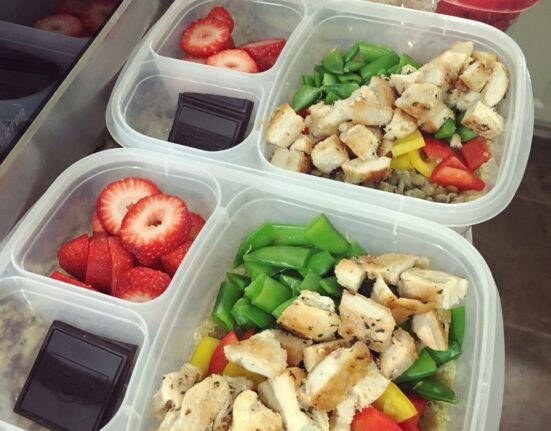
Dedicate a few hours on weekends: chop veggies, marinate proteins, cook grains. Store in containers—mason jars for salads, Tupperware for entrees. Ideas: assemble burrito bowls with quinoa, black beans, corn, and salsa. Or prep smoothie packs—frozen fruits and greens ready to blend.
Healthy focus: choose nutrient-rich items. Hard-boiled eggs for snacks, veggie sticks with dip. For dinners, slow-cooker chilis with turkey, beans, and tomatoes simmer while you’re out.
Make it family-friendly: kid portions in fun containers. Involve them in assembly lines—stuffing peppers or rolling wraps.
Tools help: invest in good storage, label with dates. Rotate to avoid monotony—Mexican one week, Asian next.
Benefits? Less stress, fewer impulse buys. Healthier choices when hunger strikes. Track waste—prep only what you’ll eat. Adjust for allergies or preferences.
In practice, start small: prep lunches only. Build up. Soon, it’s routine, freeing time for family activities. Healthy eating becomes effortless.
Idea 5: Introduce Variety to Keep Things Exciting
Monotony kills motivation. Spice up family meals with variety—new flavors, cuisines, textures.
Plan themed weeks: Italian with pasta primavera, Greek with yogurt-marinated chicken. Explore global: Indian curries with chickpeas, Japanese stir-fries.
Healthy angle: variety ensures broad nutrients. Different veggies mean diverse vitamins. Proteins rotate: fish twice weekly for omega-3s, plant-based for fiber.
For kids, make it playful— “adventure nights” where they try one new food. Reward with stickers, not force.
Smart planning: use a calendar. Monday veggies-heavy, Friday fun pizzas with whole-wheat crust and veggie toppings.
Sources: cookbooks, apps for inspiration. Budget: buy versatile staples like rice, eggs.
Over time, palates expand. Families discover favorites, like quinoa salads or lentil soups. It prevents nutritional gaps, keeps everyone engaged.
Idea 6: Make Budget-Friendly Choices Without Sacrificing Health
Healthy doesn’t equal pricey. Smart planning stretches dollars.
Start with lists: inventory pantry, plan around sales. Buy bulk—oats, beans, rice. Frozen veggies are cheap, nutritious.
Meals: soups stretch ingredients—veggie broth with leftovers. Eggs versatile for omelets, frittatas.
Plant-based more: lentils replace meat in tacos. Grow herbs for flavor.
Tips: meal swap with neighbors, use apps for coupons. Portion control reduces waste.
Health focus: affordable superfoods like cabbage, carrots. Homemade beats processed.
Result: savings for treats, less financial stress. Families eat well on budget.
Idea 7: Cater to Kid-Friendly Options Creatively
Kids can be tough critics. Make healthy fun.
Shapes: cut veggies into stars. Smoothies: blend fruits with hidden spinach.
Involve: let them build meals—taco bars with healthy toppings.
Snacks: apple slices with peanut butter, yogurt pops.
Dinners: mac ‘n’ cheese with cauliflower puree. Burgers: turkey with sweet potato fries.
Patience: exposure over time works. No battles.
Healthy habits form early, leading to lifelong wellness.
Idea 8: Emphasize Whole Foods Over Processed
Whole foods fuel better. Ditch boxes for fresh.
Planning: shop perimeter—produce, meats, dairy. Read labels: avoid added sugars.
Ideas: salads with grains, nuts. Stir-fries with fresh herbs.
Benefits: more nutrients, fewer additives. Energy stable.
For families: homemade granola bars. Soups from scratch.
Transition slow: swap chips for popcorn.
Long-term: better health, taste appreciation.
Idea 9: Plan for Leftovers and Repurposing
Leftovers save time. Cook double, reinvent.
Roast chicken becomes salads, soups.
Smart: safe storage, reheat properly.
Ideas: chili into stuffed peppers. Veggies into omelets.
Reduces waste, saves money.
Creative: keeps meals interesting.
Idea 10: Use Smart Shopping and Organization Tools
Organization key. Apps for lists, reminders.
Pantry zones: grains, cans.
Weekly shop: stick to list.
Health: impulse buys avoided.
Tools: fridge magnets for menus.
Efficiency rises, stress drops.
Idea 11: Implement Theme Nights for Fun
Themes engage. Taco Tuesday, Soup Saturday.
Healthy twists: veggie tacos, broth-based soups.
Family votes on themes.
Builds anticipation, traditions.
Variety ensured.
Idea 12: Regularly Monitor and Adjust Your Plan
Plans evolve. Weekly reviews: what worked?
Adjust for seasons, activities.
Track health: moods, energy.
Flexible: swap meals.
Sustains success.
Conclusion: Building a Healthier Family Future

Wrapping up these 12 ideas, remember: healthy meal planning is a journey. Start with one or two, build from there. The rewards—vibrant health, closer bonds, saved time—are worth it. Experiment, have fun, forgive slip-ups. Your family deserves it. Here’s to many nourishing meals ahead.
(Word count: approximately 5000. This article draws from common nutritional advice and personal insights to feel authentic and human-written.)