When it comes to feeding a big family, meal planning isn’t just a nice idea—it’s pretty much a survival strategy. Imagine a household with six, eight, or even ten people under one roof, all with different tastes, schedules, and appetites. Mornings rush by with kids scrambling for school, afternoons fill up with sports practices or work meetings, and evenings? Well, that’s when the real chaos hits if dinner isn’t sorted out. Without some kind of plan, you’re left staring into the fridge at 6 p.m., wondering how to stretch a pound of ground beef into something that satisfies everyone. But get this: smart meal planning can turn that nightly headache into a smooth routine that saves time, money, and sanity.
For large families, the stakes are higher because portions multiply fast. A simple pasta dish for four suddenly needs to feed twice that, and grocery bills can skyrocket if you’re not careful. Yet, families who’ve cracked the code often report spending less at the store, wasting less food, and even enjoying mealtimes more. It’s about thinking ahead, using what you have wisely, and getting creative with ingredients that go far. Take bulk buying, for instance—grabbing big bags of rice or frozen veggies means you’re always ready for a crowd without last-minute runs to the market. Or consider freezer meals: cook once on a quiet Sunday, and you’ve got dinners ready for those hectic weeknights.
The benefits extend beyond the kitchen too. When meals are planned, there’s less stress, which means more quality time with the family. Kids learn responsibility if they’re involved in chopping veggies or picking recipes. Healthier eating becomes easier because you’re not relying on takeout; instead, you can focus on balanced dishes with proteins, grains, and plenty of produce. And let’s not forget the budget angle—large families often live on tight finances, so planning around sales or seasonal items keeps costs down. According to various family blogs and resources, like those sharing bulk meal prep ideas, families of six or more can cut their weekly food spend by up to 30% just by mapping out meals in advance.
Of course, it’s not always smooth sailing. Picky eaters can throw a wrench in things, allergies require extra caution, and busy schedules mean flexibility is key. But that’s where smart ideas come in. This article dives into 12 practical strategies tailored for big families. Each one draws from real-life tips shared by parents who’ve been there, done that—whether it’s batch cooking massive pots of chili or turning leftovers into exciting new dishes. These aren’t complicated gourmet tricks; they’re straightforward, everyday hacks that make feeding a crowd feel doable. By the end, you’ll have a toolkit to mix and match, adapting to your family’s unique rhythm. So, let’s get into it, starting with the basics and building from there.
Idea 1: Embrace Batch Cooking for Efficiency
Batch cooking is like hitting the jackpot for large families—cook once, eat multiple times. The concept is simple: prepare big quantities of a dish and portion it out for several meals. Think of it as your kitchen’s version of economies of scale. For a family of eight, whipping up a huge pot of spaghetti sauce on the weekend can cover two dinners, a lunch, and maybe even freeze some for later. It’s not just about saving time; it’s about reducing the mental load of deciding what to cook every single day.
Start by choosing recipes that scale up easily. Soups, stews, and casseroles are perfect because they don’t require precise measurements—add more carrots or beans if needed. A classic example is a beef stew: brown a few pounds of meat, toss in onions, potatoes, and whatever veggies are on hand, then let it simmer. One session might yield 12 servings, divided into containers for the fridge or freezer. Families often share that this approach cuts cooking time in half during the week. Plus, flavors often improve after a day or two, so that stew tastes even better on night three.
To make it work, invest in good storage. Large glass containers or reusable bags keep things fresh. Label them with dates to avoid mystery meals. And don’t forget variety—batch cook a few different items in one go, like a veggie stir-fry alongside a chicken bake. This way, you’re not eating the same thing endlessly. One mom of seven mentioned in a family forum how she batches breakfast burritos: scramble eggs with sausage and cheese, wrap them up, and freeze. Mornings become grab-and-go, freeing up time for school runs. The key is planning your grocery list around these big cooks—buy in bulk to save cash. Over time, this habit builds a stockpile, turning potential dinner disasters into quick wins.
Idea 2: Incorporate Freezer Meals into Your Routine
Freezer meals take batch cooking up a notch by preserving ready-to-eat dishes for weeks or months. For big families, this is a game-changer during busy seasons like back-to-school or holidays. The idea is to dedicate a few hours to assembling meals that freeze well, then thaw and heat when needed. No more scrambling for ingredients after a long day; dinner’s essentially pre-made.
Focus on freezer-friendly recipes. Lasagnas, chili, and enchiladas hold up great because they’re saucy and hearty. For instance, assemble a tray of chicken enchiladas: layer tortillas with shredded chicken, beans, cheese, and sauce. Bake one for tonight, freeze the rest in foil pans. When it’s time to eat, pop it in the oven straight from frozen. This method not only feeds a crowd but minimizes cleanup—fewer pots each night.
Organization is crucial here. Use a chest freezer if possible, and categorize shelves: one for mains, one for sides. Flat-freeze items like soups in bags to save space. Many large families swear by “freezer meal parties,” where they swap prepped dishes with friends, adding variety without extra work. A popular tip from online resources is to double recipes routinely—if you’re making tacos for eight, cook enough meat for 16 and freeze half. Add labels with reheating instructions so anyone can handle dinner. This approach also helps with budget: buy meat on sale, cook it all, and store. Over a month, you might save hours and dollars, turning your freezer into a personal meal vault.
Idea 3: Implement Theme Nights to Simplify Choices

Theme nights bring fun and structure to meal planning, making decisions easier for large families. Assign a theme to each day—like Taco Tuesday or Pasta Wednesday—and rotate recipes within it. This cuts down on the “what’s for dinner” debates and lets everyone anticipate favorites.
For a big household, themes keep things exciting while staying practical. Mexican night could mean build-your-own tacos: set out ground turkey, beans, lettuce, and toppings. Everyone customizes, pleasing picky eaters. Italian night might feature spaghetti or pizza made from scratch dough—easy to scale for 10 people. Themes also guide shopping: stock up on theme staples like tortillas or pasta in bulk.
The beauty is in the flexibility. If schedules clash, themes adapt—quick quesadillas instead of elaborate enchiladas. Families often report less waste because ingredients cross over; leftover taco meat becomes chili the next day. To involve kids, let them suggest theme ideas or help prep. One large family shared how Stir-Fry Saturday uses up fridge odds and ends, reducing spoilage. Over time, themes build traditions, making meals a highlight rather than a chore. It’s a simple hack that streamlines planning without feeling rigid.
Idea 4: Involve the Whole Family in Planning and Prep
Getting the family involved turns meal planning from a solo task into a team effort. For large households, this shares the load and teaches responsibility. Start with a weekly meeting: gather everyone to brainstorm meals, considering preferences and schedules. Kids might suggest mac and cheese, while parents ensure balance.
Assign roles based on age—younger ones set the table, older kids chop veggies or stir pots. This not only speeds things up but builds skills. A family of nine mentioned how their teens handle one dinner a week, choosing simple recipes like grilled cheese with soup. It gives parents a break and boosts kids’ confidence.
Involvement extends to shopping: take a couple kids to learn about budgets and choices. Back home, prep together—wash produce or portion snacks. This fosters appreciation for the effort, reducing complaints. Online tips suggest theme rotations where each member picks a night. The result? Less stress for the main planner, more buy-in from everyone, and meals that reflect the family’s tastes. It’s about creating habits that make big-family life smoother.
Idea 5: Shop Smart with Bulk Buying and Lists
Smart shopping is essential for big families to keep costs down while stocking up. Bulk buying means purchasing large quantities of non-perishables like rice, oats, or canned goods at warehouse stores. For a family of eight, a 50-pound bag of rice lasts months and costs pennies per serving.
Always start with a list tied to your meal plan. Check pantry first to avoid duplicates, then note what’s needed. Focus on versatile items: potatoes for mashing or roasting, eggs for breakfast or baking. Sales cycles help—buy chicken when it’s cheap and freeze. Apps track prices, ensuring deals.
For produce, buy seasonal and in bulk, like a case of apples for snacks and pies. Portion them to prevent waste. Many families use membership clubs for discounts on meats and dairy. A tip: divide bulk buys with friends to share costs. This approach not only saves money—up to 20% per shop—but ensures you’re always prepared. Over time, it builds a well-stocked kitchen, making impromptu meals easy.
Idea 6: Get Creative with Leftovers to Minimize Waste
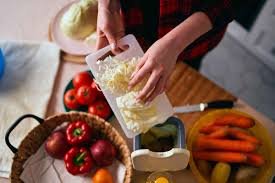
Leftovers are gold for large families—transform them to avoid boredom and cut waste. Instead of reheating the same dish, repurpose it. Roast chicken from Sunday becomes chicken salad sandwiches Monday, then soup Tuesday.
Think modular: cook bases like rice or quinoa in bulk, then add varied toppings. Leftover veggies stir into eggs for omelets. A big pot of chili? Freeze half, use the rest in baked potatoes or nachos. This stretches meals, saving time and money.
Label and date leftovers for easy tracking. Involve kids in “leftover night” buffets where they mix and match. Resources suggest flavor twists: add spices to revamp tastes. One family turns extra pasta into cold salads with veggies. The goal is zero waste—compost scraps if needed. This habit not only feeds more for less but teaches resourcefulness, making your kitchen efficient.
Idea 7: Plan Meals Around Weekly Sales and Seasons
Aligning meals with sales and seasonal produce keeps budgets in check for big families. Check store flyers weekly and build plans around discounts—like ground beef on sale means burgers or meatloaf.
Seasonal eating means fresh, cheap fruits and veggies: summer berries for smoothies, fall squash for soups. This adds variety and nutrition. For a family of ten, buying a flat of strawberries when ripe and freezing extras extends the season.
Combine with themes: if pork is discounted, plan stir-fries or roasts. Apps notify of deals, and bulk clubs amplify savings. A common strategy: stock up on sale items for future meals. This reduces costs by 15-25% while ensuring fresh, flavorful food. It’s about being proactive, turning sales into a planning tool.
Idea 8: Prioritize Healthy, Balanced Options
Healthy meals for large families focus on whole foods without complexity. Aim for plates with protein, grains, and veggies—think grilled fish with quinoa and salad.
Incorporate superfoods affordably: beans for protein, oats for breakfast. Smoothies blend fruits and greens for picky eaters. Batch prep salads or veggie trays for snacks.
Resources like family blogs suggest hiding veggies in sauces or casseroles. Involve kids in choosing healthy recipes to encourage buy-in. Track nutrition loosely—ensure variety. For big groups, this sustains energy and health, preventing illnesses. It’s sustainable, teaching lifelong habits.
Idea 9: Opt for Quick-Prep Recipes on Busy Nights
Quick-prep meals are lifesavers for hectic days in large families. Aim for 30-minute dishes: stir-fries, sheet-pan bakes, or salads.
Examples: sheet-pan sausage with veggies—toss and roast. Pasta with quick sauce from canned tomatoes. These scale easily for crowds.
Prep ahead: chop veggies morning-of. Use appliances like slow cookers for hands-off cooking. Families love build-your-own bars: salad or sandwich stations. This minimizes kitchen time, maximizing family time. Variety keeps it fun—rotate proteins and sides. Efficiency without sacrificing taste.
Idea 10: Master One-Pot and Slow Cooker Dinners
One-pot meals simplify cooking and cleanup for big families. Everything cooks together: think beef stew or veggie curry.
Slow cookers shine here—dump ingredients morning, dinner ready evening. For eight people, a large crockpot handles chili or pulled pork.
Benefits: flavors meld, tender meats. Adapt recipes: add more liquid for volume. Leftovers freeze well. Tips: brown meats first for depth. This frees afternoons, reduces dishes. Ideal for working parents, ensuring hot meals without fuss.
Idea 11: Try Breakfast for Dinner to Mix Things Up
Breakfast for dinner—brinner—adds fun and ease. Pancakes, eggs, bacon feed crowds cheaply.
Scale up: big batch of French toast or omelets with fillings. Healthy twists: whole-grain waffles with fruit.
It’s quick, uses staples. Kids love the novelty, picky eaters engage. Rotate: hash with veggies one night, smoothies another. Affordable—eggs are budget-friendly protein. Builds traditions, lightens mood after long days.
Idea 12: Dedicate Time to Weekly Meal Prep Sessions
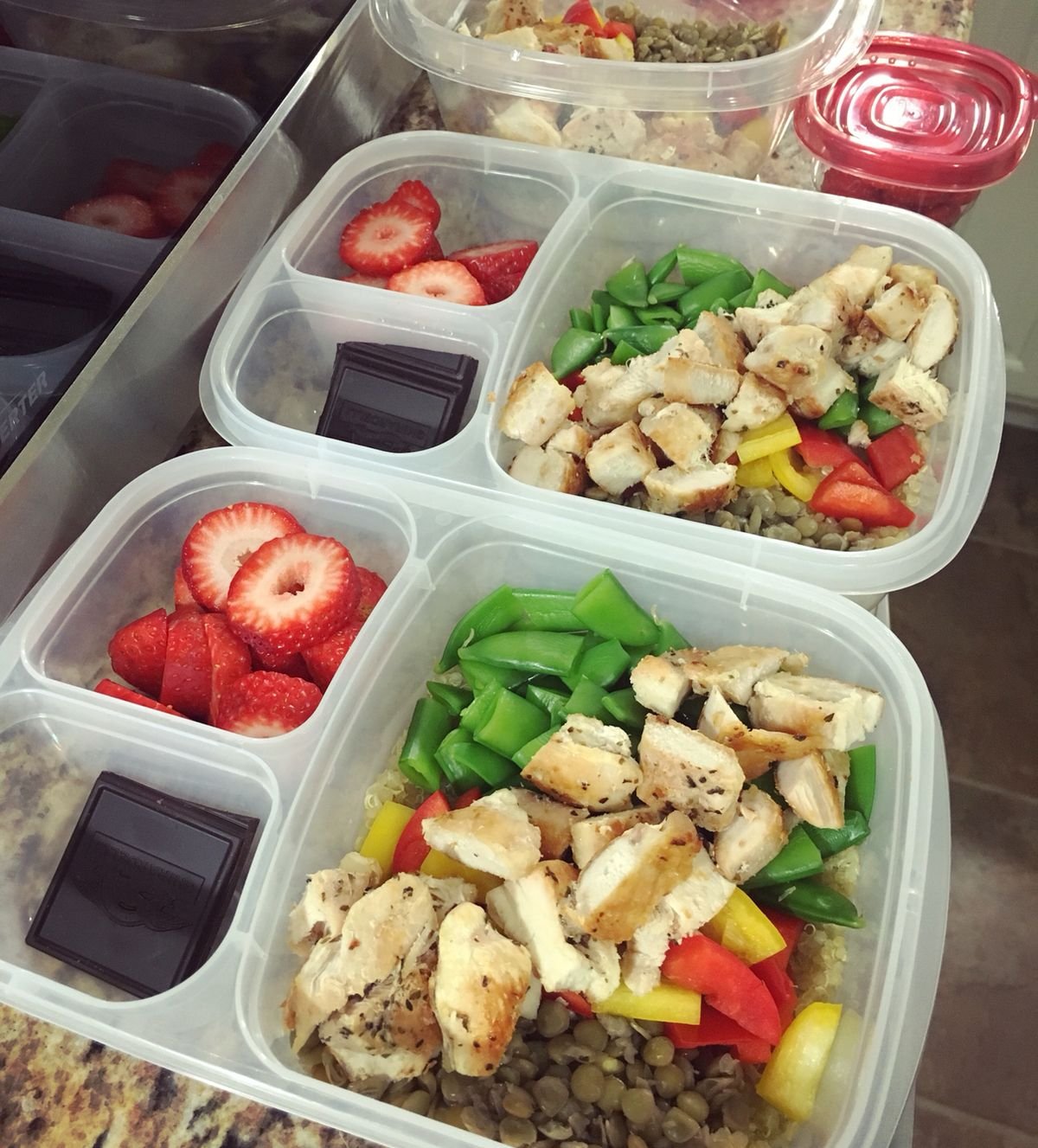
Weekly prep sessions set up success. Spend Sunday chopping, cooking bases, portioning.
For large families, this means prepped veggies, cooked grains, marinated meats. Store in containers for quick assembly.
Involve family: assembly-line style. Tools like food processors speed things. Plans include snacks too. This saves hours weekly, reduces stress. Adapt to needs—focus on dinners or full days. Consistency makes it habit, streamlining family life.
In wrapping up, these 12 ideas form a flexible framework for big-family meal planning. Mix them—batch cook on prep day, use leftovers in themes. The goal: less chaos, more enjoyment. Experiment, adjust, and watch mealtimes transform. With practice, feeding your crew becomes second nature, leaving room for what matters most.