
The grocery prices seem to climb every week and family meals still need to happen seven days a week, meal planning isn’t just a nice-to-have anymore—it’s one of the few ways left to keep the kitchen budget from swallowing half your salary. I learned this the hard way a few years back when I was running a household of five on a single income that felt smaller every month. We were eating out too often or ordering in because I hadn’t planned ahead, and the fridge was full of half-used veggies going soft while we bought the same things again. Once I started treating meal planning like a proper system instead of a vague Sunday-night idea, the grocery bill dropped noticeably—sometimes by 30-40% in a good month—without anyone feeling deprived.
The trick is building habits that actually stick in a busy Pakistani family routine: school runs, office traffic, late evenings, unexpected guests, kids who suddenly hate what they loved last week, and that eternal question of what to do with leftovers. These twelve strategies aren’t fancy or complicated. They’re pulled from what worked for us and what I’ve seen work for neighbors, cousins, and friends who juggle similar lives. They’re realistic for middle-class households here—moderate budgets, limited storage space, hot weather that spoils food fast, and a mix of home-cooked desi food with occasional treats.
Plan one big weekly shop instead of daily trips
The single biggest money-leaker is those quick “I’ll just grab a few things” visits to the store three or four times a week. Every trip adds impulse buys—biscuits the kids spot, a cold drink because it’s hot, extra masala packets “just in case.” Studies from consumer groups show people spend 20-50% more per trip when they shop frequently.
Pick one day—Saturday morning for us because the markets are freshest and crowds manageable—and do the bulk of your shopping then. Make a complete list based on the week’s meals (more on that below). Stick to it. In Karachi, places like Imtiaz, Chase, or Sunday bazaars give better prices on vegetables and staples if you go early. For meat, buy in bulk from a trusted butcher on your shop day, portion it at home, and freeze what you won’t use in 2-3 days.
We cut our weekly grocery spend by almost a third the first month we switched to one big shop. Fewer trips = less temptation, less petrol, less plastic bags. The fridge looks fuller at the start of the week, which feels reassuring.
Cook once, eat twice (or three times)

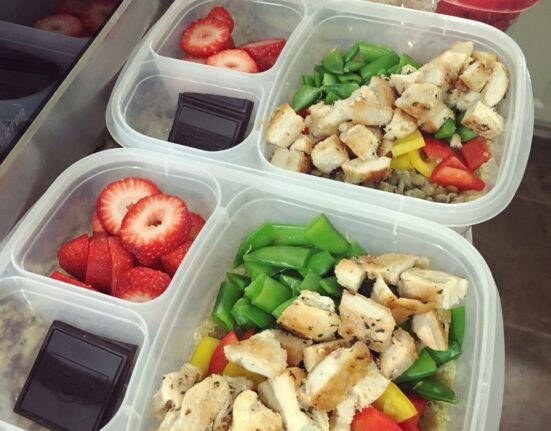
Batch cooking is the backbone of saving money and time. Make double or triple portions of things that freeze or reheat well—daal, qeema, chicken curry, sabzi, pulao, biryani masala base, even chapati dough.
Portion leftovers immediately after cooking—don’t leave the pot on the stove hoping someone will eat it later. Use airtight containers or zip bags. Label with date and contents. In our humid climate, leftovers last 2-3 days in the fridge safely; freeze anything beyond that.
Examples that work: Sunday cook a big pot of chana masala or aloo gosht—eat fresh that night, reheat for Monday dinner, freeze the rest for next week’s emergency meal. Make extra rice or chapati dough and freeze in portions. Kids love parathas from frozen dough—roll, cook, freeze flat.
This habit turned our “what’s for dinner?” panic into “just thaw and heat.” We probably save 4-6 meals a week from scratch cooking, which adds up fast when meat prices are high.
Build a 4-week rotating meal plan
A rotating plan keeps things simple and predictable. Sit down once a month (or every two weeks) and list 20-25 dinners that everyone likes and that use overlapping ingredients. Assign them to days loosely—Monday daal/chawal, Tuesday chicken, Wednesday veg, Thursday beef/mutton, Friday lighter (eggs, khichdi, etc.), weekend biryani or special.
Rotate the list every 4 weeks so you don’t eat the same thing forever. This lets you buy staples in bulk—rice, daal, oil, spices, onions, tomatoes—because you know exactly how much you’ll need. In Pakistan, bulk buying rice (25 kg bag), daal (10 kg), and oil (5-10 L tin) from wholesale markets like Jodia Bazaar or Empress Market saves 15-25% compared to small packets.
Our first rotating plan had 21 dinners. After a month we swapped a few based on what the kids actually finished. Now grocery lists write themselves.
Use a weekly inventory check before shopping
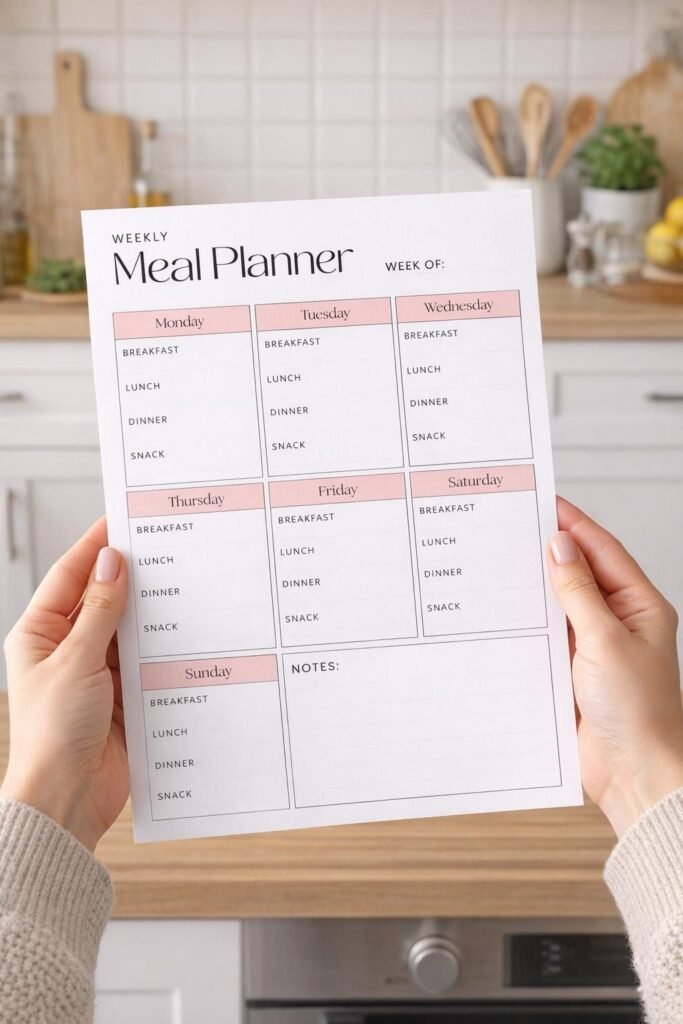
Every Friday night or Saturday morning, open the fridge, freezer, and pantry. Make a quick list of what’s left: half bag of onions, 3 tomatoes, frozen chicken portions, leftover daal, etc. Cross-reference with the meal plan—adjust the shopping list so you don’t buy duplicates.
This one habit alone stopped us from throwing out wilted coriander or expired yogurt because we forgot it was there. In hot weather, produce spoils fast—checking inventory means you use what you have first and buy only what’s missing.
We keep a small whiteboard on the fridge door for this. Takes 5-10 minutes but saves Rs. 500-1000 a week in wasted food.
Shop the perimeter and seasonal produce
In supermarkets, the outer aisles usually have fresh produce, dairy, meat, and eggs—the cheaper, less processed stuff. The middle aisles are where the expensive packaged snacks, ready meals, and sodas live.
Stick to the perimeter as much as possible. Buy seasonal vegetables and fruits—they’re cheaper, fresher, and tastier. Right now (early 2026), gourds (tinda, lauki, torai), bhindi, baingan, and leafy greens like palak and methi are in season and half the price of off-season imports.
We built our meal plan around what’s cheap at the market that week. If tomatoes are Rs. 80/kg, make shorba or chutney; if they’re Rs. 200, skip and use onions or yogurt-based gravies instead.
Buy meat in bulk and portion it yourself
Chicken, beef, mutton prices fluctuate wildly. When chicken is reasonable (Rs. 500-600/kg), buy 5-10 kg from a good butcher, clean and portion at home (breasts, legs, mince), freeze in meal-sized bags.
Same for beef/mutton—buy a larger cut when prices dip, trim fat, portion, freeze. This avoids buying small expensive packets mid-week.
We portion into 500g-750g bags labeled “chicken curry,” “keema,” “stew.” Thaw only what you need. Saves 20-30% versus daily butcher trips.
Make a master spice and pantry list
Keep a running list of staples—cumin, coriander, red chili, turmeric, garam masala, salt, oil, ghee, tea, sugar, rice, daal types, atta, etc. When something gets low (half jar), add to the shopping list immediately.
This prevents emergency buys at high prices. Bulk-buy spices from wholesale markets every 2-3 months—much cheaper than small supermarket jars.
Our pantry list is taped inside a cupboard door. Cross off when restocked. No more “we’re out of zeera” mid-cooking.
Plan one or two meat-free days per week
Meat is often the most expensive part of the meal. Dropping it once or twice a week—say Monday and Thursday—cuts costs without complaints if the food tastes good.
Popular options here: daal chawal, khichdi with yogurt, sabzi with roti, egg curry, aloo matar, bhindi masala, palak paneer (if paneer is affordable), or besan cheela with chutney.
Kids usually accept if the flavors are strong—garlic, ginger, green chilies, fresh coriander. We save Rs. 800-1500 a week from two meatless days.
Use leftovers creatively instead of reheating plain
Leftovers get boring fast. Turn them into new meals: extra chicken curry → sandwiches or paratha rolls next day; leftover daal → daal paratha or soup; extra rice → fried rice or kheer; sabzi → stuffed paratha or omelette filling.
This stretches food further and keeps everyone interested. We aim for at least one “remix” meal per week—often lunch from last night’s dinner.
Freeze produce when it’s cheap
When tomatoes, onions, green chilies, ginger, garlic, or coriander are inexpensive, buy extra, prep, and freeze. Chop onions and freeze in bags, make ginger-garlic paste and freeze in ice trays, puree tomatoes for gravy base, chop coriander and freeze flat.
In season, freeze methi or palak blanched. Saves when prices double later.
We keep a small freezer section dedicated to these bases—cuts prep time and prevents waste.
Involve the family in planning
Let older kids pick one meal each week or suggest ingredients. When they have input, they’re more likely to eat it and less likely to demand takeaways.
We do a quick family huddle on Friday—everyone says one thing they want. Keeps variety and reduces complaints.
Batch-prep basics on weekends
Sunday or Saturday evening: boil eggs, chop onions/tomatoes, make dough, soak daal, marinate meat if needed. Cuts weekday cooking time and temptation to order out.
We prep for 3-4 days ahead—makes evenings easier.
These twelve strategies—weekly big shop, cook once eat multiple times, rotating plan, inventory check, perimeter/seasonal shopping, bulk meat portioning, master pantry list, meat-free days, creative leftovers, freeze produce, family input, weekend prep—work together to cut grocery costs while keeping meals tasty and varied.
In our house, the combination dropped monthly food spend by 25-35% without feeling restricted. Start with 3-4 that feel easiest—big shop, inventory, leftovers remix, meat-free day. Track your grocery bills for a month before and after. In Karachi’s rising prices, these habits give breathing room without sacrificing flavor or family time. Food is love, but smart food is love that lasts longer.