
Feeding a family can feel like an expensive challenge. Between picky eaters, busy schedules, and rising grocery costs, many parents wonder how to put healthy meals on the table without breaking the bank.
The good news? Meal planning doesn’t have to be complicated or time-consuming. With a few simple strategies, you can cut your weekly food budget significantly while still serving delicious, nutritious meals your family will enjoy.
This guide walks you through five practical meal planning tips that real families use to save money every week. You’ll learn how to shop smarter, waste less food, and make the most of every dollar you spend at the grocery store.
Why Meal Planning Saves Families Money
Before jumping into specific tips, let’s talk about why meal planning works so well for family budgets.
When you plan meals ahead of time, you avoid those last-minute takeout orders that drain your wallet. You also buy only what you need, which means less food gets thrown away. Studies show that the average family wastes about 30% of the food they purchase. That’s like throwing money directly in the trash.
Meal planning also helps you take advantage of sales and bulk buying opportunities. Instead of wandering grocery store aisles without a clear purpose, you shop with intention and strategy.
The result? More money stays in your pocket each month.
Tip 1: Build Your Weekly Menu Around What You Already Have
Your pantry, fridge, and freezer are goldmines waiting to be discovered. Most families have forgotten cans, frozen vegetables, and dry goods that can become the foundation of great meals.
Start With a Kitchen Inventory
Take 15 minutes to look through your cabinets, refrigerator, and freezer. Write down what you find, especially items that need to be used soon. That half-empty box of pasta, those canned tomatoes, or the chicken breasts in the freezer can all become dinner this week.
This simple step prevents you from buying duplicate items you already own. It also challenges you to get creative with ingredients you might otherwise overlook.
Plan Meals That Use These Ingredients First
Once you know what you have, build at least two or three meals around those items. If you have rice, beans, and some frozen peppers, that’s a burrito bowl night. Got pasta and canned tuna? There’s a simple casserole.
Using what you already own before shopping means your grocery list gets smaller and your bill gets lower.
Create a Master List of Family-Favorite Recipes
Keep a running list of 15-20 meals your family enjoys that use affordable, common ingredients. When you plan your week, rotate through this list. You won’t waste time searching for new recipes, and you’ll know exactly what ingredients to buy.
This approach removes decision fatigue and keeps meal planning quick and painless. For more strategies on simplifying your weekly routine, check out these meal planning for families resources that can help you get organized.
Tip 2: Shop With a Detailed List and Stick to It
Grocery stores are designed to make you spend more money. Eye-level products, tempting displays, and strategic layouts all encourage impulse purchases.
Your defense? A specific, detailed shopping list that you follow religiously.
Make Your List Room by Room
Organize your shopping list by store sections: produce, dairy, meat, canned goods, and so on. This saves time wandering back and forth, which also reduces the temptation to grab items you don’t need.
When your list says “3 pounds chicken thighs” instead of just “chicken,” you’re less likely to overspend on fancy cuts or buy more than necessary.
Include Quantities and Specific Items
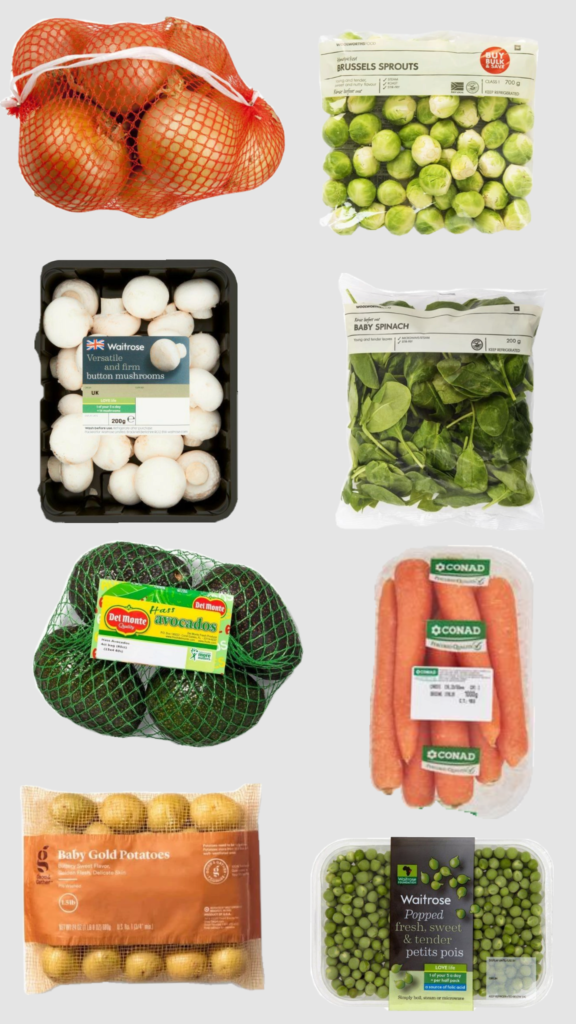
Vague lists lead to overspending. “Snacks” becomes a cart full of chips and cookies. “Vegetables” turns into buying every fresh item that looks good.
Instead, write exactly what you need: “2 bags baby carrots, 1 bunch broccoli, 6 apples.” This precision keeps your budget intact.
Avoid Shopping When Hungry
This old advice remains true because it works. Hungry shoppers buy 64% more items than those who shop on a full stomach. That’s not just junk food either—hunger makes everything look more appealing.
Eat a snack or meal before heading to the store. Your wallet will thank you.
Tip 3: Embrace Batch Cooking and Leftovers
Cooking multiple meals at once might sound like extra work, but it actually saves time, energy, and money throughout the week.
Cook Double Portions for Planned Leftovers
When making dinner, double the recipe. Eat half tonight and refrigerate or freeze the rest for another meal later in the week. This works especially well for soups, casseroles, chili, and pasta dishes.
You’ve already done the chopping, seasoning, and cooking work. Making extra takes minimal additional effort but gives you a free meal later when you’re too tired to cook.
Dedicate One Day to Meal Prep
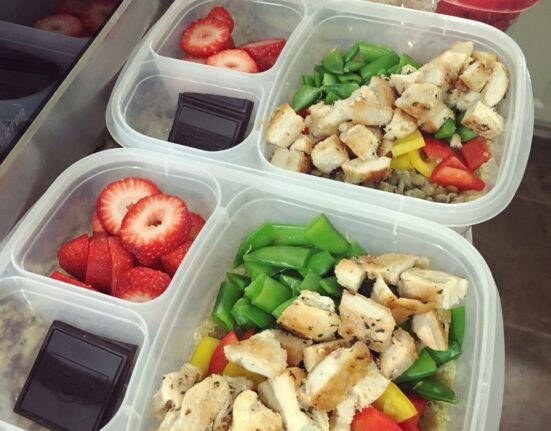
Many families find success by spending 2-3 hours on Sunday preparing components for the week ahead. This might include:
- Chopping vegetables for several meals
- Cooking a big batch of rice or quinoa
- Grilling or baking several chicken breasts
- Preparing mason jar salads
- Making a large pot of soup
These prepared ingredients make weeknight cooking faster and reduce the temptation to order takeout when you’re exhausted.
Transform Leftovers Into New Meals
Leftover roasted chicken becomes chicken tacos, chicken salad sandwiches, or chicken soup. Extra cooked rice turns into fried rice or a rice bowl. Remaining vegetables blend into smoothies or omelets.
This creativity prevents food waste and stretches your grocery budget further than you might imagine.
Batch Cooking Benefits Table
| Strategy | Time Saved Per Week | Estimated Monthly Savings |
|---|---|---|
| Double batch dinners | 3-4 hours | $80-$120 |
| Sunday meal prep | 5-6 hours | $100-$150 |
| Leftover transformation | 2-3 hours | $60-$90 |
Tip 4: Buy Smart with Store Brands and Sales
Brand loyalty costs money that most families can’t afford to waste. The quality difference between name brands and store brands is often minimal, but the price difference is substantial.
Choose Store Brands for Staples
For items like flour, sugar, rice, pasta, canned goods, and frozen vegetables, store brands taste virtually identical to national brands. The packaging might be less flashy, but the contents are often made in the same facilities.
Switching to store brands for just your basic pantry staples can save 20-30% on your grocery bill without sacrificing quality.
Plan Meals Around Weekly Sales
Check your grocery store’s weekly circular before planning meals. If chicken thighs are on sale, plan three meals using chicken. If canned tomatoes are half price, stock up and plan pasta night and chili.
This flexible approach means you build your menu around the best deals rather than paying full price for ingredients a rigid meal plan demands.
Buy in Bulk for Items You Use Regularly
For non-perishable items your family uses frequently, buying larger quantities when on sale makes financial sense. This works for:
- Rice and pasta
- Canned beans and tomatoes
- Frozen vegetables
- Cooking oils
- Spices (when reasonably priced)
Just make sure you have storage space and will actually use the items before they expire.
Use Coupons Strategically
Coupons can save money, but only if you use them for items you’d buy anyway. Don’t purchase something just because you have a coupon. Combine manufacturer coupons with store sales for maximum savings.
Digital coupon apps and store loyalty programs make this easier than ever before. The USDA’s MyPlate resources also offer excellent tips for eating healthy on a budget.
Tip 5: Plan Simple Meals and Reduce Food Waste
Fancy recipes with 15 ingredients might look impressive on social media, but they’re budget killers for everyday family meals.
Stick to Recipes With 7 Ingredients or Less
Simple meals cost less and create less waste. A dinner with too many ingredients means buying specialty items you might use once, then they sit in your pantry until they expire.
Focus on straightforward recipes that use common, versatile ingredients. Stir-fries, sheet pan dinners, slow cooker meals, and one-pot pastas all fit this category perfectly.
Use Every Part of Ingredients
Broccoli stems are edible and delicious when properly prepared. Chicken bones make excellent broth. Vegetable scraps create flavorful stock. Stale bread becomes croutons or breadcrumbs.
Learning to use the whole ingredient reduces waste and maximizes the value of every dollar you spend.
Store Food Properly to Extend Freshness
Even the best meal plan fails if your groceries spoil before you can use them. Proper storage techniques keep food fresh longer:
- Store herbs in water like flowers
- Keep lettuce wrapped in paper towels inside a container
- Freeze bread you won’t use within a few days
- Move older items to the front of the fridge so they get used first
- Use airtight containers for pantry staples
These small habits prevent throwing away money in the form of spoiled food.
Create a Flexible “Use It Up” Night
Designate one night each week as “leftover night” or “clean out the fridge night.” This ensures nothing goes to waste and gives you a break from cooking.
Kids can even get involved by choosing what leftovers they want to eat or helping create fun combinations from remaining ingredients.
Weekly Food Waste Reduction Checklist
- [ ] Check expiration dates when putting away groceries
- [ ] Move older items to the front of shelves
- [ ] Plan meals around ingredients that expire soonest
- [ ] Store produce properly for maximum freshness
- [ ] Freeze items you won’t use in time
- [ ] Schedule a weekly leftover night
- [ ] Keep a running list of what needs to be used soon
Putting It All Together: Your Weekly Meal Planning Routine
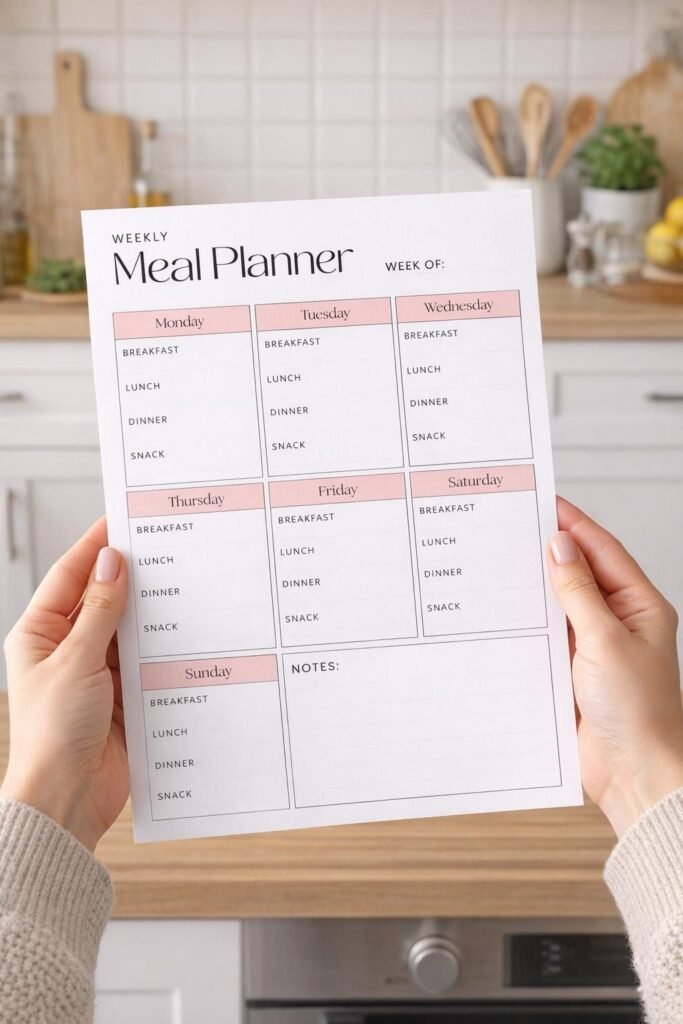
These five tips work best when you use them together as a system. Here’s a simple weekly routine that combines all these strategies:
Sunday (or your day off):
- Check your pantry, fridge, and freezer inventory
- Look at grocery store sales for the week
- Plan 5-7 dinners using what you have and what’s on sale
- Make a detailed shopping list organized by store section
- Do your grocery shopping with your list
- Spend 1-2 hours doing basic meal prep if possible
Throughout the week:
- Follow your meal plan
- Store leftovers properly for future meals
- Note what worked well and what didn’t
- Adjust next week’s plan based on what you learned
This routine takes about 2-3 hours total per week but saves countless hours of stress and hundreds of dollars each month.
Real Families, Real Savings
The Martinez family of four cut their monthly food spending from $900 to $600 by implementing these five tips. They focused especially on batch cooking and shopping sales.
The Chen family saved $150 monthly primarily through reducing food waste and using what they already had before buying more groceries.
Your results will vary based on family size, dietary needs, and where you shop. But most families who commit to these strategies report saving 20-40% on their grocery bills.
Frequently Asked Questions
How much time does meal planning really take each week?
Most families spend 30-60 minutes planning meals and making a shopping list, plus 1-2 hours for optional meal prep. This upfront time investment saves hours during busy weeknights and prevents expensive last-minute food decisions.
What if my family doesn’t like leftovers?
Transform leftovers into different meals rather than serving the exact same dish twice. Roasted chicken becomes tacos, sandwiches, or soup. Most people don’t mind “leftovers” when they’re presented in a new, appealing way.
How do I meal plan with picky eaters?
Involve kids in the planning process by letting them choose one or two meals per week from your approved list. Serve at least one familiar food with each meal alongside new items. Build meals around simple, customizable bases like tacos, pasta, or rice bowls where each person can add their preferred toppings.
Should I plan breakfast and lunch too, or just dinners?
Start with dinner planning since that’s typically the most expensive and stressful meal. Once you have that system working, you can expand to planning lunches. Many families keep breakfast simple with rotating favorites like oatmeal, eggs, or yogurt that don’t require detailed planning.
What’s the best way to organize recipes and meal plans?
Use whatever system you’ll actually maintain. Options include a simple notebook, a note-taking app on your phone, Pinterest boards, or dedicated meal planning apps. The best system is the one you’ll use consistently.
How can I meal plan on a very tight budget?
Focus on inexpensive protein sources like beans, lentils, eggs, and chicken thighs. Buy produce that’s in season and on sale. Plan meals around cheap staples like rice, pasta, and potatoes. Even on a minimal budget, these tips help you stretch every dollar further.
Start Small and Build Your System
You don’t need to implement all five tips perfectly from day one. Start with one or two strategies that feel most manageable for your family.
Maybe this week you just focus on checking your pantry before shopping and making a detailed list. Next week you add batch cooking one recipe. The week after that, you start planning around sales.
Small, consistent improvements add up to significant savings over time.
Your Path to Easier, More Affordable Family Meals
Meal planning for families doesn’t require perfection or hours of complicated prep work. These five straightforward tips—using what you have, shopping with a list, batch cooking, buying smart, and reducing waste—create a sustainable system that saves money every single week.
The families who see the biggest savings are the ones who treat meal planning as a helpful tool rather than another source of stress. Your system can be simple. Your meals can be basic. What matters is consistency and making choices that align with your budget goals.
Start this week. Check your pantry. Make a plan. Write a list. You’ll be amazed how much money stays in your account when you approach family meals with intention and strategy.
Your family’s financial health and dinner table peace of mind are worth the small time investment these habits require.