The Kitchen Chaos That’s Robbing You of Family Time
It’s 6:30 PM. You just got home from work. The kids are whining about being hungry. You open the fridge and there are random ingredients that don’t qualify as a meal.
That familiar stress starts to seep in.
So you get your phone out and order from the same three restaurants you’re always ordering from. Again. The food arrives. Everyone eats in front of screens. Another evening gone.
But could dinnertime be different?
What if eating well was not a superhuman undertaking? What if you could develop a love for cooking for your family, not dread it?
The trick is not willpower or mysterious ingredients. It’s habits.
In this article I’m going to share five habits that can help you feel like healthy meal planning for families is easy, rather than something you have to force yourself into. These aren’t temporary fixes. They’re sustainable changes that stick.
Let’s change the way your family eats, starting now.
Habit #1: The Sunday Strategy Session
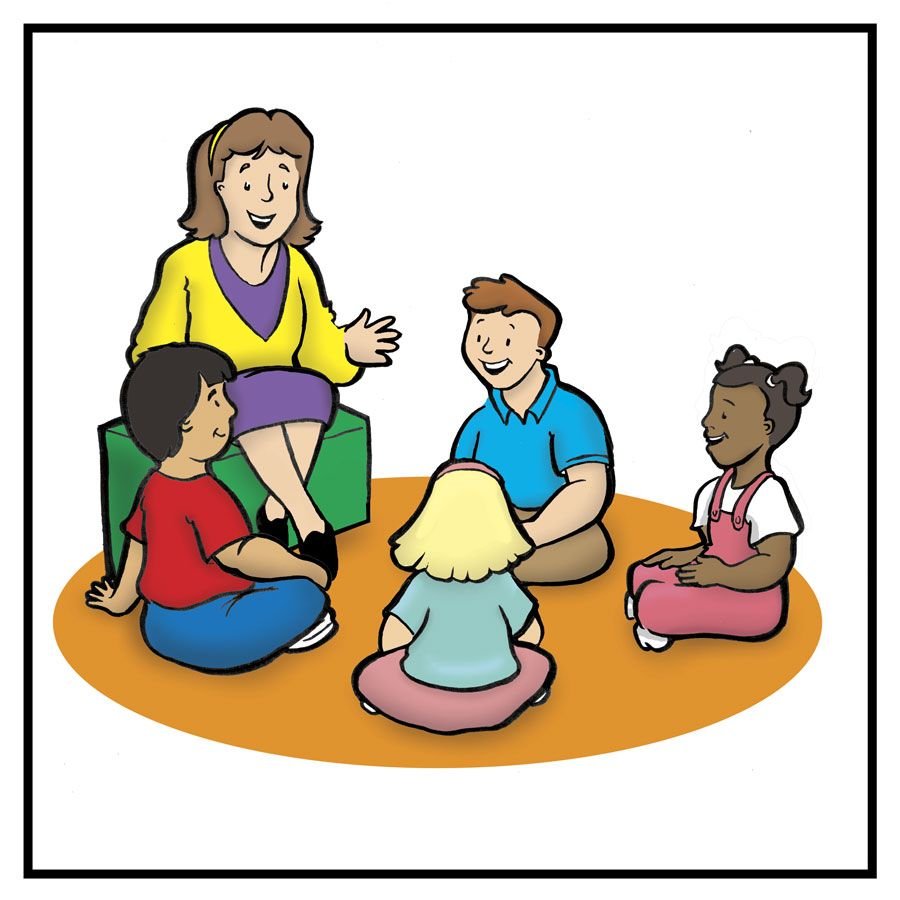
I’d wager that more families fail at eating better on a daily basis because they wing it than for any other reason. They determine dinner at the moment everyone is already hungry.
That’s planning to fail.
Successful families do something different. They have a strategy session every week. Same time. Same place. Every single week.
Why Sunday Works Best
Sunday provides you with the whole week to execute. You can shop on Sunday afternoon or Monday morning, when stores are quieter. You have make-ahead time that’s not during the weekday chaos.
But the day is less important than consistency. You choose the day that works for YOUR family and you guard it like an important meeting.
How to Conduct Your Strategy Session
Set aside 20-30 minutes. That’s it. You don’t need hours.
Step 1: Check the family calendar
Check everyone’s schedule for the week. Soccer practice? Late work meetings? School events? Write them down.
Step 2: Assign a complexity to each meal for every day of the week
Busy days get simple meals. Calmer days could manage more complicated recipes.
Step 3: Let everyone contribute
Allow each member of the family one choice meal per week. Yes, even the kids. It gives buy-in and cuts complaints.
Step 4: Build your grocery list
Write down everything you need. Before you make a purchase, check your pantry to avoid duplicates.
Step 5: Prep what you can
Find out what you can wash, chop or cook in advance.
This is what that looks like in action:
| Day | Schedule | Meal Complexity | Meal Choice |
|---|---|---|---|
| Monday | Normal | 30-minute meal | Stir-fry with vegetables |
| Tuesday | Soccer till 7 PM | 15-minute meal | Pre-made chili (from freezer) |
| Wednesday | Normal | 45-minute meal | Baked chicken with roasted vegetables |
| Thursday | Parent’s late meeting | Slow cooker | Pot roast with carrots |
| Friday | Relaxed | Simple | Homemade pizza night |
This one practice puts an end to the daily “what’s for dinner” panics. You already know. You already planned. You already bought the ingredients.
And in terms of mental relief alone, it’s worth it.
Habit #2: Vegetable-First Thinking
Here is an uncomfortable truth: most families do not eat enough vegetables.
According to the CDC, only 1 in 10 adults eats the recommended amount. Kids eat even less.
But nagging doesn’t work. Forcing doesn’t work. You need a different approach.
Enter vegetable-first thinking.
What Vegetable-First Thinking Means
Make vegetables, not protein (chicken, meat or fish), the center of your plans. Create meals around what is fresh, in-season and abundant.
This simple mental shift makes all the difference in the world.
Standard planning: “We’re having chicken tonight. What should I serve with it?”
Vegetable-first planning: “We’ve got fresh broccoli and bell peppers. What can we make with these?”
The first approach treats vegetables as an afterthought. The second elevates them to star status.
Making It Work in Real Life
Start small. Choose two to three nights a week to begin with vegetable-first days. You don’t need to cut out meat. Simply put vegetables up front.
Easy vegetable-first meals:
- Cashew vegetable stir-fry (add chicken or tofu if desired)
- Quinoa and black bean stuffed bell peppers
- Zucchini noodles with marinara sauce
- Vegetable curry over rice
- Loaded sweet potatoes with various toppings
- Minestrone soup packed with vegetables
- Buddha bowls with roasted vegetables and grains
The sneaky benefit: Meals with a foundation of vegetables cost less. Vegetables are cheaper than meat. Your grocery bill goes down and your family’s health gets better.
Getting Kids On Board
Kids resist new things. That’s normal. Use these strategies:
The rainbow challenge: See if you can eat a vegetable of every color within the span of a week. Turn it into a game, with a chart on the fridge.
The involvement trick: Kids eat vegetables they help cook. Have them wash lettuce, tear kale or place sliced vegetables on a baking sheet.
The dip method: Any raw vegetables will be eaten by most children if they have a great dip. Vegetables vanish with a side of hummus, ranch dressing or guacamole.
The hide-in-plain-sight technique: Mix vegetables into sauces, smoothies and soups. The nutrition, none of the resistance.
Start tonight. Pick one vegetable. Build dinner around it. See what happens.
Habit #3: The Batch Prep Power Hour
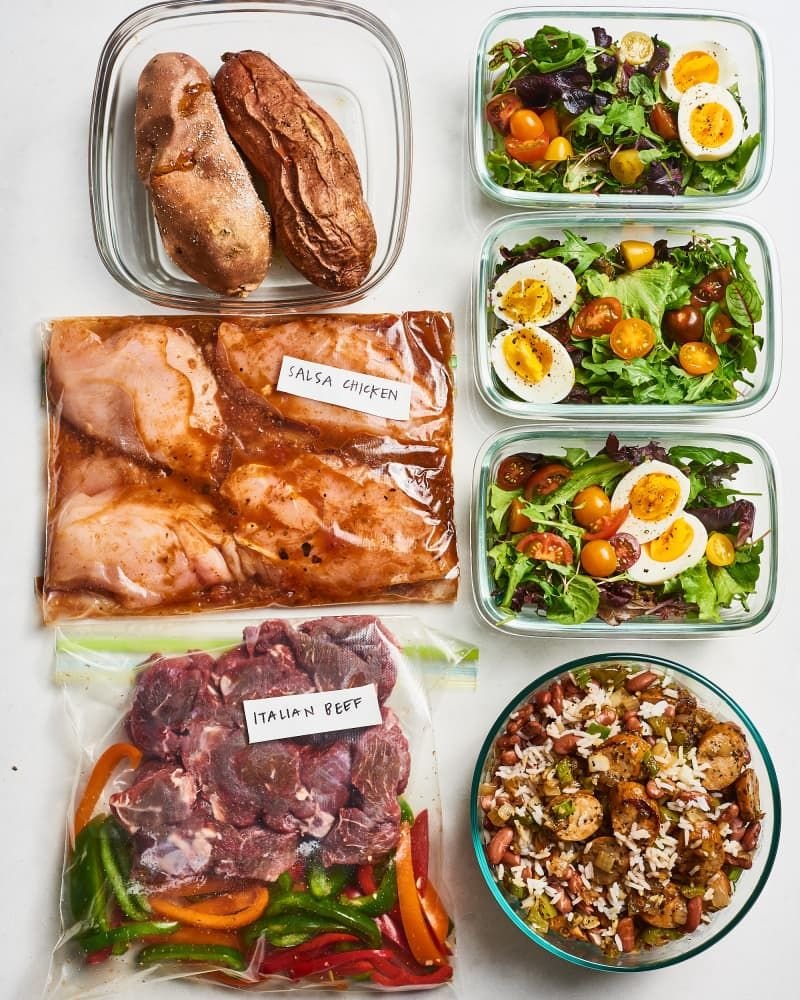
Families are most challenged in consuming healthful food due to time. Work, school, sports, clubs and lessons. Everything else you’ve got going on in your life — who has time to cook a meal from scratch every night?
Nobody.
That’s why the smartest families save scratch cooking for treats and special occasions. They do the batch prep power hour.
What Is Batch Prep?
Batch prep is just the idea of preparing several components for a meal at one time, often on the weekend. You’re not cooking complete meals. You’re creating building blocks.
One hour on Sunday saves three or four hours during the week.
That’s a 300% return on time.
Your First Power Hour
Don’t try to prep everything. Start with these high-impact tasks:
Protein prep (20 minutes):
- Grill 4-6 chicken breasts
- Brown 2-pound package of ground turkey
- Bake hard-boiled eggs
- Season fish fillets and freeze for later in the week
Vegetable prep (20 minutes):
- Wash and prepare one week’s worth of vegetables
- Roast a large sheet pan of mixed vegetables
- Prepare all of the salad ingredients in a large bowl
- Cut fruit for easy snacking
Grain prep (10 minutes):
- Prepare a batch of brown rice or quinoa
- Prepare overnight oats for breakfast
- Cook whole grain pasta and store it
Sauce and seasoning (10 minutes):
- Prepare a large batch of vinaigrette
- Prepare marinara sauce
- Blend taco seasoning or curry paste
Keep everything in clear containers, so that you can see what’s ready. Label them with dates.
How to Use Your Prepped Ingredients
Now, weeknight cooking means assembly, not cooking from the ground up.
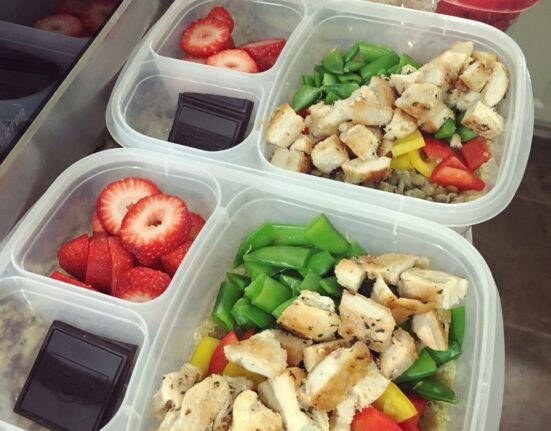
Monday: Pre-grilled chicken, add in pre-chopped vegetables and toss with premade sauce. Dinner in 10 minutes.
Tuesday: Mix pre-cooked ground turkey with taco seasoning, serve with a salad from your prepped container. Dinner in 12 minutes.
Wednesday: Combine pre-prepped vegetables and pre-cooked quinoa in a bowl. Garnish with pre-boiled eggs and dressing. Dinner in 8 minutes.
You’re eating wholesome, home-cooked meals without the nightly time investment.
It’s the secret busy families have for eating well while avoiding burnout.
Habit #4: The Flexible Framework Formula
Rigid meal plans fail. Life doesn’t adhere to rigid plans.
Your kid gets sick. You work late. Practice runs over. The chicken you had scheduled to eat on Tuesday goes bad.
When your plan falls through, you order takeout. The guilt kicks in. You abandon healthy eating altogether.
A better way: the flexible framework formula.
What Makes It Different
Instead of planning specific meals for exact days, you sketch out a framework with built-in flexibility.
Rigid planning: “Monday is chicken stir-fry. Tuesday is fish tacos. Wednesday is pasta.”
Flexible framework: “This week we’ve got three 20-minute meals, two slow cooker dishes and one night of leftovers. We will use whichever works on any given day.”
See the difference? You still have a plan. But you aren’t committed to specific days.
Building Your Framework
Begin with categories of meals, not individual recipes.
Create these categories:
- Quick meals (20 minutes or less)
- Moderate meals (30-45 minutes)
- Slow cooker/instant pot meals
- Leftover nights
- Backup plan (frozen dinner or acceptable takeout)
Sample weekly framework:
- 2 quick meals for busy nights
- 2 moderate meals for normal days
- 1 slow cooker dinner for crazy days
- 1 leftover night
- 1 flexible night (go with whatever sounds good)
Buy all of these meals on your grocery day. You have everything you need. You simply choose each morning (or the night before) which category applies to that day’s schedule.
The Swap System
Life changes fast. Your framework should accommodate it.
Wednesday’s soccer practice gets cancelled? Exchange that quick meal for Thursday’s moderate meal.
Feeling tired on Tuesday? Pull out that slow cooker meal you had scheduled for Thursday.
This flexibility is what keeps us from slipping into all-or-nothing thinking that can doom healthy eating habits.
Emergency Options You Always Have Ready
Here’s what to keep in your freezer and pantry:
- One frozen soup or chili
- Frozen vegetables and pre-cooked rice
- Pasta and marinara sauce
- Eggs (always eggs)
- Canned beans and salsa for quick burrito bowls
These aren’t failures. They’re smart insurance against the moment when your plan is upended and you end up ordering greasy takeout instead.
For more comprehensive strategies on healthy meal planning for families, explore additional resources that can help you build sustainable eating habits.
Habit #5: The Family Involvement System
The biggest mistake parents make? Trying to do everything themselves.
Planning, shopping, prepping, cooking, serving and cleaning. While working full time and taking care of a house.
That’s not sustainable. That’s a recipe for burnout.
Healthy meal planning for families that works includes the entire family. Everyone contributes. Everyone benefits.
Age-Appropriate Responsibilities
Three-year-olds can assist in the kitchen. Teens should be making complete meals.
Ages 3-5:
- Washing vegetables
- Tearing lettuce for salads
- Stirring ingredients in bowls
- Setting the table
- Simple cleanup tasks
Ages 6-9:
- Measuring ingredients
- Mixing batters
- Arranging food on plates
- Helping with grocery shopping
- Putting away groceries
Ages 10-12:
- Reading and following simple recipes
- Chopping soft vegetables (with supervision)
- Making sandwiches and simple breakfast
- Packing their own lunches
- Loading/unloading the dishwasher
Ages 13+:
- Cooking complete meals (with guidance initially)
- Planning their chosen weekly meal
- Making the grocery list for their meal
- Researching new recipes
- Teaching younger siblings
Parents:
- Teaching and supervising
- Handling dangerous tasks (sharp knives, hot stoves for younger kids)
- Being patient when mistakes happen
- Actually letting go of control
The Weekly Rotation System
This is how you can implement family involvement without chaos:
Each family member gets responsibilities:
- One meal choice per week
- One cooking night per month (if age appropriate)
- Daily tasks (setting and clearing the table, etc.)
Make a straightforward chart and tape it to your fridge. Everyone knows their role. No daily arguments.
Sample family responsibility chart:
| Family Member | Weekly Meal Choice | Cooking Responsibility | Daily Task |
|---|---|---|---|
| Dad | Wednesday dinner | Sunday meal prep | Breakfast prep |
| Mom | Friday dinner | Tuesday cooking | Dinner cooking (3 nights) |
| Teen (15) | Saturday dinner | Saturday cooking | Dishes/cleanup |
| Child (10) | Monday dinner | Help on weekends | Set table |
| Child (6) | Pizza night | Wash vegetables | Clear table |
The Learning Opportunity
Getting the little ones in on the act of healthy meal planning teaches them life skills they can use forever:
- Nutrition knowledge
- Budget awareness
- Planning and organization
- Following instructions
- Kitchen safety
- Independence and confidence
These lessons are even more important than perfect meals.
Your 15-year-old could burn the chicken. Your 8-year-old may scatter flour all over the place. That’s okay. That’s learning.
The goal isn’t perfection. The goal is building habits that last.
Putting It All Together: Your Action Plan
These five habits work together. They reinforce each other. They make planning healthy meals for families feel like second nature, not a fight.
Here’s how to start:
This week:
- Plan your first Sunday strategy session
- Find a vegetable-first meal to experiment with
- Complete one batch prep power hour
- Create your flexible framework for next week
- Delegate one task to every member of the family
Do not try to execute everything perfectly right away. Choose the habit that sounds best to you. Master it. Then add another.
Month one: Focus on habit #1 (strategy session)
Month two: Add habit #2 (vegetable-first thinking)
Month three: Implement habit #3 (batch prep)
Month four: Build your flexible framework (habit #4)
Month five: Fully integrate family involvement (habit #5)
By 5 months these behaviors are automatic. You don’t think about them. You just do them.
The Real Benefits You’ll Experience
Healthy family meal planning is about more than just food. It changes your entire family dynamic.
What families say after getting into these habits:
- Less stress around dinnertime
- Much lower grocery bills ($150-300 saved monthly)
- Improved health markers (weight, energy, mood)
- More family time together
- Kids who actually eat vegetables
- Reduced guilt and food-related anxiety
- Enhanced cooking skills for all family members
- Less food waste
One mother said: “I used to dread 5 PM every day. Now for the first time ever, I look forward to dinner. My kids help. We talk. We laugh. It has turned into our favorite time together.”
That’s the real power of these habits.
Frequently Asked Questions
What if my family hates vegetables?
Start extremely small. Incorporate one new vegetable each week. Don’t force it. Serve it with foods they already enjoy. Make them more attractive with dips, cheese or seasonings. Keep offering without pressure. Research indicates children need to be exposed to a new food 10-15 times before accepting it.
How do I deal with picky eaters when planning healthy meals?
Include at least one food the picky eater likes in every meal. Do not prepare separate meals, but have simple additions ready (bread, plain rice, raw vegetables). Continue to offer new foods without a fight. Get them cooking — kids eat what they make.
What if I don’t have time for Sunday meal planning?
Twenty minutes is all you need. Do it as your coffee is brewing. Do it while your child is having screen time. Schedule it like an appointment. The time you spend planning saves you hours each week. It’s worth protecting this time.
Can healthy meal planning work on a tight budget?
Absolutely. Healthy meal planning for families is frequently less expensive than going out to eat or shopping on impulse. Focus on affordable proteins (beans, eggs, ground turkey), in-season vegetables and whole grains purchased in bulk. Plan meals around sales. Batch cooking reduces waste.
According to ChooseMyPlate.gov, planning meals in advance is one of the most effective strategies for eating healthy on a budget.
How can I get my partner on board with meal planning?
Start small and show results. Handle the planning yourself initially. As they witness less stress and better meals, they will naturally want to join in. Give them one specific task to start. Share the benefits you’re experiencing. Lead by example.
Should I plan breakfasts and lunches too?
Start with dinner only. Once it’s easy, add lunch planning. Most families keep breakfast simple with rotating staples: oatmeal, eggs, yogurt parfaits, smoothies and whole grain toast. Consistency makes morning easier.
Your First Step Starts Now
There you have it, five powerful habits for healthy meal planning for families. You understand why they work and how to implement them.
Knowledge without action changes nothing.
So here’s your challenge: Choose ONE habit. Just one. Implement it this week.
Maybe you schedule your first Sunday strategy session.
Perhaps you try one vegetable-first meal.
Maybe you complete your first batch prep power hour.
Perhaps you build a flexible framework.
Maybe you assign one kitchen task to each family member.
Just pick one. Start there. Build momentum.
These habits compound. Small consistent actions over time lead to massive results.
Six months from now, you could find yourself ordering takeout four times a week, feeling guilty and fighting with your family about food.
Or you could have a system that works. Healthy meals your family will actually eat. Less stress. More time. Better health.
The difference? Beginning today with just one small habit.
Your family’s health matters. Your time matters. Your peace of mind matters.
These five habits protect all three.
Start now. Your future self will thank you.