
Step 1: Plan Your Weekly Schedule Out First
Before you even consider any recipes or shopping lists, get hold of your family calendar. This is the key to meal planning for families that works.
Now examine each day of the week ahead. What activities are scheduled? When does Emma have ballet? Is there a late baseball game for Jake on Wednesday? Will you be working late this Thursday?
Life needs to fit your meal plan, not the other way around.
Identify Your Busy Days
Circle the days that look totally impossible. These are your “quick meal” days. Surely, you’ll need some recipes that are 30 minutes or less, or main dishes you can make for a smaller crowd in the slow cooker.
On Mondays, you may have the PTA meeting. That’s a crockpot day. Thursdays could be wide open, with everybody at home by 6. That is when you experiment with a new recipe, or prepare more involved dish.
Pairing Meals to Energy Levels
Be honest about your energy. If you know that you’re wiped out on Fridays from meetings after meetings, don’t plan a three-course dinner with lots of labor. That is a breakfast for dinner night, that is a straightforward pasta dish.
Sunday nights tend to be more relaxed. A number of families use this time to prep food or cook a bigger batch of something that’ll last them.
Create a Basic Weekly Framewor
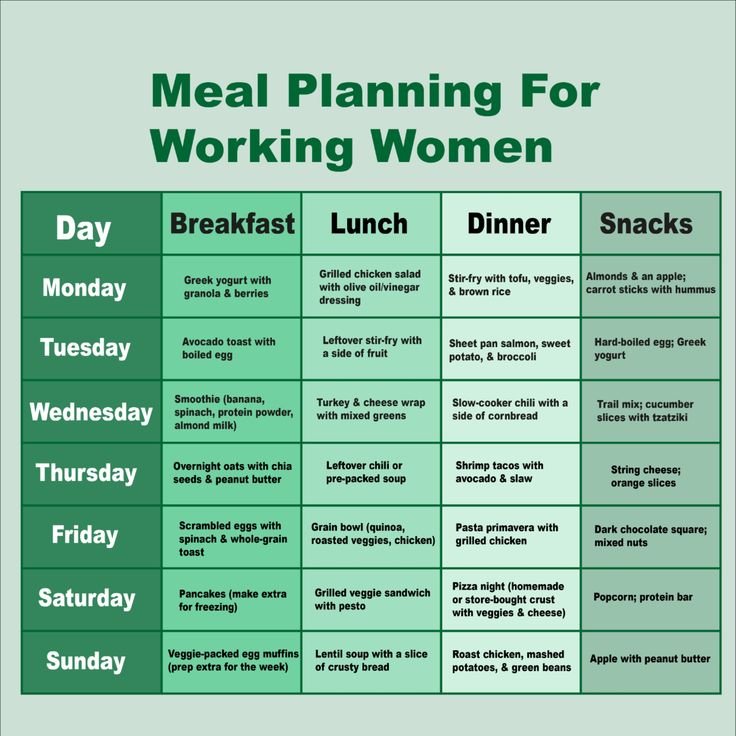
Here’s a basic structure that’s common in many families:
Monday: Slow cooker recipe – prep in the morning, ready at dinner
Tuesday: One-pot pasta or stir-fry which leads to quick cleanup
Wednesday: Leftovers with a twist – take Sunday’s roast and make tacos
Thursday: Sheet pan meal where everything will cook together
Friday: Either an easy family favorite or out for takeout
Saturday: Grilling out or something new for whole family
Sunday: Bigger meal that has been planned with leftovers
This isn’t a strict rule. It’s a template you can tweak at the beginning point. The trick is having a loose framework so you’re not starting from zero each week.
Build in Flexibility
Life happens. Kids get sick. You get stuck at work. Your teen asks that you make cupcakes for school tomorrow.
And never stop stocking your pantry and freezer with a few emergency meals. Frozen pizza, pasta with jarred sauce and breakfast foods are great for when plans inevitably go south.
Step 2: How to Build Your Family Recipe Collection
You don’t need 500 recipes. You want 15-20 go-to meals that your family will actually eat. That’s it.
Quit bookmarking random recipes on Instagram that you’ll never make. Instead, concentrate on establishing a basic “winning” collection that you can rely on.
Start With What Already Works
List ten dinners that your family already likes. Don’t overthink this. Simple stuff like spaghetti and meatballs, tacos, grilled cheese and soup or chicken and rice.
These are your anchor meals. All of these you can rotate through and no one will complain.
Add New Recipes Slowly
Attempt no more than one new recipe a week. This makes dinnertime fun without overburdening you or prompting mealtime showdowns with finicky children.
If you find one that works for you, keep it on hand. If it doesn’t, let go and move on with no regrets.
Organize Your Recipes by Type
Group your recipes into categories:
- 30-minute meals
- Slow cooker recipes
- Make-ahead and freeze options
- Kid-approved classics
- One-pot wonders
- Sheet pan dinners
When you’re mapping out your week, you can easily snatch a recipe from the right category for your calendar.
Develop Digital or Physical Platforms
Some parents live for recipe apps or Pinterest boards. Some prefer a plain old 3-ring binder full of printed recipes. Use whatever system you will actually keep up.
You’ll want to move your go-to recipes into one spot where you can see them easily as you plan the week. For more resources and strategies, check out this comprehensive guide to meal planning for families.
Mine Your Family’s Favorites
Question your offspring and the other adults who live in that house about what they’re craving. You might be surprised. Perhaps your daughter loves that chicken stir-fry you cooked six months ago and doesn’t even remember.
Keep a running list on your fridge with markers for family members to add to when hungry. Refer to this list as you make your plans for the week.
Step 3: Get a Grip on the Strategic Shopping List
A strong shopping list is your meal planning for family’s secret weapon. It saves time, money and those annoying mid-week shopping trips when you realize you’ve forgotten something.
Shop Your Kitchen First
Find out what you already have right now before writing anything just yet. Peek inside your pantry, refrigerator and freezer.
You might find some chicken breasts forgotten in the freezer or a can of tomatoes at the back of the pantry. You’ll save a lot of money by creating meals with stuff you already own.
Sort Your List by How the Store Is Laid Out
Do not randomly write out your grocery list. Organize items by where they’re situated in your store:
- Produce
- Meat and seafood
- Dairy and eggs
- Frozen foods
- Pantry staples
- Bread and bakery
This organization gets you in and out quickly, with less zigzagging around the store three times.
Plan for Ingredient Overlap
A cunning meal plan shares common ingredients across several meals. This approach cuts down on waste and makes shopping easier.
If you’re purchasing cilantro for Tuesday night tacos, try to work in a Thai-inspired dish using cilantro later in the week on Thursday. Buying rotisserie chicken? Use it three ways through the week.
Here’s an example week demonstrating the overlap in ingredients:
| Day | Meal | Shared Ingredients |
|---|---|---|
| Monday | Chicken Stir-Fry | Bell peppers, chicken, rice |
| Tuesday | Fajita Night | Bell peppers, chicken |
| Wednesday | Chicken Fried Rice | Chicken, rice, leftover vegetables |
| Thursday | Veggie Pasta | Bell peppers (different color) |
Include Breakfast and Lunch Items
Don’t forget about other meals. If you’re already at the store, get breakfast and lunch stuff too.
Make sure you have easy breakfast items like yogurt, fruit, granola bars and eggs ready to go. Sandwich supplies, crackers, cheese sticks and pre-cut vegetables are also lunch-friendly ideas.
Keep a Running Pantry List
Slap a notepad on your fridge or pantry door. When you use the final one of something, jot it down immediately.
This routine helps avoid those annoying times when you’re all set to cook and realize you are out of either olive oil or pasta.
Step 4: Prepare Smart to Steal Time Back Every Day
The solution to stress-free weeknight dinners is not cooking faster. It’s putting in some work when you have room to breathe.
Meal prep does not have to be cooking all Sunday. Thirty to 60 minutes of smart preparation will make weeknights a breeze.
Choose Your Prep Day
Most families prep on Sundays, but find a day that works for you and your schedule. Some parents are more partial to Saturday mornings, or even breaking up prep into two shorter sessions.
The key is consistency. Regularly do it, like you must launder your clothes.
Focus on High-Impact Prep Tasks
You don’t have to prep everything. Focus on the highest time-saving tasks:
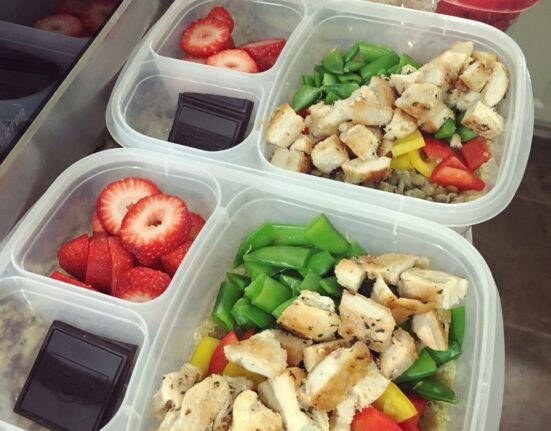
Wash vegetables and chop: Cut up onions, peppers, carrots and celery in advance. Keep it in containers or bags. When recipes demand chopped veggies, you can just grab and go.
Cook protein in bulk: Grill multiple chicken breasts, brown two pounds of ground beef or broil a side of salmon. These proteins can be utilized in several meals during the week.
Prep breakfasts: Prepare a few days’ worth of muffins or some overnight oats, egg muffins. There’s also something to be said about how much smoother mornings run when breakfasts are ready.
Cook grains and beans: Now is the time to cook a big pot of rice, quinoa or pasta. Cook dried beans. These staples reheat beautifully and expedite the process of getting dinner together.
Use the Two-for-One Cooking Method
Cook extra just as you cook dinner, double or triple up. This automatically leaves you leftover for lunches or subsequent dinners.
Roasting a whole chicken? Make two. The second one gives you pulled chicken for tacos, soup or sandwiches the rest of the week.
Browning ground beef? Get two pounds, instead of one. Freeze half of the sauce for next week’s spaghetti.
Prep Your Slow Cooker Meals
On prep day, stuff gallon-size freezer bags with all the ingredients for slow cooker meals. Label them with cooking instructions.
In the morning, pour the frozen block into your slow cooker, switch it on and leave. Dinner makes itself, and you do everything else.
Set Up Snack Stations
Slice fruit, portion out crackers and cheese, or prepare veggie sticks with hummus. Keep these in see-through containers at child level in the fridge.
So when your kids work the kitchen after school, they’ll reach for these healthy options because they’re easy and accessible.
Step 5: Get Your Family And Flexibility Involved
For families, meal planning works best if everyone participates. You deserve better than to bear this burden alone.
Assign Age-Appropriate Tasks

Even young kids can help. Toddlers can tear up the lettuce for salad. Elementary school-age children can measure, stir or even set the table. Whole simple recipes can be tackled by teenagers.
Children are less likely to whine at a meal they helped prepare. They have a sense of ownership and pride in what they have created.
Create Theme Nights
Theme nights take the guesswork out of what to make. They can also give children something to look forward to.
Popular family theme nights include:
- Taco Tuesday
- Meatless Monday
- Pasta Night
- Breakfast for Dinner Friday
- Pizza Weekend
- Slow Cooker Sunday
Kids know what’s ahead, which cuts down on the “What’s for dinner?” questions. You have a template for how to lay out that week’s variation.
Hold Weekly Family Meetings
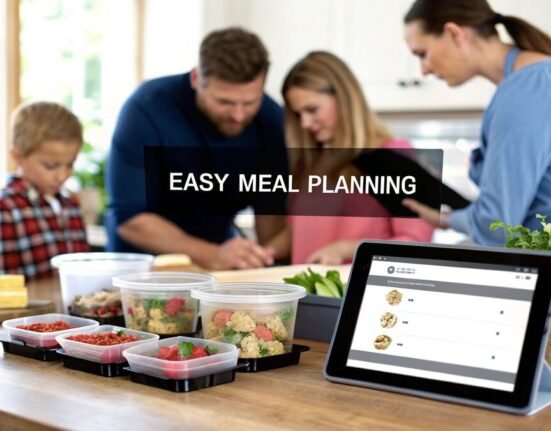
Devote 10 minutes a week to a discussion of the upcoming schedule and meals. Let everyone suggest dinner ideas.
It’s the time when you grab your calendars and look at them together, check out each other’s busy nights and decide on what to cook for dinner for the week. Children see that when they hold preferences that matter to you, they are heard.
Build Your Backup Plans
Life throws curveballs, even with perfect planning. Have these backups ready:
Pantry meals: Have 2-3 full meals’ worth of ingredients in your pantry. Examples: jarred sauce on pasta, quesadillas, fried rice.
Freezer meals: Keep three to four homemade or store-bought frozen meals in the freezer that you can easily reheat.
The emergency list: Write out 5 ultra-simple foods you can make using basics you always have on hand. Post this on your fridge.
Embrace Imperfection
There will be weeks when everything you planned to eat went perfectly. In other weeks, you will have cereal for dinner on Wednesday and two pizzas delivered.
That’s okay. You’re not failing. You’re being human.
The goal isn’t perfection. The idea is to end up with more good meals and fewer daily stresses. I’ll even say if you are following your meal plan 70% of the time it is radically changing your life.
Monitor What’s Effective and What Isn’t
Take notes on what planning was like for your meals. Which recipes were hits? What did you do that ended up saving the most time? When did your strategy unravel? And why?
This reflection helps you continuously improve your system. In a couple of months, it will be meal planning that’s just right for your family.
How to Make Meal Planning Work for Your Family
This five step process is a simplified approach to meal planning for families. But remember, your system exists to serve you, not enslave you.
Start small. Perhaps you only plan three dinners this week instead of seven. Perhaps you prep vegetables, but not full meals. That’s progress.
As you get your legs under you, you will automatically broaden what works for your family. You’ll discover shortcuts. You’ll find favorite recipes. The whole ordeal just gets simpler and quicker.
The benefits compound over time. You’ll save money because you won’t be ordering takeout and wasting food. You will eat more healthfully simply because you are being mindful. You will be less stressed because dinnertime is solved.
Perhaps most importantly, you’ll make more time for the stuff that counts — actually enjoying those meals together, rather than agonizing about what to cook.
Your family deserves nutritious meals. You deserve peace of mind. The good news is that with your five super-steps, you can have both.
According to the USDA’s MyPlate guidelines, planning balanced family meals helps ensure everyone gets the nutrients they need while making healthy eating easier and more sustainable.
Frequently Asked Questions
Just how long does meal planning take, anyway?
The majority of parents reported budgeting 30-45 minutes to plan their week and create a shopping list. Account for additional 30–60 minutes devoted to basic meal prep on top of that. That is about 90 minutes, all told, and worth hours you’ll save in busy weeknight rush.
What if my children are really picky eaters?
Add at least one thing to each meal that you know your picky eater will eat. If the main dish is a nonstarter for them, make sure they eat plenty of sides. Get kids involved in planning (and prepping) — they won’t feel so resistant to the foods if they helped make it. Don’t force it; palates expand over time with repeated exposure.
How do I organize meals when everyone in my family has a different schedule?
Consider meals that can be eaten at any time of day. Slow cooker meals stay warm. Taco bars or pasta stations allow anyone to eat whenever they get home. Cook the components individually for design-it-yourself plates tailored to your guests’ dietary preferences.
Do I have to cook separate meals for my toddler and my older children?
Not usually, no. Preparing separate meals is a lot of extra work and can create picky eaters. One family meal with 2-3 food groups. Something is there for everyone on the table. Deconstructed meals are great — put out taco fixings and let children build their own.
How can I plan my meals on a very tight budget?
Organize meals around what is on sale that week. Choose affordable sources of protein made up of eggs, beans and chicken thighs. Cook meat-free meals two times a week. Dilute the cost of expensive items with rice, pasta or potatoes. Go shopping in your pantry first and cook based on what you have.
What if I don’t have time to meal prep on the weekends?
Do micro-prep sessions instead. 15 minutes of food prep while you wait for dinner to come together. Prepare at least one dish per day in advance for the next night. Make double dinners for intentional leftovers. Even tiny prep steps turn into big time savers.
What is your approach to meal planning on holidays or weeks when people are off, such as vacations?
Strip away your plan in chaos. Choose only super easy meals. Order takeout guilt-free. Make use of convenience items, such as pre-cut vegetables or rotisserie chicken. The goal when it’s a bit mad is simply survival, not perfection. Get back on that meal planning wagon, once life has returned to normal.
If I don’t like cooking, can I plan my meals anyway?
Absolutely. Opt for 5-7 ingredient and no fuss, simple recipes. Make use of kitchen appliances that do the cooking for you (slow cookers, Instant Pots, air fryers). Pre-assembly, not from scratch. Don’t be afraid to go the semi-homemade route with good convenience products.