
And Spend Your Life Out of the Kitchen
You love your family. But you’re not infatuated with the notion of spending three hours every damn day deciding what to eat, sourcing ingredients and preparing meals.
Parents spend an average of 13 hours per week on meal tasks. That’s almost two full workdays just for planning, shopping, cooking and cleaning up after meals. Now imagine getting half of that time back to do something you actually like.
Weekly meal planning is not only about organizing the way you eat. It’s a matter of your time and sanity, really.
That all changes when you set meals for seven days at a time. You shop once instead of five. You prepare an ingredient once instead of seven different times. You put an end to 5 PM panics of “what am I going to feed the family?” You cut out those expensive last-minute carry-out orders when you’re too wiped to figure it out.
On average, families save over 5-7 hours per week using strategic weekly preparation. That’s time you could spend on helping with homework, walks, reading or just unwinding after work.
This article brings you five proven tactics that busy families rely on to make meal planning a rapid, manageable weekly task (instead of a daily chore). These are not theoretic tips from people who write about cooking without doing much of it. These are the useful strategies that actual parents employ to feed their families well without spending all of our time in the kitchen.
The Sunday Power Hour That Changes Your Whole Week
One good hour of cooking on Sunday afternoon and meal stress is vaporized for the coming week. I don’t mean cooking all of this week’s meals in advance. It’s about making smart choices and preparations that will save you hours on busy weekdays.
For most families, Sunday makes a good time as it precedes the start of the work week. But your “power hour” can be any day that suits your schedule. Saturday morning, Friday night or maybe even Monday if that’s more your speed.
What Happens During the Power Hour
Set a timer for 60 minutes. In this hour, you will take care of three important things that will transform your week.
Task 1: Plan Your Seven Dinners (15 minutes)
Reach for a piece of paper or your phone, and open a note. List seven ideas for dinner for the week ahead. Don’t overthink this. Simple meals count. Breakfast for dinner counts. Leftovers count as a meal.
First: Check the family calendar. Prepare 20-minute meals for nights when there’s soccer practice or a late meeting. On more relaxed evenings you can plan something that takes a bit longer.
Combine favorite standbys with perhaps one new recipe if it’s time to live dangerously. Your kids will eat spaghetti once more. It’s fine.
Task 2: Write Your Shopping List (20 minutes)
Jot down every ingredient you need for each planned meal. Next, walk through your kitchen and check off what you already have.
Sort your list by store section: produce, meat, dairy, pantry. It saves 10-15 minutes off the actual shopping time, as you’re not zigzagging through the store.
Include breakfast, lunch and snack items on your list as well. If you schedule dinners but forget sandwich bread, you’re heading to the store mid-week anyway.
Task 3: Strategic Prep Work (25 minutes)
You’re not really preparing full meals at this point. You are performing small duties that will expedite the process on a weeknight when you haven’t got time to cook:
- Pre-wash some vegetables for the week
- Marinate tomorrow’s and Wednesday’s meat
- Make a big batch of rice or quinoa
- Hard boil eggs for easy breakfasts and quick meals throughout the week
- Prepare overnight oats for no-fuss mornings
- Cube fruit for the kids’ lunches
Even 25 minutes of prep removes dozens of tiny chores from your week. By the time dinner rolls around, half of the work has already been done.
Why Sunday Is Way Better Than Daily Planning
If you don’t plan, that means seven separate decisions, or you’ll always be realizing that you lack one ingredient. Every day, you expend mental energy trying to puzzle meals together.
If you plan out week by week, you only have to think about food one time per week, shop one time per week, and prep everything once. The rest of the week is on autopilot.
Your Sunday self is doing your tired Wednesday self, who just finished a day’s work and has no energy left for decision-making, a big favor.
The Secret to Not Being Overwhelmed on Busy Weeknights? Batch Cooking
Batch cooking is the practice of preparing large quantities of food at one time and then using it all sorts of ways in the days to follow. This one strategy saves more time than any other method of meal planning.
You’re not eating the same meal seven times over. You’re cooking a few base ingredients once, to transform into more than one dinner.
The Three Base Ingredients That Fuel a Week
Protein Base: Sunday is a cook day. Prepare 3-4 pounds of protein so that most of it can be utilized right away for salads, tacos, etc. and anything left over will provide an easy start-up for meals throughout the week.
- Roast a whole chicken or four bone-in, skin-on breasts
- Grill 2 pounds chicken thighs and 2 pounds steak
- Cook a large pot of beans
- Brown 3 pounds of ground beef or turkey
Save these proteins in the fridge. They form the basis for many meals.
One roasted chicken becomes: chicken tacos on Monday, chicken salad sandwiches Tuesday, chicken stir-fry Wednesday and perhaps chicken soup Thursday. Four distinct meals from one cooking session.
Grain Base: Cook a whole boatload of grains.
Rice, quinoa, pasta or barley all taste great reheated. Cook a ton more than you need for one meal.
Use grains in: burrito bowls, fried rice, grain salads, sides, soups, stuffed peppers and breakfast bowls.
Vegetable Base: Roast sheet pans of mixed vegetables.
Chop bell peppers, onions, zucchini, broccoli and carrots. Sprinkle with olive oil and roast at 425°F for 25 minutes.
These roasted vegetables are good in: pasta, grain bowls, omelets, quesadillas, soup, salad and as a side dish.
The Weekly Batch Cooking Schedule
Here is what batch cooking really looks like in real life:
| Day | Batch Cooking Task | Time Required |
|---|---|---|
| Sunday | Cook all proteins, grains, roast vegetables | 90 minutes |
| Monday | Use Sunday’s chicken to make tacos | 10 minutes |
| Tuesday | Make fried rice with Sunday’s rice and vegetables | 15 minutes |
| Wednesday | Use ground beef and veggies from Sunday to create pasta | 12 minutes |
| Thursday | Build burrito bowls using beans and rice from Sunday | 8 minutes |
| Friday | Make stir-fry with remaining chicken/produce | 15 minutes |
Total weekly cooking time: Approximately 2.5 hours, instead of the usual more than 7 hours.
Smart Storage for Batch Cooking

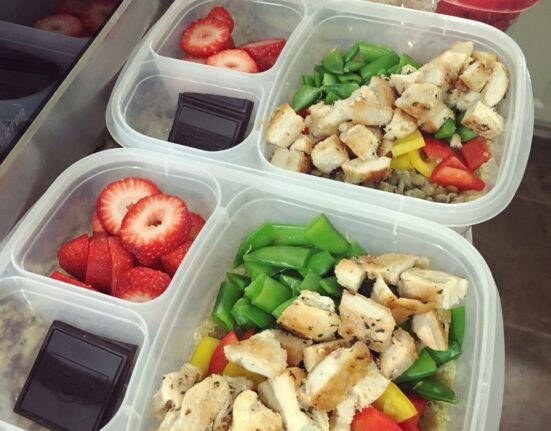
Invest in good storage containers. Clear containers allow you to see their contents. Stackable containers save refrigerator space.
Date everything that you cook. Cooked proteins stay fresh for 3-4 days if kept in the fridge. Freeze anything you won’t use within a week.
Divide by meal-sized portions before you freeze. If you cooked rice for four people, use containers that each hold exactly one of those amounts. This process removes waste as well as facilitates assembly.
Theme Nights: The Structure That Banishes Decision Fatigue
Decision fatigue is real. For every decision that you make in the course of a day, you’re using up mental energy. By dinnertime, the thought of figuring out what to eat feels overwhelming.
Theme nights take the choice away completely. You’re still presented with variety, but predictable and thoughtless.
Setting Up Your Weekly Themes
Designate a kind of food or style of preparation to each day of the week. Inside that theme, you can alter your exact recipe every which way.
Sample Theme Schedule:
- Monday: Slow Cooker/Instant Pot Night
- Tuesday: Taco/Mexican Tuesday
- Wednesday: Pasta Night
- Thursday: Bowl Night (any grain, burrito or poke bowl)
- Friday: Pizza/Takeout Night
- Saturday: Grilled or Dad’s Pick
- Sunday: Big Batch Cooking Night
See how these themes tie in with family meal planning weekly time-saving tips. You’re not choosing what kind of food to cook. You’re just choosing how to cook Monday’s theme this week.
How Themes Speed Up Planning
When you sit down for your Sunday power hour, themes give you instant direction. It’s Tuesday? Think Mexican food. What are you craving for Mexican food this week? Tacos? Enchiladas? Burrito bowls? Quesadillas?
You’re selecting from four — not literally thousands — of possible meals. This accelerates planning from 30 minutes to 10.
Kids love the predictability too. They are aware that Friday is pizza night. They can begin to anticipate it. This cuts the “what’s for supper?” queries they ask every day.
Flexible Themes for Picky Families
If your family members have never met a taco that they liked, then alter the whole theme. The power is not in any given theme. The power is in the framework.
Alternative theme ideas:
- Soup and sandwich night
- Breakfast for dinner
- One-pan meals
- Asian-inspired night
- Leftovers remix night
- Kids’ choice night
- Sandwich/wrap night
Start with seven themes that your family actually likes. Don’t shoehorn themes around foods your kids won’t eat. Stress reduction, not dinnertime battle is the goal.
Theme Nights and Grocery Shopping
Themes make shopping faster too. You know you need pasta ingredients for Wednesday and taco ingredients for Tuesday. You might even maintain a master shopping list for each theme.
Type all standard ingredients into a note on your phone titled: “Taco Tuesday Shopping List.” Every week, just check what is running low rather than creating a new list from scratch.
This structured method of shopping list for meal planning for families makes the entire task easily manageable, and reduces time spent in stores by 50%.
The Prep-Ahead Trick That Makes Weeknights Feel Effortless
What separates a 45-minute dinner from a 15-minute one is generally work done ahead. While it doesn’t take all that long, chopping vegetables, measuring spices and marinating meat does take time.
Do these in advance and preparing weeknight meals is an assembly job, not a cook-from-scratch job.
The Two Types of Meal Prep
Type 1: Ingredient Prep
This involves doing prep work on raw ingredients so they’re ready to be cooked:
- Wash and chop all of the veggies for the week you’re going to be using
- Portion meat into meal-sized amounts
- Measure dry ingredients for recipes
- Make marinades and sauces
- Shred cheese
- Wash and portion fruit
Doing 30-45 minutes of ingredient prep on Sundays saves 10-15 minutes each night. That’s 50-75 minutes saved over the course of a week.
Type 2: Partial Cooking Prep
This means partly cooking components:
- Brown your ground beef and add any seasoning
- Bake chicken breasts
- Caramelize onions
- Make homemade tomato sauce
- Cook bacon
- Roast vegetables
Partial cooking is particularly useful for ingredients that show up in more than one dish. If three recipes on the docket this week call for browned ground beef, prepare all of it in a batch on Sunday.
Prep-Ahead Breakfast and Lunch Solutions
Dinner steals the spotlight, but planning for breakfast and lunch saves time as well.
Breakfast Prep Ideas:
- Egg muffins (bake 12 on Sunday, reheat all week)
- Overnight oats in individual jars
- Smoothie freezer packs (frozen, pre-portioned fruit and greens in bags)
- Batter for waffles or pancakes in the fridge
- Pre-cooked breakfast sausages or bacon
Lunch Prep Ideas:
- Salads in a jar (stack ingredients, lasts up to 5 days)
- Make 5 sandwiches all at once, wrap individually
- Packed lunchboxes the night before
- Cracker, cheese, fruit and veggie snack boxes
That’s another 30-45 minutes saved every single day when breakfast and lunch are taken care of. These minutes add up fast.
Storage Hacks for Prepped Ingredients
Keep chopped veggies fresh by storing them in containers with damp paper towels. The moisture prevents wilting.
Keep fresh herbs in the refrigerator the way you keep a bouquet of flowers: in a glass of water. They last twice as long.
Freeze things in portion sizes. Broths, sauces and marinades freeze nicely in ice cube trays. Pop out what you’ll need for each meal.
Label everything. Your Sunday self and Thursday self both know what that container holds.
Strategic Shopping: One Trip To Supermarket Feeds The Week
Your time-efficient grocery trips are ruined by multiple visits to the store. Each trip to the store is 30-60 minutes once you factor in driving, shopping and unloading.
One weekly shop replaces 3-5 smaller shops. That’s 2-4 hours saved.
The Master Shopping List Method
Keep an ongoing list on your refrigerator or phone of things you run out of over the course of the week. Once the milk is used up, add it to your list right away.
Put this running list together with the ingredients you know you need each week for meals planned that week every Sunday (or whenever you do your meal planning). This is your master shopping list.
Structure your master list so you can shop according to your store’s layout. Most stores have a similar layout: produce, meat, dairy, center aisles and frozen.
Once your list is in order, you make a pass through the store without doubling back. This saves 15-20 minutes at the store.
Shopping at the Right Time
If you can, try to go at off-peak times. Weekday mornings or late evening are often quieter. You won’t have to contend with crowds as you work your way down aisles.
If you are able to shop only at peak times, order your groceries online for pickup. A lot of stores have this for free or a small fee. You save the time of walking the store and you stay away from impulse buys.
Online ordering also allows you to save your weekly list. The following week, pull up last week’s order and tweak it to reflect the meal plan for this week. This speeds up list-making significantly.
The 80/20 Rule of Grocery Shopping
You have almost certainly purchased the same 20 percent of products 80 percent of the time. The average family cycles through around 15-20 staple meals.
Create a master list of your 30-40 most-purchased items. You’re just ticking off which ones you need each week, adding a couple of meal-specific items.
This removes the mental burden of remembering everything your family eats every day. The list remembers for you.
Stock Your Pantry Once, Shop Less Forever
A well-stocked pantry allows you to buy fresh items just once a week. These are the staples to keep in your pantry at all times:
Proteins: Canned beans, canned tuna, chicken broth, eggs
Grains: Rice, pasta, quinoa, oats
Canned goods: Tomatoes, tomato sauce, coconut milk and a variety of beans
Oils and vinegars: Olive oil, vegetable oil, balsamic vinegar, rice vinegar
Spices: Salt, pepper, garlic powder, onion powder, cumin, chili powder, Italian seasoning and cinnamon
Baking basics: Flour, sugar, baking powder, baking soda, vanilla
Sauces: Soy sauce, hot sauce, mustard, ketchup, mayo
With a well-stocked pantry, you can make dozens of delicious meals with just fresh produce and meat. In fact, one of the best ways to control costs — and trips to the grocery store — is by always having these basics on hand, according to this USDA guide on stocking a healthy pantry.
Only restock pantry items when they are running out, not every week. This way, your shopping list remains shorter and manageable.
Time-Saving Tools and Technology
The tools are all there to help you plan meals faster and easier. You don’t have to be in the market for costly gadgets, but a few key items will save you lots of time.
Kitchen Tools That Help Make Meals Faster
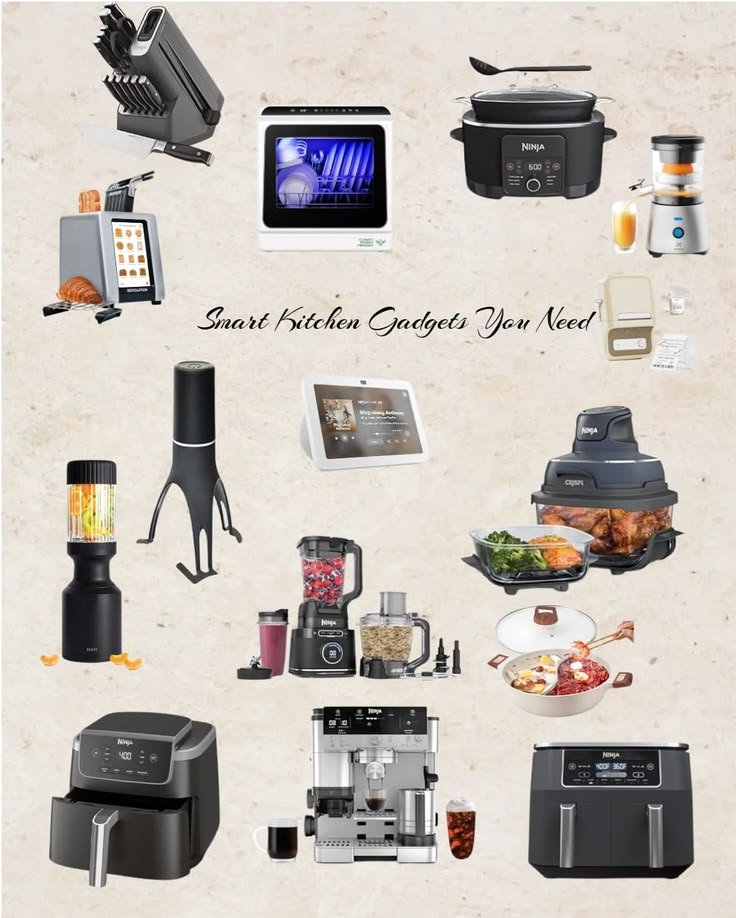
Food Processor: It chops vegetables in seconds instead of minutes. Perfect for preparing sauces, shredding cheese and chopping.
Crock Pot or Instant Pot: Dump everything in the morning, dinner is ready when you get home. They cook while you do something else.
Sheet Pans: A whole meal on one pan. Less prep, less cleanup. These sheet pan dinners clock in at only 30 minutes total.
Sharp Knives: Chopping is twice as hard and dangerous with a dull knife. Invest in good knives and keep them sharp.
Meal Prep Containers: Great containers that will keep food fresh longer and are stackable. Clear containers allow you to see what’s inside in an instant.
Apps and Digital Tools
Meal Planning Apps: Mealime, Plan to Eat, and Paprika keep track of recipes, generate shopping lists and let you know what’s cooking.
Grocery Store Apps: Most large chains have apps with digital coupons and shopping lists. Some display which aisle each item is in, making shopping faster.
Recipe Sites You Can Filter: Websites that allow you to filter by prep time, cooking method and what ingredients you already have make coming up with 20-minute meals easy.
The Family Calendar: Google Calendar, or other calendar apps where all family members can see one another’s activities. Prepare quick meals on busy nights, more time-consuming ones on free evenings.
Time-Saving Cooking Techniques
One-Pot Meals: The entire dinner is made in one pot or pan. Less for you to clean up, less time spent juggling multiple dishes.
Mise en Place: French for “everything in place.” Have all ingredients measured and ready before you begin cooking. This eliminates those midway-through-recipe store runs and enables cooking to be uninterrupted.
Double Recipes: Whenever you make soup, a casserole or sauce, double the recipe. Freeze half for another week. You’re cooking once but getting two dishes.
Pre-Made Shortcuts: There’s no shame in picking up pre-chopped vegetables, a rotisserie chicken or packaged pizza dough. The shortcuts are a little more expensive but save huge time.
Frequently Asked Questions
What is the actual amount of time that you spend on weekly meal planning once it’s become routine?
Once you’ve hit that level of being acquainted with the routine, most people spend 30-45 minutes on Sunday morning planning, making their list and doing a bit of prep work. Beginners will likely spend 60-90 minutes initially, with speed coming pretty rapidly. Compare that to 10-15 minutes each and every day to decide meals with daily planning—weekly is saving hours in total.
What if we have a last-minute schedule change during the week, and it causes the meal plan to go awry?
Build flexibility into your plan. Don’t pin a meal to the schedule so rigidly. Instead, plan seven meals for the week and decide each day which of the seven fits your schedule. Maintain an emergency frozen meal for real emergencies. Flexibility is key for meal planning success.
Is it possible to meal plan weekly for a family that has very picky eaters?
Yes, but adjust your approach. Organize meals around the 5-10 foods that your picky eater will eat. Offer at least one “safe” food with each meal. Don’t cook completely separate meals, but don’t force the eating either. In fact, weekly planning is helpful because you aren’t trying to come up with something acceptable every single night.
Do I have to meal prep on a Sunday or can I do it another day?
Pick a day that works with your family’s schedule. Saturday, Monday night or even Friday all work well. The key is consistency — choose just one day a week and stick with that. You can pick any day really, so long as it’s consistent.
How should I meal plan when family members have different schedules and eat at different times?
Prepare meals that will keep or reheat well. For staggered dinner times, slow-cooker meals, casseroles and grain bowls work really well. Prepare big batches so there’s food to eat when each person gets home. You can use the warming feature of your slow cooker or keep things in a low oven.
How do you involve kids in meal planning each week without it becoming a time suck?
Assign each child one day of the week to choose a meal as you plan. Set a timer for each child. They may page through a family cookbook or recommend favorites. This gives them some involvement without derailing the entire operation. Older children can assist in making a shopping list and Sunday prep as well.
Is it possible to meal plan on a weekly basis with a low budget?
Absolutely. Planning is a money saver: You waste less food and spend less on costly last-minute takeout. Base your food plan around sale items and seasonal produce. Inexpensive proteins are your best bet, such as beans, eggs and chicken thighs. Choose generic brands for pantry staples. Batch cooking stretches ingredients further.
Take Your Time Back Starting This Week
You don’t have to upend your entire life in order to save time with meal planning. Small changes create big results.
Begin with just one strategy from this article. Maybe it’s the power hour of Sunday. Maybe it’s establishing theme nights. Perhaps it’s just shopping once instead of three times.
Make that one change for two weeks. See how much time you’ve gained. Do you notice how much less stressful dinner time feels when you’re not scrambling to make last-minute decisions?
Once that initial change becomes a habit, add another strategy. Perhaps you now batch cook one protein on Sunday. Or you discover the joys of prepping vegetables ahead.
Develop your meal planning process slowly. Don’t try to be comprehensive right off the bat. That’s overwhelming and encourages us to throw up our hands in despair.
The goal is not bulletproof meal planning. You want to save hours of your life every week. Hours you might use playing with your kids, pursuing hobbies, exercising or relaxing.
Weekly time-saving tips for family meal planning work because they cut out the mundane, reduce decision fatigue, and form routines that become habits.
Your future self will be grateful for the time that you spend now organizing these systems. You’ll be able to set meal planning on autopilot next month. You’ll wonder how you ever managed to do it every day.
This Sunday, give it one hour. Plan seven meals. Make your shopping list. Do a little prep work.
See how that one hour can change your whole week.