Why You Can’t Sit Down For Family Dinner
The 5 PM panic, every parent knows it. You open the refrigerator door and gaze at a bunch of random ingredients and think: Now What? The kids are hungry. Everyone’s tired. But maybe that’s the only recourse: to get delivery.
This is occurring in millions of homes every night.
But the reality is that meal planning for families doesn’t need to be complex. With the right system, you can banish what’s-for-dinner stress forever.
This guide provides five solid tips that ACTUAL families use to plan a week’s worth of meals. These are time-savers, money savers and family gatherers at the dinner table.
Let’s get right to the best method for how busy families can do weekly planning.
Tactic #1: The Theme Night Approach
This tactic is so simple even my 5-year old gets it.
Themed nights make meal planning more of an entertaining pursuit than a chore. Rather than spend the morning of each day weighing what food to eat, you work thematically on weeknights.
How Theme Nights Work
Choose a theme to go with every day of the week. Your family knows, at all times, what type of food it’s getting. Planning becomes automatic.
Here’s a sample theme schedule:
| Day | Theme | Example Dishes |
|---|---|---|
| Monday | Pasta Night | Spaghetti, mac and cheese, lasagna |
| Tuesday | Taco Tuesday | Tacos, burritos, quesadillas |
| Wednesday | One-Pot Wonder | Stir-fry with pasta or rice casseroles and sheet pan dinners |
| Thursday | Breakfast for Dinner | Pancakes or eggs any style; french toast |
| Friday | Pizza Night | Homemade pizza flatbreads; store-bought single ones |
| Saturday | Grill or Slow Cooker | Grilled meats most times served open on buns or slow cooker meals |
| Sunday | Family Favorite | ‘Repeat’: Your favorite kids’ consensus recipes |
Why Theme Nights Simplify Everything
When Tuesday comes around, you aren’t burning mental calories deciding on a meal to prepare. It’s Taco Tuesday. You simply choose your taco variety.
Kids love the predictability. They have their favorite theme nights they get excited about. The younger children can even assist in deciding what type of pasta dish or pizza toppings to get.
Making Theme Nights Your Own
Your themes, too, should reflect what your family likes. If nobody likes pasta, don’t do Pasta Monday. Try these alternative themes instead:
- Soup and Sandwich Night
- Asian-Inspired Meals
- Comfort Food Night
- Meatless Monday
- Leftover Remix Night
The key is consistency. Don’t abandon your themes for at least a month. Your family will adjust and meal planning second nature.
Tactic #2: The Batch Cooking Power Plan
Batch cooking is, essentially, cooking in bulk. You cook a few meals at once, then store the portions in your fridge or freezer.
This plan is ideal for families looking for meals to cook at home, but not every day.
Your Weekend Prep Session
Block out 2-3 hours on Sunday (or whatever your day off is). When you zoom out, you can plan components that service multiple meals during the week.
What to Batch Cook
Focus on staples that show up in multiple recipes:
Proteins: 3-4 pounds of chicken breasts, ground beef or beans. Store in portions.
Grains: Cook up a big pot of rice, quinoa or pasta. These reheat perfectly.
Vegetables: Dice bell peppers, onions, carrots and celery. Oven-roast a sheet pan of mixed vegetables.
Sauces: Make marinara sauce, a batch of taco seasoning, or stir-fry sauce.
Sample Batch Cooking Schedule
| Time | Task | Get Results |
|---|---|---|
| 0-30 min | Start rice cooker, put chicken in oven | Hands-free cooking |
| 30-60 min | Chop vegetables, prep containers | Everything organized |
| 60-90 min | Cook ground beef, make sauce | Proteins ready |
| 90-120 min | Store everything, clean up | Week prepared |
Turning Batch Ingredients Into Meals
With the ingredients you prepped, dinner on weeknights takes 15 minutes:
Monday: Cooked chicken + roasted vegetables + rice = easy stir-fry
Tuesday: Ground beef + taco seasoning + chopped vegetables = tacos
Wednesday: Chicken + marinara + pasta = chicken parmesan
Thursday: Rice + vegetables + beans = burrito bowls
The cooking is already done. You’re just assembling meals.
Storage Tips for Success
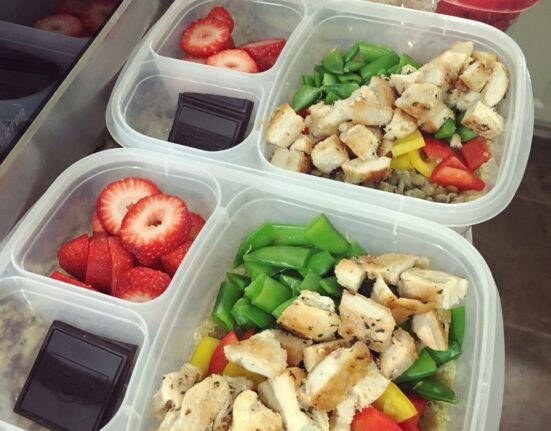
Opt for transparent containers, which will allow you to see the contents. Label everything with dates. Most cooked elements are good for 3 to 4 days in the refrigerator or 3 months in the freezer.
Separate raw from cooked. Place your heavy products in the back of shelves.
Tactic #3: The Easy-To-Plan Template System
Repeated meals are structured weekly by the template system. It might not be the same cuisine, but it’s the same routine.
Creating Your Meal Templates
Consider foods your family already eats. Notice the patterns. Which is to say, most family dinners fall into these basic templates:
Template 1: Meat + Veggie + Carb
- Grilled chicken, plus broccoli and rice
- Meatballs + green beans + mashed potatoes
- Fish + asparagus + quinoa
Template 2: Bowl Meals
- Taco bowls with different toppings
- Rice bowls with various proteins
- Noodle bowls with rotating vegetables
Template 3: One-Pan Meals
- Sheet pan chicken and vegetables
- Casseroles with different ingredients
- Skillet dinners
Template 4: Sandwich/Wrap Style
- Turkey wraps
- Pulled pork sandwiches
- Veggie quesadillas
How Templates Save Decision Energy
Rather than pondering “what should I make?” you think, rather mechanic-like, “which template should I use tonight?” Then you simply swap ingredients.
What was grilled chicken with late-summer broccoli and rice last week is baked salmon with green beans and couscous this week. Same template, completely different meal.
Building Your Weekly Template Schedule
Make a chart with your seven dinner templates. Switch up with a new combination of ingredients each week.
This method provides you with different options without the need to start over. Children get used to the meal structure, but are served new flavors.
Parents tell me that, if done properly, this will reduce meal planning time from 45 to 10 minutes per week.
Tactic #4: The Smart Shopping and Inventory System
Family meal planning falters if you end up with ingredients that go to waste. Or a recipe where you’re short one important ingredient for tonight’s dinner.
The solution is inventory management. Keep a grip on what you need and make shop-where-you-must decisions accordingly.
The Pantry Staples Foundation
Keep a couple of these on hand and you’ll always have something to eat:
Proteins: Canned tuna, beans, eggs, frozen chicken
Grains: Pasta, rice, oats, bread
Canned Goods: Tomatoes, coconut milk, broth, beans
Condiments: Olive oil, soy sauce, vinegar, hot sauce
Seasonings: Salt, pepper, garlic powder, cumin, Italian seasoning
Frozen Veggies, Fruit and Meat: Mixed veggies, berries, protein
These staples will help you make dozens of meals without a supermarket visit. For more strategies on keeping your pantry organized, visit Meal Planning for Families for additional resources.
The Shopping List System
Track with a running list on your fridge, phone or both. When you open the last box or bottle, add it right then.
Before you begin shopping, have a plan for what you’ll make during the week. Add any special ingredients needed.
Weekly Shopping Chart
| Category | Must-Buy Weekly | Buy As Needed |
|---|---|---|
| Fresh Produce | Salad greens, seasonal veggies | Herbs and specialty produce |
| Proteins | Chicken, ground meat | Fish, special cuts |
| Dairy | Milk, eggs, cheese | Yogurt, butter |
| Bakery | Bread | Tortillas, special items |
Shopping Day Strategy
Choose one day each week to do the bulk of your grocery shopping. Most families can manage a Sunday afternoon or Monday night.
Shop your pantry first. Use what’s on hand. Then buy only what’s missing.
This reduces grocery bills by roughly 20-30% for most households.
The Leftover Rotation Rule
Schedule one “leftover night” each week. This saves food waste and you a night of cooking.
Keep leftovers in clear containers at eye level in your fridge. Everyone can see what’s available.
Tactic #5: The Family Help Out Approach
Menu planning works better with group involvement. Children who participate in planning and cooking meals are more likely to eat without grumbling.
Age-Appropriate Planning Tasks

Ages 3-5: Two meal choices, help set the table
Ages 6-9: Choose a meal each week, assist with basic prep like washing vegetables
Ages 10-13: Organize a complete meal; follow basic recipes with some supervision
Age 14+: Prepare one family dinner per week on their own
The Weekly Planning Meeting
Have weekly 15-minute family-time sessions on weekends. Make it fun, not a chore.
Your Planning Meeting Agenda:
- Review the schedule for the week ahead (5 minutes)
- Know busy evenings when quick meals are a necessity (3 minutes)
- Everyone in the family picks one meal that they want (5 minutes)
- Finish planning and make the shopping list (2 minutes)
Making It Engaging for Kids
Make meal planning a game. Select a magnetic board or poster chart where children pin meal cards for the day.
Have children flip through cookbooks or cooking websites. They love choosing “their” recipe.
Present options instead of asking open-ended questions. Rather than what should we have for dinner this week, the question becomes should we have spaghetti or tacos on Tuesday.
The Cooking Together Benefit
Kids who cook with their parents learn life skills. They also have better relationships with food, experts say.
Give each child one night as the “sous chef.” They assist with age-appropriate tasks.
One meal a week, teenagers have full responsibility. This increases confidence while taking some of the workload away from the parents.
According to research from the American Heart Association, cooking at home leads to healthier eating habits and better family bonding.
Managing Picky Eaters
Involve picky eaters in planning. When kids select their own meal, they are more likely to eat it.
Use the “one safe food” rule. Every meal contains at least one thing the picky eater will eat.
Don’t make separate meals. Offer components instead. The family has tacos, and the picky eater gets to eat the plain meat and cheese.
Developing Your Own Meal Planning System
Now you know five ways to meal plan for the entire family. Now it is time to implement your customized system.
Week One: Start Simple
Don’t implement everything at once. Choose one approach that best speaks to your family.
If chaos at dinnertime is your biggest problem, start with theme nights. Batch cooking, if you hate to cook every day.
Building Your Planning Habit
Designate a certain time each week to meal plan. Sunday morning over coffee is good for many families. Saturday afternoon could work better for you.
Block this time on your calendar. Think of it as an important appointment.
Your Planning Checklist
□ Go over the family schedule for the week
□ Look at pantry and fridge to see what is on hand
□ Plan 5-7 dinners
□ Make shopping list
□ Assign cooking responsibilities
□ Prepare ahead whatever we can
Troubleshooting Common Problems
Problem: Plans have fallen through by Wednesday
Solution: Plan only 5 dinners. Leave 2 nights free for leftovers or easy meals.
Problem: Children won’t eat the meal you’ve planned
Solution: Be prepared with backup ingredients for faster options, such as pasta or sandwiches.
Problem: No time for fancy cooking
Solution: Focus on 20-minute meals. Rely on more convenience ingredients like pre-cut vegetables.
Measuring Your Success
Follow these changes for having meal planning in just one month:
- $ Saved in groceries and takeout
- Time saved on daily decision-making
- Reduced family dinner stress
- More variety in meals
- Less food waste
People save $200-400 a month and an extra 3-5 hours per week for families.
Frequently Asked Questions
How much time does it take to do a week’s worth of meal prepping?
Initial planning takes 30-45 minutes. After a few weeks, you’ll breeze through plans in 15-20 minutes. The time spent saves hours down the line.
What if my family is not on the same page with food?
Use the component approach. Prepare a base meal and customize as you go. Taco night allows everyone to make their own. New toppings and different sauces on pasta night.
Is it possible to meal plan on a tight budget?
Absolutely. Meal planning actually reduces costs. You purchase only what you need, have less wasted food and skip costly last-minute takeout. Focus on those affordable proteins like beans, eggs and chicken thighs.
What should I do when my schedule unexpectedly changes?
Build flexibility into your plan. Never plan meals specifically to go with specific days. Instead, plan a list of meals you’re going to work with on any given day. Always have backup freezer meals.
Do I need to plan breakfast and lunch as well?
Start with just dinners. When you’ve got the hang of that, add other meals. Many families tend to rotate the same breakfast options and pack similar, if not the same, lunches as well – meaning very little thought needs to (or can!) be put into these meals.
What if I can’t cook?
When you think of meals ahead, you transform yourself into a better cook. Start with simple recipes. With repetition of meals, you’ll also gain confidence. Select recipes with 5-7 ingredients and simple construction.
A Stress-Free Solution for Spending Time With Your Family
Family meal planning takes dinner from a daily stress to being quality together-time. The strategies in this guide work for actual families with packed schedules, snacking habits, picky eaters and small budgets.
Pick a strategy to start with this week. Opt for theme nights, batch cooking, templates, smart shopping or family involvement. Use it every day for 30 days.
You’ll notice changes quickly. Less stress at 5 PM. Fewer arguments about food. Put more money in your account. Better nutrition for your family.
The perfect weekly planning guide is not one of perfection. It’s about progress. Some weeks will go smoothly. Others will require flexibility. That’s normal family life.
What counts is having a system. A structure that will help your family in the busy seasons and during calm times.
Your family deserves the best home-cooked meals, without daily overwhelm. With those five tactics, you have the entire foundation of being able to do that.
Tonight, begin to plan your first week. You’ll thank your future self tomorrow when dinner hits the table with ease, not panic.