Transform Your Family’s Eating Habits Starting Today
Picture this: It’s Wednesday night, and instead of scrambling through drive-thrus or heating up frozen dinners, your family sits down to a home-cooked meal packed with vegetables, lean protein, and whole grains.
Sounds like a dream, right?
Here’s the truth—healthy meal planning for families doesn’t require a nutrition degree or hours of daily cooking. It’s about working smarter, not harder.
Most parents want to feed their kids nutritious food. The challenge isn’t knowing that vegetables are good or that processed foods aren’t ideal. The real struggle is making healthy eating happen consistently amid crazy schedules, picky eaters, and limited energy.
That’s where strategic meal planning saves the day.
When you plan healthy meals for your family, you’re setting everyone up for better energy, improved focus, and long-term wellness. Kids who eat balanced meals perform better in school. Adults who eat well have more stamina for everything life throws at them.
This article shares seven realistic, proven tips for healthy meal planning that work for actual families—not just food bloggers with unlimited time and perfectly behaved children.
These strategies are simple, flexible, and designed for real life.
1. Build Your Meals Around Colorful Vegetables First
Here’s a game-changing shift in thinking: Instead of planning meals around protein and adding vegetables as an afterthought, flip the script.
Start with vegetables, then build everything else around them.
Why This Works
When you prioritize vegetables, you automatically increase fiber, vitamins, and minerals in every meal. Your family gets fuller faster and stays satisfied longer.
Plus, starting with produce forces creativity. Instead of defaulting to the same chicken-and-rice combo every week, you’ll explore new flavors and preparations.
The Rainbow Plate Method
Aim for at least three different colored vegetables on each dinner plate:
- Red/Orange: Tomatoes, bell peppers, carrots, sweet potatoes
- Green: Broccoli, spinach, green beans, zucchini
- Purple/Blue: Eggplant, purple cabbage, purple carrots
- Yellow/White: Cauliflower, onions, mushrooms, corn
Different colors provide different nutrients. The more variety, the better.
Making Vegetables the Star
Try these approaches:
Sheet pan dinners: Roast a rainbow of vegetables with olive oil, garlic, and herbs. Add protein on the same pan for easy cleanup.
Stir-fries: Load up on colorful veggies with a smaller portion of meat or tofu. Serve over brown rice or quinoa.
Veggie-forward tacos: Fill tortillas primarily with seasoned vegetables like bell peppers, onions, and zucchini. Add a moderate amount of beans or meat.
Pasta primavera: Make vegetables the bulk of the dish, not just a garnish. Use whole grain pasta for added nutrition.
Sneaking in Extra Vegetables
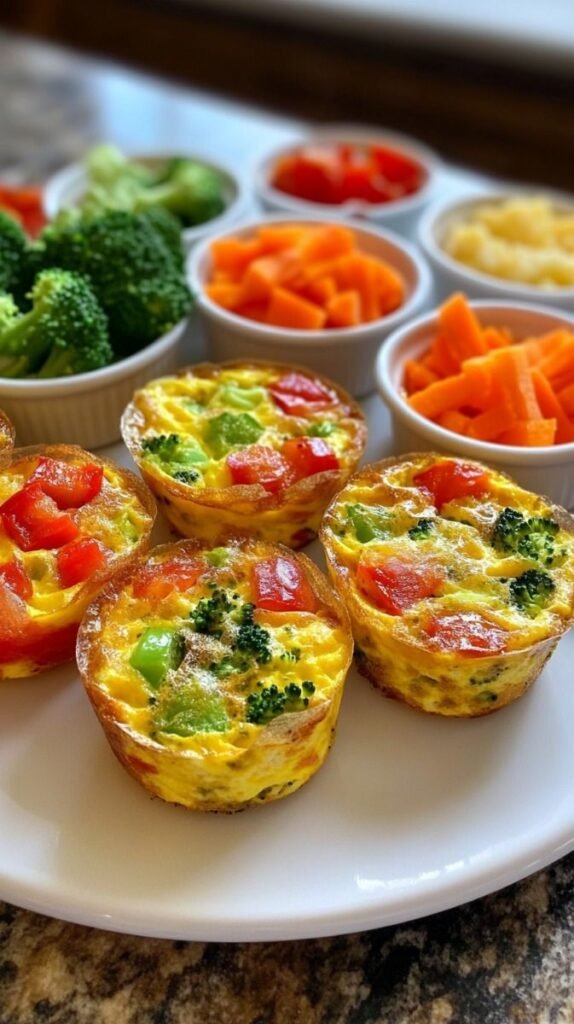
For picky eaters, try these tactics:
- Blend vegetables into pasta sauce
- Grate zucchini or carrots into meatballs or meatloaf
- Mix finely chopped spinach into scrambled eggs
- Add pureed butternut squash to mac and cheese
- Spiralize vegetables as “noodles” mixed with regular pasta
The goal isn’t deception—it’s exposure. The more often kids eat vegetables (even hidden ones), the more they develop a taste for them.
2. Master the Art of Smart Grocery Shopping
Healthy meal planning fails when your fridge and pantry don’t support your goals.
Shopping strategically makes or breaks your success.
Shop the Perimeter First
Most grocery stores arrange fresh, whole foods around the outer edges:
- Produce section
- Meat and seafood counter
- Dairy section
- Fresh bread (choose whole grain options)
The center aisles contain mostly processed, packaged foods. That’s not to say you should avoid them entirely—canned beans, whole grain pasta, and frozen vegetables are center-aisle champions. But starting your shopping trip on the perimeter ensures you prioritize fresh, nutrient-dense foods.
The Healthy Shopping List Template
Create a standard shopping list template divided by category:
| Category | Healthy Options | Weekly Quantity |
|---|---|---|
| Vegetables | Broccoli, carrots, bell peppers, spinach, tomatoes | 10-15 servings |
| Fruits | Apples, bananas, berries, oranges | 7-10 servings |
| Proteins | Chicken breast, fish, eggs, beans, Greek yogurt | 7+ servings |
| Whole Grains | Brown rice, quinoa, whole wheat bread, oats | 7+ servings |
| Healthy Fats | Avocados, nuts, olive oil, natural nut butter | As needed |
| Dairy | Low-fat milk, cheese, yogurt | 5-7 servings |
This template keeps you focused on nutritious options rather than wandering aimlessly through aisles.
Never Shop Hungry
This old advice remains golden. Hungry shoppers buy 64% more food than those who shop after eating, and those purchases lean heavily toward unhealthy convenience items.
Eat a snack before heading to the store. Your wallet and your waistline will thank you.
Embrace Frozen and Canned Options
Frozen vegetables and fruits are just as nutritious as fresh—sometimes more so because they’re frozen at peak ripeness. They’re also cheaper, last longer, and require zero prep.
Canned beans, tomatoes, and fish (like salmon or tuna) are pantry staples that make healthy meals possible on nights when you forgot to thaw anything.
Just watch for added sodium in canned goods. Choose “no salt added” versions when possible, or rinse canned beans and vegetables before using.
3. Prep Ingredients Instead of Full Meals
The idea of spending Sunday afternoon cooking an entire week’s worth of meals feels overwhelming to most people.
Here’s a better approach: Prep ingredients, not complete dishes.
What Ingredient Prep Looks Like
Spend 60-90 minutes once or twice a week preparing components that speed up weeknight cooking:
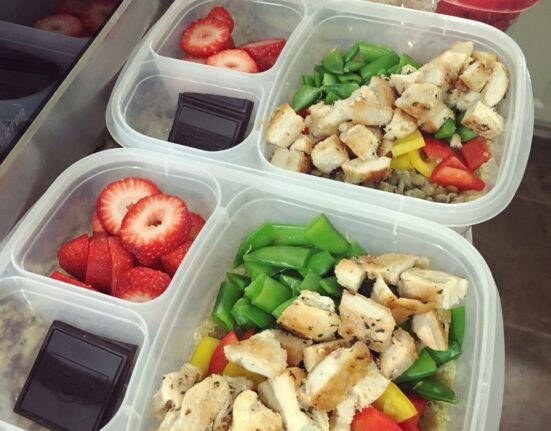
Wash and chop vegetables: Store them in airtight containers with slightly damp paper towels to maintain freshness. Chopped onions, peppers, carrots, and celery become the base for countless meals.
Cook whole grains: Make a big batch of brown rice, quinoa, or farro. These stay good in the fridge for 4-5 days and instantly upgrade any meal.
Prepare proteins: Grill several chicken breasts, hard-boil a dozen eggs, or cook a pound of ground turkey. These ready-to-eat proteins save massive time on busy nights.
Make simple sauces: Whip up a basic marinara, pesto, or Asian-inspired sauce. Homemade sauces are healthier than store-bought versions and incredibly versatile.
Portion snacks: Divide nuts, cut fruit, veggie sticks, and hummus into grab-and-go containers. This prevents unhealthy snacking between meals.
The 10-Minute Dinner Assembly
With prepped ingredients, assembling healthy dinners becomes incredibly fast:
Monday: Toss cooked chicken, chopped vegetables, and prepared quinoa with pesto. Dinner in 10 minutes.
Tuesday: Scramble eggs with pre-chopped peppers and onions. Serve with whole grain toast and fruit. Done in 12 minutes.
Wednesday: Heat up homemade marinara, add pre-cooked ground turkey, and serve over whole wheat pasta. Ready in 15 minutes.
Thursday: Make stir-fry with pre-chopped vegetables, cooked brown rice, and your choice of protein. Total time: 10 minutes.
Friday: Create grain bowls with quinoa, roasted vegetables (reheated), grilled chicken, and a drizzle of tahini. Assembled in 8 minutes.
This method offers flexibility. You’re not locked into specific meals on specific nights because you have versatile components that work in multiple dishes.
4. Follow the Balanced Plate Formula
Healthy eating doesn’t require counting calories or measuring macros.
Instead, use the simple balanced plate method that nutritionists recommend.
The Quarter-Quarter-Half Rule
Divide your dinner plate into sections:
- Half the plate: Non-starchy vegetables (broccoli, salad, green beans, cauliflower, peppers)
- One quarter: Lean protein (chicken, fish, beans, tofu, eggs)
- One quarter: Whole grains or starchy vegetables (brown rice, quinoa, sweet potato, whole wheat pasta)
Add a small serving of healthy fat (olive oil, avocado, nuts) and you’ve got a nutritionally complete meal.
Visual Plate Guide
Think of your dinner plate like this:
50% Vegetables → Fill half your plate with colorful, non-starchy vegetables. These provide volume, fiber, and nutrients with minimal calories.
25% Protein → A portion about the size of your palm. This keeps you satisfied and supports muscle health.
25% Whole Grains → A portion about the size of your fist. Provides energy and additional fiber.
This formula works for virtually any cuisine:
- Italian: Half plate of roasted vegetables, quarter grilled chicken, quarter whole wheat pasta
- Mexican: Half plate of fajita vegetables, quarter black beans, quarter brown rice
- Asian: Half plate of stir-fried vegetables, quarter tofu or shrimp, quarter brown rice or quinoa
- American: Half plate of steamed broccoli and carrots, quarter baked chicken, quarter roasted sweet potato
Teaching Kids the Balanced Plate
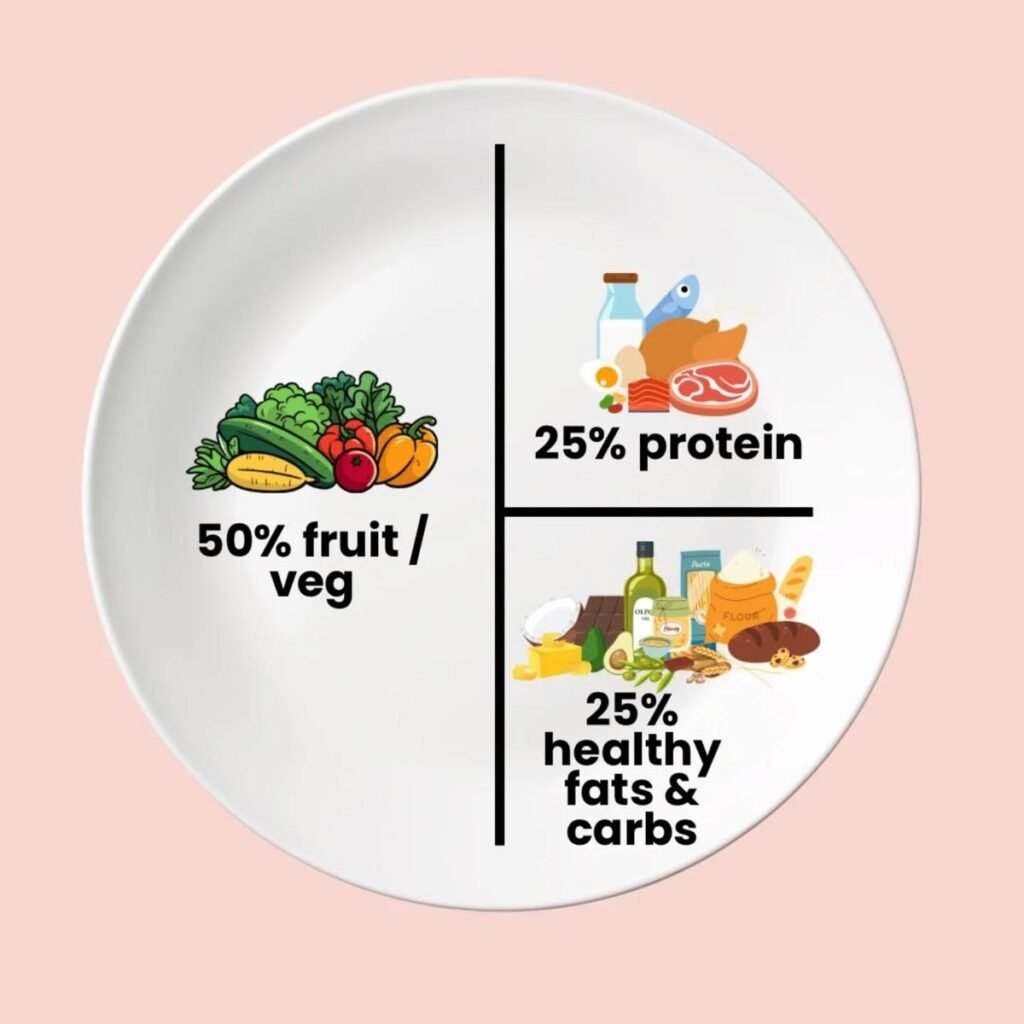
Make this visual for children. Use actual divided plates or draw the sections on regular plates with washable marker.
Let kids fill their own plates following the formula. When they have control, they’re more likely to eat what they’ve selected.
Don’t force clean plates. Teaching kids to recognize fullness is more important than finishing everything served.
5. Plan for Strategic Leftovers
Leftovers get a bad reputation, but they’re actually a healthy meal planner’s secret weapon.
The key is intentional leftover planning, not random reheating.
The 1.5x Cooking Rule
Whenever you cook, make 1.5 times what you need for that meal. This gives you leftovers without overwhelming your family with identical meals three nights in a row.
That extra half-portion becomes:
- Tomorrow’s lunch
- A component in a different dinner later in the week
- A quick breakfast option
- Emergency food for crazy evenings
Transforming Leftovers into New Meals
Don’t just reheat the same dish. Repurpose ingredients into something different:
Roast chicken becomes:
- Chicken salad sandwiches
- Chicken quesadillas
- Chicken and vegetable soup
- Topping for salads
- Filling for tacos
Cooked vegetables become:
- Frittata or omelet filling
- Pasta primavera
- Grain bowl toppings
- Pizza toppings
- Soup additions
Brown rice becomes:
- Fried rice with vegetables and eggs
- Stuffed peppers filling
- Addition to soups
- Base for burrito bowls
- Mix-in for meatballs or meatloaf
The Leftover Assembly Station
Set up a weekly “leftover buffet” night where everyone assembles their own meal from the week’s remaining ingredients.
Put out all the proteins, grains, vegetables, and toppings. Let family members create custom bowls, wraps, or plates based on their preferences.
This reduces food waste while giving everyone variety and choice.
6. Keep Healthy Convenience Foods on Hand
Life gets chaotic. Some nights, even your best meal planning falls apart.
That’s when healthy convenience foods save you from drive-thrus and delivery apps.
The Emergency Meal Pantry
Stock these items for last-minute healthy meals:
Proteins:
- Canned beans (black, kidney, chickpeas)
- Canned tuna or salmon
- Frozen pre-cooked chicken strips (check ingredients)
- Eggs (always have eggs)
- Frozen shrimp
Grains:
- Pre-cooked rice packets (brown or wild rice)
- Whole grain pasta
- Instant oatmeal (look for low-sugar varieties)
- Whole wheat tortillas
Vegetables:
- Frozen mixed vegetables
- Canned tomatoes
- Jarred pasta sauce (choose low-sugar options)
- Pre-washed salad mixes
Quick Add-ons:
- Nuts and seeds
- Olive oil
- Garlic (jarred minced garlic works fine)
- Basic spices
15-Minute Emergency Meals
With these pantry staples, you can create healthy dinners in minutes:
Pasta with white beans: Cook whole wheat pasta, drain canned white beans, heat jarred marinara sauce, toss together with garlic and olive oil. Add frozen broccoli steamed in the microwave.
Tuna rice bowls: Mix canned tuna with pre-cooked rice, add frozen vegetables (microwaved), drizzle with soy sauce and sesame oil.
Bean quesadillas: Mash canned black beans with cumin, spread on whole wheat tortillas with cheese, cook until crispy. Serve with bagged salad.
Egg fried rice: Scramble eggs, add pre-cooked rice and frozen vegetables, season with soy sauce and garlic.
Chickpea pasta: Toss chickpeas with cooked pasta, jarred pesto, and frozen peas. Quick, filling, and protein-packed.
These aren’t gourmet meals, but they’re infinitely healthier than fast food and just as quick. For more practical meal planning resources for busy families, you’ll find additional tips to make healthy eating easier.
7. Involve Your Family in the Planning Process
The most successful healthy meal planning happens when everyone participates.
Kids who help plan and prepare meals are significantly more likely to eat them.
Weekly Family Menu Meeting
Set aside 15 minutes each week for a family meal planning session. This could be Sunday afternoon or whenever works for your schedule.
Ask each family member:
- What protein do you want this week?
- What vegetables should we try?
- Which past meal should we repeat?
- What new recipe sounds interesting?
Write down everyone’s input. Then create a balanced weekly menu that incorporates most suggestions.
Even young children can participate. Show them pictures of different meals and let them point to what looks good.
Age-Appropriate Kitchen Tasks
Getting kids involved in meal prep teaches valuable skills while increasing their willingness to eat healthy foods:
Ages 3-5:
- Washing vegetables
- Tearing lettuce for salads
- Stirring ingredients
- Arranging food on plates
Ages 6-9:
- Measuring ingredients
- Cracking eggs
- Simple chopping with supervision
- Setting the table
Ages 10-13:
- Following simple recipes
- Using the stove with supervision
- Making salads independently
- Packing school lunches
Ages 14+:
- Cooking complete meals
- Meal planning participation
- Grocery shopping assistance
- Creating shopping lists
When kids develop kitchen skills, they gain confidence and independence around food. They’re also more adventurous eaters because they understand how meals come together. According to USDA nutrition guidelines, involving children in meal preparation is one of the most effective ways to encourage healthy eating habits.
The Rotation System with Choices
Create a list of 20 healthy meals your family enjoys. Let different family members choose meals from this list each week.
This gives kids autonomy while keeping you within healthy parameters. They’re picking from pre-approved options, so you don’t end up with pizza seven nights a week.
Rotate who gets to choose which night. On Mondays, maybe your oldest picks. Tuesdays are your youngest’s choice. You and your partner select Wednesday and Thursday. Friday could be a family vote on two options.
Making It All Work Together
These seven tips work best when combined, not in isolation.
Start with one or two strategies that feel most manageable. Maybe you begin by shopping smarter and prepping ingredients on Sundays. Once that becomes routine, add the balanced plate method to your dinners.
The goal isn’t perfection. Some weeks you’ll nail healthy meal planning. Other weeks you’ll survive on scrambled eggs and frozen vegetables. Both are okay.
Progress, not perfection, is the target.
Tracking Your Success
Consider keeping a simple food journal—not to count calories, but to notice patterns:
- Which meals did your family enjoy most?
- What prep work saved you the most time?
- Which nights were most challenging?
- What convenience foods proved most useful?
These observations help you refine your approach over time. You’ll discover what works specifically for your family’s tastes, schedule, and needs.
Frequently Asked Questions
How do I meal plan healthy on a tight budget?
Buy seasonal produce, choose frozen vegetables, use beans as protein sources, and cook larger batches to avoid waste. Store brands are often identical to name brands but cost less. Buying whole chickens instead of chicken breasts reduces cost significantly.
What if my kids refuse to eat healthy food?
Involve them in planning and preparation, serve new foods alongside familiar favorites, don’t force eating but do require tasting, and model healthy eating yourself. It can take 10-15 exposures before kids accept new foods. Keep offering without pressure.
How much time does healthy meal planning actually take?
Initial planning takes 20-30 minutes weekly. Ingredient prep takes 60-90 minutes once or twice weekly. But this saves 15-20 minutes every weeknight, so you come out ahead on time overall.
Can I still eat out or order takeout with meal planning?
Absolutely! Healthy meal planning doesn’t mean never eating out. Plan one or two meals out per week if that fits your budget and lifestyle. Choose restaurants with healthier options when possible.
What about snacks and breakfast?
Apply the same principles: prep fruit and vegetables in advance, keep nuts and yogurt accessible, make overnight oats or egg muffins for easy breakfasts. The balanced plate concept works for all meals.
How do I handle different dietary restrictions in one family?
Build meals with customizable components. Serve proteins separately from grain and vegetables so everyone can take what works for them. Make one base dish but offer different proteins for different family members.
Your Journey to Healthier Family Meals Starts Now
Healthy meal planning for families isn’t about becoming a different person overnight.
It’s about small, sustainable changes that add up to significant improvements in your family’s nutrition and wellbeing.
You don’t need fancy equipment, expensive ingredients, or professional-level cooking skills. You need a practical strategy that fits your real life.
Start with the tip from this article that resonates most strongly with you. Maybe it’s building meals around vegetables, or maybe it’s getting your kids involved in menu planning. Perhaps you’re most excited about mastering ingredient prep or creating your emergency pantry.
Pick one. Master it. Then add another.
In three months, you’ll look back amazed at how much has changed. Your family will be eating more vegetables, trying new foods, and spending less time stressed about dinner.
Those drive-thru visits will decrease. Your grocery bill might actually go down. Your kids might even ask for seconds of broccoli.
Most importantly, you’ll be giving your family the foundation of good health through nutritious, home-cooked meals made with love.
That’s something no restaurant or meal delivery service can provide.
Now grab a pen, write down this week’s menu, and take the first step toward healthier family meals. You’ve got this, and your family’s future health depends on the choices you make today.