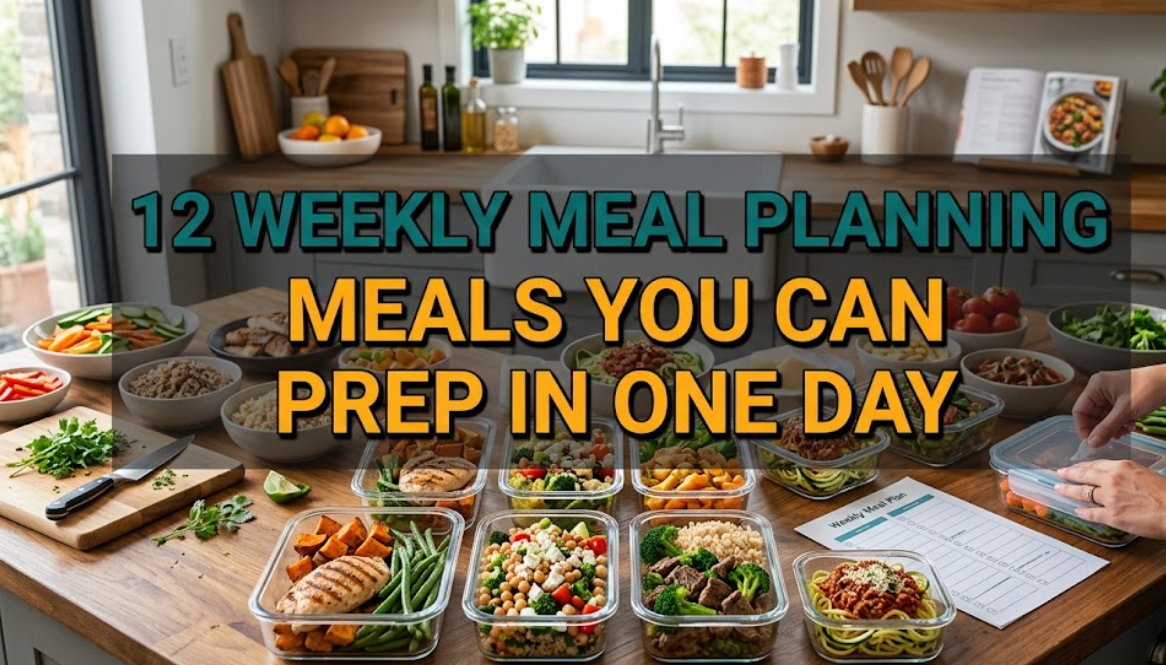
q12 Weekly Meal Planning Meals You Can Prep in One Day
Planning meals for an entire week can feel overwhelming, especially when life gets busy. However, dedicating just one day to meal prep can save time, reduce stress, and help maintain a balanced diet. This guide explores 12 practical meals you can prepare in a single day, along with helpful tables, planning strategies, and answers to common questions.
Why weekly meal planning works
Meal planning is not just about saving time—it’s about creating structure. When meals are planned ahead, decision fatigue decreases, grocery shopping becomes more efficient, and food waste is minimized. Preparing meals in advance also allows better portion control and healthier choices.
Here are some key benefits:
- Saves 5–10 hours during the week
- Reduces daily cooking stress
- Supports healthier eating habits
- Helps manage food budgets
Weekly prep overview table
Meal Type Prep Time Storage Duration Reheat Friendly Breakfast 1–2 hrs 4–5 days Yes Lunch 2–3 hrs 4–5 days Yes Dinner 3–4 hrs 4–6 days Yes Snacks 1–2 hrs 5–7 days Mostly
12 meals you can prep in one day
Breakfast meals
- Overnight oats variations
Overnight oats are one of the easiest breakfasts to prepare. Combine oats, milk, and toppings like fruits or nuts in jars and refrigerate.
Flavor ideas:
- Peanut butter banana
- Berry almond
- Chocolate chia
Preparation tip: Make 5 jars at once and store them in the fridge.
- Egg muffins
Egg muffins are portable and protein-rich. Mix eggs with vegetables, cheese, and meat, then bake in muffin tins.
Storage: Keeps well for up to 5 days.
- Smoothie packs
Prepare freezer bags with fruits, greens, and seeds. In the morning, just blend with milk or water.
Lunch meals
- Grilled chicken and rice bowls
Cook a large batch of grilled chicken, brown rice, and roasted vegetables. Divide into containers.
Nutritional balance table:
Component Example Benefit Protein Chicken Muscle repair Carbs Brown rice Sustained energy Fiber Vegetables Digestion support
- Pasta salad
Use whole-grain pasta, add vegetables, olive oil, and protein like tuna or chickpeas. Serve cold.
- Burrito bowls
Combine rice, beans, chicken or beef, salsa, and corn. Store separately for freshness.
Dinner meals
- Baked salmon with vegetables
Season salmon and roast alongside vegetables. Store in airtight containers.
- Stir-fry with noodles or rice
Cook a large stir-fry using mixed vegetables and protein like tofu or chicken.
- Slow cooker curry
Prepare a big batch of curry using a slow cooker. It improves in flavor over time.
Snack options
- Energy balls
Blend oats, peanut butter, honey, and seeds. Roll into balls and refrigerate.
- Cut fruits and veggies
Pre-slice carrots, cucumbers, and fruits for easy access.
- Yogurt parfaits
Layer yogurt with granola and fruits in jars.
Sample weekly meal schedule
Day Breakfast Lunch Dinner Mon Overnight oats Chicken bowl Salmon Tue Egg muffins Pasta salad Stir-fry Wed Smoothie Burrito bowl Curry Thu Overnight oats Chicken bowl Stir-fry Fri Egg muffins Pasta salad Salmon
Time-saving strategies
Batch cooking
Cooking large quantities of grains, proteins, and vegetables at once reduces repetition.
Use of containers
Invest in reusable containers to portion meals efficiently.
Ingredient overlap
Use similar ingredients across meals to reduce waste.
Example ingredient overlap chart
Ingredient Used In Meals Chicken Bowls, stir-fry, burrito bowls Rice Bowls, stir-fry, curry Vegetables All meals Yogurt Breakfast, snacks
Storage tips
- Label containers with dates
- Store sauces separately when possible
- Freeze meals that won’t be eaten within 3–4 days
Common mistakes to avoid
- Preparing meals that don’t reheat well
- Not seasoning properly
- Overpacking portions
Frequently asked questions
- How long can meal-prepped food last?
Most meals last 3–5 days in the refrigerator. Freezing extends shelf life up to several weeks.
- Can I meal prep without a microwave?
Yes, many meals like salads, overnight oats, and wraps can be eaten cold.
- How do I keep food from getting boring?
Use different sauces, spices, and toppings to change flavors throughout the week.
- Is meal prepping expensive?
It is usually cheaper because it reduces impulse purchases and food waste.
- What containers are best?
Glass containers are durable and safe for reheating.
- Can beginners start meal prepping easily?
Yes, start with 2–3 meals and gradually increase as you get comfortable.
Conclusion
Meal prepping once a week is a powerful habit that simplifies daily life. By preparing these 12 meals in advance, you can enjoy nutritious, ready-to-eat options all week long. With practice, the process becomes faster and more intuitive, helping you stay consistent and stress-free.