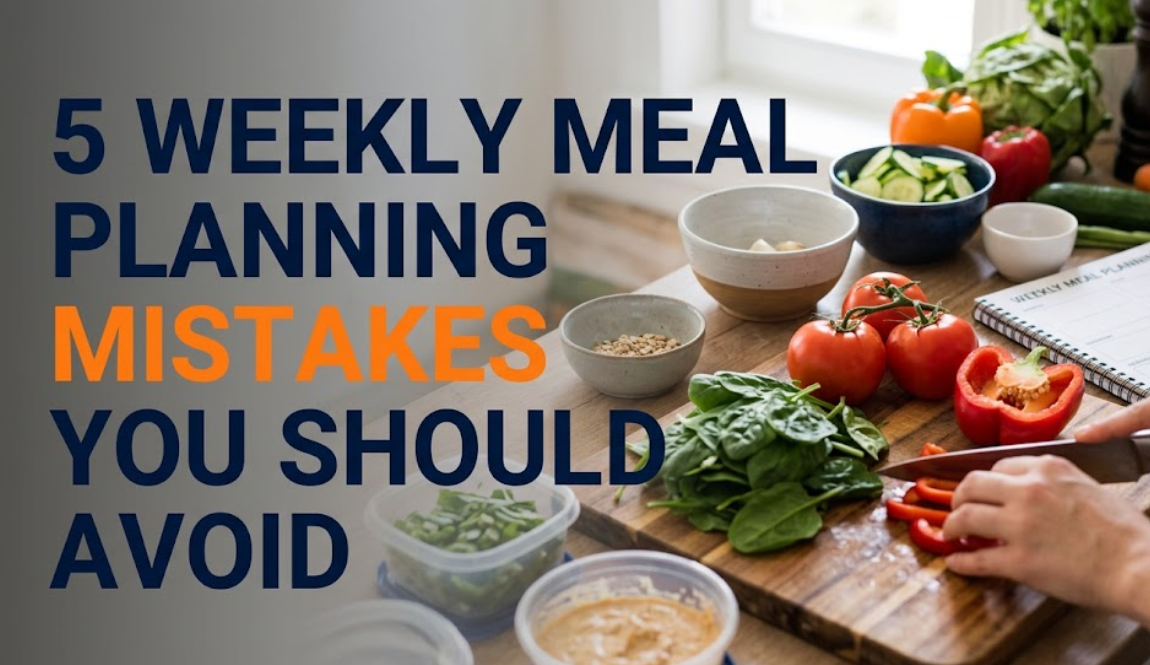
Weekly meal planning is often praised as a powerful habit for saving time, reducing stress, and improving overall health. Yet, despite its benefits, many people struggle to make it work consistently. The problem is rarely the idea itself—it’s the execution. Small but common mistakes can quietly sabotage even the most well-intentioned meal plans, leading to wasted food, frustration, and takeout fallback.
This article explores five major weekly meal planning mistakes people make, why they happen, and how to fix them effectively. Along the way, you’ll also find practical tables, planning frameworks, and actionable insights that go beyond simple advice.
- overcomplicating your meal plan
One of the most common mistakes is trying to do too much at once. Many people assume meal planning means preparing elaborate, Instagram-worthy meals every day. This mindset quickly leads to burnout.
Why it happens
People often associate meal planning with perfection. They want variety, nutrition, creativity, and presentation all at once. While these goals are admirable, they’re not sustainable for most lifestyles.
Signs you are overcomplicating your plan
- You plan different meals for every single day
- Recipes require too many ingredients
- Cooking feels like a chore rather than support
- You abandon your plan halfway through the week
A better approach: simplify your structure
Instead of planning seven completely different meals, build a repeatable structure. Think in terms of “meal categories” rather than individual recipes.
Example weekly structure table:
| Day | Meal Type | Example Dish |
|---|---|---|
| Monday | Quick & easy | Stir-fried vegetables + rice |
| Tuesday | Protein-focused | Grilled chicken salad |
| Wednesday | Leftovers/remix | Chicken wrap |
| Thursday | Comfort meal | Pasta with tomato sauce |
| Friday | Flexible/takeout | Homemade pizza or takeout |
| Saturday | Family meal | Curry with naan |
| Sunday | Prep day | Batch cooking |
Key takeaway
Consistency beats complexity. The simpler your system, the more likely you are to stick with it.
- ignoring your real schedule
Another critical mistake is planning meals without considering your actual weekly routine. A meal plan that looks great on paper may fall apart when it meets reality.
Why it happens
People plan based on ideal conditions instead of real life. They forget about late workdays, social events, fatigue, or unexpected changes.
Common consequences
- Cooking plans get skipped on busy days
- Ingredients go unused and spoil
- You rely on last-minute fast food
Aligning meals with your schedule
The key is to map your meals against your energy levels and time availability.
Weekly time-energy alignment chart:
| Day | Time Available | Energy Level | Recommended Meal Type |
|---|---|---|---|
| Monday | Low | Low | Ready-made or leftovers |
| Tuesday | Medium | Medium | Simple cooking |
| Wednesday | Low | Low | Batch meal reheating |
| Thursday | Medium | Medium | One-pot meal |
| Friday | Low | Low | Flexible or takeout |
| Saturday | High | High | New recipes |
| Sunday | High | Medium | Meal prep |
Practical strategy
- Cook complex meals only on high-energy days
- Use leftovers strategically
- Always have a “backup meal” option
Key takeaway
Your meal plan should serve your schedule—not fight against it.
- not planning for leftovers properly
Leftovers are often treated as an afterthought, but they are actually one of the most powerful tools in meal planning. Ignoring them leads to wasted time, money, and food.
Why it happens
People either underestimate portion sizes or don’t intentionally assign leftovers to future meals.
Common leftover mistakes
- Cooking too much without a plan
- Forgetting what’s in the fridge
- Letting food spoil
- Eating the same dish repeatedly without variation
Smart leftover planning
Instead of random leftovers, plan “transformation meals.”
Leftover transformation table:
| Original Meal | Leftover Idea | New Meal Result |
|---|---|---|
| Roast chicken | Shredded chicken | Tacos or wraps |
| Rice | Fried rice | Quick stir-fry |
| Vegetables | Blended | Soup or pasta sauce |
| Pasta | Baked | Pasta casserole |
| Beans | Mashed | Sandwich spread |
Storage planning chart:
| Food Type | Fridge Life | Freezer Life |
|---|---|---|
| Cooked meat | 3–4 days | 2–6 months |
| Cooked rice | 3–5 days | 1 month |
| Vegetables | 3–7 days | 8–12 months |
| Soup | 3–4 days | 2–3 months |
Practical tips
- Label leftovers with dates
- Assign specific days for leftover meals
- Freeze portions early to avoid spoilage
Key takeaway
Leftovers should be part of the plan, not an accident.
- shopping without a clear system
A meal plan is only as effective as the grocery shopping that supports it. Without a system, you end up buying too much, too little, or the wrong items.
Why it happens
People either shop impulsively or rely on memory instead of structured lists.
Common shopping mistakes
- Buying ingredients not tied to meals
- Forgetting essential items
- Duplicate purchases
- Overspending
Structured grocery planning
Break your shopping list into categories aligned with your meals.
Example grocery planning table:
| Category | Items Needed | Meals Covered |
|---|---|---|
| Proteins | Chicken, eggs, beans | Salads, wraps, curry |
| Grains | Rice, pasta, bread | Stir-fry, pasta dishes |
| Vegetables | Spinach, carrots, onions | All meals |
| Dairy | Milk, cheese, yogurt | Breakfast, snacks |
| Pantry | Oil, spices, sauces | Cooking essentials |
Weekly cost control chart:
| Strategy | Impact on Budget |
|---|---|
| Buying in bulk | High savings |
| Planning meals in advance | Medium savings |
| Avoiding impulse buys | High savings |
| Using seasonal produce | Medium savings |
Practical tips
- Shop once or twice per week only
- Stick to your list strictly
- Check your pantry before shopping
Key takeaway
A clear shopping system turns your meal plan into reality.
- neglecting flexibility
The final and often overlooked mistake is treating meal planning as rigid. Life is unpredictable, and a plan that cannot adapt will eventually fail.
Why it happens
People think success means following the plan exactly. When disruptions occur, they feel like they’ve failed.
Common consequences
- Frustration
- Abandoning meal planning entirely
- Increased stress around food
Flexible meal planning framework
Instead of fixed meals, create interchangeable options.
Flexible meal matrix:
| Meal Type | Option 1 | Option 2 | Option 3 |
|---|---|---|---|
| Breakfast | Oatmeal | Eggs & toast | Smoothie |
| Lunch | Salad | Sandwich | Leftovers |
| Dinner | Stir-fry | Pasta | Curry |
| Snack | Fruit | Nuts | Yogurt |
Backup meal ideas:
| Situation | Quick Solution |
|---|---|
| No time to cook | Frozen meal |
| No groceries | Pantry meal (beans/rice) |
| Too tired | Simple sandwich |
| Unexpected guests | Pasta or rice dish |
Practical tips
- Keep 2–3 emergency meals ready
- Allow meal swapping between days
- Accept imperfection
Key takeaway
Flexibility ensures consistency over the long term.
bringing it all together
To avoid these mistakes, think of meal planning as a system rather than a task. The goal is not perfection—it’s sustainability.
Combined weekly planning overview:
| Step | Action |
|---|---|
| Step 1 | Review your weekly schedule |
| Step 2 | Choose simple meal categories |
| Step 3 | Plan for leftovers |
| Step 4 | Create structured grocery list |
| Step 5 | Build flexibility into plan |
When these elements work together, meal planning becomes easier, more efficient, and far less stressful.
frequently asked questions (FAQs)
- how far in advance should i plan my meals?
Planning one week ahead is ideal for most people. It provides structure without being overwhelming or inflexible. - is meal prepping the same as meal planning?
No. Meal planning is deciding what to eat, while meal prepping involves preparing ingredients or meals in advance. They work best together but are not the same. - how do i avoid getting bored with the same meals?
Use variations. Change sauces, spices, or side dishes instead of completely new recipes. This keeps things interesting without adding complexity. - what should i do if i miss a planned meal?
Simply shift the plan. Meal planning should be flexible. Move meals around instead of abandoning the system entirely. - how can i reduce food waste while meal planning?
Plan leftovers intentionally, store food properly, and avoid overbuying. Using a structured grocery list also helps significantly. - is meal planning suitable for busy professionals?
Yes, and it’s especially beneficial. By aligning meals with your schedule and keeping things simple, you can save both time and mental energy.
final thoughts
Meal planning is not about rigid discipline or perfect execution. It’s about creating a system that supports your lifestyle. By avoiding these five common mistakes—overcomplicating meals, ignoring your schedule, mismanaging leftovers, shopping without structure, and neglecting flexibility—you can transform meal planning into a sustainable and rewarding habit.
The difference between failure and success in meal planning often comes down to small adjustments. Once you make these changes, the process becomes less of a burden and more of a tool that genuinely improves your daily life.