

Feeding a family week after week can feel like an endless loop of decisions, grocery runs, and last-minute improvisation. Many households struggle with the same challenges: limited time, rising food costs, picky eaters, and the pressure to keep meals both nutritious and enjoyable. Weekly meal planning is often suggested as the solution—but not all approaches are equally practical or sustainable.
What works best for families is not rigid perfection, but smart, flexible systems that adapt to real life. This article explores six effective weekly meal planning ideas that go beyond basic lists and recipes. These strategies are designed to save time, reduce stress, cut costs, and make family meals something to look forward to rather than dread.
Along the way, you’ll also find practical tables, planning frameworks, and examples that you can directly apply in your home.
idea 1: build a flexible weekly meal framework instead of a strict plan
One of the biggest mistakes families make is trying to plan every meal in exact detail for the entire week. While this sounds efficient, it often leads to frustration when schedules change or energy levels drop.
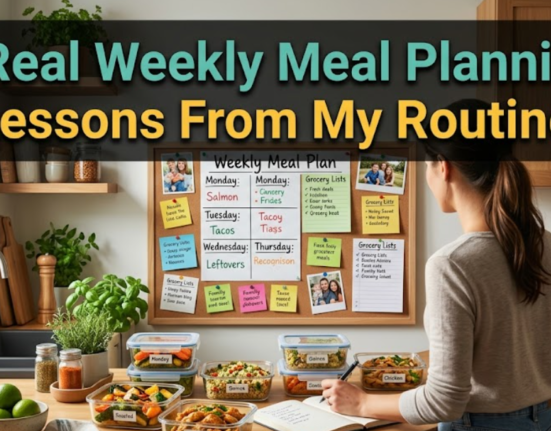
A better approach is to create a flexible weekly framework. Instead of deciding exactly what you’ll cook each day, assign general meal themes to each day of the week.
example weekly framework
| Day | Theme | Example Meals |
|---|---|---|
| Monday | Meatless | Lentil curry, veggie pasta |
| Tuesday | Chicken | Grilled chicken, chicken wraps |
| Wednesday | Quick meals | Stir-fry, omelets |
| Thursday | Comfort food | Pasta bake, rice dishes |
| Friday | Fun food | Pizza, burgers |
| Saturday | Leftovers | Mixed leftovers |
| Sunday | Family special | Roast dinner, biryani |
This method provides structure without locking you into specific meals. You can decide what to cook based on your mood, time, and available ingredients.
benefits of this approach
- reduces decision fatigue
- adapts easily to changing schedules
- helps balance nutrition across the week
- simplifies grocery shopping
idea 2: plan around “core ingredients” to maximize efficiency
Instead of planning completely different meals every day, smart families focus on a set of core ingredients that can be reused throughout the week.
For example, if you buy chicken, rice, and vegetables, you can transform them into multiple dishes rather than cooking entirely separate meals.
example ingredient reuse plan
| Ingredient | Meal 1 | Meal 2 | Meal 3 |
|---|---|---|---|
| Chicken | Grilled chicken dinner | Chicken sandwiches | Chicken fried rice |
| Rice | Side dish | Rice bowls | Fried rice |
| Vegetables | Stir-fry | Salad | Soup |
This approach reduces food waste and speeds up cooking because some prep work overlaps.
practical tips
- choose 3–5 main ingredients each week
- cook larger portions for reuse
- store ingredients in ready-to-use portions
- mix flavors to avoid repetition
idea 3: batch cooking and prep day strategy
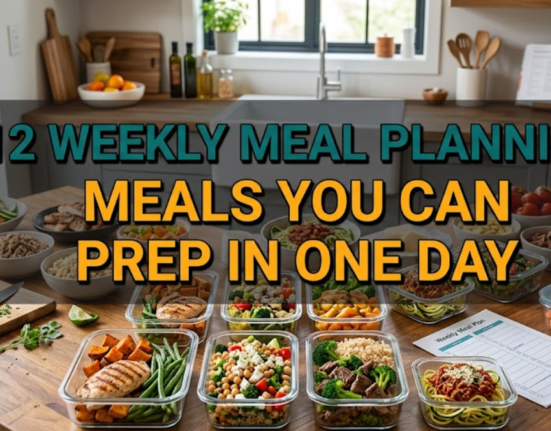
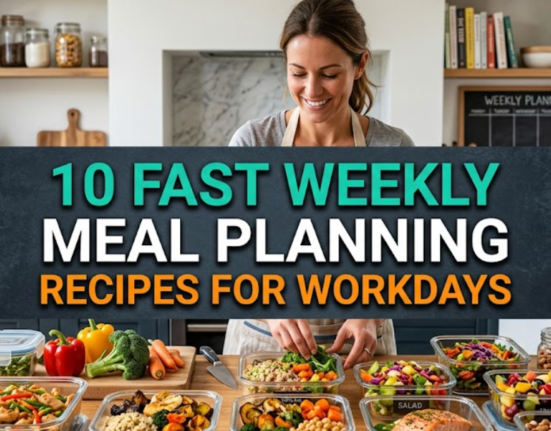
Batch cooking is one of the most powerful tools for busy families. It involves preparing large quantities of food in advance, usually on a weekend or a designated prep day.
Instead of cooking from scratch every day, you prepare components or full meals ahead of time.
sample batch cooking schedule
| Task | Time Required | Output |
|---|---|---|
| Chop vegetables | 30 mins | Ready-to-use veggies |
| Cook protein | 45 mins | Chicken, beans, or mince |
| Prepare sauces | 20 mins | Curry base, pasta sauce |
| Cook grains | 30 mins | Rice, quinoa |
| Pack portions | 20 mins | Meal boxes for the week |
total time: about 2–2.5 hours
time saved during week: 6–8 hours
why it works
- eliminates daily cooking stress
- ensures healthier meals
- reduces reliance on takeout
- makes weekday dinners almost effortless
idea 4: involve the whole family in meal planning
Meal planning becomes easier—and more successful—when everyone in the household participates.
Children, for example, are more likely to eat meals they helped choose. Adults benefit from shared responsibility and better coordination.
family participation model
| Family Member | Role |
|---|---|
| Parent 1 | Grocery planning |
| Parent 2 | Cooking coordination |
| Kids | Meal ideas & simple prep |
ways to involve kids
- let them pick one meal per week
- assign simple tasks like washing vegetables
- teach basic cooking skills
- create a “family favorites” list
family favorites tracking table
| Meal Name | Family Rating (1–5) | Notes |
|---|---|---|
| Chicken curry | 5 | Everyone loved it |
| Veg pasta | 4 | Add more cheese |
| Lentil soup | 3 | Kids not excited |
This system helps refine your weekly plan over time.
idea 5: use a rotating meal plan system
Instead of creating a new meal plan every week, you can design a rotating system—such as a 2-week or 4-week cycle.
This reduces planning time significantly and ensures consistency.
example 2-week rotation
week 1
- chicken curry
- pasta
- stir-fry
- rice and beans
- pizza
week 2
- grilled chicken
- biryani
- noodles
- lentil stew
- burgers
rotation benefits
- saves planning time
- simplifies grocery lists
- builds routine
- reduces stress
monthly meal rotation chart
| Week | Focus | Notes |
|---|---|---|
| 1 | Chicken meals | Use fresh ingredients |
| 2 | Mixed meals | Balanced variety |
| 3 | Vegetarian | Budget-friendly |
| 4 | Family picks | Favorites & comfort food |
idea 6: plan for real life (leftovers, busy days, and flexibility)
The most successful meal plans are realistic. They account for busy days, unexpected events, and low-energy evenings.
Instead of planning perfectly, build in flexibility.
real-life meal planning framework
| Situation | Strategy |
|---|---|
| Busy day | Use leftovers or quick meals |
| Low energy | Simple meals (eggs, sandwiches) |
| Extra food | Store for next day |
| Eating out | Skip planned meal |
leftover transformation ideas
| Leftover | New Meal Idea |
|---|---|
| Roast chicken | Sandwiches or wraps |
| Rice | Fried rice |
| Vegetables | Soup or omelet |
| Curry | Stuffed paratha filling |
This approach prevents waste and keeps your plan adaptable.
sample weekly meal plan (putting it all together)
Here’s how a smart weekly meal plan might look using all the strategies above:
| Day | Meal Idea | Prep Type |
|---|---|---|
| Monday | Veg curry + rice | Batch-prepped |
| Tuesday | Chicken wraps | Quick assembly |
| Wednesday | Stir-fry | Fresh + prepped |
| Thursday | Pasta | Simple cooking |
| Friday | Homemade pizza | Family activity |
| Saturday | Leftovers | No cooking |
| Sunday | Special meal | Full cooking |
cost and time efficiency comparison
| Approach | Weekly Cost | Time Spent Cooking | Stress Level |
|---|---|---|---|
| No planning | High | High | High |
| Basic planning | Medium | Medium | Medium |
| Smart meal planning | Low | Low | Low |
nutrition balance guide
| Food Group | Weekly Target | Example Sources |
|---|---|---|
| Protein | Daily | Chicken, beans, eggs |
| Vegetables | Daily | Spinach, carrots, broccoli |
| Carbs | Moderate | Rice, bread, pasta |
| Healthy fats | Moderate | Olive oil, nuts |
common mistakes to avoid
- overplanning every detail
- ignoring family preferences
- not preparing ingredients in advance
- trying too many new recipes at once
- forgetting to plan for leftovers
conclusion
Weekly meal planning doesn’t have to be rigid, complicated, or time-consuming. The smartest strategies focus on flexibility, efficiency, and real-life practicality. By using frameworks instead of strict plans, reusing ingredients, batch cooking, involving family members, rotating meals, and planning for real-life situations, families can transform meal preparation into a smoother and more enjoyable process.
The goal isn’t perfection—it’s consistency and sustainability. Over time, these small systems add up, making mealtimes less stressful and more meaningful.
frequently asked questions
- how much time should weekly meal planning take?
For most families, planning should take 30–60 minutes per week. With a rotating system, it can drop to under 20 minutes. - is meal planning really cheaper?
Yes. It reduces impulse buying, food waste, and takeout spending, which significantly lowers overall food costs. - how do i handle picky eaters?
Include at least one familiar item in each meal and involve them in planning. Over time, gradually introduce new foods. - what if my schedule changes during the week?
Use a flexible plan with backup meals and leftovers. Avoid assigning rigid meals to specific days. - how far in advance should i shop?
Most families benefit from shopping once a week, with occasional midweek top-ups for fresh items. - can meal planning work for large families?
Absolutely. In fact, it becomes even more valuable as family size increases because it improves organization and reduces chaos.
If you’d like, I can also create a printable weekly meal planner or a customized plan based on your family size and preferences.