
Introduction
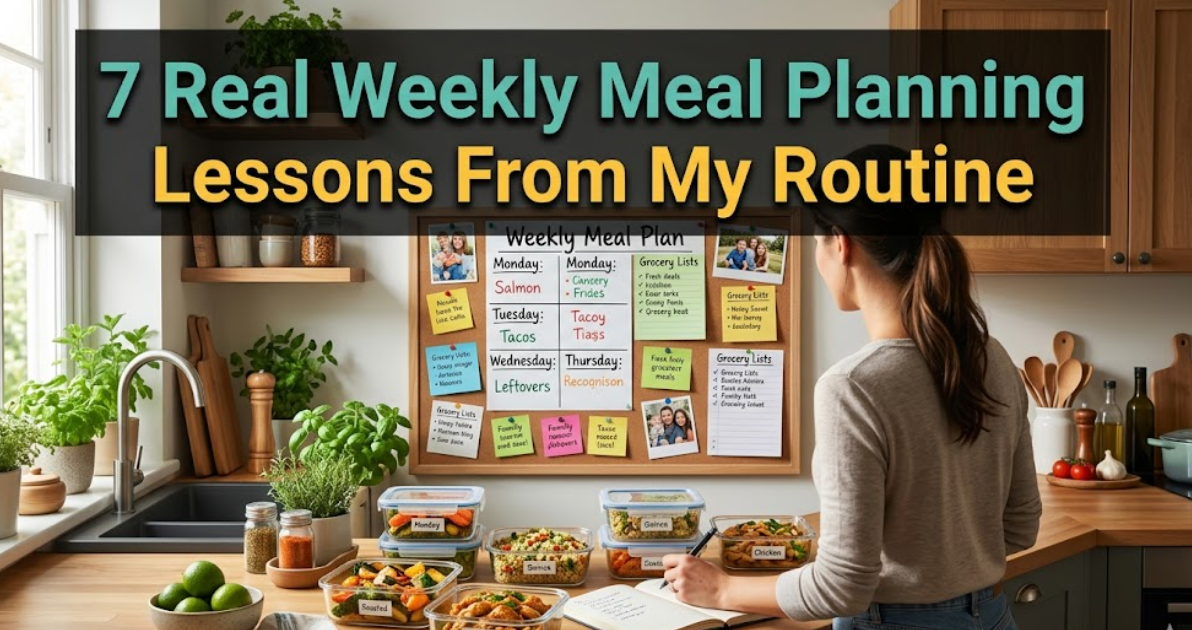
Weekly meal planning sounds simple on the surface—sit down, decide what to eat, shop for ingredients, and cook accordingly. Yet, in reality, it becomes a dynamic system shaped by time constraints, energy levels, budget limitations, and unexpected disruptions. Over time, I realized that meal planning is less about perfection and more about building a flexible, sustainable routine.
This article captures seven real, practical lessons I’ve learned from consistently planning meals each week. These lessons are not theoretical—they come from repeated trial and error, busy weeks, missed grocery runs, and moments when everything went right. Along the way, I’ve included structured tables and frameworks to make the ideas actionable rather than abstract.
Lesson 1: Planning Fewer Meals Works Better Than Planning Everything
One of the earliest mistakes I made was trying to plan every single meal—breakfast, lunch, dinner, and snacks—for all seven days. While it looked efficient on paper, it quickly became overwhelming and unrealistic.
The truth is that not every meal needs strict planning. Some meals repeat naturally, others depend on leftovers, and sometimes you simply don’t feel like eating what you planned.
Instead, focusing on planning 4–5 dinners per week works far better. These are typically the most complex meals and benefit the most from preparation.
Here’s how a simplified weekly structure might look:
Meal Type Planning Strategy Flexibility Level
Breakfast Repeat 2–3 options High
Lunch Use leftovers High
Dinner Plan 4–5 meals Medium
Snacks Keep stocked basics Very High
By reducing the number of decisions, you reduce mental fatigue. This also allows room for spontaneity without derailing the system.
Lesson 2: Repetition Is a Strength, Not a Weakness
Initially, I thought meal planning required variety every week. I would try new recipes constantly, which made grocery shopping complex and cooking time-consuming.
Over time, I realized that repeating meals is actually a powerful tool. It simplifies decisions, reduces shopping costs, and improves cooking efficiency.
A practical approach is to create a “core meal rotation”—a list of meals you can prepare easily without thinking too much.
Example weekly rotation:
Day Meal Idea
Monday Chicken and rice bowl
Tuesday Lentil curry with flatbread
Wednesday Pasta with vegetables
Thursday Stir-fried noodles
Friday Homemade wraps
Weekend Flexible / eating out / leftovers
Repetition doesn’t mean boredom—it means efficiency. You can still introduce variety by changing sauces, spices, or sides.
Lesson 3: Grocery Shopping Defines Success More Than Cooking
I used to think cooking skills were the most important part of meal planning. In reality, grocery shopping determines whether your plan succeeds or fails.
If your kitchen is stocked correctly, cooking becomes easy. If not, even the best plan collapses.
A well-structured grocery list is essential. It should be organized by category to reduce time spent in the store and avoid missed items.
Sample grocery structure:
Category Example Items
Proteins Chicken, eggs, lentils, yogurt
Carbohydrates Rice, pasta, bread
Vegetables Spinach, onions, tomatoes, carrots
Fruits Bananas, apples, oranges
Pantry Items Oil, spices, sauces
Extras Snacks, beverages
Another important tactic is buying versatile ingredients. For example, chicken can be used in wraps, rice bowls, salads, or soups across multiple meals.
Lesson 4: Time Management Matters More Than Motivation
There were weeks when I felt highly motivated but still failed to stick to my meal plan. The missing piece was not motivation—it was time management.
Meal planning works best when it fits into your schedule rather than fighting against it.
A simple weekly workflow can look like this:
Day Task
Saturday Decide meals
Sunday Grocery shopping + prep
Weekdays Cook or reheat meals
Batch preparation is especially useful. Chopping vegetables, marinating proteins, or cooking grains in advance can save significant time during busy weekdays.
Here’s a comparison of cooking approaches:
Approach Time Spent Daily Stress Level
Cook from scratch 45–60 minutes High
Partial prep 20–30 minutes Medium
Batch cooking 10–15 minutes Low
This shift dramatically improves consistency.
Lesson 5: Flexibility Prevents Burnout
One of the most important lessons is that rigid meal planning leads to burnout. Life is unpredictable—plans change, energy fluctuates, and cravings shift.
Instead of sticking to a fixed schedule, it helps to think in terms of “meal options” rather than assigned days.
For example:
Planned Meals for the Week:
- Chicken stir-fry
- Pasta
- Lentil soup
- Grilled sandwiches
- Rice and vegetables
Rather than assigning each meal to a specific day, you can choose based on your mood and time availability.
This flexible approach reduces pressure and increases long-term sustainability.
Lesson 6: Budget Awareness Naturally Improves Over Time
Meal planning has a direct impact on spending habits. Initially, I didn’t track costs closely, but over time I noticed patterns.
Planning meals reduces impulse purchases, minimizes food waste, and allows better use of ingredients.
Here’s a basic comparison:
Without Planning With Planning
Frequent takeout Reduced takeout
Impulse grocery buys Structured shopping
Food waste Minimal waste
Higher weekly cost Lower weekly cost
A simple budget table might look like this:
Week Grocery Cost Takeout Cost Total
Week 1 $60 $40 $100
Week 2 $70 $20 $90
Week 3 $65 $15 $80
Week 4 $60 $10 $70
Over time, the savings become significant.
Lesson 7: Systems Beat Willpower
The final and most important lesson is that consistency comes from systems, not willpower.
Relying on motivation alone is unreliable. Instead, building small systems ensures that meal planning becomes automatic.
Examples of simple systems:
- Keep a running grocery list on your phone
- Maintain a list of 10–15 go-to meals
- Shop on the same day every week
- Prep ingredients immediately after shopping
Here’s a system checklist:
System Element Purpose
Meal list Reduces decision fatigue
Grocery routine Ensures consistency
Prep habit Saves time later
Flexible structure Prevents burnout
When these systems are in place, meal planning becomes part of your routine rather than a weekly struggle.
Conclusion
Weekly meal planning is not about strict discipline or culinary perfection. It is about creating a system that adapts to your lifestyle. The seven lessons outlined above highlight a shift from rigid planning to flexible, sustainable habits.
By planning fewer meals, embracing repetition, improving grocery habits, managing time effectively, allowing flexibility, tracking budget, and building systems, meal planning becomes easier and more efficient over time.
The goal is not to follow a perfect plan every week, but to create a rhythm that works most of the time.
FAQs
- How many meals should I plan each week?
Planning 4–5 dinners is usually enough. Breakfasts and lunches can often be repetitive or based on leftovers. - Is it okay to repeat meals every week?
Yes, repetition simplifies decision-making and saves time. You can vary flavors and ingredients to keep things interesting. - What is the best day to do meal planning?
Most people find weekends ideal—plan on Saturday and shop or prep on Sunday. - How can I reduce food waste while meal planning?
Use overlapping ingredients, store food properly, and prioritize cooking perishable items first. - Should I cook everything in advance?
Not necessarily. Partial prep or batch cooking works well without requiring full meal preparation. - What if I don’t follow my meal plan exactly?
That’s completely normal. Flexibility is key. Treat your plan as a guide rather than a strict rule.