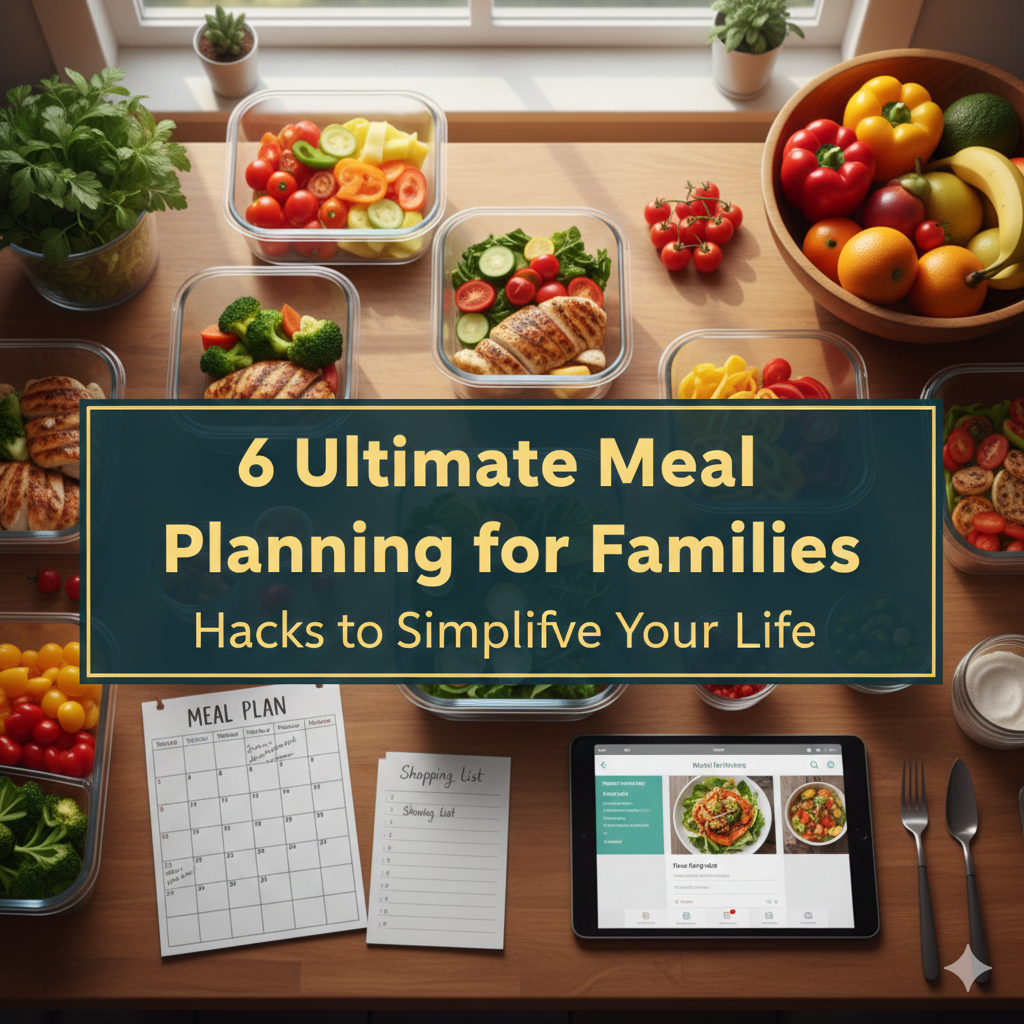
Why Meal Planning Can Feel Like a Fight
Imagine this: It is a Wednesday evening, 5:30 p.m. You just got home from work. The children are hungry and cranky. Your partner utters the dread words: “What are we eating for dinner?”
Your mind goes blank.
Then you open that fridge and stare at some random ingredients that cannot possibly go together. You’re ordering takeout again within a matter of minutes, watching the dollars drain from your budget and feeling guilty for having eaten another unhealthy meal.
This is a scene that happens in millions of households each and every day.
Planning meals for your family can seem like just one more chore to add to the never ending amount of items on our to-do list. But what if it didn’t need to be? What if you could turn this daily hassle into a fast, easy process that also saves time and money?
The reality is, meal planning doesn’t mean you have to be perfect or make a different gourmet dish every night. It’s about setting up a system that works WITH your family’s unique chaos.
In this post, you will find six game-changing hacks that actual families are doing to make meal planning easier. These are not elaborate strategies that involve hours of prep. These are real solutions that you can start using today to take back your evenings and reduce stress in the kitchen around food.
Let’s dive in.
Hack #1: The Theme Night Strategy That Removes Decision Fatigue
Decision fatigue is real. When you’re making thousands of decisions every day, deciding what to cook can feel impossible.
And so here’s the answer: assign a theme to every day of the week.
Theme nights take out the guesswork of ‘What should we make?’ from your daily routine. And instead of staring at your fridge wondering what the hell is even in there to cook, you have a category.
Creating the Perfect Theme Night
Start simple. You don’t have to have seven themes. Even three or four themes can make all the difference repeated throughout the week.
Popular theme night ideas:
- Taco Tuesday (or anything Mexican)
- Pasta Monday
- Slow Cooker Wednesday
- Pizza Friday
- Leftover Thursday
- Breakfast for Dinner
- One-Pot Sunday
What I love about this is adaptable structure. Taco Tuesday doesn’t mean eating the same tacos every week. You can switch between beef tacos, chicken tacos, fish tacos, taco salads or burrito bowls.
How to Get Picky Eaters Excited About Mealtimes
Got a picky eater? Theme nights help here too.
If children know what to expect, they feel more in control. A picky eater may be slightly more open to “chicken nugget revisions” on Chicken Night, rather than dealing with something entirely unpredictable.
You may also make a “Build Your Own” solution on themes. For Pasta Monday, you can put out a variety of pasta shapes, sauces and toppings. You cook one meal and everyone personalizes their own plate.
The Time-Saving Power of Repetition
Here’s what no one tells you about meal planning when you’re feeding a family: Repetition is your friend, not your enemy.
Limited menus help restaurant chains get customers in and out as quickly as possible. Your family kitchen can function in the same manner.
When you have 20 to 30 solid recipes in rotation, as opposed to the struggle of cooking something new every night, you get faster at prep. You know what to buy. You develop a rhythm.
Hack #2: Prep Ahead Ready-to-Go Meal Prep Ideas and Leftovers
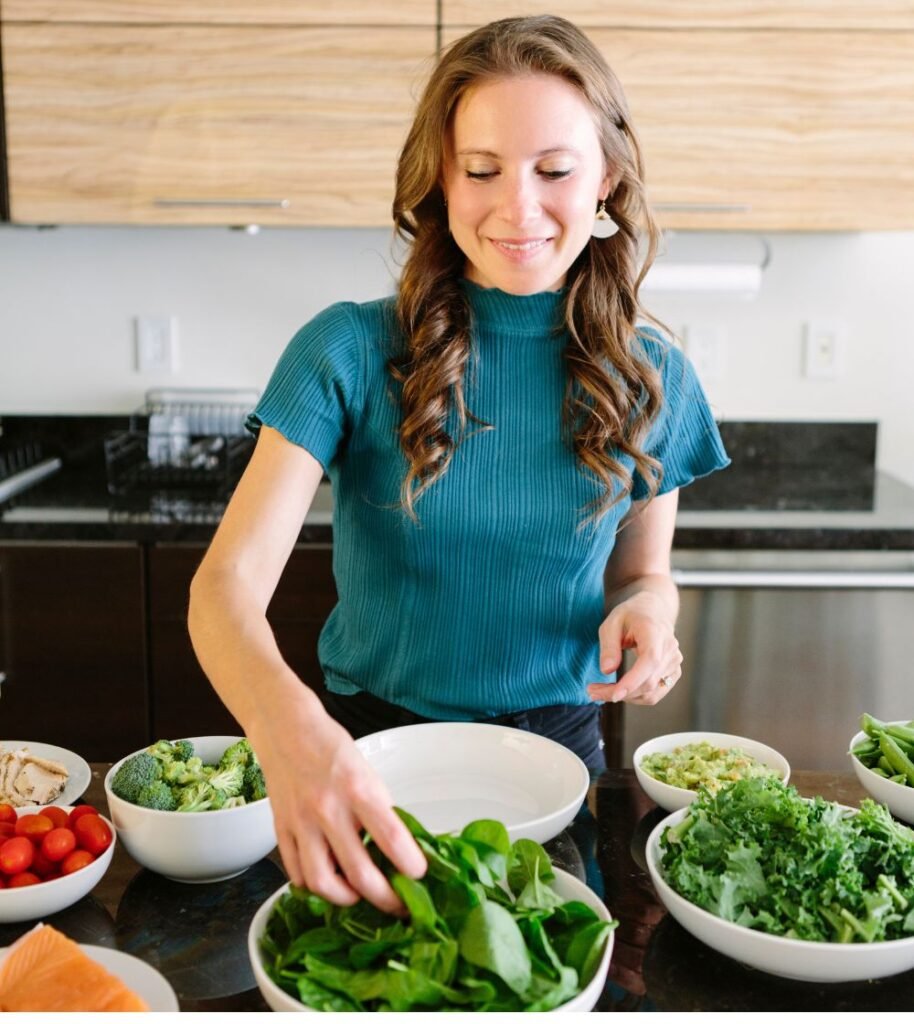
The secret weapon of stress-free families is cooking once and eating twice (or three times).
Batch cooking doesn’t have to turn into an entire-Sunday affair in the kitchen. It’s about strategic planning: How can one cooking session do the work of many meals?
The Double-Batch Method
Double down whenever you cook something. Because virtually the same amount of time and effort goes into making two pans as one.
Freeze the second batch, or plan to eat it later in the week. You’ve just cooked one night but with hardly any extra effort.
Best foods for double-batching:
- Casseroles and baked dishes
- Soups and stews
- Sauces (pasta sauce, curry, chili)
- Marinated meats
- Meatballs and meatloaf
- Grain dishes (fried rice, quinoa bowls etc.)
Prepped Ingredients Instead of Pre-Made Meals
You don’t need to prepare entire meals for the week in advance. And, often enough, simply prepping ingredients makes weeknight cooking manageable.
On Sunday, spend 30 minutes doing these things:
- Wash and chop vegetables
- Make a large batch of rice or quinoa
- Brown ground meat
- Hard-boil eggs
- Marinate chicken or tofu
- Make a simple salad dressing
When dinnertime comes, you’re not starting from nothing. You are constructing a quick meal from pre-prepped components.
The Leftover Transformation Game
Children (and grown-ups) grow tired of repeating the same meal two nights in a row. The solution? Turn leftovers into something that seems like a change.
Leftover Transformation Examples:
| Original Meal | Transformation Ideas |
|---|---|
| Roast chicken | Chicken tacos, chicken salad, chicken noodle soup, chicken quesadillas |
| Grilled steak | Steak fajitas, steak and eggs, steak salad |
| Pulled pork | Pork sandwiches, pork nachos, pork fried rice, pork pizza topping |
| Cooked vegetables | Veggie omelets, veggie pasta, veggie quesadillas, vegetable soup |
| Plain rice | Fried rice, rice bowls, rice casserole |
They can be reassembled with a little creativity and take no more input to cook than the new dish requires.
Hack #3: Create a Master Meal List That Your Family Will Actually Eat
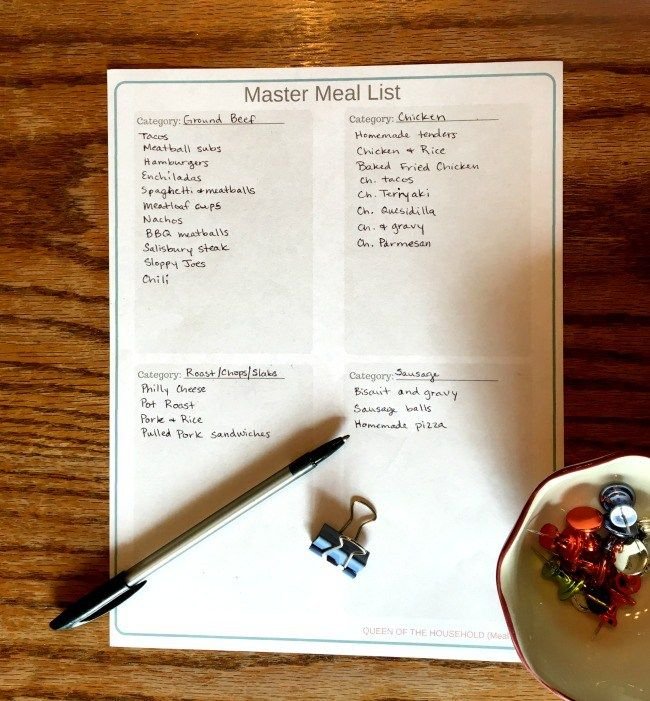
Stop looking for new recipes every week. Make a master list of meals that your family already likes and will eat without a fuss.
This one document saves us hours of planning time and cuts food waste from experimental meals that no one touches.
How to Build Your Master Meal List
Get out a notebook or open up a document on your mobile phone. Write down everything your family eats for the next two weeks.
Include:
- 30 minutes or less favorites for weeknight evenings
- Weekend dishes, for when you have more time
- Crockpot and instant pot recipes
- One-pot dishes
- Quick breakfast options
- Simple lunch ideas
Organize them by category (chicken, beef, vegetarian, pasta) or cooking method (grill, slow cooker, sheet pan, stovetop).
The 20-Recipe Rule
You really only need about 20 solid recipes to cycle through effectively. Twenty recipes is enough to ensure you’re not eating the same thing every week, but not so many options that planning feels like a herculean effort.
Typically, most families have only about 10-15 favorite meals anyway. It’s easy to extend that foundation.
Keeping Your List Dynamic
Your master list isn’t chiseled in stone. Update it seasonally, as tastes shift.
Add new successful recipes. Remove ones that didn’t work. Notice which dinners kids fought you about and which they loved.
Your customized family cookbook becomes your own personalized book which you can adjust based on your availability and tastes. For more comprehensive meal planning for families strategies and resources, you can explore additional tools and tips that work for busy households.
Hack #4: Smart Grocery Shopping with a Flexible Template
Meal planning for families goes out the window when grocery shopping is a chaotic scramble, or when you don’t have the correct groceries in your pantry.
A flexible shopping template tackles both of these issues.
Create Your Family’s Basic Inventory
There are some basic ingredients all families use. List these as your base list.
Common family staples include:
- Protein: Chicken, ground beef, eggs, beans
- Grains: Rice, pasta, bread, tortillas
- Dairy: Milk, cheese, yogurt, butter
- Produce: Onions, garlic, carrots, bananas and apples
- Pantry: Olive oil, canned tomatoes, broth, seasonings
- Frozen: Vegetables, fruit, pizza dough
Simply keep these basics on hand and you’re always good to go, regardless of what happens.
The Template Shopping List Method
Make a store section-based shopping list template to use as a foundation going forward. No more walking up and down aisles to find items or even worse – missing them completely!
Each week, print or save a copy of your template and mark what you need based on the meals you’ll make. You’re not starting fresh — you’re operating within a predictable framework.
Shopping Once a Week (Really)
Many trips to the supermarket devour time and lead to purchases on impulse. You only need to make one trip per week with proper planning.
Choose a weekly time that you can commit to each and every day based around your schedule. A time that many families find to be successful is Sunday afternoon or Monday evening.
If you do find yourself running out of something in the middle of the week, jot it down on a free-form “running shopping list” kept on your phone rather than heading to the store right away. Minor missing ingredients can usually be worked around until you hit your next shopping day.
The Backup Meal Concept
Also maintain the ingredients for two or three “emergency meals” that don’t involve fresh items. They are your back-up when life’s getting messy.
Examples:
- Spaghetti with jarred sauce and frozen meatballs
- Breakfast burritos with eggs, cheese and frozen hash browns
- Quesadillas with canned beans and cheese
- Fried rice with frozen vegetables and eggs
They satisfyingly fill the void of takeout temptation when you are too tired to cook, or your available fresh ingredients run short without warning.
Hack #5: The 15-Minute Assembly Line Dinner Strategy
You don’t need to prepare a fancy dinner every night. Quick assembly-style dinners are so much better for stress levels.
It’s the assembly line dinner: you don’t really make a meal so much as assemble it from ready foods or easily assembled portions.
What Makes the Ideal Assembly Line Dinner
Think in building blocks, not recipes.
Basic formula: Protein + Vegetable + Grain/Starch + Sauce/Flavor
Assemble freely, swapping components as you have them.
Example combinations:
- Grilled chicken strips + roasted broccoli + rice + teriyaki sauce
- Ground beef + sautéed peppers + tortillas + salsa and cheese
- Baked salmon + green beans + quinoa + lemon butter
- Rotisserie chicken (purchased) + bagged salad + bread rolls + ranch dressing
Using Store Shortcuts Wisely
Hey, there’s no shame in using convenience products when they help alleviate stress. Family meal planning isn’t about being a chef — it’s about feeding people good food without losing your mind.
Helpful shortcuts:
- Pre-washed salad mixes
- Rotisserie chicken
- Pre-cut vegetables
- Frozen vegetables (almost as healthy as fresh)
- Pre-cooked grains
- Store-made sauces and marinades
- Canned beans (instead of dried)
Better to have a meal that is made with some ready-made items and should be eaten by everyone than to spend all this time making an intricate homemade meal and having stress and waste.
The Sheet Pan Revolution
Sheet pan dinners are the epitome of assembly-line cooking. Simply toss some protein and vegetables onto a pan, season the works and bake.
One pan. One cooking method. Minimal cleanup.
Popular sheet pan combinations:
- Sausage and potatoes with Brussels sprouts
- Chicken thighs with sweet potatoes and green beans
- Shrimp with asparagus and cherry tomatoes
- Pork chops with apples and onions
Season with olive oil and salt, pepper, dried herbs or spices of your choice. Preheat the oven to 400°F and cook for about 20-30 minutes. Done.
Hack #6: Family Involvement and the Power of Choice
The best family meal planning includes the actual family.
It smooths meals and cuts down on complaints when everyone helps even a little.
Let Kids Choose from Options
Instead of “What do you want for dinner?” (the path to impossible requests), offer choices that are constrained.
“Do we do tacos or pasta tonight?”
It makes kids feel empowered to have a voice, but you remain in control by limiting their choices to meals that you are actually able to make.
Age-Appropriate Kitchen Tasks
Getting your kids in on the meal prep action is a way of teaching them important life skills and cutting down on your own to-do list.
Tasks by age:
Ages 3-5:
- Washing vegetables
- Tearing lettuce
- Stirring ingredients
- Setting the table
Ages 6-9:
- Measuring ingredients
- Reading recipes aloud
- Cracking eggs
- Simple cutting with kid-safe knives
- Assembling sandwiches or tacos
Ages 10-13:
- Following simple recipes independently
- Using the microwave
- Making salads
- Cooking eggs
- Preparing snacks
Ages 14+:
- Cooking full meals with supervision
- Meal planning participation
- Grocery shopping assistance
- Baking
When kids assist with making a meal, they are also more invested in eating it. Picky eaters will often taste something they helped prepare.
The Weekly Planning Meeting
Set aside 10 minutes a week (Sunday is convenient for many families) to plan meals as a group.
Get out that master meal list. Look at the calendar for activities and late nights. Assign theme nights. Make the grocery list.
This meeting puts us all on the same page and stops the ‘I didn’t know we were going to have that’ grumbling.
Teaching Independence Through Meal Skills
As children mature, designate one evening of the week as each family member’s dinner duty. The younger kids plan and help with supervision. The teenagers organize and run it with little help.
This sets them up to be independent while ensuring you get weekly nights out of the kitchen. Everyone wins.
How These Hacks Work Together
The magic is in putting these strategies together.
Imagine your new routine:
Sunday: Set aside 10 minutes at your weekly planning meeting. Check out your theme nights and master meal list. Choose particular meals depending on what everyone has going on. Construct your shopping list from your template. Shop once for the week.
Sunday afternoon: Batch-prep 30 minutes worth. Cook rice. Chop vegetables. Marinate chicken for Tuesday.
Monday: It’s Pasta Night. You already have ingredients. Dinner takes 20 minutes.
Tuesday: Marinated chicken is ready for cooking. Your pre-chopped vegetables become an instant side. And dinner is on the table in 25 minutes.
Wednesday: A dish from the slow cooker that you started this morning. No evening cooking required.
Thursday: Turn Monday’s leftover pasta into a baked dish with fresh toppings.
Friday: Pizza night—everyone’s favorite theme. Get store-bought dough in there or indulge with delivery without feeling bad because you cooked all week.
No more daily stress about what to serve. No last-minute store runs. No expensive takeout most nights.
Just a system that works.
Common Problems with Meal Planning and How to Fix Them
So let’s tackle the real struggle when it comes to meal planning for families.
“No one in my family agrees on what we want”
Solution: There’s the base component pattern for that. Cook a simple protein, grain and vegetable. Everyone can bring their own seasonings and sauces. This could happen with taco bars, pasta bars or rice bowls.
“We do too many activities and get home late”
Solution: Reserve these for your slow cooker and instant pot nights. Or batch cook freezer meals over weekends that you can warm up. When things are hectic, assembly line dinners do the trick too.
“Healthy eating is too expensive”
Solution: Meal planning actually SAVES money by preventing waste and impulse buys. Purchase proteins when they are on sale and freeze them. Use cheaper grades of meat in recipes that call for a slow cooker. Adding beans and eggs for cheap protein is a great strategy. According to the USDA’s economic research, meal planning can reduce food costs by up to 25% by minimizing waste and impulse purchases.
“I’m not imaginative when it comes to meals”
Solution: You don’t need creativity. You’ll want your master meal list and your theme nights. Follow the same rotation. Exchange ingredients routinely for variety without recreating the wheel.
“My kids don’t eat the healthy stuff I make”
Solution: Have at least one known item in every meal. Let them help cook. Offer choice within boundaries. Be prepared to wait — studies show that sometimes children have to try new foods 10-15 times before they’ll eat one.
Measuring Your Success
How do you know it’s working with meal planning for families?
Track these simple metrics:
- Home-cooked meals per week
- Takeout and dining out expenses
- Amount of food waste
- Stress level at dinner time
- Time spent grocery shopping
You don’t need perfection. Even increasing the number of nights you cook at home from two to four is a big win.
Celebrate small victories. Progress matters more than perfection.
Getting Started This Week
Any one of the six hacks doesn’t need to be implemented all at once. Start small.
Week 1: Make your master meal list and select theme nights.
Week 2: Bring in the grocery shopping template and shop once.
Week 3: Batch prep one or two of the components.
Week 4: Schedule your first family planning meeting, and delegate cooking responsibilities.
Build the habit gradually. The more hacks you add, the stronger the system grows and the less stress it experiences.
Frequently Asked Questions
How long does meal planning take anyway?
After that, planning should take you 10-15 minutes a week. You are saving that time tenfold by avoiding decision fatigue every day, and reducing grocery store runs.
What if I don’t like cooking?
These tips work particularly well for those who don’t love to cook. The idea is to keep time spent in the kitchen to a minimum while feeding your family well. Prioritize easy assembly meals and batch cooking to minimize the number of times you have to cook.
Do I experiment with new recipes or prepare familiar ones?
Begin by getting an understanding of the ones currently on top for you. After everything is working with your set-up, you can begin to incorporate one new recipe a month. This keeps things interesting without bogging you down with planning.
What about food allergies or dietary restrictions?
Create your master meal list based on foods everyone eats. Write recipe modification notes (“almond milk instead of dairy” or “taco meat, no seasoning for Emma”). Theme nights work particularly well because it’s simple to maintain a category.
What is the best day to plan meals and go shopping?
The one day that absolutely works with YOUR schedule. Many families prefer Sunday, but Wednesday or Saturday work, too. It’s more about retaining consistency than hitting a specific day.
Is it possible to meal plan on a small budget?
Absolutely. Planning meals actually stretches the budget, by cutting down waste, curbing impulse buys and buying ingredients while they’re on sale. Turn your focus to inexpensive proteins like chicken thighs, ground meat, beans and eggs. Cook from scratch when possible.
The Low-Stress, Priceless Family Meal You Can Start Tonight
Planning family meals doesn’t have to be perfect. It takes a system that works for your specific family.
This set of six hacks—theme nights, batch cooking, a master meal list, strategic shopping, assembly line dinners and family participation—turns the daily dinner into something that is manageable rather than just a day-in-day-out ordeal.
This week, start with one. Add another next week. In a month, you’ll have a whole system that will save you time, money and your sanity.
You don’t have to become a gourmet cook here. It’s feeding your family without freaking out. It’s to reclaim your evenings. It’s not to quit wondering “What’s for dinner?” with dread.
You’ve got this. Your more organized, less frenetic dinner routine is just a few tricks away.