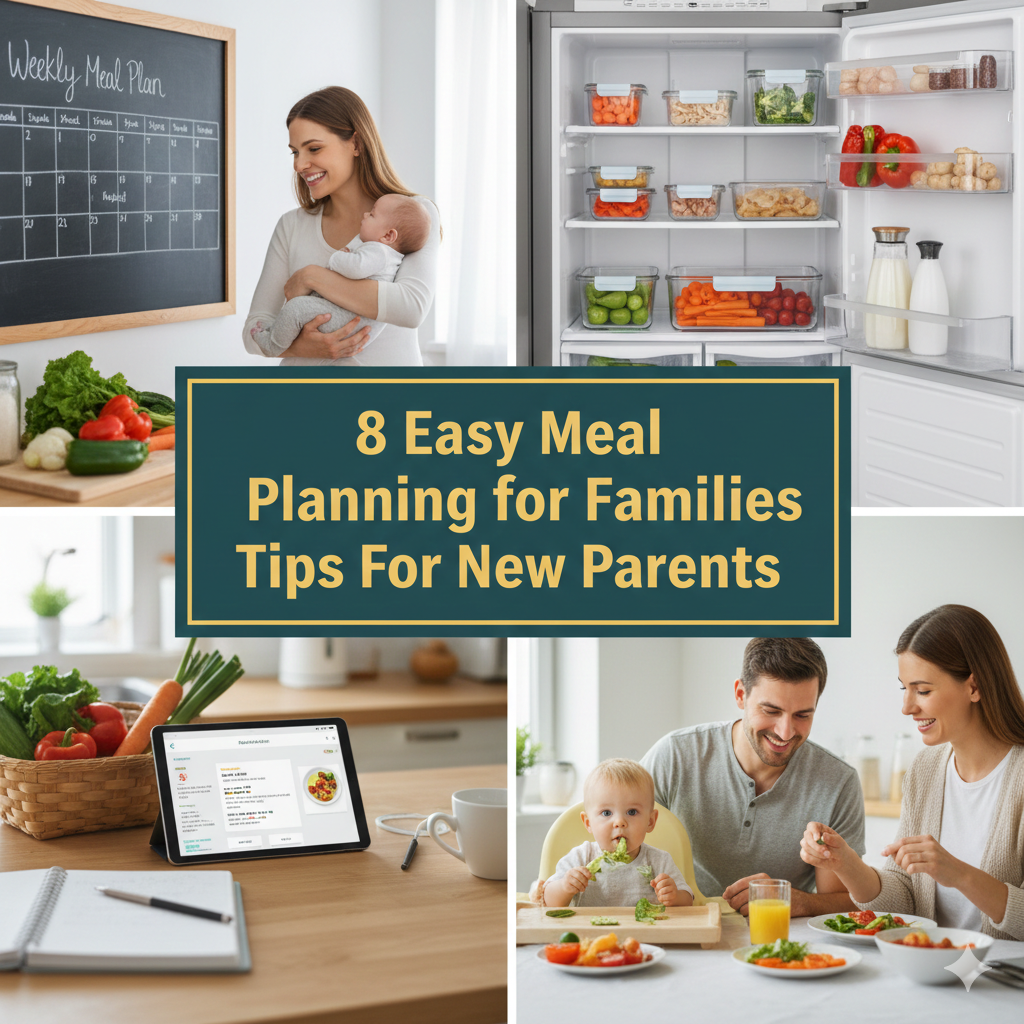
Welcome to the Wild World of Family Feeding
Becoming a parent alters everything, alone your relationship to food and time.
One minute it’s cereal for dinner at 9 p.m., the next you’re in charge of feeding three nutritious meals to a tiny human every day. Toss in grocery shopping, cooking, cleaning up and racking your brain to figure out whether you even ate lunch that day, and meal planning can be a lot.
But here is the good news: feeding your family does not, in fact, demand chef skills or hours of preparation.
By thinking small and keeping your expectations realistic, you can develop a meal planning system that works for the reality of your hectic life. This guide shares 8 real-life ideas that help first-time parents who want to spend less time stressing about meals and more time enjoying their family.
One simple strategy at a time, let’s make mealtime easier.
The Reason Why Meal Planning Is Your Sanity Saver
Before getting to the tactics, though, let’s discuss why meal planning is such a big deal for new parents.
Time savings add up fast. By planning ahead, you remove the daily “what’s for dinner?” panic. No more staring into the fridge at 6 p.m., your children melting down, and not knowing what you can throw together.
Your wallet will thank you. Meal planning leads to less impulse shopping and less food waste. You purchase what you need, and use what you purchase.
Health benefits follow naturally. When you’re not putting dinner together at the last minute, you’ll be less likely to order takeout or rely on processed foods. Your family eats better, home-cooked food.
Stress levels drop significantly. Knowing a plan is in place takes one decision off your busy plate each day. A mental energy saved is a mental dollar earned.
Now, let’s take a look at the eight techniques that make meal planning realistic for real families.
1. Begin with Theme Nights That Eliminate Decision Fatigue
Game-changer for busy parents: Theme nights.
Instead of deciding what to cook among thousands of options, you choose from one category. Monday becomes Pasta Night. Tuesday is Taco Tuesday. On Wednesday, it’s Stir-Fry or Rice Bowls.
Why it works: Your brain loves patterns. Theme nights provide a structure that turns planning into an automatic process. It’s not so much that you’re deciding between pasta or tacos, but rather that it’s Monday night and therefore the day belongs to pasta. You’re merely choosing which pasta dish to prepare.
How to implement it:
Begin with 3 theme nights a week. Choose categories your family enjoys. Add more themes as you gain comfort.
Common theme night ideas include:
- Meatless Monday (vegetarian dishes)
- Taco Tuesday (any Mexican-inspired meal)
- One-Pot Wednesday (minimal cleanup)
- Throwback Thursday (family favorites)
- Pizza Friday (homemade or takeout)
- Slow Cooker Sunday (pre-set and done)
Pro tip: Add a running list of recipes in each category. When you hit a winner, slot it into that category’s rotation. And you will end up with a personally curated collection of family favorites.
2. Batch Cooking: Your Secret Weapon for Staying Sane During the Week
Batch cooking is all about making a lot of something at once, so you can eat it throughout the week.
This is the key to turning one cooking session into several meals. Make it once and eat three or four times. That’s the kind of efficiency first-time parents can get behind.
The basic approach:
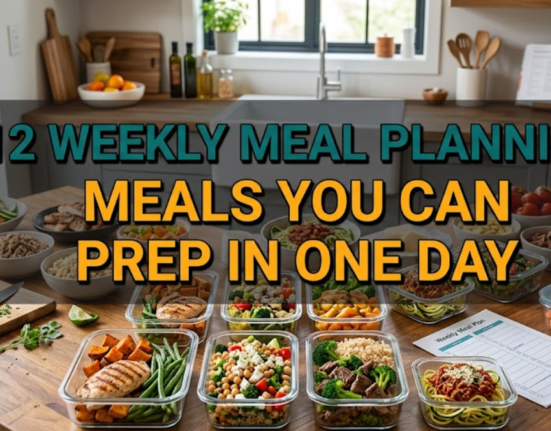
Pick a day with a few hours of your free time. Sunday afternoons are often successful for many families. Now is a good time to prep and/or make meals for the week.
What to batch cook:
Concentrate first on proteins and grains. These are the longest cooking and form the basis of all meals.
- Barbecue or broil some boneless chicken breasts
- Brown ground beef or turkey
- Make a big batch of rice or quinoa
- Roast a few sheet pans of vegetables
- Prepare a big batch of beans
Storage tips: You’re going to want some really good food storage containers. Label all items with contents and date. Most cooked dishes keep in the fridge for 3-4 days, or freeze them for longer storage.
Sample weekly plan with batch cooking:
| Day | Meal | Batch-Cooked Components |
|---|---|---|
| Monday | Chicken burrito bowls | Pre-cooked chicken, rice, beans |
| Tuesday | Beef tacos | Pre-cooked ground beef |
| Wednesday | Chicken fried rice | Pre-cooked chicken, rice, veggies |
| Thursday | Spaghetti sauce w/ beef | Pre-cooked ground beef |
| Friday | Leftover remix | Leftovers |
3. Master the Fine Art of Shopping Strategically
Shopping for groceries with a plan will always beat meandering through the store.
Create a master grocery list template. Sort it by store sections: produce, dairy, meat and pantry staples. Keep the same template every week. This not only saves time in planning, but it also cuts down on your shopping too.
Shop your pantry first. Before populating your list with items, see what you already have. You’ll realize you can make meals from foods you already own, and it’s surprising!
Stick to your list (mostly). Give yourself one or two impulse purchases if they’re on sale or seem intriguing. But make the bulk of your cart planned meals.
Choose one primary shopping day. Less time in stores means less overall spending. For most, one big shop a week plus maybe one smaller trip for perishables is going to do them well.
Consider grocery pickup or delivery. It’s become common for new parents to put more stock in convenience than in tradition, and many first-timers are finding that the few dollars spent on pickup or delivery is worth the time and stress spared. No maneuvering through aisles with a crying baby or wild toddler.
4. Build Your Meal Rotation Foundation
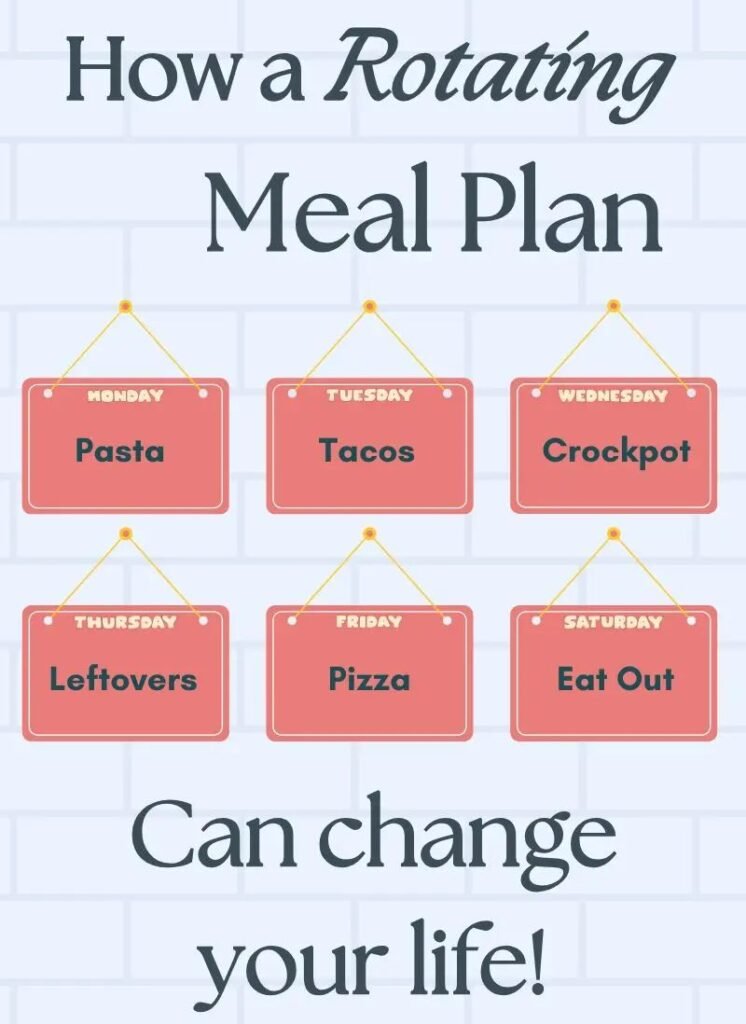
It is essential for every family to have a standard rotation of go-to meals.
These are the recipes you can practically make in your sleep. The kind your family will eat and not whine about. The dependable choices that deliver when things get hectic.
Start with 10-15 meals. That’s plenty of variety to stave off boredom without burdening yourself with too many recipes to commit to memory.
Choose recipes with these qualities:
- Short ingredient lists (10 ingredients or less)
- Quick preparation (30-45 minutes max)
- Minimal advanced techniques required
- Ingredients you can easily find
- Flavors your whole family enjoys
Organize your rotation. Write these meals down. Post the list somewhere you see: Your fridge or your phone, or in a meal planning notebook. When you’re in need of some ideas, consult this list.
Rotate through systematically. You don’t have to eat the same thing every Monday for the rest of your life. Simply cycle through your trustworthy favorites. When you find new favorites, put them into the rotation.
Sample 10-meal rotation for families:
- Spaghetti with meat sauce
- Chicken stir-fry with rice
- Tacos with ground beef
- Baked chicken with roasted vegetables
- Chili with cornbread
- Homemade pizza
- Grilled cheese and tomato soup
- Chicken quesadillas
- Pasta with pesto and veggies
- Slow cooker pulled pork
5. Embrace the Power of Customizable Meal Prep
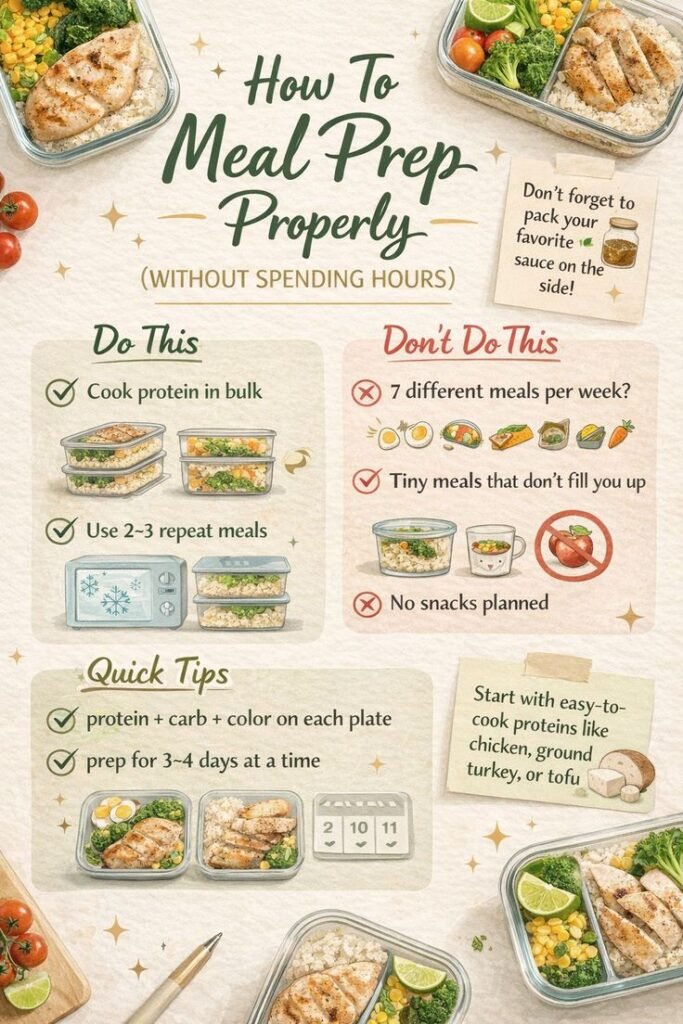
Meal prep does not entail cooking seven full meals on Sunday for containers.
That method works for some, but first-time parents often need more wiggle room. Instead, prepare elements that can be mixed and matched throughout the week.
The component approach:
Make a variety of foods that mix in many different combinations. This way, you have a variety of choices but are free from committing to certain meals.
Prep three categories:
- Proteins (chicken, beef, beans, eggs)
- Grains or starches (rice, quinoa, pasta and potatoes)
- Vegetables (fresh and cooked options)
How it works in practice:
For instance, on Sunday you might roast chicken thighs, cook brown rice and chop vegetables. This is what it turns into over the week:
- Monday: Chicken and rice bowls with raw vegetables
- Wednesday: Chicken quesadillas with leftover rice
- Friday: Fried rice made with leftover chicken and vegetables
Quick prep tasks that save time in the long run:
- Wash and cut week’s worth of vegetables
- Hard-boiled eggs for snacks and fast protein
- Prepare salad ingredients in containers
- Mix your own salad dressings or sauces
- Portion snacks into grab-and-go containers
6. Keep a Well-Stocked Pantry for Fast, Easy Emergency Meals
Life with kids is unpredictable. Some days everything goes wrong.
The baby won’t nap. Your toddler has a meltdown. Work runs late. Your planned meal sounds awful. Pantry staples will ensure that you can always whip up a decent meal without going out.
For more comprehensive strategies on meal planning for families, explore resources that provide ongoing support and fresh recipe ideas.
Favorite pantry staples for impromptu meals:
| Category | Items | Quick Meal Ideas |
|---|---|---|
| Pasta & Grains | Spaghetti, penne, rice, couscous | Pasta with jarred sauce, fried rice |
| Proteins | Canned beans, tuna, chicken | Bean burritos |
| Veggies | Canned tomatoes, frozen mixed veggies | Pasta sauce |
| Sauces | Marinara, salsa | Flavor bases for quick meals |
| Extras | Bread, tortillas, eggs | Grilled cheese, quesadillas, breakfast for dinner |
Meals from the pantry that are ready in a flash:
15-minute pasta: Boil noodles, warm a jar of sauce, add frozen vegetables and serve with grated parmesan. Done.
Bean quesadillas: Mash canned beans, spread on tortillas with cheese, fry in pan until browned.
Fried rice: Cook up some rice (or reheat leftovers), scramble in eggs, and toss along with frozen veggies and a glug of soy sauce.
Tuna pasta: Toss cooked pasta with canned tuna, some frozen peas and a bit of mayo or olive oil.
7. Plan for Leftovers Strategically
Leftovers are a first-time parent’s best friend if you know how to use them.
The answer is intentional leftovers planning, not simply eating the same meal three days in a row.
Cook with leftovers in mind. When you make dinner, double the recipe. But rather than send all that to the table, pack the extras right away for lunch or another meal.
Transform leftovers into new meals. This not only keeps things interesting, but also helps reduce food waste.
Leftover transformation ideas:
Roasted chicken becomes:
- Chicken salad sandwiches
- Chicken quesadillas
- Chicken fried rice
- Chicken noodle soup
- Chicken pizza topping
Ground beef transforms into:
- Tacos from spaghetti sauce beef
- Sloppy joes from taco meat
- Stuffed peppers from plain ground beef
- Nachos from chili
Rice gets a second life as:
- Fried rice with any protein
- Rice bowls with new toppings
- Soup addition for thickness
- Rice pudding with milk and cinnamon for breakfast
Designate one day a week as “leftovers night.” Typically best on Thursday or Friday. Everyone finds what they want in the fridge. This uses up the food before the weekend and needs no cooking.
8. Use Simple Planning Tools That Work
You don’t have to get fancy apps or complicated systems. Choose one straightforward tool and make it the one you use.
Option 1: Paper and pen.
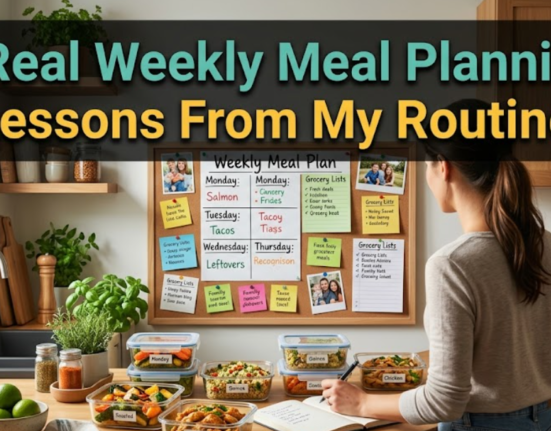
You can pick up a simple weekly planner, or use a notebook. Write down seven dinners. Make your grocery list. Done. Some parents relish the materiality of writing stuff down.
Option 2: Your phone.
Leverage the notes app you already use. Make a note for meal plans and one for shopping lists. Update weekly. Bring your shopping list to the store with you.
Option 3: Whiteboard or chalkboard.
Hang it in your kitchen. Write the week’s meals where everyone can see them. Kids love to look forward, so you can peek at it anytime.
Option 4: Meal planning apps.
You can store your recipes and use the planning tool to make automatic grocery lists with apps like Mealime, Plan to Eat or Paprika if you’re a tech enthusiast. Free versions typically offer everything you want.
The best planning rhythm:
The average person who writes a meal plan allows for 15-30 minutes once a week. Friday or Saturday is a good time to shop — prepare for the week ahead then shop.
During your planning session:
- Note on your calendar the nights when you will be most busy
- Take stock of what’s already in your fridge and pantry
- Select 5-7 dinners (1 being a flex meal or leftovers)
- Make your shopping list
- Place a grocery order or plan your shopping trip
Keep it simple at first. Start by planning just dinners. Once you feel like that’s manageable, you might add breakfast and lunch planning, if you so desire.
Making It All Work Together
Let’s tie those eight strategies together in one self-contained week.
Sample week combining multiple strategies:
Sunday: Batch cooking day
- Grill chicken breasts (30 minutes)
- Cook rice in the rice cooker (30 minutes, hands-off)
- Roast vegetables (40 minutes, mostly unattended)
- Chop up raw vegetables for snacks and salads
Monday: Pasta Night / Theme Night
- Use jarred sauce, add frozen meatballs, side with salad (from prepped produce)
Tuesday – Using Batch Cooking
- Chicken burrito bowls using pre-cooked chicken and rice, speedy toppings
Wednesday – Quick Pantry Meal
- Canned bean and cheese quesadillas (kids can help here)
Thursday – Transform Leftovers
- Fried rice with leftover chicken, rice and vegetables
Friday – Theme: Pizza Night
- Made at home with store-bought dough or ordered for delivery
Saturday – Family Cooking
- An activity that everyone can pitch in to make fun, such as build-your-own tacos
Sunday – Slow Cooker
- Begin chili in the morning, and leave it simmering all day while you go about your business
Common Obstacles and Real Solutions
“My kids won’t eat the food I cook.”
Begin by anchoring your rotation with familiar foods. Introduce new foods alongside favorites. Invite kids to assist with age-appropriate prep jobs — food they help create is more likely to be eaten. Have one “safe food” on offer at each meal when you have picky eaters.
“I’m too busy to meal plan at all.”
Start by planning only three dinners a week. There is nothing wrong with quickening the pace of decisions with some themed nights. Keep recycling your favorite meals — variety is overrated when you’re just trying to make it through early parenthood.
“Plans are already falling through by Wednesday.”
Build flexibility into your plan. Don’t assign each meal to a specific day — simply have seven options available and choose one every day. Always have one super-easy dinner option for the tough days. Keep pantry meals as backup.
“I want something and my partner wants something else.”
Take turns choosing meals each week. Each person picks three dinners; they agree to one together. Cook meals that are mix-and-match, so people can pick and choose.
Frequently Asked Questions
As a first-time parent, how far should I be planning my meals in advance?
One week is best for most families. It’s doable without being overwhelming, and you can react based on how the past week played out. When you want to feel more at ease, maybe you’ll batch plan for two weeks, but for now it’s a seven-day process when you start.
What if I don’t know how to cook much of anything?
You don’t need to be a chef. Spend some time with about 5-7 dead-easy dishes you know you can knock out of the park. As things gain momentum, add one new recipe a week. Consult YouTube cooking videos for visual instruction. A lot of first-time parents are amazed at how quickly they get the hang of it.
How do I meal plan when my baby’s schedule is inconsistent?
Pay attention to meals that can be prepared in stages or reheated quickly. Things like slow cooker meals, one-pot dinners and anything you can make while your kids nap are major lifesavers. Get used to the fact that some nights will be cereal or sandwiches, and that’s totally okay.
Is it appropriate to include my kids in meal planning?
Yes, when age-appropriate. Even toddlers can point to images of the foods they prefer. Children in preschool may also help to make a decision between two choices. For older kids, allow one meal per week to be their choice. Participation increases the likelihood that they’ll actually eat what’s there to be eaten.
How much is reasonable to expect myself to make from scratch?
Whatever works for your family. Homemade everything will not win you a medal. Rotisserie chicken, pre-chopped veggies, jarred sauce, frozen sides: They don’t have to mean you’re a terrible parent. It’s a savvy parent who is directing energy where it counts.
Which day of the week is best for grocery shopping?
Pick the day that’s best for you. Many shop one of the two weekend days, when your spouse can look after the kids. Others like weekday mornings, when stores have fewer shoppers. Online purchases with pickup can be whenever convenient for you.
Your Next Steps Start Small
You’re not going to implement all eight strategies tomorrow.
Choose the one that sounds most like you. Maybe it’s theme nights. Or batch cooking. Or even just creating a simple meal rotation. Whatever it is, start there.
Master that single technique for 2 weeks. When it’s comfortable, add another strategy. Build your system gradually.
Keep in mind that meal planning is not about perfection. It’s about reducing stress and making your life easier. Some weeks you’ll nail it. Some weeks, it’ll be takeout and frozen pizza for the win. Both scenarios are fine.
What’s important is having a baseline — a system you retreat back to when the dust settles and enough adaptability to help you get by when it doesn’t.
You are already doing a fantastic job of keeping a tiny human alive and well. Simple meal planning tactics like these just make that good work a little simpler. You can do this, and dinner doesn’t have to be a daily crisis anymore.
Start with one strategy today. You (and your family’s bellies) will thank you in the future.