Imagine this: It’s 5:30 p.m. on a Tuesday. You’re opening your refrigerator, thinking about what to make for dinner as your kids hover and ask when will food be ready? Sound familiar? You’re not alone. This is a daily issue for thousands of families.
Meal planning need not be an exercise in piecing together a puzzle with missing pieces. You can learn to make your weekly routine more delightful, rather than dreadful. These are the 7 secret strategies that you can use to start making tasty foods, saving time and money, as well as discovering that cooking for your family is way easier than you ever thought possible.
Let’s dive into these life-changing game plans that are enabling busy families to win dinner.
Smart Family Meal-Planning Tools to Make Your Life Easier
But before we share our meal planning secrets, let’s discuss why this matters so much for families today.
Because when you prep your meals in advance, you’re not simply arranging food. You are in charge of your schedule, your budget and your family’s health. Research shows that when families organize their meals in advance, they tend to eat better, waste less food and spend about 30% less for groceries each month.
The best part? You’ll quit running to that pricey last-minute takeout place because you’re too beat to come up with dinner. Your wallet, and your waistline, will thank you.
Secret Tactic #1: The Theme Night Revolution
OK, secret that the best family cooks won’t tell you: if you theme it, then 90% of stress erased from meal planning.
Instead of “What should I cook tonight?” You already know the response because you have a schedule of themes. This simple little trick saves mental energy and makes grocery shopping a breeze.
Building Your Theme Night System
Begin by choosing 5-7 topics that your family enjoys. Here are some popular options:
- Monday: Meatless Monday (vegetarian dishes)
- Tuesday: Taco Tuesday (Mexican-inspired meals)
- Wednesday: One-Pot Wednesday (minimal cleanup; lots of flavor)
- Thursday: Throwback Thursday (comfort food)
- Friday: Freezer Friday (use leftovers or stuff from the freezer)
- Saturday: Set It and Forget It Saturday (slow cooking and easy)
- Sunday: Family Feast Sunday (everyone prepares to cook)
The joy of theme nights is that they can cater to some variation. Just because it’s Taco Tuesday does not mean the tacos have to be the same every week. There are fish tacos, chicken tacos, taco salad, burrito bowls and quesadillas to rotate between.
Working with Themes for Picky Eaters
Have someone particularly hard to please at your table? Theme nights can be a true boon here, I’ve found. It makes kids feel safe when they know what kind of food to expect. You can involve them in selecting specific recipes within each theme, and give them ownership without giving in to all the possibilities.
Secret #2: The Goldmine of Batch Cooking

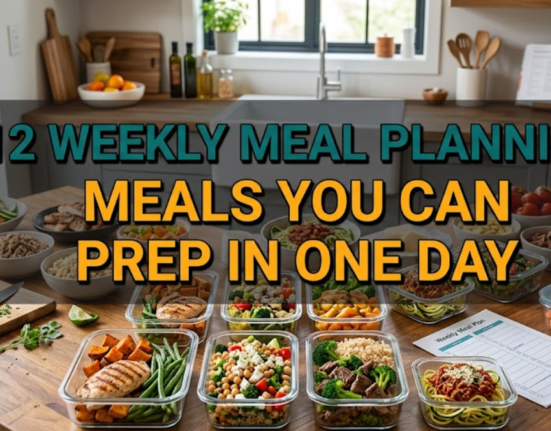
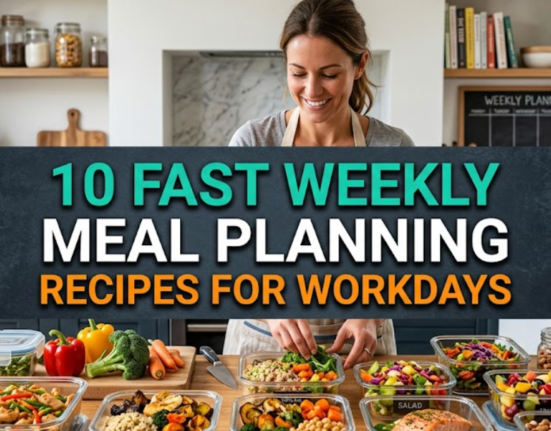
Wise families learned that batch cooking is the closest thing you can get to a time machine. Devote a few hours on Sunday, and you’ll have dinner ready for most of the week.
This system is brilliant because it’s a way of you to be leveraging your time. Your oven is already hot, your cutting board has been counted on, and you’re in cooking mode.
Your Batch Cooking Game Plan
Choose three proteins and cook them at the same time. For example:
- Bake 6 chicken breasts
- Brown 2 pounds of ground beef
- Roast a whole chicken, or boneless turkey breast
You now have prepped protein to use in several meals during the week. That roast chicken becomes chicken tacos, and chicken salad, and a quick stir-fry or braise or soup.
Batch Prep vs. Batch Cook
There’s a difference worth knowing. Batch prepping can include things such as chopping fresh vegetables, washing some lettuce or portioning out snacks ahead of time. Batch cooking is complete meals or ingredients.
Both strategies are time-savers, but you don’t need to go whole hog. Start with what feels manageable. Perhaps you spend Sunday afternoon chopping all your vegetables. That’s still a huge win.
Secret Method #3: The Reverse Meal Planning Hack
It’s how people usually do things: Plan meals, then shop. Smart families turn this process on its head, and it turns everything around.
Here’s How It Works: First check what’s on sale at your grocery store. Then plan your meals around those discounted items.
The Weekly Sale Scan Strategy
Each Sunday morning (or whenever you can manage), grab your local grocery store’s weekly ad. Take stock of which proteins, produce and pantry items are on sale.
If chicken thighs are 50% off, that’s your protein for at least three meals this week. If bell peppers are affordable, all of a sudden you’re making fajitas, stuffed peppers and stir-fry.
This one habit will reduce your grocery bill by $50-100 a month. Over a year, that’s an entire family vacation just for shopping smarter.
The Clearance Section Secret
Pro tip: Head to the reduced-price section of your grocery store. You’ll also come across meat, bakery goods and produce that must be used soon at 30% to 50% off.
Purchase these groceries, cooking either the same day, or freezing once home. This is particularly useful advice for bread (freeze it for later), meat (cook it or freeze) and produce (make soup or smoothies).
Secret Technique #4: The Flexible Framework Formula
Rigid meal plans fail. Life happens. You get sick, soccer practice runs late or you’re just not in the mood for that salmon you’ve penciled in for Wednesday.
The trick is to make sure your plan is flexible from the outset.
Creating Your Floating Meal Bank
Let go of the idea of specific meals for specific days and instead, have a list of about 5-7 meal ideas that you’ll make “sometime this week.” Purchase all of the ingredients, but remain flexible about when you cook what.
If crazy steps in, on Tuesday trade your 30-minute meal for the 10-minute version. All the ingredients are there, so you’re not eating takeout now, but you’re in touch with how real life is.
The Emergency Meal Stash
Smart families have a backup plan for everything. Stock your pantry and freezer for three emergency meals that call for no fresh ingredients.
Examples include:
- Store bought sauce with pasta and frozen meatballs
- Fried Rice with Frozen Veg and Eggs
- Canned black bean-and-cheese quesadillas
- Canned tomatoes, beans and frozen vegetables in a soup base
You wouldn’t always choose these meals, but they’re better than pricey takeout when life throws you curveballs.
Secret Method #5: The Leftover Transformation System
For many families, leftovers have been relegated to boring reheat status. The winning families look at them as ingredients for completely new dishes.
Transitioning to this mindset is a massive money-saving, and food waste-reducing move.
The Three-Day Transformation Rule
Never have the same food twice. Instead, transform it. Here’s how it works:
Monday: Roast a whole chicken with roasted vegetables
Tuesday: Cook up something with chicken meat, such as quesadillas with fresh toppings
Wednesday: Convert any remaining chicken and vegetables into chicken soup or fried rice
See the pattern? It’s the same base ingredients, completely separate meals. Your family will not feel as if they’re eating leftovers because they are not.
Smart Storage for Success
The way leftovers are stored will make the difference between using them or not. Skip the giant containers. Instead, scoop into individual-serving containers or meal-sized portions.
Add a date and the name of what’s inside to each label. Your future self will thank you when peering into a crowded fridge at dinnertime.
Secret #6: The Family Input Formula
Here’s a truth bomb for ya: if only one person is making the meal plan, that system will fail. Everybody has the best meal planning when everyone pitches in.
That doesn’t mean chaos in which everyone chooses whatever he wants. It’s a matter of well-structured input that makes everyone feel heard, all while keeping you in control.
The Weekly Request System
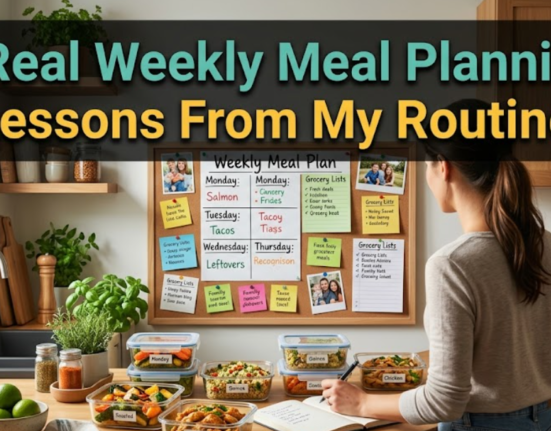
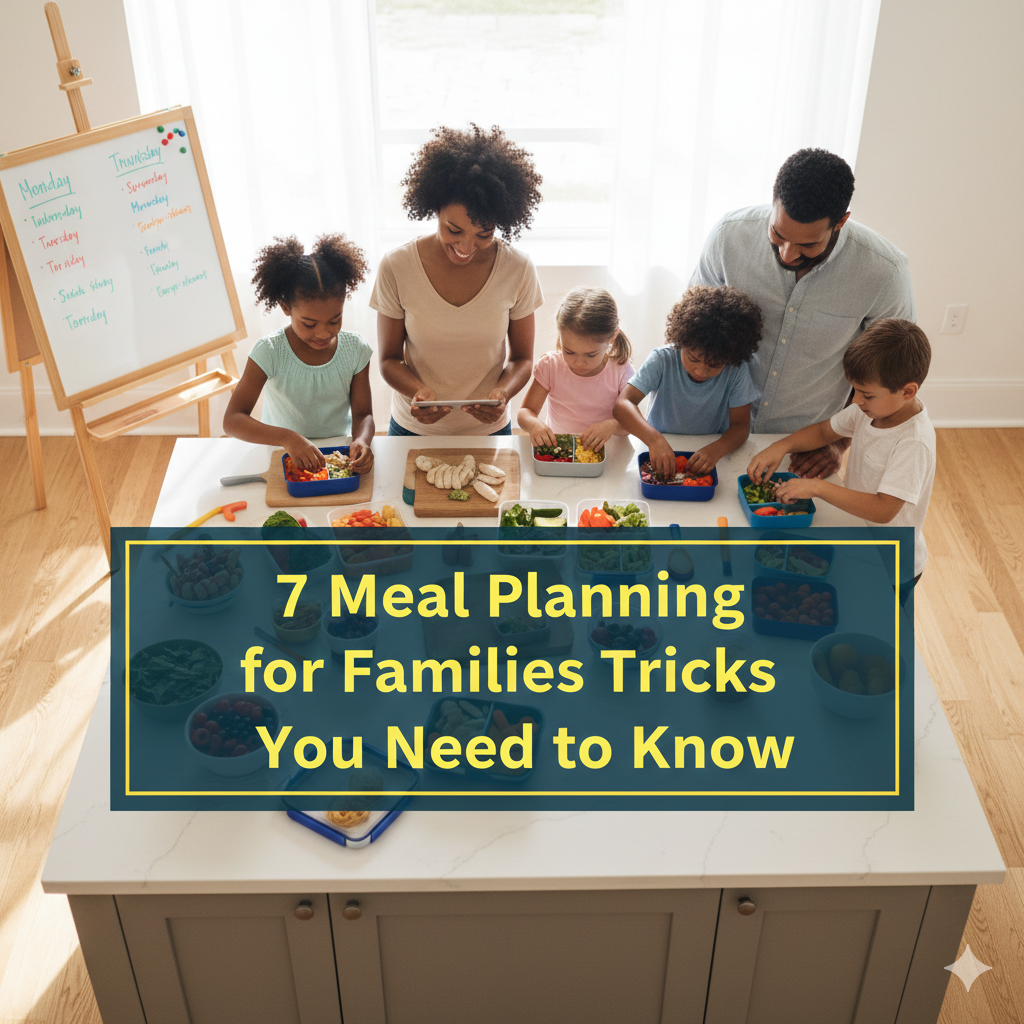
Assign each member of the family one meal to request per week. Write them down on your family calendar or a whiteboard. Now you have ready-to-go meals that you know people will happily eat.
Children are way more likely to eat a meal if they had input on what it would be. And you’re also teaching kids about planning, budgeting and making decisions.
The Rating Card Trick
And keep a simple kitchen notebook. After you experiment with a new recipe, have everyone rank it on a scale of 1 to 5 stars. Include a few brief notes about what worked or what you’d change next time.
Eventually, you can make your own little cookbook of your family’s favorite meals. No more guessing about what everyone will like.
Secret #7: The Strategic Repeat Strategy
Variety is cool, but variety is overrated. It’s that successful meal planners know the secret: Repeating meals strategically makes everything easier.
You don’t need 365 new meals each year. You’ve got 20 to 30 good recipes that your family likes, and you rotate those.
Building Your Core Recipe Rotation
Begin by jotting down 10 meals that your family presently adores and will eat without protest. These become your foundation meals.
Now toss in 10 additional recipes that you want to try for the next two months. Test them one at a time. The winners join your rotation. The losers get deleted.
In no time, you’ve built up a go-to list of family-friendly options. Planning becomes as simple as choosing from this list.
The Seasonal Rotation Method
Vary the rotation according to seasons. Summer meals make use of fresh tomatoes, corn and grilled proteins. In the winter, meals are soups, stews and roasted root vegetables.
It’s a way to keep things fresh and interesting, while making the most of produce that is at its best, and least expensive.
| Season | Featured Ingredients | Example Dishes |
|---|---|---|
| Spring | Asparagus, peas, strawberries | Lemon chicken with asparagus, spring salads |
| Summer | Tomatoes, corn, zucchini | Grilled proteins, fresh salads, veggie kebabs |
| Fall | Squash, apples, Brussels sprouts | Roasted chicken with root vegetables, apple-glazed pork |
| Winter | Potatoes, carrots, citrus | Hearty soups, slow cooker meals, casseroles |
Bringing It All Together
And these seven secret methods work even better when you use them together. Begin with theme nights for structure, throw in some batch cooking for efficiency, and leave space in the plan so real life can happen.
The key is starting small. You can’t do everything at the same time. Choose whatever one or two methods sound most appealing to you and try them for two weeks.
Frequently, families report that planning meals feels second nature after one month. Those initial weeks might feel strange, but bear with it. It is so totally worth the effort, for all that time and stress you’ll save yourself.
Because, as we all should know by now, meal planning for families is not about perfection. It’s about progress. Some weeks will go smoothly. Other weeks will be messy. That’s normal family life.
The aim is only to be better prepared more often than you are today. But it’s better to plan three dinners a week than no dinners.
For more detailed guidance on creating sustainable meal planning habits, the USDA’s MyPlate resources offer excellent tips on balanced nutrition and portion control that complement any meal planning strategy.
Frequently Asked Questions
So, how much time does meal planning really take?
The average family spends 30-45 minutes weekly on meal planning and creating a shopping list. This tiny time commitment eliminates 5-10 hours of nightly “what’s for dinner” stress, and extra trips to the store.
What if my family likes different foods?
Utilize the “base plus options” approach. Prepare a simple meal base (like grilled chicken and rice) and then offer various toppings or sides. There is something for everyone, and you don’t have to make three different meals.
What do I do about last minute scheduling conflicts?
Don’t assign meals to specific days in your plan, so you have flexibility. Store-bought quick-cooking meals are the name of the game, and you can keep all your emergency backup frozen dinners for when days turn crazy.
Is meal planning expensive to begin with?
No, you should begin with ingredients you already have. Meal planning saves money by decreasing food waste and impulse buys, actually. Average families save $200-400 per month once utilizing a meal planning system.
How can I engage my kids in meal planning?
Give age-appropriate tasks. Young children may choose between a pair of alternatives. Older children can select recipes, contribute to shopping lists or prepare simple components of meals. Make it fun, not a chore.
What’s the optimal day to meal plan?
Most families plan on Sunday, but the ideal day is whenever works best for your schedule. Friday evening or Saturday morning work for some. Choose a regular time and don’t vary.
How many meal plans should I make a week?
Then start planning dinners only, maybe five or six a week. That leaves leftovers, as well as one night of flexibility. After you’re comfortable with that, you can also start planning breakfast and lunch.
What if I can’t (or won’t) batch cook?
Batch cooking is optional. Concentrate on simpler tactics like theme nights and reverse meal planning instead. Even just 15 minutes of vegetable preparation on Sunday makes a world of difference.
Meal planning for families doesn’t need fancy apps or elaborate systems to plan meals for our family. These seven hidden truths provide you with real, usable solutions that work in the real world, for actual families. Begin with the basics and keep at it, and you’ll wonder where your dinnertime stress went as your family eats meals they love together.