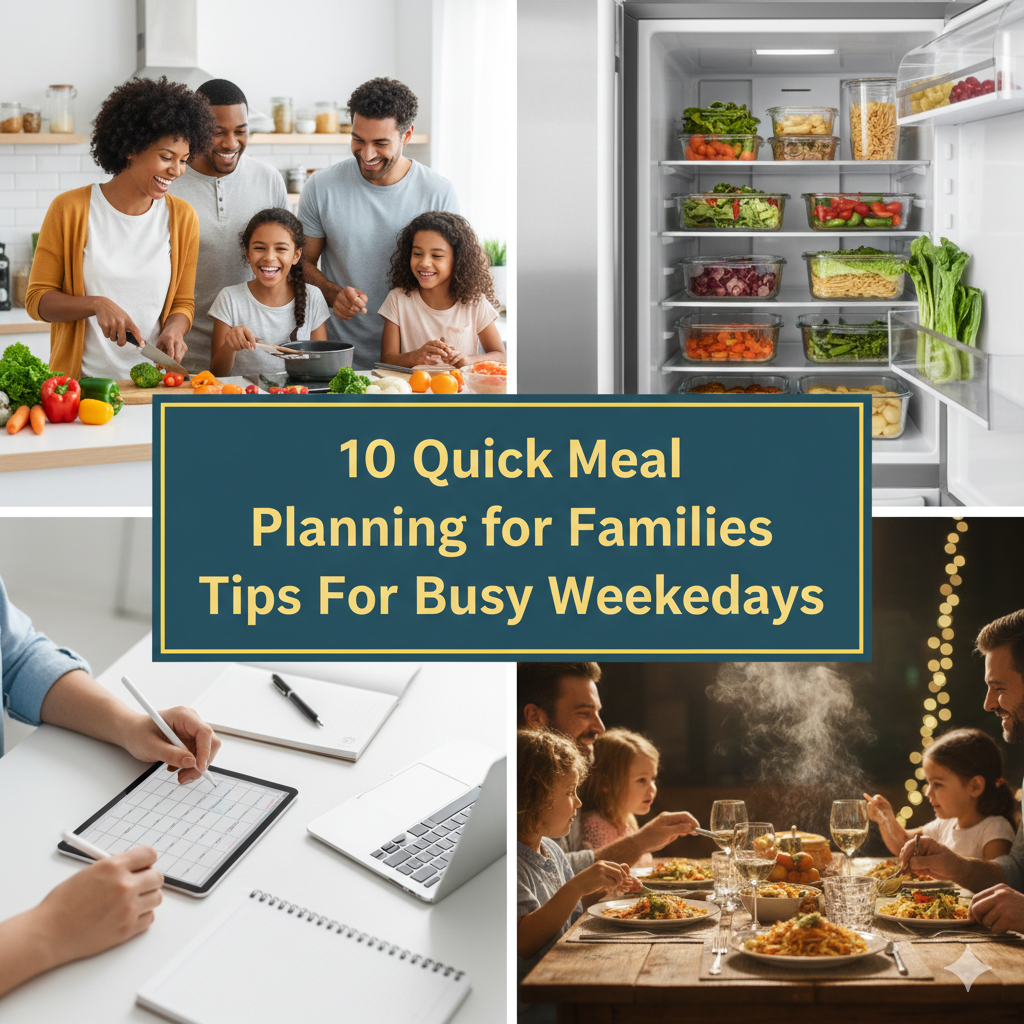
Introduction: Meal Planning Changes Everything for Busy Families
It is 6:30 P.M. and the kitchen clock reads the same. Your kids are hungry. You just got home from work. The refrigerator resembles a puzzle with pieces missing.
Sound familiar?
The majority of families wrestle with this drumbeat on a daily basis. With all of the school, activities, work and homework, cooking feels impossible. Fast food becomes tempting. Stress levels rise. Food budgets suffer.
But here’s the thing: Cooking at home doesn’t require hours of prep work or complicated recipes. With careful planning, you can feed your family healthy meals without the daily panic.
This article provides ten simple tips that work for real busy families. These aren’t perfect Pinterest ideas. They are tried-and-true strategies from parents who have managed to make weeknight dinners materialize with ingredients sourced from local markets.
Let’s move your weeknight cooking from chaos to bliss.
Tip 1: The Power Hour of Preparation on Sunday That Will Save Your Week
One hour on Sunday, focused like this creates peace for the entire week.
Here is what gives this hour its power: you’re making these decisions when you’re not overwhelmed, when it’s not 6 p.m. on a Tuesday and your willpower is sapped and grumpy from another long day at the office or with screaming children.
What to Do with Your Power Hour
Begin with a glance at your family calendar. Keep a record of every event, late appointment, soccer practice. These specifics are important because they determine the type of meals you’ll want each night.
Next, choose your recipes. Choose 4-5 entrees that fit within your schedule. Don’t plan seven different meals. Leftovers are your friend.
Make your shopping list next. Make sure to check your pantry first so you don’t end up buying duplicates. Sort your list by store sections and you’ll get in-and-out of shopping quicker.
Making It Actually Happen
Set a weekly phone reminder for the same time. A Sunday afternoon is ideal for most families, but choose whatever day affords you an hour without interruption.
Get your family involved. Kids can help pick recipes. Partners can take down the shopping list. When responsibility is shared, there’s less for everyone to do.
The beauty of this system? You make choices once a week instead of seven times.
Tip 2: Collect Your Family’s Go-To Recipes
Never mind experimenting with new recipes each week. That’s a recipe for stress.
The secret to successful meal planning is rotation, not innovation.
Creating Your Core Menu
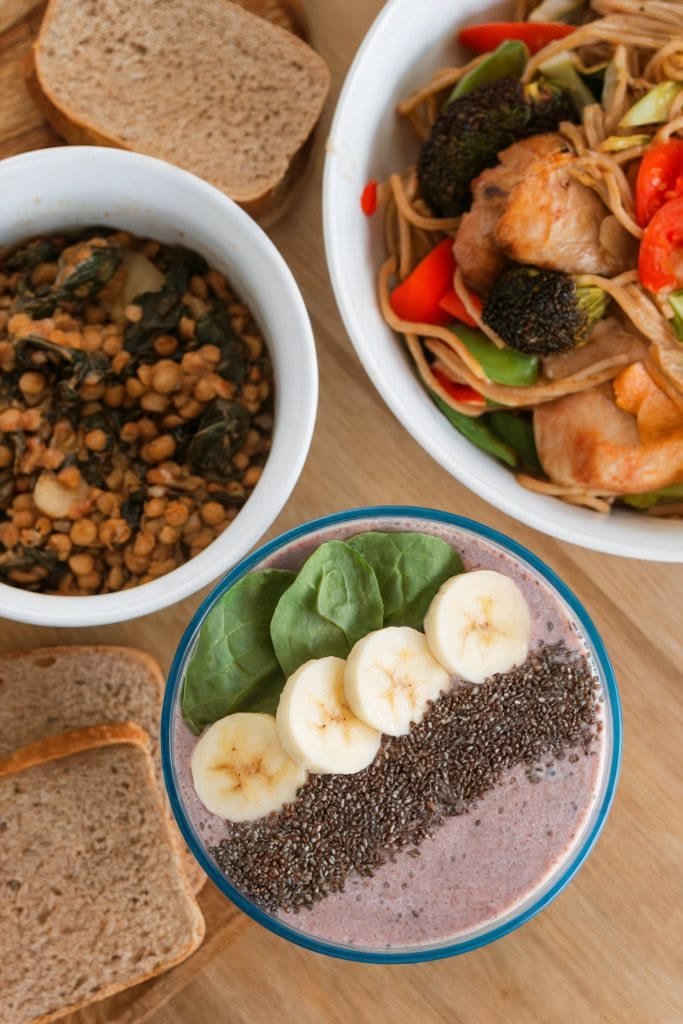
Begin with 12-15 dishes your family actually eats. Not recipes you wish they would eat. Genuine crowd-pleasers that won’t cause a fight at the dinner table.
These should include:
- 3-4 chicken dishes
- 2-3 beef or pork options
- 2 pasta dishes
- 1-2 vegetarian meals
- 2-3 fast fish or seafood recipes
Write each recipe on an index card or keep them in a phone app. (Include prep time, cooking time and main ingredients used.)
The Rotation System
Categorize your recipes: Quick (under 30 minutes), Slow Cooker, Sheet Pan and One-Pot meals.
Pick at least one from each category each week. This will give variety in your meals without carrying away your time.
New recipes? Give one a month, not one a week. If you hit it post it.
Tip 3: Nailing It When It Comes to Theme Nights
Theme nights eliminate decision fatigue. When it’s Taco Night Monday, you have no choice.
Popular Theme Night Ideas
Meatless Monday: Pasta, pizza, veggie stir-fry or bean burritos
Taco Tuesday: Ground beef, chicken, or fish tacos with choices
Wok Wednesday: Stir fry anything with rice and/or noodles
Throwback Thursday: Comfort food like meatloaf, pot roast, or chicken and dumplings
Pizza Friday: Homemade, frozen, or delivery to celebrate the weekend
Why This Works
Your brain loves patterns. Theme nights create automatic decisions. Kids know what to expect. You can keep ingredients stocked.
Besides, theme nights don’t have to mean the same meal every week. Taco Tuesday would include beef tacos, fish tacos, taco salad and burrito bowls on rotation.
Such a magical equilibrium between freedom and form.
Tip 4: Prep the Ingredients, Not the Whole Meal
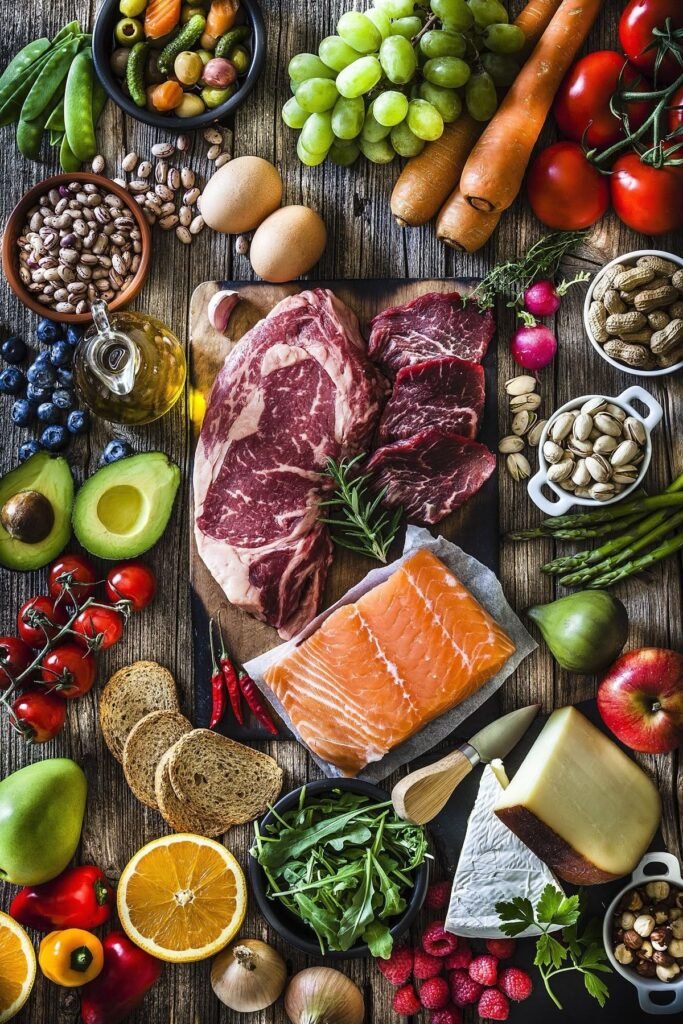
Full meal prep takes hours. Prepping ingredients takes 30 minutes and delivers the same efficiency.
The Best Ingredients to Prep Ahead
Vegetables: Rinse lettuce, chop onions, dice peppers, peel carrots. Keep in containers with paper towels to deter any moisture.
Proteins: Marinate chicken breasts, divide ground beef, season pork chops. Freeze in meal-sized portions.
Grains: Prepare a large pot of rice or quinoa. It reheats beautifully all week.
Sauces: Prepare marinara, teriyaki or salad dressings in bulk.
The 30-Minute Prep Session
Following your shopping trip, devote 30 minutes to prep. It’s all out there already, so it’s a great time to do that.
Wash and chop vegetables first. Package proteins next. Save any grains for the final act of cleanup duty.
This little time investment shaves weeknight cooking in half.
Tip 5: Make as Many Things Ahead of Time and Double Them
If you’re cooking once, you might as well be cooking twice.
Smart Doubling Strategy
When making lasagna, assemble two. Bake one tonight, and freeze one for next week. Same effort, double the results.
Soups, stews, casseroles, sauces — all of these are easy to double. Most require the same amount of time to prepare for big batches as they do for small ones.
Label all with date and reheat directions. Your later self will thank you.
What Freezes Well
| Food Type | Freezer Life | Method For Reheating |
|---|---|---|
| Casseroles | 2-3 months | 350°F oven |
| Soups/Stews | 3-4 months | Stovetop or microwave |
| Cooked chicken | 2-3 months | Any method |
| Meatballs | 3-4 months | Oven or sauce |
| Cooked rice | 1-2 months | Microwave with moisture |
Foods That Don’t Freeze
Pass on raw potatoes, cream-based sauces (they’ll separate), salad greens and anything with mayonnaise.
Tip 6: Stock Your Pantry Like a Pro
The importance of a well-stocked pantry is that, even when life doesn’t go as planned, you can make a meal. For more comprehensive strategies on keeping your pantry organized, check out meal planning for families resources.
Essential Pantry Staples
Proteins: Canned tuna, canned chicken, beans (black, kidney, chickpea)
Grains: Pasta (all shapes), rice (white/brown), couscous
Sauces: Marinara, salsa, soy sauce, hot sauce, BBQ sauce
Canned Goods: Diced tomatoes, tomato paste, corn and green beans
Oils & Vinegars: Olive and vegetable oil, balsamic vinegar, rice vinegar
Spices: Salt, pepper, garlic powder, onion powder, Italian seasoning, cumin, chili powder
Quick Pantry Meals
You can use these ingredients to create:
- Noodles with marinara sauce and canned chicken
- Fried rice with frozen vegetables
- Bean quesadillas
- Tuna pasta salad
- Chicken and rice with vegetables
Check your pantry monthly. And as you use stuff, replace it. This prevents last-minute grocery runs.
Tip 7: Let the Freezer Do Double Duty
Your freezer is good for more than just storing ice cream. It is a time machine for meals.
Freezer Meal Categories
Breakfast Items: Pancakes, waffles, breakfast burritos, muffins
Lunch Choices: Portions of soup, cooked grains, sandwich meat
Dinner Components: Marinated proteins, chopped vegetables, cooked beans
Sides: Garlic bread, rice, or roasted vegetables
Proper Freezer Storage
And use freezer bags, which take up less space than containers. Squeeze the air out before you seal it.
Freeze items flat when possible. They also stack better and thaw more quickly.
Label everything clearly. “Chicken something, maybe October?” doesn’t help anyone.
The Emergency Meal Stash
Have 3-4 ready to heat meals on hand for dire emergencies. Store-bought lasagna, a frozen pizza or fully precooked casseroles will do just fine.
These aren’t failures. They’re insurance for the pizza delivery fee.
Tip 8: Saving Time Through Smart Shopping Ways
You don’t have to take two hours shopping for groceries. These tactics reduce time spent shopping.
Create a Master Shopping List
Make a template with every food item you buy regularly, categorized by section of the store. Instead of writing from scratch, check off what you need each week.
A lot of grocery apps allow you to make custom lists which remember your choices.
Shop at Strategic Times
Avoid weekends and after-work hours. Go early in the morning or late in the evening when there are fewer people and you can check out quickly.
If possible, shop without kids. You’ll get through more swiftly and won’t make any impulse buys from small shoppers.
Online Ordering Options
Grocery pickup or delivery costs a few bucks, and saves 1-2 hours. That time is worth money.
Many services save your usual purchases, so reordering basics takes no time at all.
Stick to Your List (Mostly)
Impulse buys are both more expensive and messier. Purchase extra only if staples are on sale.
The exception? If meat, produce or whatever you’re in need of is on steep discount, grab a bunch extra to freeze.
Tip 9: Get Everyone Involved & Engaged
One person shouldn’t have to be in charge of meal planning.
Age-Appropriate Kitchen Tasks
Ages 3-5: Washing vegetables, stirring cold ingredients, setting the table
Ages 6-9: Following a recipe with measuring, cracking eggs, assembling tacos or sandwiches
Ages 10-13: Using basic recipes, operating stovetops and ovens (under supervision), making salads
Ages 14+: Complete meal preparation, planning, cooking and shopping for all members of your household
The Family Menu Meeting
Once a month, let each family member choose one meal into the rotation. This breeds buy-in and minimizes complaints.
Children involved in planning and making the food are much more likely to at least taste new foods.
Partner Participation
Split the mental load. One person plans, the other shops. Or alternate weeks. Do what works for your family.
Cooking together doesn’t have to be work. It can be quality time. Play music, talk about the day and bond over food prep.
Tip 10: Allow Yourself to Be Flexible
Ideal meal plans are gorgeous on paper. Real life is messier.
The Backup Plan
It’s useful to have a Plan B. Always have the makings for one really fast meal around. Options include:
- Breakfast for dinner (pancakes, eggs, toast)
- Quesadillas with whatever’s available
- Pasta with butter and parmesan
- Grilled cheese and tomato soup
When to Pivot
If the Tuesday plan takes 45 minutes, but you’re running behind because of after-school activities or other afternoon grind-type BS, substitute that meal with Friday’s 20-minute deal. Flexibility isn’t failure.
Takeout once a week? That’s fine. You will still be cooking 6 nights a week. That’s a massive win.
Make Allowances for the Seasons and Life Changes
Summer schedules are different from school-year routines. Sports seasons change everything. And recalibrate your life as it changes.
What works in January may be less effective by June. Do spend at least an hour on those and update your system every three months.
Designing Your Meal Planning Template Weekly
A clear template means planning needs no thinking about.
Basic Weekly Template Structure
| Day | Main Dish | Side 1 | Side 2 | Prep Notes |
|---|---|---|---|---|
| Monday | Slow cooker chicken | Rice | Green beans | Start in morning |
| Tuesday | Spaghetti | Salad | Garlic bread | Use Sunday prep |
| Wednesday | Stir-fry | Rice | Edamame | Quick cook |
| Thursday | Leftovers | Fresh fruit | – | No cooking |
| Friday | Homemade pizza | Salad | – | Family project |
Color Coding System
Color code your meals:
- Green for vegetarian
- Blue for quick meals (under 30 minutes)
- Red for slow cooker
- Yellow for family favorites
All family members benefit from visual systems to understand what the week has in store.
Budget-Friendly Meal Planning Strategies
Reasonable meal planning can save money without sacrificing nutrition.
Cost-Cutting Techniques
Buy in Bulk: Rice, pasta, beans and frozen vegetables come at a cheaper rate when you buy them in bulk.
Seasonal Produce: The winter tomato just isn’t worth that much more than the summer one. Shop what’s in season.
Meat Substitutes: Beans, lentils and eggs offer protein at much lower prices. Meatless meal one or two days a week = $10-15 saved.
Store Brands: Ninety percent of the time generic equals the name brand, and 30% less expensive.
Price Comparison Chart
| Protein Source | Cost per Serving | Prep Time |
|---|---|---|
| Dried beans | $0.25 | 1 hour (or overnight) |
| Eggs | $0.40 | 5 minutes |
| Chicken thighs | $1.50 | 30 minutes |
| Ground beef | $2.00 | 20 minutes |
| Salmon | $4.00 | 20 minutes |
Reduce Food Waste
Meals: Plan similar ingredients into more than one meal. If you purchase cilantro for tacos, plan another meal that week using cilantro.
Honor one night as “clean out the fridge” meal night. Eat up vegetables, last bits of proteins and odds and ends.
The Tools and Apps for Planning, Simplified
Using technology for meal planning can be a game changer. According to EatingWell, meal planning apps can significantly reduce food waste and help families eat healthier meals throughout the week.
Meal Planning Apps
Paprika: In this app, recipes are saved, shopping lists are made and menus are planned all in one convenient place.
Mealime: Puts together meal plans that cater to your personal diet and household size.
Plan to Eat: Drag-and-drop recipes onto calendar for visual planning.
Shopping Apps
AnyList: Real-time sync with all the family members.
Out of Milk: Keeps track of pantry inventory and generates shopping lists for you.
Recipe Sources
Budget Bytes: Cost-effective recipes with per-serving prices.
The Kitchn: Quick weeknight recipes with straight-forward directions.
AllRecipes: Reader reviews can sort out which are truly family-friendly meals.
Fast Meal Planning for Families FAQs
How long does it really take to plan meals?
It takes 1–2 hours of setup to structure recipes and develop your system. Once you get into it, planning weekly takes about 30–60 minutes. It saves you 5-7 hours per week on cooking and grocery shopping, a major net time saver.
What if my family is picky about food?
Build meals with customizable components. Taco bars, pasta stations and stir-fry bowls mean everyone can make their own choices. While introducing new foods slowly, the picky eaters can also keep some plain options within reach.
Should I be meal-prepping over weekends or weeknights?
Do what fits your schedule. Some families prefer Sunday prep. Others spend 10 minutes each evening. The best system is the one that you will actually keep doing forever.
What should I do if my schedule changes unexpectedly?
Build flexibility into your plan. Know which meals freeze well. Stock backup ingredients for quick meals. Don’t plan complex dishes for evenings likely to get thrown off course.
What if I’m too busy to cook every night?
You don’t need to. Plan 2 to 3 nights of leftovers, one night of takeout and one breakfast-for-dinner night. That’s just 2-3 real cooking evenings a week.
How do I get my children to eat the meals that we have decided on?
Get them planning and preparing. Have them pick a meal each week. Bring in new foods along with favorites. Don’t force them, but do expose them to variety — widely and often.
Conclusion: Simple Meal Planning for Your First Week
Quick family meal planning is not about perfection. It’s about easing the stress of a typical day, and getting a meal on the table without constantly feeling as if you’re hyperventilating.
Start small this week. Choose just three recipes you know your family likes. Shop these and keep a backup. Prep what you can on Sunday.
That’s it. Three pre-planned meals trump seven nights of “What’s for dinner?” chaos.
As you gain confidence, introduce more structure. Try a theme night. Prep some ingredients ahead. Bring the kids into the kitchen to help with cooking.
Small changes create big results. In a month, you’ll be wondering how you ever lived without the meal plan.
The goal isn’t Instagram-worthy perfection. The destination is healthy food on the table without losing your mind. These ten tips ensure you can, even on busier weeks.
Your family deserves good meals. You deserve less stress. Fast meal planning strategies help you achieve both.
Start planning this Sunday. Your weeknight self will thank you.