

There are people out there who would love to eat like a glutton for as little coin as possible. If you’re one of them, let me tell ya: You can keep your budget tight and still feed the whole fam-damily — none of these recipes will break the bank. With the cost of groceries soaring annually, many parents feel overwhelmed about feeding their families nutritious food. The good news? Intelligent meal planning can reduce your food bills and keep everyone satisfied and sated.
This guide reveals nine doable tactics real families use to eat well without breaking the bank. You’ll learn to shop smarter, cook more efficiently and get the most from every dollar. Whether you’re feeding picky eaters or trying to do so without breaking the bank, these strategies will change how you approach mealtime.
Why Meal Planning Saves Money
Before we get into tactics, let’s discuss the whys behind planning. The meal-planning family spends 25-30% less on groceries than the one that wings it. Plan-less means you’ll be more tempted to buy costly convenience foods, throw away ingredients or order takeout when you’re stranded.
Planning gives you control. The decision of what to buy, when to cook it and how to put leftovers to work is up to you. That is less food waste, fewer impulse buys and more money lining your pocket.
Base Your Food Plan on Sales and Seasons
The savviest shoppers thumb through weekly ads before deciding what to cook. Grocery stores run sales on meat, produce and pantry staples. If you plan your menu around what’s on sale, you’re already saving money.
Look at your local store’s app or website each week. Find “loss leaders” — super cheap items that stores use to get customers in the door. If it’s chicken thigh sale week, three of your meals are chicken based. When bell peppers are rock-bottom cheap, stuff them, stir-fry them or roast them.
You pay less for seasonal produce because there’s plenty of it. Squash and apples do well in fall. Berries and tomatoes dominate summer. You get better flavor and you also save money when you eat with the seasons.
Smart Shopping Tip: Don’t splurge on bulk sale items that you won’t use. Much of what goes in becomes waste when food spoils before you eat it.
Learn How to Batch Cook
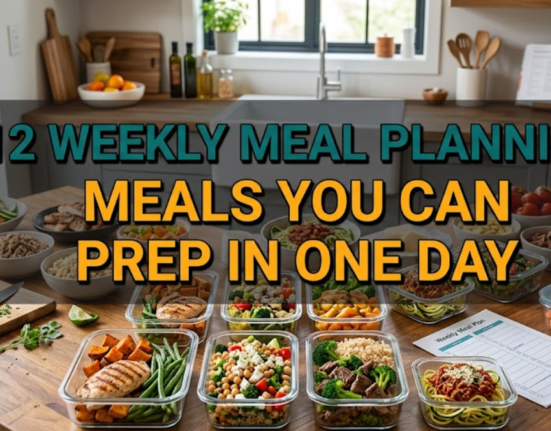
Batch cooking is for the person who loves saving time and money. You spend a few hours on Sunday throwing together large amounts of food and then eat happily all week with little to do.
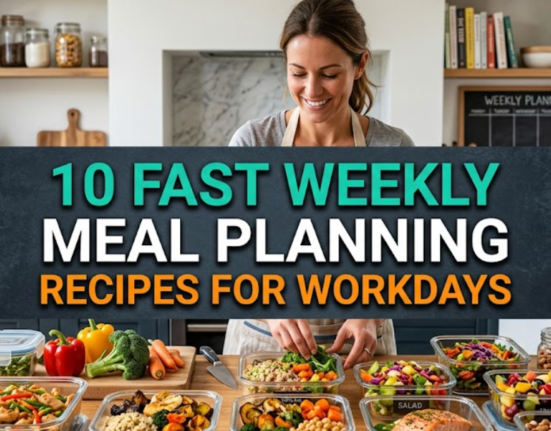
Just make one big pot of rice, a pan or two of roasted vegetables and some pounds of seasoned ground beef or shredded chicken. These ingredients can then be assembled into a variety of meals during the week.
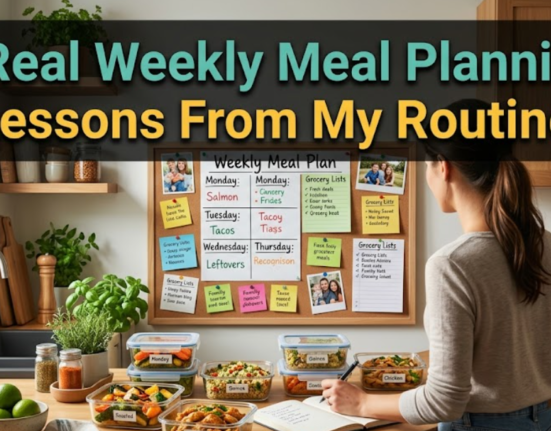
Monday might be chicken tacos. Tuesday reuses the chicken in pasta. Wednesday Roasted veggie rice bowls. The ingredients are the same, but meals feel different.
Batch cooking saves on the power bill as well. Heating your oven once on two hours trumps running it every day. Your kitchen remains cooler as well, and that is something in the summer.
Batch Cooking Basics

Begin with these simple batch-cooking building blocks:
Grains: Cook 6 to 8 cups rice, quinoa or pasta at a time. Keep in the refrigerator for up to 5 days.
Protein: Roast a few chicken breasts, cook a big pot of beans or brown several pounds of ground meat.
Vegetables: Roast sheet pans of assorted vegetables or chop raw veggies for fast meal additions.
Sauces: You can prepare large quantities of tomato sauce, curry or salad dressing to easily add to your food for a flavor burst.
Have a Rotating Menu of Cheap Eats
Stop reinventing dinner every night. We only enjoy about 10-15 tried and true meals where they seem to last us several months. This makes shopping easier and limits decision fatigue.
Maybe spaghetti is one night, taco Tuesday another, stir-fry Thursday and pizza Friday. As much structure as possible and still be loose.
Opt for meals that have similar ingredients. When you buy a head of cabbage, plan coleslaw one night and cabbage stir fry another. This tactic reduces waste and stretches your grocery dollars.
For more ideas on creating weekly meal plans, check out our comprehensive guide on meal planning for families.
| Day | Meal Style | Example Dish | Price |
|---|---|---|---|
| Monday | Pasta Night | Spaghetti with meat sauce | $8-10 |
| Tuesday | Mexican | Bean and cheese burritos | $6-8 |
| Wednesday | One-Pot | Chicken & rice casserole | $10-12 |
| Thursday | Stir-fry | Vegetable fried rice | $7-9 |
| Friday | Breakfast for Dinner | Pancakes and eggs | $5-7 |
| Saturday | Slow Cooker | Beef stew | $12-15 |
| Sunday | Leftovers Remix | Kitchen sink stir-fry | $3-5 |
Shop Your Pantry First
Take stock of what you have before heading to the store. Canned goods in the rear of cupboards, frozen items at the bottom of freezers: Most families have forgotten foods toward which little hands can gravitate.
Make shopping the pantry — not the store — a rule. Test your mind to cook the most ridiculous meal. That random can of chickpeas gets turned into hummus or curry. Those vegetables are absolutely fine in soup.
This will prevent double buying and keep you from letting food go to waste. Eating what they have on hand saves some families $50-100 a month right there.
Make a basic pantry inventory list on your phone. The next time you empty the last can of tomatoes — or bag of pasta, or tin of tuna, or whatever — on a shelf or in the refrigerator, put it straight on your shopping list.
Go Vegetarian Several Days a Week
Not to mention the fact that meat is fairly expensive, typically pricier than any other ingredient. Slashing is never about skimping on protein or satisfaction. Beans, lentils, eggs and chickpeas offer high-protein nutrition at a fraction of the price.
A pound of dried beans costs about $1-2 and makes enough for several meals. Compare that to chicken, which costs $5-8 per pound, or beef at $8-12. The savings add up quickly.
Try meatless Mondays to start. Have black bean tacos, lentil soup, chickpea curry or veggie chili. Many families will find these meals are favorites.
Eggs deserve special mention. At around $3 to $4 per dozen, they’re nature’s ideal cheap protein. Scrambles, frittatas, fried rice with eggs and egg sandwiches are just a few of the many possibilities to feed hungry families without that costly meat.
Budget-Friendly Protein Sources
Here’s what different proteins cost per serving:
- Dried beans/lentils: $0.10-0.25 per serving
- Eggs: $0.25-0.35 per egg
- Canned tuna: $0.50-0.75 per serving
- Chicken thighs: $0.75-1.25 per serving
- Ground beef: $1.50-2.50 per serving
- Salmon: $3.00-5.00 per serving
Reducing the cost of dinner from bean-based meals to beef-based can add up to a $400-600 savings for families on a tight budget in a year’s time.
Use Leftovers Strategically
Leftovers are free meals just waiting to happen. The trick is turning them into something that feels fresh instead of serving the same thing twice.
Roast chicken turns into chicken salad, quesadillas or soup. Rice left over becomes fried rice. Leftover roasted vegetables swirled into omelets or tossed into pasta.
Dedicate a container in your fridge to odds and ends. When it gets full, make “everything soup” or a “kitchen sink stir-fry” with whatever you have that needs eating.
Brown-bagging it for lunch can save you money on fast food and other meal options when out of the house. One would save $50-80 per week for a family of four by packing lunch from home.
Leftover Transformation Ideas:
- Taco meat → nachos, burrito bowls, stuffed peppers
- Roasted vegetables → frittata, over pizza, or in grain bowls
- Rice → Fried rice, rice pudding or stuffed tomatoes
- Pasta → pasta salad or baked casserole of pasta
- Rotisserie chicken → soup, enchiladas or chicken salad
Purchase Store Brands and Generic Items

Brand names invest millions in marketing and packaging. You’re paying for that advertising every time you purchase the familiar label instead of the store brand.
In blind taste tests, the majority of people cannot discern between a brand name and generic. The formulations are frequently the same, manufactured in the same plants with different packaging.
Begin with off-branding staples such as flour, sugar, canned goods and pasta. Most households save 20-40% without any deterioration in quality.
There are some things that you absolutely should buy name brand if it suits your preference. But push yourself to sample the generics of everything at least once. You might be pleasantly surprised.
According to the USDA’s food spending guidelines, switching to generic brands is one of the most effective ways to reduce grocery costs without sacrificing nutrition.
One Slow Cooker or Instant Pot Meal Plan Weekly
Slow cookers, pressure cookers, they’re budget warriors. They take cheap, tough cuts of meat and turn them into delicious, tender meals. And they draw less electricity than conventional ovens.
Cheap cuts like chuck roast or pork shoulder or chicken thighs transform into something else entirely when cooked low and slow. These are 30-50% cheaper than the high-quality options.
Set the slow cooker in motion in the morning, and dinner takes care of itself, practically. Returning home to a prepared meal saves money on last-minute, expensive takeout orders.
Soups, stews, chilis, and dishes involving shredded meats all thrive in slow cookers. One chicken can yield a week’s worth of shredded meat for tacos, sandwiches and soup.
Budget Slow Cooker Winners:
- Pulled pork from pork shoulder
- Beef stew from chuck roast
- Whole chicken for shredded meat
- Ham hock ham and bean soup
- Vegetable lentil curry
Get Your Family in the Planning Mix
Children who participate in planning meals are more likely to eat the dishes without protest. Have a family meeting once a week where everybody contributes one meal idea.
Give children age-appropriate tasks. Young children might wash vegetables or tear lettuce. Older children can measure ingredients or even follow simple recipes. With direction, teenagers can manage full meals.
You’re teaching useful life skills while spending some quality time when families cook together. Teach kids how to cook, and you end up with adults who can feed themselves for a lifetime.
Have every family member choose their go-to affordable dinner for the weekly rotation. That way everyone has an exciting meal to look forward to, and you’ll have far fewer battles at mealtimes.
Start a suggestion box and have family members drop meal ideas there during the week. Check suggestions when planning your menu.
Frequently Asked Questions
What is a reasonable grocery budget for family of 4?
The average family of four spends $800-1,200 per month on groceries, but with smart shopping habits like buying in bulk and planning strategically, you can feed four people well for $500-700 without sacrificing nutrition or variety.
What are the least expensive dishes to feed a big family?
Pasta dishes, rice-and-bean dishes, grain bowls, soups and breakfast-for-dinner dishes will give you filling, healthy meals for $1-$2 per person. Spaghetti, chili, fried rice and pancakes will stretch your food dollar most.
How do I plan a meal when I have picky eaters in the family?
Begin with foods all agree on, then gradually introduce new items alongside loved and familiar ones. Allow picky eaters in on planning and cooking. Offer new foods without pressure and model adventurous eating yourself.
Does it pay to still buy organic on a limited budget?
Concentrate your organic dollars on what’s known as the “Dirty Dozen” — foods like strawberries, spinach and apples that have the highest pesticide residues. Buy conventional “Clean Fifteen” such as avocados, corn and pineapple to save cash.
How can I save on food waste in my family?
Plan meals around items you already have, store food properly to maximize its life span, eat leftovers within 3-4 days after preparing them, freeze portions if you won’t get to them soon, and compost scraps instead of trashing them.
Is bulk buying always cheaper?
Buying in bulk only saves you money if you’re going to use everything before it goes bad. Determine a per-unit cost and compare this to sales prices. Warehouse clubs are a particularly good fit for large families that consume items at a fast pace.
How to Use Your Budget to Work for You
Feeding your family well on a budget is not about deprivation. It’s all about being mindful of your decisions and inventive with your cooking.
Begin with just two or three tactics in this guide. Perhaps you’ll start looking at sales before making the week’s plan or adding one meatless meal every week. Pennies add up to big savings over time.
Keep track of how much you spend on groceries for a month to determine your baseline. Then see those totals decrease as you use these meal planning strategies. Hundreds of families have reduced their food bills by a third in the first few months.
Keep in mind that small indulgences and convenience foods are part of eating on a budget. The aim is progress, not perfection. Making a frozen pizza on that kind of night beats ordering in at extravagant expense and abandoning your plan entirely.
Your loved ones should be eating yummy, nutritious meals, regardless of your budget. With these nine strategies, you know how to make that work. The few hours per week you invest in planning gets returned to you many times over in terms of saved money, stress reduced, and family bonds strengthened around the dinner table.
Go ahead and begin meal planning today and see your grocery bills drop while your family’s happiness grows!