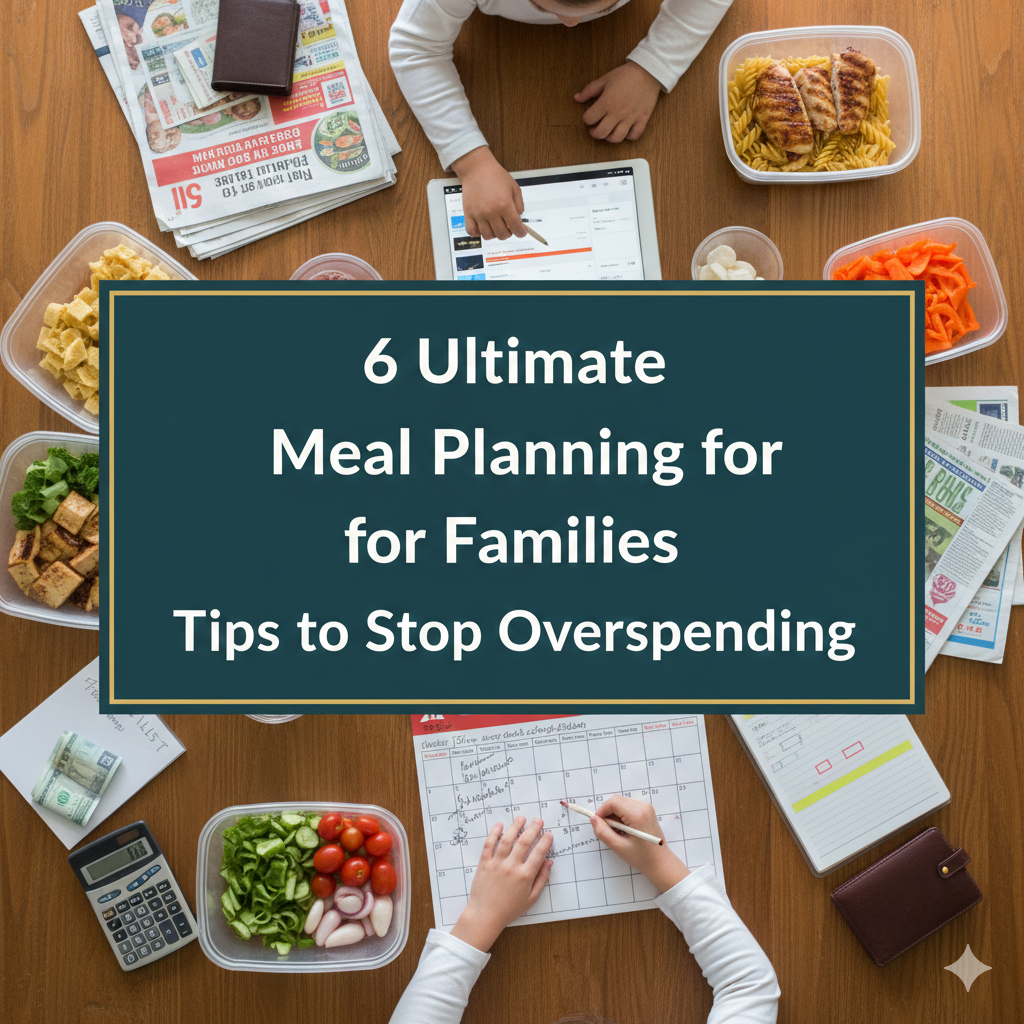
Does your food expense make you cringe when the bill arrives? You’re not alone. The majority of families overpay for food. The good news? With a little planning, you can easily slash hundreds from your budget without skimping on taste or nutrition.
Meal planning does not mean that you have to eat the same boring food or spend countless hours in the kitchen. It’s about using your money and time wisely. Planning helps you spend less at the grocery store: You buy only the food that you need, and where there’s no waste, your money also doesn’t go to waste.
This guide will walk you through six powerful and effective strategies. These are not trick questions, or pie in the sky. They are practical tips used by crazy-busy families every single day to slash their food costs in half and have a better sit-down dinner (and be excited about it) together.
Want to wrest control of your food budget from the trash can? Let’s jump in.
Plan Your Weekly Menu Before You Shop
Try to remember the last time you took a walk through a grocery store without ever having thought about what you planned to buy. You likely took whatever looked good, forgot half the things you needed and got home with stuff you didn’t need. That’s how overspending happens.
Your first line of defense is to generate a weekly menu. When you know, precisely and specifically, what you’re cooking for the next seven days, everything else falls into place.
Begin with what you have already. Look in your fridge, freezer and pantry. Write down all the things that need to be used soon. The chicken breast in your freezer? Build a meal around it. Those cans of tomatoes in the back of your cupboard? They’re perfect for pasta sauce.
Pick five to seven dinners. You don’t have to eat a different dinner every night. More families are cooking fresh food five nights a week and getting by with leftovers or other easy meals like sandwiches on the remaining days. Select recipes that have a few overlapping ingredients to save money.
Theme nights make planning easier. Consider Meatless Monday, Taco Tuesday or Pasta Thursday. When you have an architecture, you don’t spend time figuring out what to make. Your kids will also learn what to anticipate, leading to fewer dinner battles.
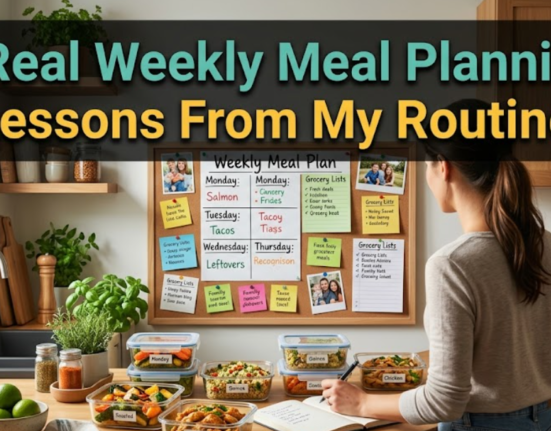
Write everything down. You can keep a notebook on you going, or use an app on your phone, or a calendar hanging from the fridge. The exact style doesn’t matter, so long as you can view your entire week at a glance. This includes breakfast, lunch, dinner and snacks if you pack them for work or school.
Match Meals to Your Schedule
Not every night is the same. And Wednesdays might be insane with soccer practice, while Sundays are chill. Plan easy 20-minute meals for hectic evenings and save long, complicated recipes for when you have more time.
Some days are just crazy and having a slow cooker meal is perfect. Open a few cans in the morning, and dinner is ready when you return home. Sheet pan dinners are fantastic too – everything bakes on one pan in the oven while you assist with homework.
Grocery Shop With a Plan

Your shopping list is not only a reminder of what to buy. It’s a useful hack for curbing impulse buys and staying focused.
Organize by store layout. Group items according to where they rest in your store. Keep all produce together, dairy together and canned goods together. This method saves time and ensures you don’t wander into any aisles in which you have no business.
Stick to the list religiously. Hardest part, but most important. Stores structure their layouts to get you to buy more. Those end-cap displays? They’re there to tempt you. The candy by the checkout? Same reason. It’s not on your list, you don’t buy it.
Determine a budget for extras. If you want some wiggle room, budget $10 or $15 for “fun money.” This allows you to snag a treat or splurge on something new without draining your whole budget.
Time Your Shopping Trips Right
One significant factor to consider when you shop is when. If you go to the store hungry, you will pick up expensive snacks and prepared foods. Do your shopping first thing in the morning or late at night when stores are less crowded. You will move more quickly and be less tempted.
If you do head out, try to go just once a week — not five times. When you walk into a store, you are putting yourself at risk for spending money on things you don’t really need. A separate, focused trip beats three fast runs, any day.
Use technology to your advantage. Apps for most stores will display weekly sales and digital coupons. Clip deals that are relevant to you before shopping, taking as little as five minutes. Other apps track prices and tell you when your favorite products are on sale.
Adopt the Method of Batch Cooking and Freezer Meals
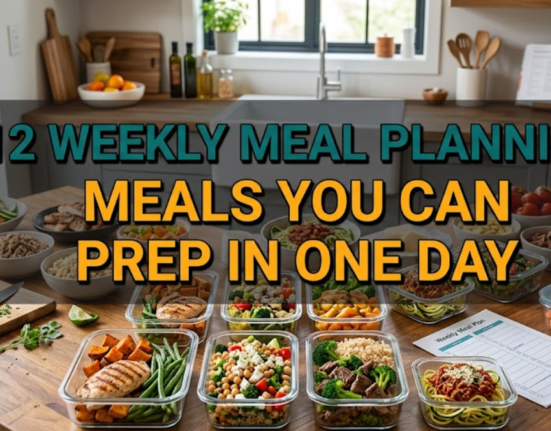
Batch cooking is the process of preparing a large amount of food at one time. It saves time, effort and money. You don’t cook one chicken breast, you cook four. Instead of one meal’s worth of sauce, you make three times that much.
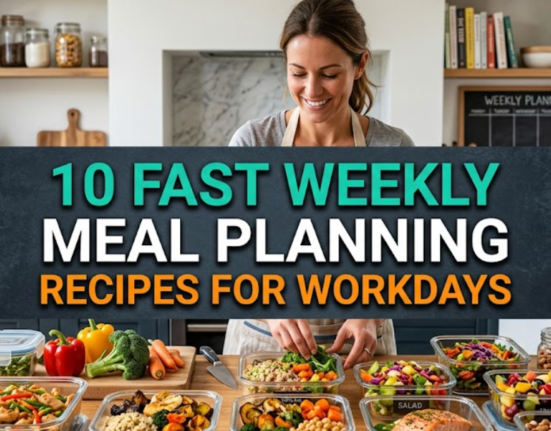
Pick a day or two to prepare. Sunday afternoons are a popular day for many families to prepare food for the week. You don’t have to cook full meals. Even washing lettuce, chopping vegetables or marinating meat can speed up weeknight cooking.
Cook double portions. When you’re making chili, lasagna or soup, double it. Eat half now, freeze half for later. So that on those busy nights, you’ll be able to get a deal of a meal on the table (rather than ordering takeout and paying an arm and a leg).
Invest in good storage containers. What you want are containers that have an air-tight seal and can go from the freezer to the microwave. Glass containers can last longer and don’t stain, but plastic ones are lighter and more affordable. Mark everything with the contents and date.
Foods That Freeze Beautifully
Not all foods freeze well, but a lot do. Soups, stews, casseroles, cooked grains and beans will all freeze very well. And raw meat and bread freeze really well. Got marinade? It’s genius — freeze chicken or pork in the marinade, then let it thaw and, voilà, lots of flavor without the hassle.
You’re better off leaving foods with high water content (lettuce, cucumbers), cream-based sauces and cooked pasta out of the freezer. Find out what works and what doesn’t so you never waste food.
Create a freezer inventory. Just make a list and keep it affixed to the door of your freezer, and you’ll never wonder what’s inside and how long ago you froze it. This will do away with mystery meals, and encourage you to use everything in your freezer before it has freezer burn. For best quality use frozen items within three months.
Shop Smart: Generic and Bulk Buying

Brand-name products are more expensive primarily because companies spend millions to advertise them. Many times the product inside is exactly the same as a generic version that in some cases sits right next to it.
Start with staples. Flour, sugar, rice, pasta and canned vegetables and frozen fruit all taste the same as the name brands. You can’t actually taste it in most recipes. This alone can reduce your grocery bill by 20% or more.
Test carefully with other items. There are some items that taste better name brand style – certain cereals or condiments. Buy the generic version one time and give it a shot. If your family enjoys it, continue to purchase it. If not, return to the brand name for that single item.
Join a wholesale club strategically. Stores like Costco or Sam’s Club have deals, but you have to shop with a little smarts. Only purchase things you truly use regularly and have space to store. A giant jar of pickled anything is no bargain if it spoils before you use it up.
The Bulk Buying Sweet Spot
Stock up on bulk purchases of things that aren’t perishable. Toilet paper, paper towels, dried beans, rice, pasta and canned goods — to say nothing of frozen vegetables — all work splendidly. Share bulk buys with friends or family members if you don’t require monster quantities.
Calculate the unit price. Bigger packages aren’t always cheaper. Compare the price per ounce or pound, not just the total price. According to the <a href=”https://www.consumerreports.org/cro/shopping/buying-guide/index.htm” target=”_blank” rel=”noopener”>Consumer Reports shopping guide</a>, stores add this to shelf tags so you can compare. Every now and then the medium size really is the best deal.
Watch for sales cycles. The average item goes on sale every 6-8 weeks. Grab half a dozen jars when your go-to pasta sauce is at its lowest price. Buy in bulk at sales and you probably won’t pay full price for anything.
Track Your Spending and Adjust
You cannot improve on what you do not measure. Keeping a close eye on your food spending lets you see exactly where your money goes and identify patterns that would otherwise be hard to notice.
Keep every receipt for a month. Stick them in an envelope, or snap photos with your phone. At the end of the month, tally it all up. You might be surprised by the sum.
Break spending into categories. How much of that did you pay for fresh produce? How much to snacks? How much to drinks? What proportion was meat versus grains and vegetables? These numbers are how your habits tell you a story.
Set realistic goals. If you were spending $800 last month, why would you be going from $800 to zero right away? Try to reduce it 10-15% the first month. You can cut more as you grow better at planning and shopping.
Review and Reflect Weekly
Spend five minutes each week reflecting on what was successful and what wasn’t. Did you even cook all the meals you hoped to? What food went to waste? What did you surprisingly run out of?
Flex your plan to fit what you actually do. If no one touched the Brussels sprouts, cease purchasing them. If everyone devoured the tacos and was left begging for more, make more next time. Your meal plan should be able to change to match your family’s true preferences.
Track your progress over time. Maintain a basic spreadsheet or notebook to track your monthly food expenditure. So it’s really motivational to see the numbers go down. Celebrate your wins — when you save $100 in a month, that’s real money going into your pocket.
Make Leftovers Work Harder
Leftovers have such a bad rap, but they’re gold for keeping food costs down. The trick is to make them exciting rather than boring.
Plan for intentional leftovers. The opposite is also true: Rather than thinking “We’ll eat the same thing tomorrow,” plan to repurpose leftovers. And roast chicken can become chicken tacos, or chicken salad, or chicken soup. Grilled vegetables become frittatas or quesadillas.
Use a rotation system. Don’t eat yesterday’s leftovers the next night. Make lasagna on Monday, refrigerate it and eat it on Thursday. This makes things exciting, and keeps you from tiring of your food.
Pack lunches the night before. As soon as dinner is over, divide any leftover food into lunch containers. This will take two minutes while you are already cleaning it up. In the morning, grab the container from the refrigerator and head out the door. No more expensive lunches to purchase at work or school.
Creative Leftover Ideas
Rice becomes fried rice. Pasta becomes pasta salad. Roasted vegetables blend into soup. Cooked meat is pressed into sandwiches or wraps, or spooned over bowls of grains. Be creative and your family may never even realize you’re serving leftovers.
The leftover buffet night. If you can’t face cooking again tonight, pull out all those bits of small containers filled with leftovers and let everyone build their own plate. It empties the refrigerator, reduces waste and children find it to be fun.
Freeze small portions. And if you have leftover curry but not enough for a meal, freeze in a single-serving container. They become fast lunches or parts of other dishes.
For more helpful strategies and resources, visit <a href=”https://mealplanningforfamilies.online/”>Meal Planning for Families</a> to discover additional tips that fit your lifestyle.
Comparison Table: Meal Planning Approaches
| Method | Time Investment | Cost Savings | Best For |
|---|---|---|---|
| Regular Menu Planning | 30-45 minutes/week | 20-30% savings | Beginners; fast-paced households |
| Batch Cooking | 2-3 hours/week | Up to 50% savings | Families who use meals as lunches |
| Freezer Meal Prep | One half day/session/month | Up to 40% savings | Super busy families, working parents |
| Theme Nights | Minutes a week (almost no time!) | Minimum savings (but peace of mind) | Picky-eaters and routine-oriented families |
| No Planning | <5 minutes/week | Less than “regular” people | Not recommended |
Cost Comparison: Shopping with a List vs. Without a List
| Category | Off the Cuff Shopping | Intentional Shopping | Savings |
|---|---|---|---|
| Groceries | $800/month | $550/month | $250 |
| Takeout/Eating Out | $400/month | $150/month | $250 |
| Food Waste | $150/month | $30/month | $120 |
| Impulse Purchases | $100/month | $20/month | $80 |
| Total Monthly | $1,450 | $750 | $700 |
| Annual Savings | – | – | $8,400 |
These are the average numbers for a 4-person family and can vary widely based on spending habits
Frequently Asked Questions
How long would meal planning really take?
For novices, the first few times should take approximately 45 minutes. That means planning to make your menu, to take stock of what’s in your pantry and jot down a grocery list. After a couple of weeks, you will be faster. Once families establish a system for rotating in these meals, most bring this time down to 20-30 minutes.
What if I like cooking my favorite things but no one in my family likes them?
Begin with meals that everyone can stand, not the ones they love. Develop 10-15 meals that are good enough and build from there. Have family members choose one meal each week. Base meals that people customize are also an option — taco bars, pasta with a variety of sauces or rice bowls topped different ways.
What do I do if the times in the schedule change?
Build flexibility into your plan. If your schedule is changeable, don’t assign certain meals to certain days. Instead, think of five meals you want to make in the week and decide which one — based on how much time you have — is right for tonight. Have a couple of truly super-speedy dishes in your back pocket — like breakfast for dinner.
Is it worth planning meals for one or two people?
Absolutely! Singles and couples truly stand to gain more, because food waste especially harms smaller households. A head of lettuce that dies in your refrigerator costs the same whether you are feeding two people or six. It will help you get just what you need on your shopping trip.
Can I meal plan even if I hate cooking?
Yes! Stick to the super-duper simplest recipes with five ingredients or fewer. Employ gadgets like slow cookers, instant pots or sheet pans with little active cooking. There are so many different kinds of meals that work great just assembled instead of cooked — grain bowls, salads, sandwiches.
What about snacks and special diets?
Plan snacks into your week instead of randomly grabbing things and purchase them with purpose. For special diets (vegetarian, gluten-free, dairy-free), the planning is no different. You will save more money when you hit the market. That’s because specialty items are costly – planning in advance prevents your wallet from purchasing goods that spoil.
Your Next Steps to Save Money
Meal planning for families isn’t difficult, but it does require commitment. And the families who turn out to save the most money are those that can hang in there.
Start small this week. Plan only three dinners a week. Make a focused grocery list. Track what you spend. See how it feels. Once you’ve had success with the few meals, add more to your plan.
You can divert the money you save to things that matter more than impulse purchases at the grocery store — family vacations, a rainy day fund, reducing debt or simply taking a breath when the month is over.
Remember, perfection isn’t the goal. Some weeks go well and some do not. You may forget to defrost the chicken, or you might feel too tired to cook. That’s normal. It’s not about perfect episodes: It’s about getting better over all.
And there are thousands of families who have reduced their food bills by 50% using these same strategies. Your family can too. The issue is not so much whether meal planning works — but whether you are ready to attempt it.
Your wallet will appreciate it, your stress level may decrease and you might even like to cook when at 6 p.m., you’re not wondering frantically what’s for dinner. That’s what real meal planning looks like in the wild.
Now you can dig out a scrap of paper and start mapping this week’s meals. Your future self will thank you.