Why Everyone Needs a Meal Plan Right Now
In food we waste, on average, $1,500 per American family each year. That is money literally down the drain. But here’s the good news: You can cut that waste in half simply by being more strategic about your meal planning.
The vast majority of families waste food because they purchase too much at the store, they forget what’s hiding in their fridges and freezers or when they do cook a meal, they make more than the family can eat. Children turn their noses up at some foods. Vegetables spoil before anyone forgets they are around. Leftovers get shoved to the deep, dark recesses of the refrigerator, becoming science experiments.
Sound familiar? You’re not alone.
Meal planning is not about perfection or even spending hours in the kitchen. It involves being a bit smarter, to save money, reduce stress and help nature all at once. When you organize your family’s meals, you purchase only what is needed, and use what you buy—and waste less.
This article takes an inside view at six little-known tips real-life families use to reduce food waste by mastering meal planning. These aren’t complex tactics that demand special skills. They’re small changes that can have a big impact on your weekly schedule and budget.
Prepare a Weekly Menu Plan on What You Already Own
Long before you write any shopping list or plan any meals, open your refrigerator and freezer and then your pantry. Look at what’s already there.
The majority of families have forgotten food in the back of their cabinets or buried in some obscure corner of the freezer. That half-used bag of rice. Three-month-old canned tomatoes in the pantry. Last week’s sale on the frozen chicken breasts.
Begin your meal planning by cooking up menus around these ingredients you already have. This process, known as “shopping your kitchen,” reduces waste instantly because you are using food before it goes bad.
How to Shop Your Kitchen
Jot down a list on your phone or, even better, on a piece of paper! Write down:
- Proteins you have sitting in your freezer (chicken, beef, fish, beans)
- Vegetables and fruits close in their freshness time-frame
- Cereals and pasta in your pantry
- Canned and jarred goods
- Condiments and sauces
Read expiration dates and “use by” on labels. List perishables in order of their expiry date, so the things that go bad soonest are at the top of your list. These are now priority ingredients for meals this week.
Building Meals Around Existing Food
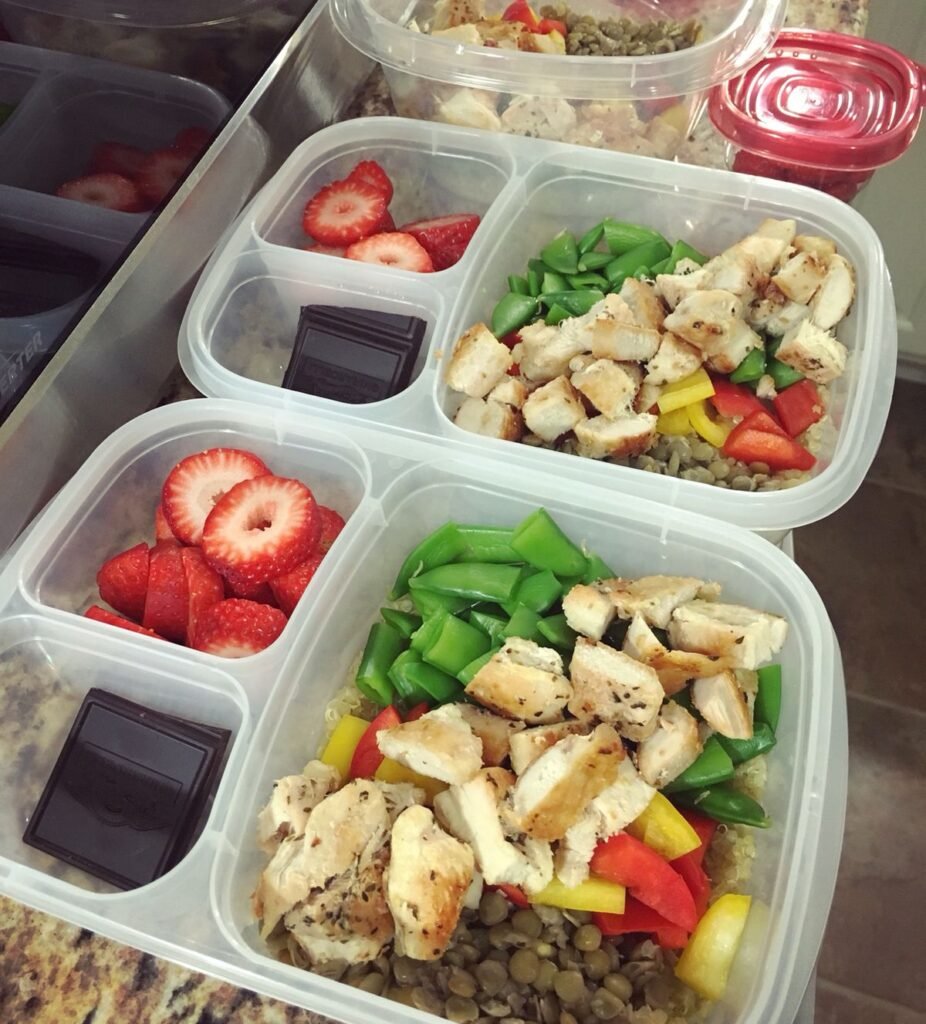
Once you’ve figured out what you have, look for recipes that include it. You’re in possession of chicken, broccoli and rice? Stir-fry. If you have pasta, some canned tomatoes and ground beef, you have spaghetti night.
Don’t aim for perfection. You may need to purchase some new items in order to entirely cook your meals. The idea: Start with what you’ve got, and use it as a base and a building block for targeted shopping.
This is one way to avoid the all-too-common phenomenon of buying new groceries while existing food spoils. And it saves money: You won’t need to double up on ingredients you already have.
Become Skilled at Flexibly Planning Your Meals
Too frequently, however, rigid meal plans fail because life occurs. Your child has an impromptu practice. You work late. Someone gets sick. And suddenly, that fancy meal you’d planned for Tuesday is no longer feasible and food goes unused.
Flexible meal planning works by presenting you with (drum roll, please) choices instead of cuts-and-dried schedules.
The Meal Pool Method
Instead of telling yourself exactly what to make when, create a “menu pool” with 5-7 meals in it that you can cook this week. List them all out, but don’t feel you need to assign them to Monday or Tuesday or Wednesday.
Take a moment every morning or afternoon to consult the schedule for that day. Choose a meal from your pool that aligns with the time and energy you have. Have 20 minutes? Choose the quick stir-fry. Have an hour? Make the slower-cooking soup.
That flexibility makes you more likely to actually cook the meals that you still can. And when you cook what you’ve planned for, you employ the groceries that you purchased, thereby reducing waste.
Bring Structure Without Stress With Theme Nights
For some families, a little more structure is desirable. Go with theme nights, not specific meals:
- Monday: Pasta Night (anything pasta!)
- Tuesday: Taco Tuesday (any Hispanic meal)
- Wednesday: Anything in a Bowl (a grain bowl, burrito bowl, etc.)
- Thursday: Soup and Sandwich
- Friday: Pizza or Takeout
- Saturday: Slow Cooker Meal
- Sunday: Family Favorite
For each of these themes, you can change up the exact recipe based on what you have in terms of ingredients to use up. Taco Tuesday might be chicken tacos one week, fish tacos the next, or whatever is taking up space in your refrigerator at the moment.
Planning for Leftover Nights
Include at least one “leftover night” in your weekly plan. This designated night for leftovers also cuts down on wasted, rotting food in the refrigerator.
Leftovers are for routine weeknights in many households. The dinner is already cooked, so five minutes to reheat the meal. This is great for the nights that everyone in your family has different schedules or plans. For more helpful strategies on organizing family meals, visit meal planning for families resources.
Be Organized: Shop Smart With a Full List
A shopping list is your best weapon against food waste. Without one you buy hodge-podgy random stuff that doesn’t go together. You forget key ingredients. You collect the things you already have at home.
But not just any list works. You want a shopping list that is strategic and will help you cut waste.
Sort Your List by Store Section
Sort items by where they are in the store:
- Produce
- Meat and seafood
- Dairy and eggs
- Frozen foods
- Pantry staples
- Bread and bakery
This company makes you shop faster by making sure you can’t impulsively buy things. When you shop efficiently, you are less likely to fill your cart with unnecessary extras.
Write Down Exact Quantities
Write, “2 pounds of chicken breast.” Not just “chicken.” Instead of “carrots,” type “1 pound carrots.”
Precise amounts stop overbuying, one of the chief culprits of food waste. Lots of folks purchase more than they need “just in case,” or because items are sold in large packages. So the surplus food spoils before they have a chance to use it.
If a recipe calls for just two carrots, yet they come bagged in twos, then plan another meal that uses the same ingredient. That way, you get to use the entire package.
Check Portions Against Reality
Be realistic about how much your family actually consumes. A lot of recipes say they “serve 4,” but maybe that doesn’t suit your family’s appetite.
If you have small kids, you may also not need as much food as typical recipes call for. If you have teenagers or very active family members, you may need that amount.
Tailor your purchasing quantities to reflect what is truly eaten by your family. This avoids food waste and going out for emergency takeout when you don’t have enough food.
Stick to the List
For many shoppers, this is the most difficult part. All stores are set up to trick you into spending more money than you intended.
When you pass a sale or special display, get in the habit of asking yourself these questions: “Is this on my meal plan for the week?” Otherwise, don’t buy it unless you can think of a meal in which to use it right away.
Sales are only a bargain if you’re going to use the food. Otherwise, they’re just wasted money.
How to Store Food for Longevity
Every time I do stock up on some tempting new bit of produce, even though it was with the best of intentions, food goes bad if you don’t store it right. Storing your groceries correctly can double or triple the time they remain fresh.
Refrigerator Organization Matters
Your refrigerator is not all the same temperature. Understanding this teaches you to stick food in the right places:
Top shelves: Warmest spot in the fridge – Drinks, leftovers, ready-to-eat foods
Middle shelves: Keep items such as milk, cheese and yogurt
Lower Shelves: Coldest Area – Raw meats, poultry and fish (in containers to avoid dripping)
Door: The warmest area in the fridge – great for condiments, juices and water (not eggs or milk)
Crisper drawers: Where you stash fruits and veggies — but not together
The Two-Drawer Rule for Produce
There are two produce drawers in, I believe, most refrigerators. Use them correctly:
One drawer should be high humidity for produce like broccoli, carrots, lettuce and celery. These require moisture to keep crisp.
The other drawer should be low humidity for things like apples, pears and stone fruits. Too much humidity cause these to rot more quickly.
You should also never keep tomatoes, potatoes, onions or bananas in the refrigerator. They also have a longer shelf life at room temperature.
Freezer Storage Extends Food Life
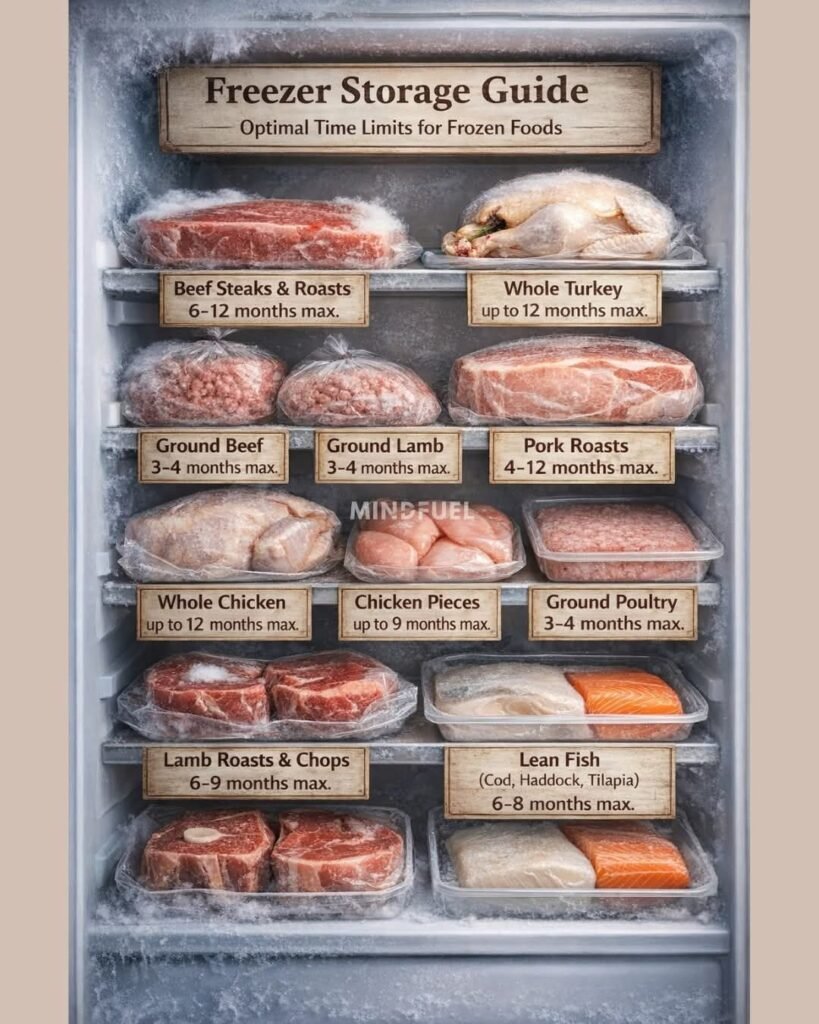
Your in-house waste-reducing best friend is your freezer. Almost anything can be frozen:
- Bread and bakery items: 3 months
- Raw meat and poultry: 4-12 months
- Cooked meals: 2-3 months
- Vegetables and fruits: 8-12 months
- Cheese: 6 months
- Butter: 6-9 months
Be sure to always label frozen goods with the contents and date. Use freezer-safe containers or bags. Squeeze out as much air as possible to avoid freezer burn.
First In, First Out System
Keep older items at the front of your refrigerator and pantry, with newer items in back. Just put new groceries behind the older ones of the same product.
This “first in, first out” system guarantees you get everything used before it qualifies as old. Restaurants and grocery stores do the same thing. According to the USDA’s FoodKeeper app, proper storage and rotation can significantly extend the life of your groceries.
Track What You Throw Away
You can’t solve a problem you don’t understand. If you track your food waste for as little as one week, you’ll discover patterns that were previously imperceptible to you.
The Week-Long Waste Audit
For one week, track everything you toss. Include:
- What the food was
- How much you threw away
- Why you’re tossing it (spoiled, don’t like the taste of it, made too much, etc.)
This information is powerful. You may learn that you always purchase salad greens but they always go bad. Or that you habitually prepare twice as much rice as your family consumes.
Common Waste Patterns and Solutions
Recurring Problem: You couldn’t go through a quart of fresh herbs if you tried.
Solution: Prep and freeze excess herbs, such as in olive oil in an ice cube tray, or opt for dry herbs instead
Pattern: Bread gets moldy
Solution: Freeze the bread and toast as required
Pattern: Bananas turn brown
Answer: Freeze overripe bananas for smoothies or banana bread
Scenario: You always cook too much dinner
Solution: Cut recipe amounts in half or plan for leftovers lunches
Pattern: Children refused to eat some foods
Solution: Don’t get those foods or invite kids to help with meal planning
Once you see your personal waste patterns, you can make adjustments in what and how you plan meals to accommodate them.
Transform Leftovers Into New Meals
“Leftovers” doesn’t have to translate into the same meal twice in one week. With some creativity, you can turn last night’s dinner into something entirely different.
The Two-Meal Principle
When meal planning, consider how one dinner can morph into another lunch or dinner later in the week.
Roasted chicken becomes chicken tacos, chicken salad, chicken noodle soup, or chicken fried rice
Grilled steak is turned into steak sandwiches, steak and eggs, beef and broccoli, or steak salad
Cooked rice becomes fried rice, rice bowls, stuffed peppers or rice pudding
Pasta is pasta salad, pasta bake or soup with vegetables and broth stirred into it
This method is not just about leftovers. It’s about planned-overs: cooking one meal and eating two, with an entirely different dish.
The Mix-and-Match Bowl
Keep a container in your refrigerator for small amounts of leftover vegetables, proteins and grains. Once the container is full, create a “mix-and-match bowl” for lunch or dinner.
Begin with a base (rice, quinoa or salad greens), incorporate whatever proteins and vegetables are in your container of leftovers and add some kind of sauce or dressing. Each bowl will feature different ingredients depending on what’s in season.
This approach helps you get rid of small quantities of food that might be thrown away because they’re “not enough for a meal.”
Soup: The Ultimate Leftover Solution
Soup is incredibly forgiving. You can throw just about any mix of vegetables, proteins and grains in broth and make it edible.
Stock chicken or vegetable broth in your pantry as well. Combine them with broth and seasonings when you’re left with random leftover vegetables, proteins or cooked grains. Indeed, throw in some noodles or rice if there is no risk; it’s easily covered under the $3 budget point. Cook, stirring occasionally, until everything is heated through and the flavors meld together.
It’s for things that seem like they won’t go together. The broth and the seasonings meld everything into a meal.
Make it a Family Affair with Your Whole Family
Meal planning is most effective when everyone gets in on the act. Children are more likely to eat meals they help plan. The better partners understand the plan, the more likely they are to help carry it out.
Weekly Family Meal Meeting
Dedicate 15 minutes a week to the family meal meeting. This may be during Sunday morning breakfast or Friday night dinner.
During this meeting:
- Review the upcoming week’s schedule
- Everyone can suggest one meal
- Decide together which nights are particularly busy and shore up some quick meals
- Make the grocery list together
When children get to input ideas, they take ownership of the meal plan. They’re not as likely to gripe about dinner if they helped pick it out.
Age-Appropriate Kitchen Jobs
Even the youngest kids can aid in food-waste prevention:
Ages 3 to 5: Sorts produce, washes vegetables, tears lettuce, stirs ingredients
Ages 6-9: Measure ingredients, crack eggs, read out recipes aloud, set the table
Ages 10-12: Open cans with a can opener, microwave, simple stove-top cooking, microwaving and then cutting vegetables for salads
Ages 13 and older: Make recipes from a plan, meal plan for the family, write the weekly shopping list, cook an entire meal’s worth of food
When kids learn to cook, they realize how much effort goes into meals. They don’t waste so much food because they respect the work that went into it.
Personalizing Fun Rather Than Duty
Make meal planning a game or contest. Invite family members to come up with a week of meal ideas where you use what’s already in the house. See who can come up with the cleverest application for leftovers. Allow kids to name the meals (even when that means “Dragon Noodles” are just spaghetti).
If you have a positive association with meal planning, your family will be more likely to have long-term success.
Don’t Fall Into These Common Meal Planning Traps
But no matter how well-meaning we are, some things sabotage our meal planning and cause us to waste food.
Planning Too Many New Recipes
The idea of attempting seven brand-new recipes in a week might seem exhilarating, but it’s seldom feasible. The new recipes have longer cooking times. They have ingredients you don’t have. They could be bitter tasting, resulting in wasted food.
Stick with a balance: perhaps one or two new recipes per week, and the rest staples that you’re confident your family likes. This keeps thing manageable cooking-wise and adds a little variety.
Ignoring Your Schedule
Do not plan a complex two-hour meal on your most hectic day of the week. That’s just setting yourself up to have takeout and waste all those groceries you purchased.
Check your calendar before you meal plan. Make 30-minute meals or slow cooker recipes when you know it’s going to be a crazy day. Save your more intensive cooking for the weekends or less insane evenings.
Buying Ingredients for A Single Recipe
If you have a recipe that would use the rest of that fresh dill, so much the better. Otherwise, purchase dried dill or consider skipping that recipe.
Single-use ingredients are a big source of waste. Either plan on using multiple times or sub with something you already have.
Not Planning for Snacks
Families need more than dinner. If you don’t leave guidance for breakfast, lunch and snacks, people will eat random garbage or run to the store to get extra groceries mid-week.
Add easy plans for those other meals: cereal and fruit for breakfast, sandwiches and some vegetables for lunch, cut fruit (made, on weekend mornings) and some cheese for snacks. This stops there being so much impulse buying and waste.
Frequently Asked Questions
How far ahead should I think about meals?
The majority of households say it works best when they sit down and make a plan weekly. It’s short enough to remain flexible, but not too long to get in your way of daily stress. Others plan two weeks ahead to make use of sales, but that requires more freezer space and a tighter regime.
What if my family refuses to eat what I want to make?
Compile an ongoing list of meals that your family actually likes. Not some maniac forever trying new things, but concentrate on those which have tried and true for these countless winners. And get family members involved in helping select the meals so they will be more invested in eating them.
What’s the secret to dealing with picky eaters, without wasting food?
Offer at least one thing you know your picky eater will eat at each meal (even if it’s just bread or fruit). Don’t produce one meal for the family and a second meal to suit your picky eater, but don’t force eating, either. Kids need 10-15 exposures to new foods before they start to accept them so keep offering without pressure!
Does meal planning make sense for small families or people who live alone?
Absolutely. By the way, single people and couples often waste even more food per person than larger households — because you can’t always halve a recipe designed to serve four. Meal planning also helps you scale accurately, use up leftovers strategically and shop for true needs as opposed to impulses.
What is the best day to meal plan?
Pick whichever day fits best for your own schedule. Many get planning done on Sundays for the upcoming workweek, but Friday evening or Saturday morning can also work. It’s all about consistency — choose one day a week and stick with it.
What is the best meal plan with a low budget?
Look toward inexpensive proteins (beans, eggs and chicken thighs), purchase produce in season, meal plan around sale items and steer clear of pre-cut or pre-packaged foods. Meal planning does not cost more — we waste less and don’t have to get takeout at the last minute.
Can you meal prep all of my food at once?
Some people do well with full meal prep (cooking everything on Sunday), but it’s not a requirement. All prep helps, even a little: washing and cutting vegetables, marinating meat, cooking a big pot of rice. Whatever amount of advance cooking makes your weeknight cooking easier without feeling oppressive.
Your Food Waste Action Plan: Less Waste, Better Meals
The problem with food waste isn’t just an environmental problem or a money problem. It’s a to-do-list hassle that just makes it harder than it needs to be to feed your family.
These seven meal planning techniques combine to form a seamless system of waste reduction. You don’t have to do all of this at the same time. Begin with one to two tips that address your top challenge areas.
Perhaps you could begin shopping your kitchen before purchasing more groceries. Perhaps you need to log your waste for a week in order to understand your patterns. Perhaps you simply need to include your family more in the planning.
And remember: There is no perfect meal plan. Some weeks will go smoothly. Still other weeks will start to unravel on Tuesday. That’s normal. The goal isn’t perfection—it’s progress. And small declines in food waste can translate to big savings over time.
By wasting less food through improved meal planning, you save money, lower your stress level, help the environment — and often eat healthier as well. Your family gets better meals. You get more time. Everyone wins.
Start this week. Open your refrigerator and pantry. Look at what you have. Plan only three meals out of those ingredients. Write a very particular shopping list to cover all that you need for those meals. Cook those meals and see how much less food you waste.
Now that might be the start of a meal planning routine that will benefit your family for years to come.