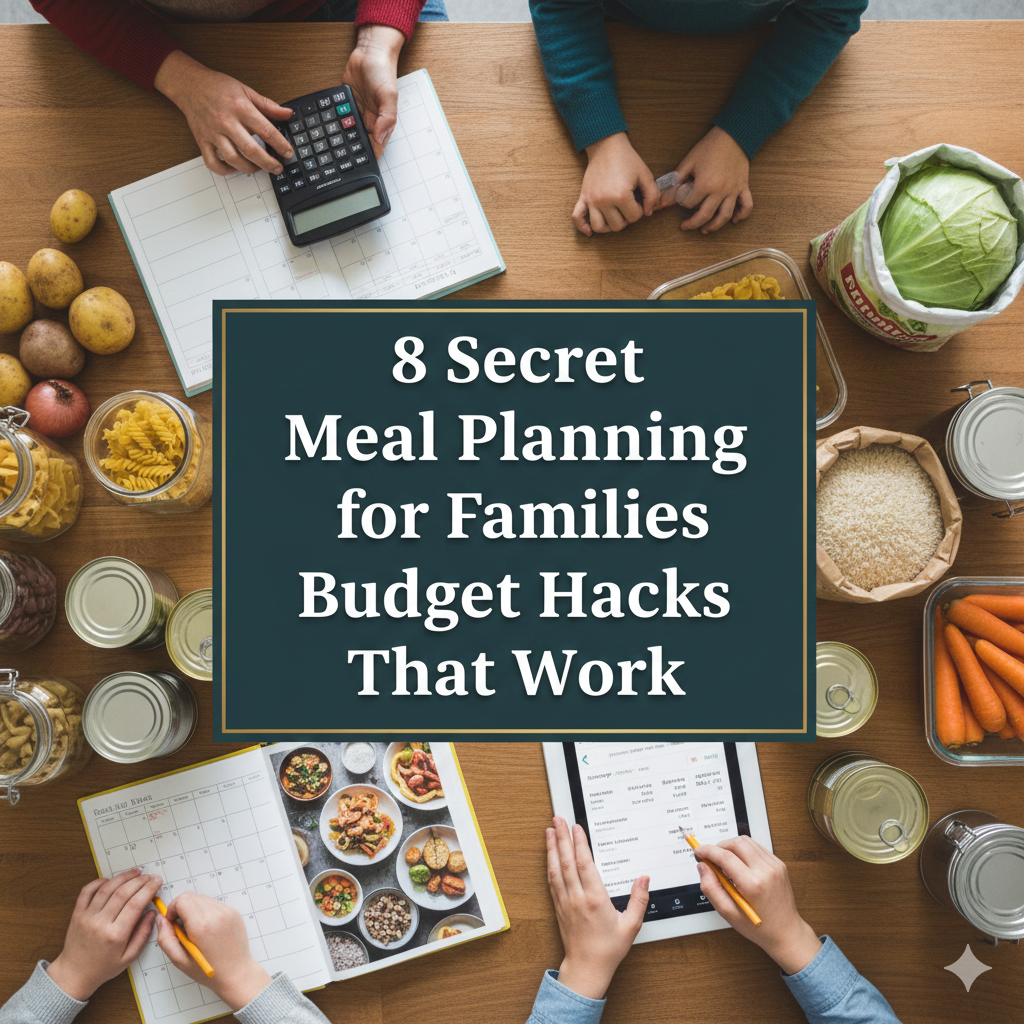
Feeding a family without emptying your wallet feels like solving a puzzle sometimes. Between rising grocery prices, picky eaters, and busy schedules, many parents wonder how to keep everyone fed and happy while staying on budget.
The good news? Smart meal planning can slash your food costs by 30% or more each month. These aren’t just theories—these are battle-tested strategies that real families use to save hundreds of dollars while still enjoying tasty, nutritious meals.
This guide reveals eight powerful meal planning secrets that transform how you shop, cook, and think about family dinners. Whether you’re feeding two people or eight, these hacks work.
Why Most Families Overspend on Food
Before jumping into solutions, let’s talk about why grocery bills spiral out of control.
Most families make three critical mistakes. First, shopping without a plan leads to impulse purchases and wasted ingredients. Second, buying convenience foods costs three to four times more than cooking from scratch. Third, throwing away spoiled food is like tossing cash in the garbage.
The average American family wastes $1,500 worth of food annually. That’s money that could go toward vacations, savings, or paying off debt.
Meal planning fixes these problems. It gives you control over what you buy, what you cook, and what you actually eat.
Hack #1: The Reverse Meal Planning Method
Most people plan meals, then shop for ingredients. Smart families do the opposite.
Here’s how reverse meal planning works. Check your pantry, fridge, and freezer first. Write down everything you already have. Then build your weekly menu around those ingredients.
This approach prevents duplicate purchases and uses up items before they expire. Got three cans of black beans? Make tacos, bean soup, and burrito bowls. Have chicken breasts in the freezer? Plan grilled chicken, stir-fry, and chicken salad.
One family in Texas saved $200 their first month using this method. They discovered forgotten ingredients worth over $80 hiding in their pantry.
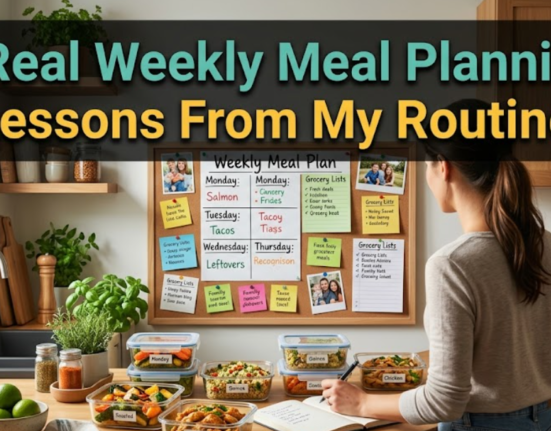
Create a simple inventory system. Keep a running list on your phone or a whiteboard in your kitchen. Update it when you use items or buy new ones.
Making Your Inventory Work Harder
Take photos of your pantry shelves with your phone. Review these pictures before grocery shopping. This prevents buying items you already have at home.
Group similar items together during your inventory. Put all pasta in one area, canned goods in another, and baking supplies together. Organization makes it easier to see what you have.
Set reminders to check expiration dates monthly. Move older items to the front so you use them first.
Hack #2: Master the $5 Dinner Challenge
Creating filling, nutritious dinners for five dollars or less sounds impossible. It’s not.
The secret lies in building meals around cheap protein sources and bulk staples. Eggs, beans, lentils, and chicken thighs cost far less than premium cuts or processed foods.
Here’s a real example. A large pot of lentil soup costs about $4 and feeds a family of four twice. That’s $1 per meal per person. Add homemade cornbread for 50 cents more, and you have a complete dinner under budget.
Rice and beans might sound boring, but transform them with different seasonings. Monday could be Mexican-style with cumin and chili powder. Thursday could be Indian-inspired with curry and coconut milk.
Budget-Friendly Meal Formula
| Component | Cost Range | Examples |
|---|---|---|
| Protein Base | $1.50-$2.50 | Eggs, beans, chicken thighs, ground turkey |
| Grain/Starch | $0.50-$1.00 | Rice, pasta, potatoes, oats |
| Vegetables | $1.00-$1.50 | Frozen mixed veggies, carrots, cabbage, onions |
| Flavor Boosters | $0.25-$0.50 | Garlic, spices, tomato paste, bouillon |
| Total per Meal | $3.25-$5.50 | Feeds 4-6 people |
Buy spices in bulk from ethnic markets or warehouse stores. A large container of cumin costs the same as two small grocery store bottles but lasts months longer.
Frozen vegetables offer the same nutrition as fresh but cost less and never spoil. Stock up when they go on sale for under a dollar per bag.
Hack #3: The Ingredient Overlap Strategy
Planning meals with shared ingredients cuts both costs and waste.
Instead of buying different items for every dish, choose recipes that use the same core ingredients multiple ways. This strategy reduces shopping time, prevents spoilage, and maximizes every purchase.
For example, buy one large bag of carrots. Use them in pot roast Monday, carrot ginger soup Wednesday, and roasted as a side dish Friday. One ingredient, three completely different meals.
The same principle applies to proteins. Roast a whole chicken Sunday. Serve it with vegetables that night. Use leftovers for chicken salad sandwiches Tuesday and add the carcass to homemade soup Thursday.
Weekly Overlap Planning Template
Pick three to four main ingredients each week. Design your entire menu around them.
Week 1 Example:
- Ground beef: Tacos, spaghetti sauce, stuffed peppers
- Sweet potatoes: Baked, mashed, breakfast hash
- Spinach: Salads, smoothies, pasta dishes
This focused approach means buying in larger quantities, which usually costs less per unit. You’ll also develop expertise cooking with specific ingredients.
Track which combinations your family loves. Build a personal recipe collection based on successful overlaps.
Hack #4: Strategic Shopping Day Timing
When you shop matters almost as much as what you buy.
Grocery stores follow predictable patterns for markdowns and restocking. Knowing these patterns unlocks serious savings.
Most stores mark down meat, bakery items, and produce on specific days. Bread often gets reduced Tuesday mornings. Meat markdowns typically happen early morning or late evening when items approach their sell-by dates.
One mom in Colorado built her monthly meal plan entirely around manager’s special meat. She freezes discounted proteins and saves over $150 monthly.
Visit your regular store at different times. Ask employees when they typically reduce prices. Build relationships with department managers who might tell you markdown schedules.
The Best Shopping Times
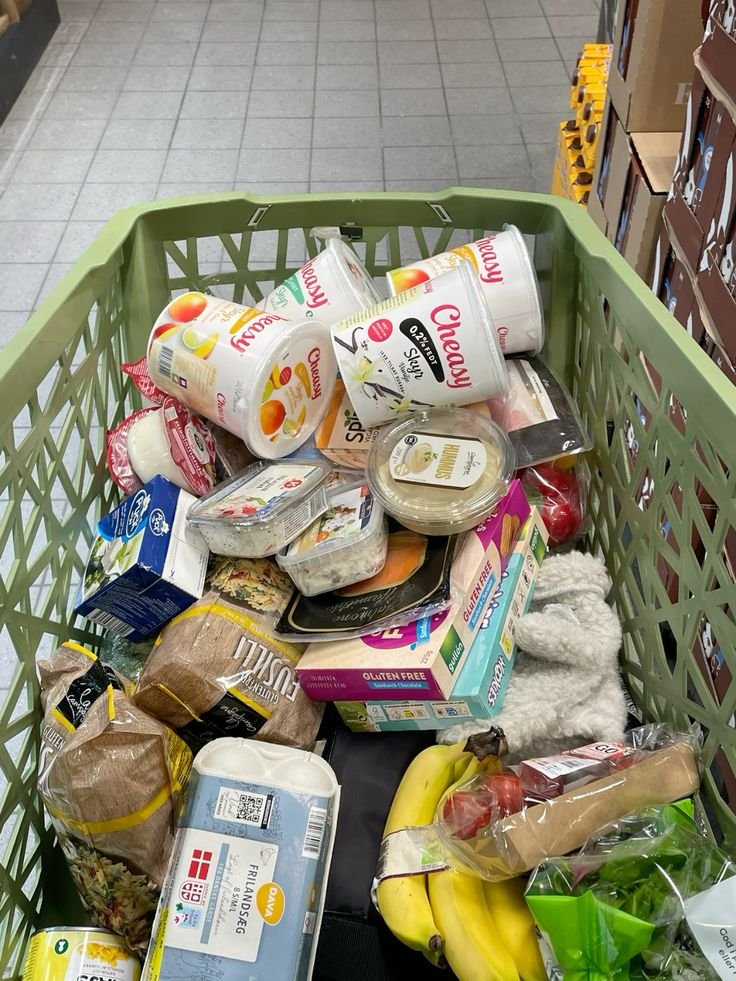
Early morning shopping, especially Wednesday or Thursday, often yields the best selection of marked-down items. Stores restock shelves and prepare for weekend crowds by clearing older inventory.
Late evening shopping on Sundays can also reveal deals. Items that didn’t sell during the busy weekend get reduced to move quickly.
Avoid shopping when hungry or stressed. These conditions lead to impulse purchases that blow your budget.
Hack #5: The Batch Cooking Multiplication Effect
Cooking once and eating multiple times changes everything.
Batch cooking doesn’t mean eating the same meal seven nights straight. It means preparing components that transform into different dishes throughout the week.
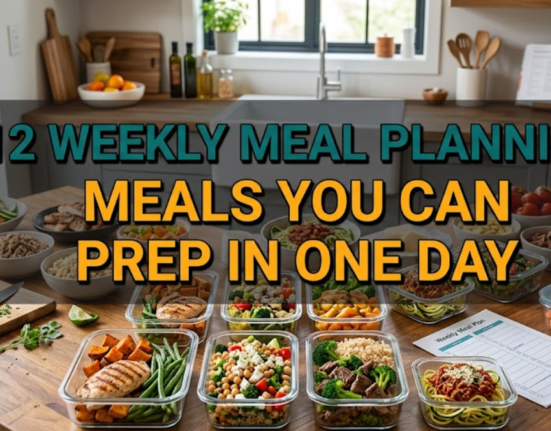
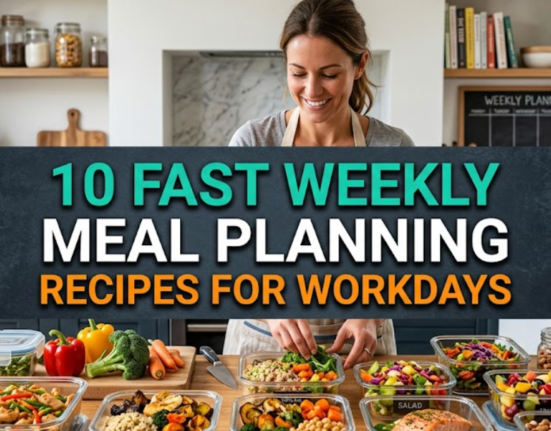
Spend two hours on Sunday doing prep work. Cook large batches of rice, beans, and chopped vegetables. Grill or bake several pounds of chicken. These building blocks become different meals each night with minimal additional work.
Monday’s grilled chicken over rice becomes Tuesday’s chicken quesadillas. Wednesday transforms it into chicken fried rice. The ingredients stay fresh, but the meals feel completely different.
This method also saves energy costs. Running your oven or stove once for two hours uses less electricity or gas than cooking separately seven times.
Power Hour Prep Session
Dedicate sixty minutes weekly to these time-saving tasks:
Wash and chop all vegetables. Store them in clear containers so you can see what’s ready to use. Chop onions, peppers, carrots, and celery together for a base that works in countless recipes.
Cook whole grains in large batches. Rice, quinoa, and pasta stay fresh refrigerated for five days. Portion them into meal-sized containers.
Brown ground meat with basic seasonings. Freeze in two-cup portions. These defrost quickly for tacos, pasta sauce, or casseroles.
Hard boil a dozen eggs. They become quick breakfasts, salad toppings, or snacks throughout the week.
For more practical meal planning for families strategies and weekly tips, explore additional resources that can help streamline your planning process.
Hack #6: Create a Price Book for Maximum Savings
A price book sounds old-fashioned but delivers modern results.
This simple tool tracks the regular and sale prices of items you buy frequently. Once you know the true “good price” for chicken, pasta, or cheese, you’ll never overpay again.
Start small. Track just ten to fifteen items your family eats regularly. Write down the store, date, price, and unit price (cost per ounce or pound).
After a few weeks, patterns emerge. You’ll notice that canned tomatoes go on sale every six weeks at Store A. Cheese hits rock-bottom prices monthly at Store B.
Stock up during these sale cycles. Buy enough to last until the next sale. This strategy, called stockpile shopping, can cut your grocery bill by 40% or more.
Digital Price Tracking Made Easy
Use a simple spreadsheet or note-taking app on your phone. Create columns for item name, store, regular price, sale price, and date.
Many stores publish weekly ads online. Check them Wednesday evening when most new sales start. Compare prices across multiple stores without leaving home.
Browser extensions and apps can track price histories for you. Some even alert you when items you want go on sale.
| Item | Store A Regular | Store A Sale | Store B Regular | Store B Sale | Stock-Up Price |
|---|---|---|---|---|---|
| Pasta (1 lb) | $1.89 | $0.99 | $1.79 | $0.79 | $0.79 or less |
| Ground Beef (lb) | $5.99 | $3.99 | $6.49 | $3.49 | $3.49 or less |
| Canned Beans | $1.29 | $0.69 | $1.19 | $0.59 | $0.59 or less |
Buy six to eight weeks’ worth during deep sales. Store extras in a cool, dry place.
Hack #7: The Leftover Transformation System
Leftovers get a bad reputation. Smart families see them as free meals.
The key is transforming leftovers into something that feels new and exciting. Nobody wants to eat the exact same dinner two nights running.
Planned leftovers work differently than accidental ones. Cook extra on purpose with transformation in mind. Roast double the vegetables you need. Make extra rice. Grill more chicken than one meal requires.
These intentional leftovers become lunch the next day or components of tomorrow’s dinner. Roasted vegetables blend into frittatas or grain bowls. Extra rice becomes fried rice or soup filler.
Create a dedicated leftover shelf in your fridge. Everything on that shelf must get used within three days. Make it a game to invent new combinations.
Leftover Magic Combinations
Transform last night’s pot roast into French dip sandwiches. Shred the meat, warm it in broth, and serve on rolls.
Turn plain rice into:
- Fried rice with eggs and vegetables
- Rice pudding for dessert
- Burrito filling mixed with beans
- Soup base for chicken and rice soup
Repurpose roasted chicken into:
- Chicken salad sandwiches
- Quesadillas with cheese and salsa
- Chicken noodle soup
- BBQ chicken pizza
Buy a good set of clear storage containers. Being able to see what needs eating prevents waste.
According to the USDA’s food waste guidelines, proper storage and leftover management can reduce household food waste by up to 50%, translating directly into budget savings.
Hack #8: The Theme Night Framework
Decision fatigue kills budget meal planning faster than anything else.
Asking “what’s for dinner?” every single night exhausts your creativity and leads to expensive takeout orders. Theme nights solve this problem permanently.
Assign each day a simple theme. Monday is Meatless Monday. Tuesday is Taco Tuesday. Wednesday is One-Pot Wednesday. Thursday is Breakfast for Dinner. Keep going until every night has a theme.
Themes provide structure without restricting choices. Taco Tuesday doesn’t mean the same tacos every week. Try fish tacos, chicken tacos, breakfast tacos, or taco salad. The framework stays the same, but the specific recipes rotate.
This system makes meal planning almost automatic. You’re choosing from a smaller set of options, which speeds up decision-making and grocery shopping.
Building Your Theme Schedule
Match themes to your schedule. Save slow-cooker meals for busy nights. Plan elaborate cooking for evenings when you have more time.
Sample Weekly Themes:
- Monday: Meatless (beans, eggs, cheese-based meals)
- Tuesday: Pasta Night (spaghetti, lasagna, mac and cheese)
- Wednesday: Slow Cooker (pot roast, chili, pulled pork)
- Thursday: International Cuisine (rotate Mexican, Asian, Italian)
- Friday: Homemade Pizza or Sandwiches
- Saturday: Grill Night or Family Favorites
- Sunday: Soup and Bread
Kids love the predictability of theme nights. They know what’s coming and can even help plan specific recipes within each theme.
Rotate themes seasonally. Soup night makes perfect sense in winter but might switch to salad night during summer.
Putting It All Together: Your First Month Action Plan
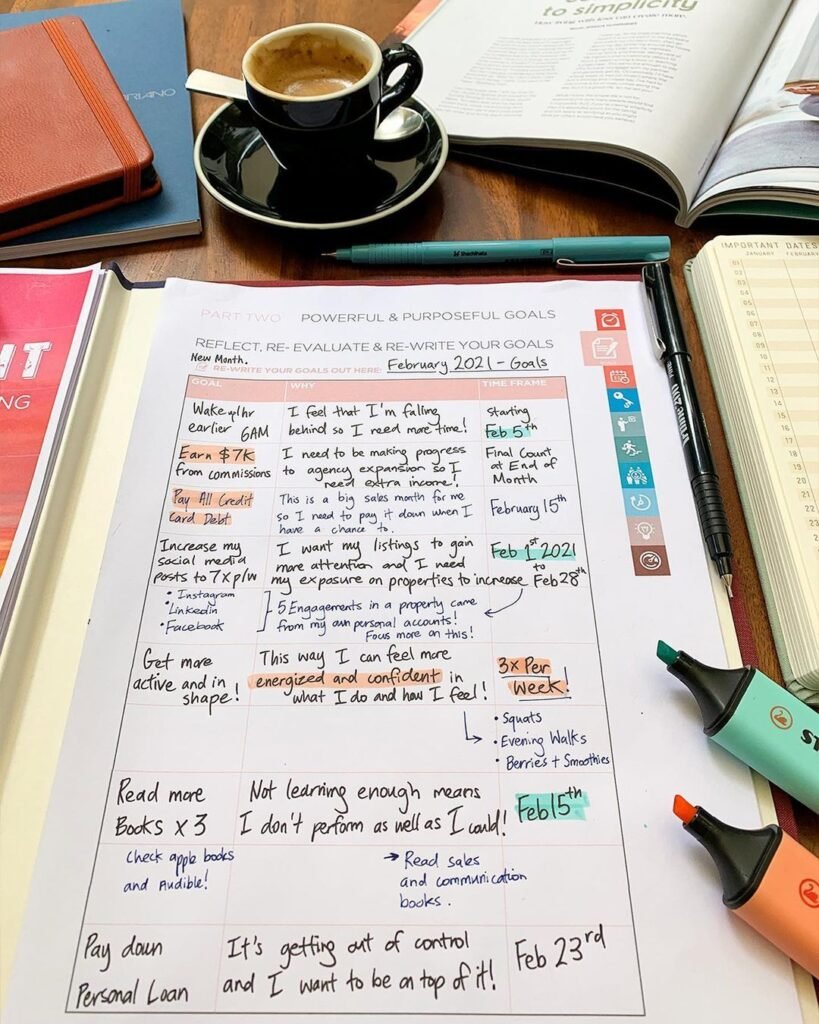
Implementing all eight hacks at once feels overwhelming. Start with a simple four-week progression.
Week 1: Do a complete pantry inventory. Try reverse meal planning using only what you have. Track how much you save.
Week 2: Create your price book. Start with ten items. Visit two or three stores to compare prices. Plan one batch cooking session.
Week 3: Implement theme nights. Plan the entire week using ingredient overlap. Shop at strategic times for markdowns.
Week 4: Challenge yourself to create three $5 dinners. Set up your leftover transformation system. Review your progress and savings.
Most families save between $200 and $400 their first month using these strategies. That money adds up to thousands annually.
Track your grocery spending before starting. After one month, compare the numbers. Seeing real savings motivates continued effort.
Common Meal Planning Mistakes to Avoid
Even with great strategies, certain pitfalls can derail your budget.
Don’t plan too many new recipes in one week. Stick to mostly familiar meals with one or two new dishes. Unfamiliar recipes often require specialty ingredients that sit unused afterward.
Avoid shopping at multiple stores unless the savings justify the gas and time. Sometimes paying slightly more at one location beats driving all over town.
Don’t skip the planning step. “Winging it” at the grocery store costs 30% more on average than shopping with a specific list and menu.
Stop buying ingredients for “someday” recipes. If you haven’t made that complicated dish in six months, you probably won’t make it next month either.
Flexibility Is Your Friend
Plans change. Kids get sick. Work runs late. Build flexibility into your meal planning.
Keep three emergency backup meals in your pantry and freezer. Pasta with jarred sauce, frozen pizza, or breakfast for dinner work perfectly when plans fall apart.
Swap meals around during the week if needed. Tuesday’s dinner can easily become Thursday’s if something comes up.
Frequently Asked Questions
How much time does meal planning actually take each week?
Most families spend 30-45 minutes weekly on meal planning once they establish a routine. This includes checking inventory, browsing sales, creating the menu, and writing the shopping list. The time investment saves hours during the week by eliminating daily “what’s for dinner” decisions.
What if my family refuses to eat leftovers?
Transform rather than reheat. Turn leftover roast chicken into chicken salad or quesadillas instead of serving it the same way twice. Most people happily eat “new” meals made from leftover components when they don’t look or taste identical to the original dish.
Can these strategies work for families with dietary restrictions?
Absolutely. The principles apply to any eating style. Gluten-free, dairy-free, vegetarian, or other restricted diets benefit even more from planning since specialty ingredients cost more. Buying in bulk during sales and using ingredient overlap becomes even more critical.
How do I handle picky eaters while staying on budget?
Include one familiar element in every meal. If you’re trying a new casserole, serve it with a side you know they’ll eat. Get kids involved in planning and cooking—children are more likely to eat foods they helped prepare. Keep the pressure low and the exposures frequent.
Should I buy organic on a tight budget?
Focus on the “Dirty Dozen” produce items that carry higher pesticide residues—buy these organic when possible. For the “Clean Fifteen” fruits and vegetables, conventional versions work fine. Prioritize buying organic for items you consume most frequently.
How long can I safely store batch-cooked foods?
Most cooked foods last 3-4 days refrigerated and 2-3 months frozen. Label everything with contents and date. Use refrigerated items first, keeping frozen backups for busy weeks. Invest in quality freezer containers to prevent freezer burn.
What’s the best way to start meal planning if I’ve never done it before?
Begin with just three dinners for the first week. Plan simple, familiar meals your family already enjoys. Once that feels manageable, add a fourth night, then a fifth. You don’t need to plan all seven dinners immediately—working up to it prevents overwhelm.
How can I save money on fresh produce?
Shop seasonally when produce costs less and tastes better. Buy frozen vegetables, which are just as nutritious and often cheaper. Visit farmer’s markets near closing time for discounted items. Grow simple herbs like basil and parsley in pots on your windowsill.
Your Family’s Food Budget Freedom
Meal planning for families budget success doesn’t require extreme couponing or eating ramen every night. These eight hacks work because they’re practical, sustainable, and actually save real money.
The reverse planning method stops waste before it starts. The $5 dinner challenge proves nutritious food doesn’t require big spending. Ingredient overlap, strategic shopping, and batch cooking create efficiency that translates directly to savings.
Price books give you pricing power. Leftover transformation eliminates waste. Theme nights remove decision fatigue that leads to expensive convenience meals.
Start small. Pick two or three strategies that resonate most. Implement them consistently for one month. Track your savings. Adjust what doesn’t work. Add more hacks as you build confidence.
Remember, the goal isn’t perfection. Some weeks will go smoothly. Others will include last-minute pizza orders. That’s completely normal. Progress beats perfection every time.
The families saving hundreds monthly with these strategies didn’t get there overnight. They started exactly where you are now—frustrated with high grocery bills and looking for solutions that actually work.
Your journey to food budget freedom starts with one meal, one shopping trip, one small change. The savings compound quickly. Before long, meal planning becomes second nature, and your grocery budget finally makes sense again.
Take action today. Choose your first hack. Make your plan. Start saving. Your family’s financial future gets brighter with every meal you plan.