
How Meal Planning Revolutionizes Busy Families
Let’s be real: Figuring out what to eat for dinner every single night can be downright exhausting.
You’re looking into your fridge at 5 p.m. and you’re staring at scraps trying to figure out how something edible might come from that warm, half-empty pickle jar. Meanwhile, the kids are hungry, you’re tired, and takeout is beginning to sound irresistible.
This is where meal planning comes to the rescue.
When you plan your family’s meals for the week, you’re not just organizing food. By purchasing back your time, saving some cash and lowering the daily stress associated with feeding everyone. As a bonus, you’ll throw away less food and probably eat better to boot.
The best part? You don’t have to be a professional chef, or spend all day in the kitchen. When you approach it the right way, meal planning becomes a routine that’s easy and just another part of life.
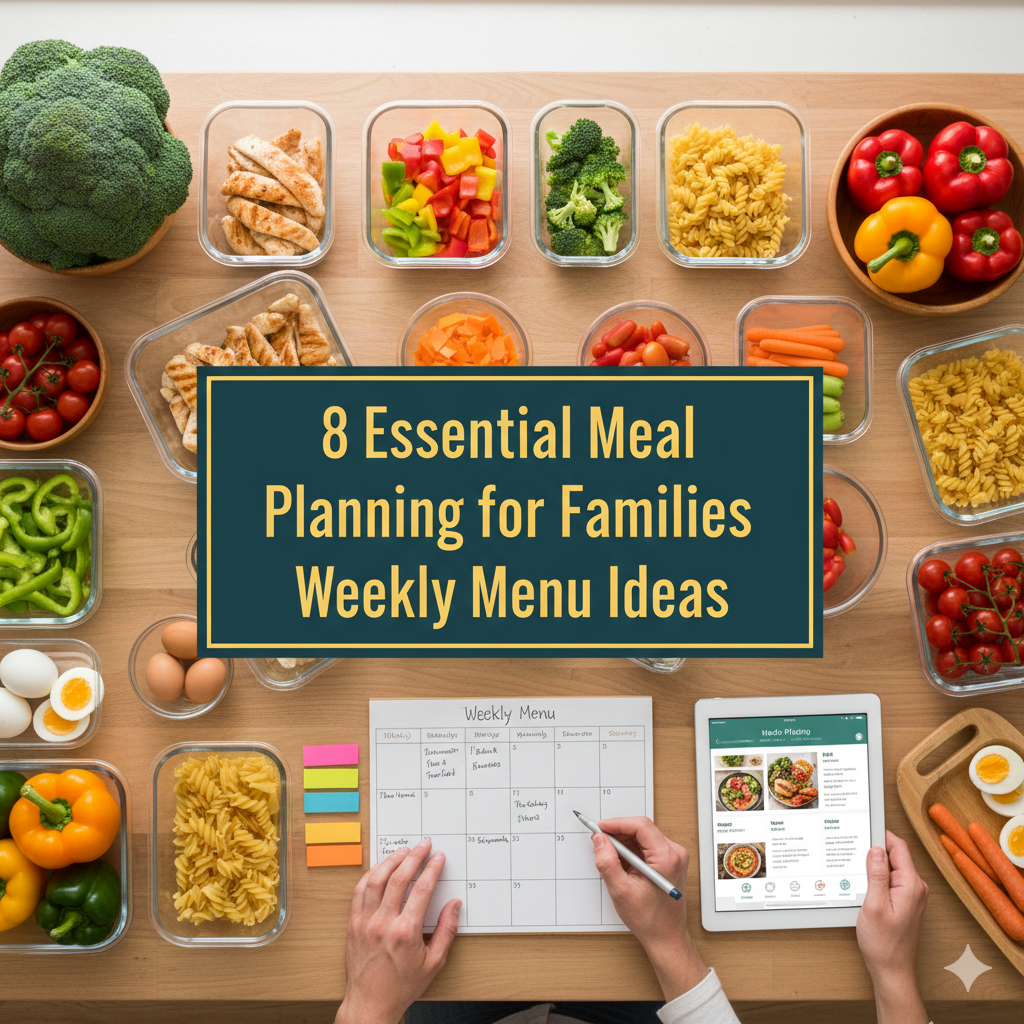
This post contains 8 realistic weekly menu plans, suited to working families. They aren’t glamour dishes from cooking shows — they’re solutions that are practical, adaptable and fit into your real life.
1. The Classic Rotation Method
Consider the meal your family loves most.
Now consider surfing through them week by week with little to no thought about what to cook. That is the rotation technique in practice.
How It Works
Choose seven dinners your family already enjoys. Then, assign each one to a day of the week. For example:
- Monday: Spaghetti with marinara sauce
- Tuesday: Tacos
- Wednesday: Grilled chicken with vegetables
- Thursday: Stir-fry with rice
- Friday: Homemade pizza
- Saturday: Burgers
- Sunday: Roast chicken with potatoes
The simplicity is the beauty of it. You are not coming up with new recipes every single week. You have solid winners to work with that your family already loves.
Making It Work Long-Term
For variety, alternate two to three different weekly menus. This provides a spread without overwhelming your planning.
And you can tweak recipes, just a little. One week, make beef tacos. The following week, go with chicken or fish tacos. A series of small changes keeps things interesting while not making it more complicated.
This is particularly effective with families that appreciate consistency and predictability. Kids love predictability! And so do parents who don’t always want to have to make decisions.
2. Theme Night Strategy
Theme nights are a great way to eliminate decision fatigue and bring some fun into your week.
Popular Theme Night Ideas
Meatless Monday: Pay attention to vegetarian dishes such as pasta primavera, veggie burgers or bean-based main courses. This saves you money and encourages more plant-based meals.
Taco Tuesday: Everyone loves tacos. Put together a taco bar and include various proteins, toppings and shells. Allow the family to make their own meals.
Comfort Food Wednesday: Deliver comfort food (think meatloaf, casseroles and macaroni and cheese) that reminds everyone of home.
Global Thursday: Dine on a cuisine from around the world each week. Serve Italian, Mexican, Chinese or Indian cuisine to broaden the palate of your family.
Pizza Friday: Homemade or store-bought pizza is a treat to end the week. You can also make this interactive and have kids add their own toppings.
Slow Cooker Saturday: Turn to your slow cooker or Instant Pot for hands-off meals like pulled pork, chili and stews.
Family Favorite Sunday: Make the meal that earns the most votes from family members. This is what makes everyone feel involved and happy.
Benefits of Theme Nights
Theme nights are organizational, but there can be a looseness to how they’re interpreted. You know you’ll follow a general path each day, but you have a lot of freedom in the recipes you choose.
Kids love the concept of theme nights, especially when they are involved in preparing or selecting what’s on the menu. It makes dinner an event, not just part of a day.
3. The Batch Cooking Blueprint
Batch cooking is a lifesaver for busy families who need to slash the amount of time they spend on daily cooking.
What Is Batch Cooking?
You cook more than one meal, or part of a meal at a time. Then stash them in the fridge or freezer to simplify weeknight dinners.
How to Implement Batch Cooking
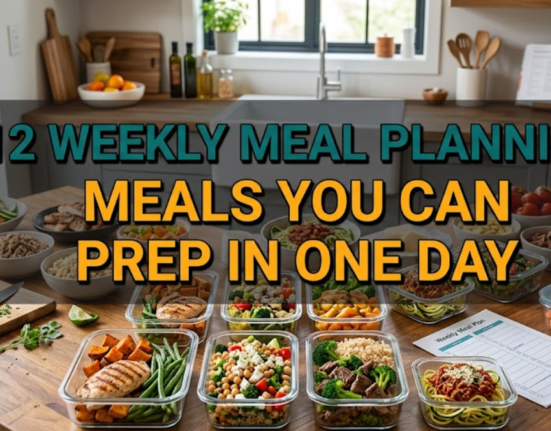
Pick a Prep Day: The most popular prep day is Sunday, though some readers prefer Saturday. It will take around 2-3 hours to cook.
Choose Your Recipes: Choose 3-4 recipes that can be made ahead of time. Casseroles, soups, chili and marinated proteins are all good bets.
Prep Ingredients: You’ll chop all the vegetables, cook up any grains and brown any meat as well as make your sauces during your batch session.
Store Properly: Use airtight containers or freezer bags. Label the contents and date everything.
Reheat and Enjoy: You can just reheat your prepared meals for these on-the-go weekdays. Add fresh sides if needed.
Batch Cooking Meal Ideas
- Breakfast burritos: Make a dozen, freeze them individually and reheat in the microwave
- Chili or soup: Prepare really large pots of it that result in meals for the family more than once
- Marinated chicken: Divide your frozen chicken breasts into a variety of marinades then pop them in a ziplock bag in the freezer so they are all ready for grilling
- Pasta sauce: Make a huge batch, freeze some in meal-size portions
- Meatballs: Prepare a batch of 50 or so meatballs, freeze, and defrost for fast pasta dinners
This technique makes weeknight cooking infinitely less stressful. You’re essentially gifting your future self with ready-made meals.
4. The Mix-and-Match Component System
This approach centers on building multi-purpose ingredients that can be mixed and matched throughout the week.
The Core Components
Proteins: Pre-cook chicken, ground beef, beans or tofu.
Grains: Cook rice, quinoa, pasta or couscous.
Vegetables: Broil or steam broccoli, carrots, bell peppers and zucchini.
Sauces: Have teriyaki, marinara, pesto and curry sauce.
How to Make Multiple Meals from the Same Ingredients
Assuming you cooked these dishes on Sunday:
- Grilled chicken breast
- Brown rice
- Roasted vegetables
- Quinoa
- Black beans
Here’s how you can use them:
Monday: Teriyaki chicken and rice bowls with roasted vegetables
Tuesday: Quinoa and black bean tacos with salsa
Wednesday: Chicken stir-fry with vegetables on rice
Thursday: Burrito bowls with beans, quinoa and toppings
Friday: Leftover vegetable chicken quesadillas
Same ingredients, completely different meals. It cuts prep time and gives different options.
Storage Tips for Component Cooking
Place each part in its own transparent containers. This makes it easy to see what you’ve got — and to grab what you need.
Most cooked parts keep well for 3 to 4 days in the refrigerator. The rest can be frozen for longer than that period.
5. The Sheet Pan Solution
Sheet pan dinners are a boon to busy families in search of minimal cleanup and maximum flavor.
Why Sheet Pan Meals Work
It all cooks on one pan. Protein, vegetables and sometimes even starches roast together in the oven.
Less dishes, easier prep and some hands-off cooking time. You can assemble the pan in the morning and refrigerate it, then bake when you get home.
Sheet Pan Weekly Menu
Monday: Sausage, potatoes and green beans with olive oil and seasonings
Tuesday: Chicken thighs with Brussels sprouts and carrots in honey-garlic glaze
Wednesday: Salmon, asparagus and cherry tomatoes with lemon butter
Thursday: Barbecue pork chops, sweet potatoes and roasted broccoli with barbecue sauce
Friday: Fajita-style chicken, bell peppers and onions (serve with tortillas)
Saturday: Meatballs with zucchini and mushrooms in marinara sauce
Sunday: Lemon herb chicken with baby potatoes and snap peas
Sheet Pan Success Tips
Cut everything to the same size so nothing will be overcooked. Sort items by cooking time — fast-cooking vegetables on the edges.
For even easier cleanup, line pans with parchment paper or foil. Invest in heavy, sturdy sheet pans that won’t instantly warp at high temperatures.
Most sheet pan meals will cook around 400-425°F for 25-35 minutes. Most weeks you can prep in under 15 minutes, making it one of the quickest weekly planning methods too.
6. The Budget-Friendly Plan
Meal planning is a great way to save money, and this strategy in particular emphasizes low-cost groceries while also maximizing nutrition and flavor.
Money-Saving Weekly Structure
Build meals around inexpensive proteins: Chicken thighs, ground turkey, eggs, beans and canned tuna all cost less than their fancy counterparts.
Cook with seasonal produce: Fruits and vegetables in season are less expensive and taste better. Base your menu off what’s already plentiful.
Add one meatless meal: Plant-based sources of protein such as beans, lentils and tofu cost far less.
Plan for leftovers: Make more than you need and stretch your meals out over several days.
Sample Budget-Friendly Week
Monday: Spaghetti with meat sauce (ground beef is relatively cheap if you stretch it out in a sauce)
Tuesday: Bean and cheese quesadillas with homemade salsa
Wednesday: Chicken and rice soup (make with cheap chicken pieces)
Thursday: Breakfast for dinner (eggs, toast and fruit)
Friday: Homemade pizza with store-bought dough
Saturday: Chili in the slow cooker with cornbread
Sunday: Roast chicken (save the carcass for soup stock later)
Budget Planning Table
| Meal Type | Money-Saving Strategy | Weekly Savings |
|---|---|---|
| Proteins | Buy in bulk, freeze portions | $15-20 |
| Vegetables | Choose seasonal, frozen options | $10-15 |
| Grains | Buy large bags of rice, pasta | $5-8 |
| Convenience | Make vs. buy (sauce, dressing) | $8-12 |
| Total Estimated Weekly Savings | $38-55 |
Meal planning eliminates impulse buys and food waste, which are budget killers. Shopping with a plan-based list has been proven to be an effective strategy for spending less overall. For more comprehensive meal planning strategies for families, you’ll find additional resources that can help streamline your weekly routine.
7. The Picky Eater Adaptation
Selective eaters offer unique challenges for families. This method also satisfies those needs without you losing your mind.
Strategies for Diverse Preferences
Make-your-own meals: Tacos, pizza, pasta bowls and salad bars allow everyone to make a plate to order. This way even the pickiest eaters have something they like.
Serve old favorites on repeat: Try proven kid favorites in rotation. Nothing wrong with the occasional chicken nuggets and mac and cheese if it makes dinner a little less stressful.
One new food a week: Add variety without added stress. Provide new among the known so kids don’t get overwhelmed.
Ingredients divided: Instead of being mixed together, serve ingredients separately. Quite a few children prefer deconstructed meals, in which foods are kept separate.
Weekly Menu for Picky Eaters
Monday: Build-your-own tacos with different proteins and toppings
Tuesday: Pasta with butter (for kids) and marinara sauce (for adults), served on the side
Wednesday: Grilled cheese sandwiches and tomato soup
Thursday: Chicken tenders with various dipping sauces and steamed veggies
Friday: Make-your-own pizza (everyone adds the toppings they like)
Saturday: Breakfast for dinner (waffles, scrambled eggs, fruit)
Sunday: Plain roast chicken with plain rice and raw vegetables with dip
Making It Work
Don’t make them eat everything. Present them with balanced options and let them decide. Familiarity, by repeated exposure to new foods, leads to acceptance.
Meals should be a pleasant gathering, not a battlefield. The mission is nourishment and community, not comprehensive nutrition at every single meal. According to the USDA’s nutrition guidelines, creating a positive mealtime environment is just as important as the food itself.
8. The Time-Saving Express Plan
For the family with the most limited time, speed is everything with this plan.
The 30-Minutes-or-Less Approach
All of the meals are ready to eat in 30 minutes or less from start to finish. And that includes prep, cook and plating.
Be strategic with convenience items: Pre-cut vegetables, rotisserie chicken and pre-cooked grains will cut down your prep time to almost zero.
Concentrate on one-pot meals: Fewer dishes are faster to clean up. Soups, pasta dishes and stir-fries are perfect for this.
Consider morning fare in the evening: Pancakes, omelets and breakfast sandwiches are fast and always a hit.
Stock pantry staples: With the right ingredients at the ready, you can slap together meals with no trip to the store.
Lightning-Fast Weekly Menu
Monday: Store-bought rotisserie chicken, bagged salad and microwaved sweet potatoes (15 minutes)
Tuesday: One-pot pasta with jarred sauce and frozen vegetables (20 minutes)
Wednesday: Quesadillas with pre-shredded cheese and canned beans (15 minutes)
Thursday: Stir-fry with pre-cut vegetables and store-bought sauce (20 minutes)
Friday: Frozen pizza and side salad (25 minutes)
Saturday: Breakfast burritos with scrambled eggs and pre-cooked bacon (20 minutes)
Sunday: Slow cooker dish started in the morning, ready at dinner (5 minutes active prep)
Time-Saving Equipment
- Instant Pot: Allows you to quickly prepare dinner in a fraction of the time
- Air fryer: Faster than the oven without heating up the whole kitchen
- Rice cooker: Set it and forget it for perfect grains every time
- Food processor: It takes only seconds to chop vegetables
This is an investment worth making, especially when you’re running against the clock every night.
Making Meal Planning Actually Stick
You’ve got the ideas. Now let’s discuss making this a permanent habit.
Start Small
Don’t try to plan out every meal at once. Begin by focusing solely on dinners for the week. When that feels comfortable, you can add breakfasts and lunches too if you like.
Create a Simple System
Maintain a master list of 20-30 meals that your family likes. When you plan your week, you need only choose from this list. No need to keep searching for new recipes.
Keep it as simple as this:
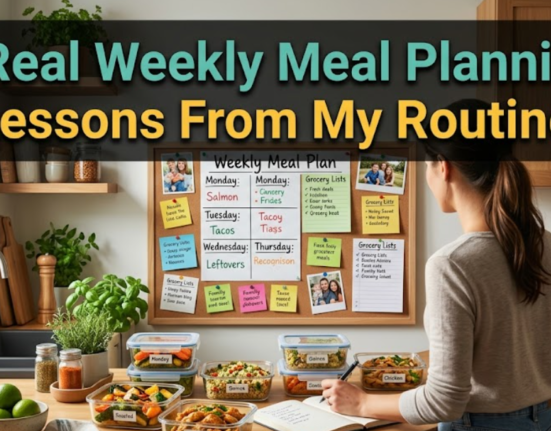
Week of [Date]
- Monday: [Meal name]
- Tuesday: [Meal name]
- Wednesday: [Meal name]
- Thursday: [Meal name]
- Friday: [Meal name]
- Saturday: [Meal name]
- Sunday: [Meal name]
Shop with Your Plan
Turn your meal plan into your shopping list. Sort the list by store sections (produce, meat, dairy, pantry) to make shopping quicker.
Check your pantry at home to avoid duplicating. Shop what you have before shopping for new items.
Be Flexible
Life happens. Plans change. If Monday’s meal doesn’t work out for you, trade it with a different night. The point isn’t to aim for perfection – it is to cut down on decision fatigue and stress.
Get Family Input
Check in with people on what they want to eat for the week. If family members have a say, they’re more likely to eat without complaint.
Turn meal planning into a Sunday afternoon activity that everyone’s involved in. Kids can also write shopping lists, and may even be able to help with some prep.
Frequently Asked Questions
How early should I be planning my meals?
Once a week should work well for most families. It’s short enough to remain realistic and long enough to save time. Others favor two-week plans to eliminate the planning every single week.
What if my family is not crazy about leftovers?
Transform leftovers into new meals. Roast chicken turns into chicken salad or tacos or soup. Rice transformed from cooked to fried rice. Little alterations keep food feeling fresh and new rather than repetitive.
How do I manage when schedules vary?
Schedule flexible meals for busy nights (sandwiches, one-pot dishes), and more ambitious recipes for times when you have more time at home. Maintain frozen dinners for spontaneous schedule shifts.
How often should I test new recipes?
Not necessarily every week. If you crave variety, add one new recipe a week or every couple of weeks — but don’t stress yourself out.
What about special dietary needs?
Most meal planning systems have the ability to accommodate with ease. Swap in ingredients according to allergies or preferences. The structure is still the same even if you use different foods.
How long does meal planning take?
The initial planning requires 20-30 minutes a week. Ten to 15 minutes once you have a system and a master list of meals. The minutes saved during the week more than make up for planning time.
Your Week Starts Now
Family meal planning doesn’t have to be difficult or time-consuming.
Whether you pick the rotation, theme nights, batch cooking or some combination of these eight methods, you’re going to be giving your family structure, nutrition, and less stressful dinners together.
What’s most important is finding what works for your unique set of circumstances, family and situation. Perhaps you’re all about budget meals. Maybe you just need speed more than anything else. Or perhaps you’re working your way around picky eaters and need options.
There’s no one “right” way to meal plan. The best way is the one you’ll actually do, consistently.
Start this week. Choose one of the methods in this article that works for you. Write out your seven dinners. Make your shopping list. Then see how much easier your evenings get.
Your future self will thank you when you open the fridge on Wednesday night and actually know what you’re making for dinner.
That’s the magic of already having weekly menu ideas in place. Less stress, more time with family and food that everyone enjoys.
Now go plan that week — your family is counting on you, and you can do this.