
Why Your Family Needs a Good Meal Planning System
Let’s be honest. The hour of dinner should not be a daily crisis. But for far too many families, it does.
You are in front of the open refrigerator at 5:30 p.m., looking into the dark void and thinking, What can I throw together? Your kids are hungry. Your wife’s wondering “what should we have for dinner tonight?” And you’re kind of brain dead after a long day.
Millions of homes have one version or another of this scene every single evening. The good news? It doesn’t have to be this way.
Week-in and week-out family meal planning is about so much more than choosing what’s for dinner. It’s about reasserting control over your time, your budget and your sanity. When it goes right, weekly meal planning takes one of the most stressful parts of your day and makes it smooth and predictable.
Research has demonstrated that families who plan their meals in advance are more likely to eat healthier, throw away less food and save up to $2,000 a year on groceries. They also spend 30 percent less time in the kitchen trying to figure it out.
But here’s the catch. The vast majority of meal planning advice you’ll find online is either too complex or too vague. The actual secrets that make meal planning work — like, in real life? Those are harder to find.
Until now.
Secret #1: Create a Family-Recipe Rotation
Here’s something not enough meal planners will tell you. You don’t need 100 recipes. You want around 20 really good ones that your family will like to eat.
Think about restaurants. They put the same thing on the menu again and again. No one objects, since the food is enjoyable and consistent. It’s the same in your family kitchen.
Creating Your Core Recipe List
Begin by brainstorming a list of meals your family already loves. Ask everyone in your house what their top five favorite meals are. You may find some overlap in your answers, but that’s just the way it should be.
You want to gather 15-20 recipes that meet the following criteria:
- Everybody in the house would eat them without grumbling
- The ingredients are all things you would be able to buy at any ordinary grocery store
- They can be made in 45 minutes or less
- They’re a cinch to make (no fancy cooking skills are required)
- They taste just as great the next day
Now take this list and organize it into buckets. Some families prefer to cluster together around protein (chicken nights, beef nights, pasta nights). Others like to sort by how they cook (slow cooker meals, sheet pan dinners, one-pot meals).
The One Rotation You Can Actually Use
Here’s the secret formula: Schedule your meals in two-week intervals, not one.
A two-week rotation offers enough variety that no one feels like they’re eating the same thing constantly. But it’s not so long that you lose track of what worked, and what didn’t.
List 14 unique dinner ideas. That’s it. Then just do this every two weeks forever. You change it up by one or two meals each cycle, to keep things interesting — but your core rotation remains constant.
This approach reduces the amount of time you’ll spend planning (from 30 minutes every week) to a mere 5 minutes. You’re not trying to reinvent the wheel every Sunday afternoon.
Secret #2: Become a Theme Nights Master
Sure, theme nights can feel gimmicky, but they are one of the most powerful meal planning tools there is.
When you give each day of the week themes, you eradicate decision fatigue. You’re not looking for a conversation around “what’s for dinner?” You want to know “what’s a Mexican dish that we should cook on Tuesday”?
That little difference is a big deal.
Popular Theme Night Ideas
Here’s a basic weekly theme format that can help many family cooks:
Monday: Meatless Monday (pasta, beans, eggs or another meat alternative)
Tuesday: Taco Tuesday
Wednesday: One-Pot Wednesday
Thursday: Throwback Thursday
Friday: Pizza Friday
Saturday: Slow Cooker Saturday
Sunday: Family Favorite Sunday
You need not adhere strictly to this schedule. The idea is to build a system that makes decisions easier, not more difficult.
Why Theme Nights Work So Well
Theme nights are a solution to several problems at once. They also make the grocery store a little less overwhelming, because you know what category of ingredients to look for. It makes them looking forward to dinner instead of dreading what they are going to have. And they reduce the stress of cooking, since you know helpful boundaries to work within.
And theme nights can make it easier to get your kids involved in the decision-making process. You can ask even young children for suggestions on taco fillings, or which shape of pasta might sound good for Monday.
Secret #3: Use Your Own Pantry Instead of the Store’s Shelves
Families proudly throw money away buying groceries they already have at home. They make this mistake because they leave out the most important step in planning a meal: inventory.
Before penning a single thing on your list, spend 10 minutes reminding yourself what you already have.
The Quick Pantry Audit Method
Open your pantry and fridge and freezer. Jot down a fast list of ingredients you have in abundance. Then construct your meal plan around those foods.
This method — sometimes called “pantry cooking” — can have an immediate effect, trimming 20 to 30 percent off your grocery bill. You are using what you have, instead of having food go to waste.
Here’s a systematic method for doing that:
Look in your pantry for grains, pasta, canned goods and dried beans. In your own refrigerator, do you have any produce that needs to be used quickly? Look in your freezer for forgotten proteins.
Now consider: What recipes from my stable of favorites can I prepare from these ingredients? What should I buy to make these meals happen?
Creating a Strategic Shopping List
Once you know what you’re cooking and what you have on hand, creating a shopping list is dead-simple.
Organize the list by store sections. This saves you time searching for things, and it’d help you avoid impulse buys. This can usually be automated to some extent with most grocery apps, but also something as low-tech as a note on paper will suffice.
Group items like this:
- Produce section
- Meat and seafood counter
- Dairy case
- Dry goods and pantry items
- Frozen foods
Pro tip: Shop only after you’ve eaten. Hungry shoppers purchase 64% more impulse items than do satisfied ones. That’s money directly out of your pocket.
Secret #4: Prep Like a Restaurant Chef
Even professional kitchens aren’t making everything from scratch at dinner time. They prep ingredients in advance. So should your family kitchen.
Prep work can be the difference between a harrowing dinner rush and easy cooking.

The Power of Batch Prepping
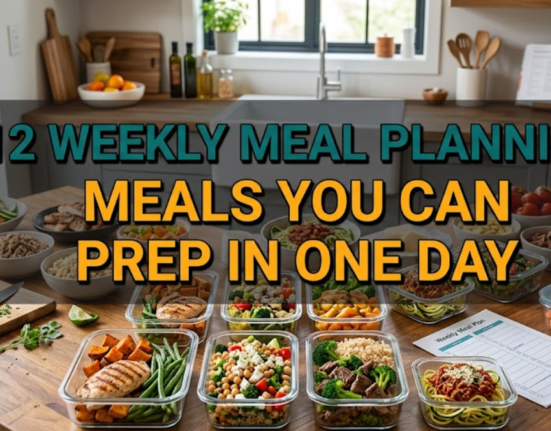
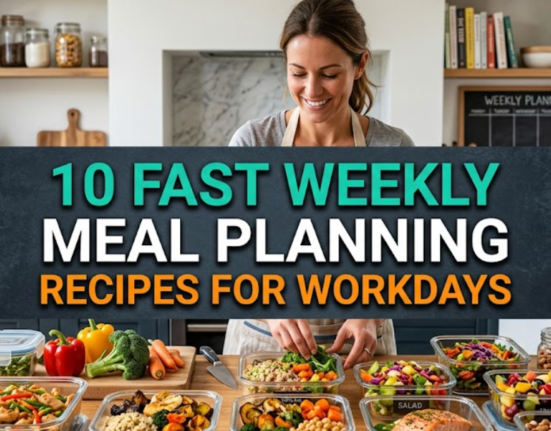
Decide to dedicate one day in your week to meal prep. (For most families, this is Sunday afternoon; other days are fine as well.) You’re not cooking entire meals. You’re working with ingredients that will speed up weeknight cooking.
Devote one to an hour and a half accomplishing these tasks:
Chop up and wash your vegetables a week ahead! Store them in clear containers where you can see what’s inside and grab the one you need, fast.
Cook proteins in bulk. Grill a few chicken breasts at the same time. Brown the ground beef (3 pounds). You can put those cooked proteins to use in different meals.
Prepare grains and beans. Cook a big pot of rice. Make a batch of quinoa. Oh, and these sides reheat beautifully, saving 20 minutes on the most hectic of nights.
Mix marinades and sauces. Mix and match ingredients for your favorite flavorings and keep them in jars or bags.
Smart Storage Solutions
The way you store prepped food is just as important as the prep.
Invest in some really nice storage containers. Crystal clear ones are the best for this reason since you can peer in and see what’s inside without lifting every lid. Put masking tape on everything and write on it with a marker. You want to see the date so that you can tell how fresh things are.
Here’s a helpful storage timeline:
| Food Item | Storage Location | How Long It Will Last |
|---|---|---|
| Chopped vegetables | Fridge | 3-5 days |
| Cooked grains | Fridge | 5-7 days |
| Cooked proteins | Fridge | 3-4 days |
| Mixed marinades | Fridge | 1 week |
| Cooked beans | Fridge | 5 days |
| Washed lettuce | Fridge | 5-7 days |
Secret #5: Double Up and Freeze Smart
What’s the simplest way to chop your dinner time in half? Make twice as much and freeze half for another day.
It’s the “cook once and then eat twice,” strategy that professional meal planners all over swear by. Yet most families never think to do so.
Meals That Freeze Beautifully
Not everything freezes well. Creamy dishes or raw vegetables can get funky textures. But there are a lot of family favorites that freeze like champs.
These meals are freezer superstars:
- Soups and stews
- Casseroles and baked pasta dishes
- Meatballs and meatloaf
- Chili and curry
- Enchiladas and burritos
- Lasagna
- Pulled pork or shredded chicken
When preparing one of these dishes, prepare 2 as a matter of course. Eat half tonight. Freeze the other half for a night when you don’t have energy to cook.
Proper Freezing Techniques

How you freeze is what makes food taste better down the line. Here are some tips to follow along the way:
Cool food completely before freezing. Hot food produces ice crystals that spoil texture.
Squeeze as much air out of containers or bags as you can. Air causes freezer burn.
Portion food in sizes that fit your family and freeze excess. Freeze meals in serving sizes that represent your family size (family of four? freeze in four-serving portions).
Label everything clearly. Write the name of the dish, the date it was frozen and how to reheat it. Believe me, three months from now you won’t even remember what that mystery container is.
Most cooked meals will last in the freezer for 2-3 months. After that, they’re still safe to eat but lose quality.
Secret #6: Make Leftovers Intentional
If you associate repetition with the word leftovers in your head, stop that right now. We realized these would make “intentional extras” that could easily transform into new meals.
The trick is to cook with leftovers in mind from the beginning. This method is occasionally referred to as “repurposing” or “ingredient planning.”
Strategic Leftover Planning
When it’s time to roast a whole chicken on Sunday, you’re not actually making Sunday dinner. You’re thus building ingredients for three additional meals that week.
You also feed your family the chicken once. What remains of the meat makes chicken tacos on Tuesday. The scraps of meatless bones become Wednesday’s soup broth. The little bits that are left get thrown into a salad on Thursday.
You just cooked a single cooking session worth of ingredients for four meals.
Here are some more examples of the strategic calculus behind ingredient planning:
Steak grilled on Monday can be steak fajitas by Wednesday, and a steak salad by Friday.
Big pot of beans Tuesday presents as-is with cornbread, then returns to bean burritos Thursday en route to soup Saturday.
Sunday’s pulled pork becomes BBQ sandwiches on Monday, and pork fried rice or pork quesadillas later in the week.
The Leftover Buffet Night
Choose one night a week as “leftover buffet night.” Gather all of the week’s small bits of leftovers. Have everyone make their own plate from what’s growing.
Children really do enjoy this method, since they get to pick out what they want. Parents love it, because there’s zero cooking to do. And it cleans out your fridge as you prepare for the new week.
Secret #7: Leverage Technology to Make Planning a Breeze
You don’t need fancy apps to eat well and save money. A pen and paper go a long way. But if you’d rather take some of the work off your hands, technology helps a lot.
Free Meal Planning Tools Worth Using
A few free tools that will help organize your meals:
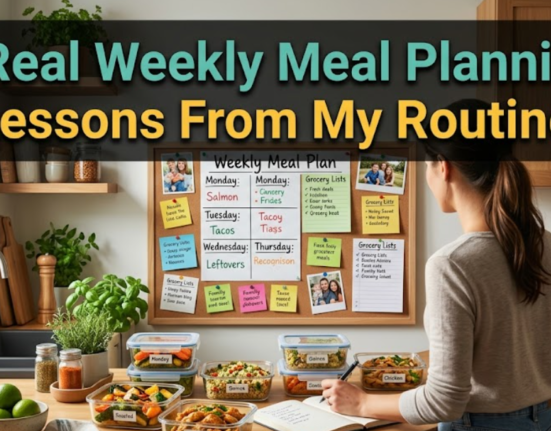
Google Docs or Notes App: Create a basic meal planning document or use the notes app. Write the days of the week along the left side. Fill in meals for each day. Save this document and copy/paste it each week so you can start to get a feel for what worked previously.
Recipe websites with save features: Websites like AllRecipes, Budget Bytes and Food Network allow you to save in collections. Create collections by theme or protein type.
Grocery store apps: Many major chains offer apps that allow you to create shopping lists and review what’s on sale. A few might even remember your frequent purchases and offer them up automatically.
Basic spreadsheet: Make a master spreadsheet with your foundational 20 recipes on it. Then include columns for: ingredients needed, prep time, family rating. Keep updating it as you experiment with new meals.
When to Consider Paid Meal Planning Services
If you are truly absolutely no-plan busy, meal planning services could be worth the money. Services like eMeals, Plan to Eat or Mealime will give you full weekly meal plans and shopping lists.
This service costs $5-10 per month. Whether that’s worth it is up to how you value your time and how much you struggle at planning.
The downside? They may recommend meals your family doesn’t enjoy. The upside? Zero planning time required.
How to Stick With Your Meal-Planning System
The greatest meal-planning system in the world doesn’t work for you if you don’t use it. Here is how to ensure that your new routine will turn into a sustained habit.
Start small. Do not aspire to seven perfect dinners in week one. Just three dinners to start. When that feels easy, repeat.
Get your family involved. When they are part of the plan, you’re more likely to make adjustments and have them eat without complaint. Even 5-year-olds can be enlisted to choose between two options or select one type of vegetable to serve at dinner.
Keep it flexible. Life happens. There will be nights when the plan falls apart. That’s normal and okay. Order pizza! Prepare breakfast for dinner! Or, hey, let’s do something from the freezer. The world won’t end.
Review what was effective and what wasn’t. Put aside five minutes every few weeks to consider your meal plan. Which meals did everyone love? Which ones were too complicated? What nights did you dine out instead?
Rethink your plan in light of that information. Meal planning for families should become easier, not more difficult.
The Bottom Line to a Successful Meal Plan
Meal planning for families weekly routine does not have to be hard, take a long time or stress you out! That’s some of what makes these seven secrets work — they’re rooted in the messy, real world needs of families, not filtered photos on Instagram.
Build your core recipe rotation. Embrace theme nights to reduce decisions. Shop your pantry first. Prep ingredients in advance. Cook double and freeze half. Plan for strategic leftovers. And avail yourself of whatever tools you can to make it easier for you.
Try one or two of these secrets this week. You will immediately experience less stress and more organization. So selectively add new secrets as others start to feel natural.
Remember, the goal isn’t perfection. The goal is progress. Even modest improvements in meal planning will pay off in reclaimed time, reduced family stress and better eating by all.
Your future self, sitting in the kitchen at 5:30 p.m. with a plan and your soul intact, will thank you for starting today.
Frequently Asked Questions
How Long Should Weekly Meal Planning Take?
If you have a system going, meal planning can be as quick as 10-15 minutes per week. When you’re new to the whole thing, plan on 30-45 minutes as you establish your line up of foods that work for your family.
What if my children will only eat a few bites of anything?
Add one of their favorite meals into the mix once a week. For other meals, employ the “one bite rule,” in which kids must try just one bite of everything. Construct meals that offer deconstructed alternatives so that picky eaters can skip ingredients they detest.
Do you really want me to plan breakfast and lunch as well?
Start with just dinner planning. When that feels easy, add breakfast and lunch. Lots of families have easy breakfasts that rotate — oatmeal, eggs, yogurt and cereal.
How do you plan a meal on a budget?
When planning meals, focus on what’s on sale that week. Opt for economical proteins such as chicken thighs, ground beef and beans. Shop your pantry first. Bulk cook and freeze individual servings. A strict budget actually makes meal planning more crucial, not less.
But what if my family’s schedule changes nightly?
Plan meals that have multiple serving options. Slow cooker and sheet pan dinner options are also ideal, because people can eat when they are ready. For the nights everyone eats at different times, have some “grab and go” options ready to go.
How many meals do I need to plan each week?
Budget for 5-6 home-cooked dinners per week. Designate one night for leftovers, and another for takeout or dining out. This gives you plenty of breathing room without pressure.
Can I plan meals when I can’t stand to cook?
Absolutely. Turn to ultra-easy recipes with 5 or fewer ingredients. Rely on prepared ingredients such as precut vegetables and rotisserie chicken. Get on board with one-pot meals and slow-cooker options that take virtually no effort.