
Why Is Dinner So Hard for Our Families?
Picture this: It’s 6 p.m. on a Tuesday. Your children are hungry and fussy. You open your fridge, stare and wonder what to make. So you bite the bullet and order pizza once more.
Sound familiar?
You’re not alone. Most families have this very same issue every. single. week. The good news? Weekly meal planning for families doesn’t have to be difficult or time consuming.
This article shares 10 simple tactics real families are using to make a meal plan work for them. These are not fancy chef tricks or complex systems. They’re easy, proven tactics that work even when life is crazy.
So my tech question is: How do you change the way your family eats so you can save your evening?
Strategy #1: Choose Your Planning Day and Commit to It
The single greatest mistake families make in planning meals is NOT PLANNING RANDOMLY. One week they plan on Sunday. The next week on Wednesday. Then they forget completely.
Success starts with consistency.
Select a day of the week that will be your meal planning day. For most families, it is Saturday or Sunday — they have more time on the weekend. But any day will do as long as you are consistent.
Here’s what the plan part of your planning session should contain:
- Review your family’s weekly schedule
- Audit your pantry and fridge
- See all the recipes or favorite ones
- Create your shopping list
- Imagine those harried days when you need meals that come together fast
Set a timer for 30 minutes. That is typically long enough for anyone to organize their whole week. Don’t overthink it. Done is better than perfect.
Pro tip: Schedule your planning time into your phone calendar with a reminder. Think of it as a serious appointment, because that’s what it is.
Strategy #2: Make a Master List of Family-Approved Meals
Don’t keep hunting for recipes every week! That’s exhausting and unnecessary.
Instead, create a repertoire of 20-30 meals that your family actually eats. Write them down in one place. This is your dinner planning gold.
Your master list should include:
- Fast weeknight dinners (30 minutes or less)
- Slow cooker or instant pot recipes
- One-pot dishes for easy cleanup
- A few foods children will eat without complaint
- A few fancier weekend options
How to grow your list: Begin with the meals you already cook. Include them in a note on your phone, or jot them down in a notebook. Whenever you find a new family favorite, put it on the list.
When it’s time to menu plan, you can just pick something from the list of things that you know work rather than going through hundreds of recipe websites.
This one trick saves families hours a month.
Strategy #3: Theme Nights Make Decisions Automatic
Theme nights take the most arduous part of meal planning off the table: deciding what to eat.
Because you’re pinning themes to each day, it can help eliminate a lot of other options right up front. This makes planning more efficient and minimizes decision fatigue.
Popular family theme night ideas:
| Day | Theme | Example Meals |
|---|---|---|
| Monday | Meatless Monday | Veggie pasta, bean burritos, grilled cheese |
| Tuesday | Taco Tuesday | Tacos, burrito bowls, quesadillas |
| Wednesday | One-Pot Wednesday | Chili, stir-fry dishes and one-pan dinners |
| Thursday | Throwback Thursday | Meatloaf or pot roast |
| Friday | Pizza or Takeout Friday | Homemade pizza or local restaurant nights |
| Saturday | Slow Cooker Saturday | Pulled pork, chicken soup or beef stew |
| Sunday | Family Dinner Sunday | Roasted chicken, pasta-style meals and larger cuisine |
You don’t have to do these exact themes. Make some that fit your family’s tastes and dietary needs.
The beauty of themes? Your kids will expect it. Maybe they’ll even look forward to Taco Tuesday or Pizza Friday.
Strategy #4: Batch Cook Your Protein Sources
Here’s a hot tip from successful meal planners: they cook more than one type of protein at once.
Choose one day (usually a Sunday) and make a few proteins for the week. This shaves your cooking time in half on a busy weeknight.
Simple batch cooking method:
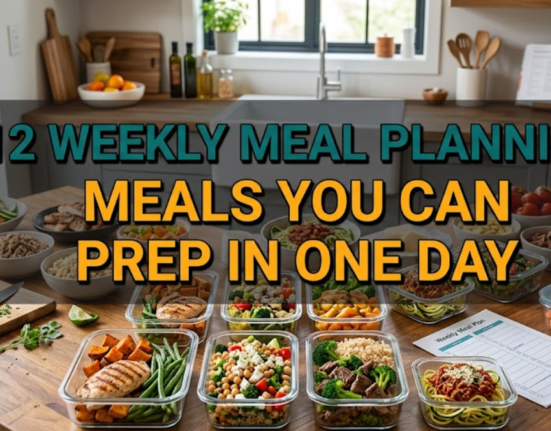
- Grill or bake some chicken breasts
- Brown a couple pounds of ground beef or turkey
- Cook a big batch of beans in your slow cooker
- Hard boil a dozen eggs
You can keep these cooked proteins in separate containers. Then by dinner time, the toughest part is all finished. Throw some vegetables, grains or pasta into the pot afterward and you’ve got yourself a meal.
Time spent: 1-2 hours on Sunday
Time saved in the week: 3-4 hours
It’s an excellent trade-off for busy families.
Strategy #5: Maintain a Well-Stocked Emergency Pantry
The finest meal plans go awry now and then. Your kid gets sick. You work late. Life happens.
A strategic pantry stash rescues it from these scenarios.
Essential emergency pantry items:
- Pasta and jarred sauce
- Canned beans and tomatoes
- Rice or quinoa
- Frozen vegetables
- Canned tuna or chicken
- Peanut butter and jelly
- Some form of frozen bread or tortillas
- Boxed mac and cheese
These are the things that allow you to cobble together good meals when your planned dinner doesn’t work out. No takeout required.
Check your emergency stash monthly. Replace products as you use them. Think of it as meal planning insurance.
Strategy #6: Prep Your Vegetables When You Get Home From The Store
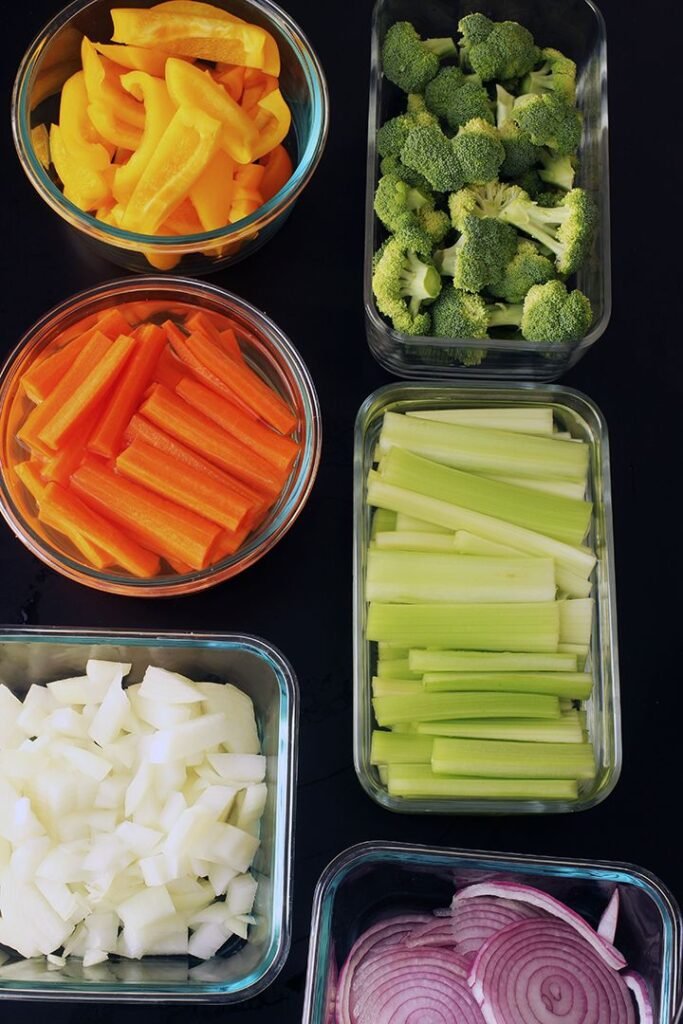
A bunch of gorgeous, beautiful veggies spoiled on the bottom shelf of your fridge while you felt too busy to wash them. Then you start feeling guilty and get takeout instead.
Replace that with some prep work immediately.
When you arrive home from the shop:
- Vegetables should be washed and cut upfront
- Store them in transparent containers where you can see them
- Prep salad in a large bowl and cover with wet paper towel
- Pre-cut fruit, and store it at eye level in the refrigerator
This 20-minute investment will make healthy eating automatic. When vegetables are ready to be used, you will use them.
Your kids are also likely to snack on vegetables that you have prepped, versus whole ones they must wash and cut.
Plus, cooking becomes faster. Throw your prepped vegetables into the pan. Get dinner on the table without having to wash and chop.
Strategy #7: Double Your Recipes for Built-In Leftovers
Leftovers get a bad reputation. But they are really a meal planner’s best friend.
This is the system: When you cook, make twice as much. Eat one portion that night. Save half for later in the week.
Smart leftover planning:
- Monday: Make double chicken fajitas
- Tuesday: Different meal
- Wednesday: Rewarm Monday night’s fajitas (but serve them over rice, rather than in tortillas, for a change of pace)
This strategy means you cook only 3-4 times a week, versus 7. That’s huge for busy families.
Best meals for doubling:
- Soups and stews
- Casseroles
- Pasta dishes
- Chili
- Pulled pork or chicken
- Meatballs
Remember to date and label your containers. Keep the older leftovers in rotation toward the front of the fridge, so that’s what gets eaten first.
Strategy #8: Plan Your Meals Around Your Calendar
The biggest meal planning mistake? Ignoring your actual schedule.
It’s soccer practice until 7 on Tuesdays? Don’t plan a recipe that requires an hour to cook.
Thursday is your late day? Plan a slow cooker meal or leftovers.
Match meals to your schedule:
- Busy days = crock pot meals, 20 minute dinners and pre-planned leftovers
- Normal days = regular 30-45 minute recipes
- Laid back days = new recipes or some baking/cooking fun stuff
Grab your family calendar before you do a little meal planning. Examine all of the things that each individual is doing, attending, and committed to. Plan meals that actually work for your life.
This tiny gesture saves dinner disasters and stress significantly! For more comprehensive meal planning strategies for families, you can explore additional resources that help streamline your weekly routine.
Strategy #9: Get Your Family Involved in the Process
Meal planning shouldn’t rest solely on one person’s shoulders.
Contributing to a meal means there’s more buy-in and less complaining at dinner time.
How to involve your family:
- Let each family member choose 1 meal per week
- Give kids age-appropriate responsibilities (washing the vegetables, setting the table or stirring ingredients)
- Get teens involved in real cooking
- If possible, make shopping a family event sometimes
Younger children may go for something more straightforward, such as “chicken nuggets and fries.” That’s perfectly fine. Put their pick on the busiest night of the week when simple will do.
Older kids and teenagers can help out and lower the workload for you. Win-win.
Family participation also educates children about the values of nutrition, budgeting and planning. These lessons last a lifetime.
Strategy #10: Create a Flexible Meal Swap System
Life doesn’t usually work out as you expect it will. You shouldn’t have a strict meal plan either.
Build flexibility into your system with a simple swap strategy.
How the swap system works:
Plan 5-6 dinners for the week, but give them no daily attachment. Keep them flexible. If Wednesday’s grilled salmon doesn’t appeal to you, swap it with Friday’s pasta.
This relieves pressure, yet maintains structure. You still have a plan, but it’s not so rigid that you can’t shuffle things around and make different meals on different days.
Keep three backup options ready:
- A freezer meal you can just defrost
- Breakfast for supper (scrambled eggs, pancakes, French toast)
- Your family’s No. 1 quick takeout choice
Backup plans aren’t failures. They’re smart, trusted contingencies that keep your family fed without stress.
Making It All Work Together: Your Weekly Workflow
Let’s now plug all these tactics into an easy weekly routine.
Your meal planning workflow:
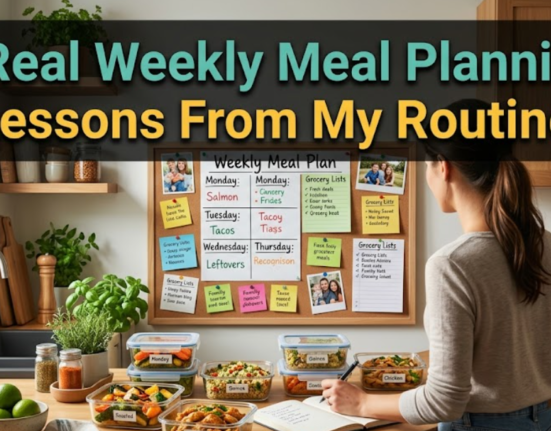
- Saturday or Sunday: 30 minutes of planning for the week ahead
- Check your schedule for packed days
- Select 5-6 meals from your master list
- Check your pantry and fridge
- Create your shopping list
- Shopping Day: Buy everything you need
- Prep vegetables when you walk in the door
- Batch cooking day: Cook all proteins and anything you can make in advance
- All week: Stick to the plan, but be flexible with swaps
This system may seem like more work at first. Stick with it for 3-4 weeks. It becomes automatic.
In fact, for most families, meal planning saves time when you get into the swing of things.
Common Meal Planning Challenges and Solutions
Now, let’s confront the hurdles that families face most frequently.
Challenge #1: “My kids don’t like anything”
Solution: Add at least one food every child enjoys to each meal. Keep an alternative option on hand (peanut butter and jelly sandwich, yogurt, fruit).
Challenge #2: “I don’t want to eat the same foods every week”
Solution: Cycle your master list instead of repeating the same 7 meals. Throw in at least one new recipe every month so it doesn’t get boring.
Challenge #3: “I can’t be bothered to meal plan”
Solution: Start smaller. Only plan 3-4 dinners a week. Have back-pocket backups for other nights. Something is better than nothing.
Challenge #4: “I buy ingredients, they spoil before I use them”
Solution: Go twice a week with smaller lists, or focus on frozen vegetables and proteins that last longer.
Budget-Friendly Meal Planning Tips
Meal planning saves money by cutting back on food waste and curbing impulse buys. Here’s how to maximize savings:
- Meal plan around sales at your grocery store
- Opt for less expensive proteins, such as beans, eggs and ground turkey
- Purchase store brands instead of name brands
- Stock up on sale products that you use all the time
- Shop only on a full stomach (stops the temptation of impulse purchasing)
- Use loyalty cards and digital coupons
A typical family actually saves $200-400 monthly when they are purposeful about eating balanced meals instead of random spending or ordering out.
According to the USDA’s guide on meal planning, strategic planning can significantly reduce household food costs while improving nutrition.
Frequently Asked Questions
How far in advance should I meal plan?
For most families, one week at a time is ideal. Monthly planning sounds efficient but often leads to wasted food or rigid schedules. Weekly planning is the perfect mix of organization and flexibility.
What if I have a family that won’t eat leftovers?
Transform leftovers into “new” meals. Make roasted chicken into chicken salad sandwiches or quesadillas. Use leftover taco meat in nachos or burrito bowls. Presented differently, the same ingredients seem fresh.
Should I plan breakfasts and lunches as well?
Start with just dinners. When that becomes easy, include lunch planning. For most families, keep breakfasts on a simple rotation of staples — cereal, oatmeal, eggs, toast.
How can I meal plan with dietary restrictions?
Create your master list based on the foods everybody can eat. If one family member has dietary restrictions, have simple add-ons that they can use to build their meal while the rest of the family eats the main dish.
What is the best app for meal planning?
Many families find themselves succeeding with simple tools like a notebook, phone notes app or Google Docs. For more capabilities, you could try a free app like Mealime or Paprika. The best tool is the one you actually use consistently.
Your First Week: Getting Started
Are you ready to get started meal planning for families weekly? Here’s your simple starter plan.
This weekend:
- Take 30 minutes to plan
- List what your 10 family dinners are currently
- Pick 4 meals for next week
- Make a shopping list
- Buy groceries
- Vegetable prep the moment you walk through the door
Next week:
- Cook your planned meals
- See what worked and what didn’t
- Adjust your system as needed
Don’t aim for perfection. Aim for progress.
If you can even plan half of your meals for the week, that is huge compared with winging it every night.
The Real Reward of Meal Planning
The most appealing thing about meal planning for families every week is more than just saved time or money.
It’s the peace of mind.
No more 5 PM panic. No longer guilt about yet another takeout night. No more arguments about what to eat.
In return, you receive peaceful evenings, healthier dinners and quality time with your family.
And instead of worrying about dinner, you get to enjoy it.
It’s an investment of 30 minutes of planning a week.
Start this weekend. Choose just one or two tactics from this list. Try them for a week. See what happens.
When it’s time for dinner, you or your future self will thank you because everyone actually knows what’s for dinner.