The Secret Health Crisis at Your Dinner Table
Your children push the veggies on their plates around. Pizza boxes accumulate in the recycling bin. Fast food wrappers breed in the car.
Sound familiar?
Almost every family wants to eat healthier. But with work schedules, homework, sports practice and a thousand other commitments, healthy eating often gets pushed to the bottom of the list.
Here’s the truth: you don’t need a nutrition degree or hours in the kitchen to plan family friendly healthy meals. It just requires a good strategy.
This guide offers 11 tried-and-true concepts that actual families have employed to overhaul their weekly meal habits. Nor are these complex diet plans or restrictive rules. They are practical, flexible ways to work with the busyness of family life.
Your loved ones deserve delicious meals without all of that everyday hustle bustle. We’ll delve into the week’s best recipes and menus to make healthy eating easy and fun.
Idea #1: The Rainbow Plate Challenge
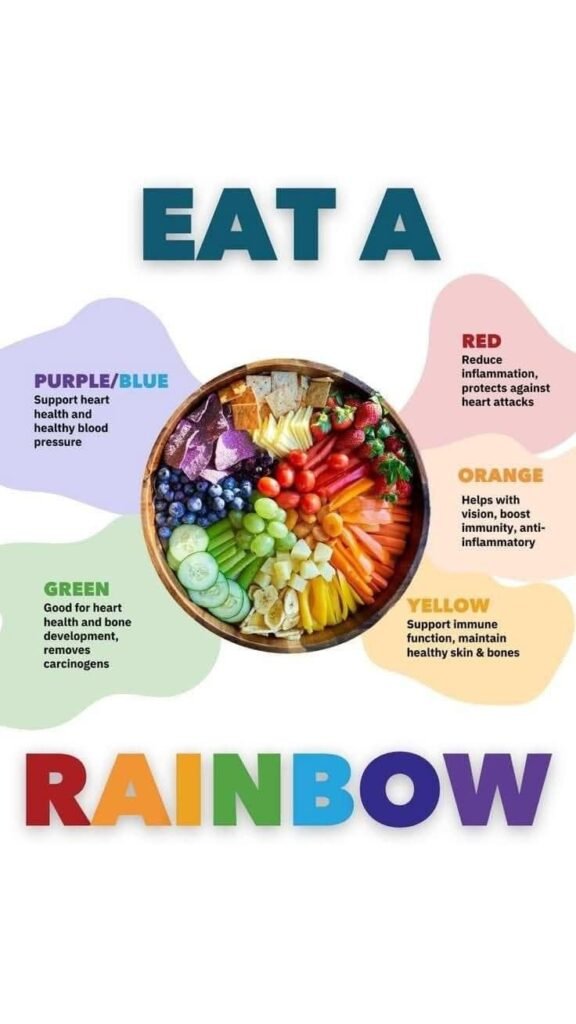
Kids love games. Transform healthful eating into a vibrant competition your family will actually want to participate in.
How the Rainbow System Works
Every color on your plate is a different set of nutrients your body requires. It’s pretty straightforward: you eat foods from every color of the rainbow over a week.
The Rainbow Color Guide:
| Color | Foods | Key Nutrients |
|---|---|---|
| Red | Tomatoes, strawberries, red peppers | Lycopene, vitamin C |
| Orange | Carrots, sweet potatoes, oranges | Beta-carotene, vitamin A |
| Yellow | Corn, bananas, yellow squash | Potassium and vitamin C |
| Green | Broccoli, spinach, kiwi | Folate, iron, calcium |
| Blue/Purple | Blueberries, eggplant, purple cabbage | Antioxidants, anthocyanins |
| White | Cauliflower, mushrooms, onions | Fiber, potassium |
Making It Fun for Kids
Provide each family member with a rainbow tracking chart. Each time they eat a food with color, they check it off. The first person who completes the rainbow each week earns a small prize.
Even the pickiest of eaters will compete in a friendly battle.
Weekly Rainbow Planning
Monday: Red and orange foods (tomato pasta, carrot sticks)
Tuesday: Green day (broccoli, green beans, salad)
Wednesday: Introduce some purple and blue (blueberry smoothie, eggplant)
Thursday: Yellow and white foods (corn, cauliflower)
Friday: Complete any missing colors
It’s an approach and artful way to eat more vegetables without trying.
Idea #2: Protein Power Rotation
Protein fills up kids, helps them grow and gives them long-lasting energy. But even chicken can grow a bit monotonous when you eat it every night.
The 5-Protein Weekly Rotation
Cycle through five protein sources weekly. This adds nutrition variety and reduces meal monotony.
Your Weekly Protein Schedule:
Monday – Fish: Salmon, tuna or white fish (omega-3 fatty acids)
Tuesday – Poultry: Chicken or turkey (lean protein)
Wednesday – Plant-Based: Beans, lentils, tofu (fiber and protein)
Thursday – Eggs: Omelets, frittatas, scrambled (source of complete protein)
Friday – Lean meat: Beef, pork tenderloin (iron and B Vitamins)
Weekend – Mix: Any two meat proteins or family favorites
Quick Protein Prep Methods
Fast cooking methods for busy families:
Fish: Bakes in 400°F for 15 minutes
Chicken: Grill several breasts on Sunday and have them throughout the week
Beans: Canned would give you immediate protein
Eggs: 5 minutes and any style you like
Lean meat: Slow cooker makes it hands-free
Protein Portion Guide
Children require differing quantities, depending on age:
- Ages 2-3: 2 ounces per meal
- Ages 4-8: 3-4 ounces per meal
- Ages 9-13: 5 ounces per meal
- Teens: 5-6 ounces per meal
This rotation does include all the essential amino acids your family requires.
Idea #3: The 50/50 Plate Rule
You wouldn’t know it by the complexity of what we eat, but nutrition doesn’t have to be complicated. The 50/50 rule takes care of healthy serving sizes for us.
How to Build a 50/50 Plate
Half of your plate should be vegetables or fruit. The other half is divided between protein and whole grains.
Visual Breakdown:
- 50% = Vegetables and fruits
- 25% = Protein
- 25% = Whole grain or starches
Why This Works for Families
Children learn what a balanced meal should look like. No counting calories. No weighing food. Only half the plate needs to be filled with produce.
Parents can apply the same rule, so meal planning becomes consistent for all.
Making Vegetables Appealing
Straight-up veggies aren’t most kids’ idea of fun. Try these preparation methods:
Roasting: Softening brings out natural sweetness (carrots, Brussels sprouts, broccoli)
Dipping: All those ranch, hummus or yogurt-based dips really do make it more fun to eat veggies
Invisibility: Mix into sauces, smoothies or baked goods
Spices: Add garlic, parmesan cheese or light salt to make your usual vegetables better
Weekly 50/50 Meal Examples
Monday: Grilled chicken + Roasted vegetables + Quinoa
Tuesday: Fish tacos + slaw + corn tortillas
Wednesday: Stir-fry using more vegetables + small amount of rice
Thursday: Spaghetti with meat sauce (bulked up with chunky diced vegetables) + side salad
Friday: Burrito bowls (lettuce base, beans and a little rice)
This is 50/50: the math causes for balanced nutrition without overthinking.
Idea #4: The Breakfast Prep Sunday Game Plan
Healthy family meal planning begins with the most important meal of the day. That goes a long way in making mornings smooth.
What to Prep on Sundays
Then spend 90 minutes prepping for breakfast. This is an investment that saves 15-20 minutes every weekday morning.
Prep-Ahead Breakfast Options:
Overnight Oats: Combine oats, milk, fruit in jars (5 servings with different flavors)
Egg Muffins: Bake eggs with veggies in muffin tins (more to freeze)
Whole Grain Pancakes: Large batch, freeze them separately
Yogurt Parfait Cups: Yogurt, granola and berries in a cup
Breakfast Burritos: Scrambled eggs, cheese and veggies in tortillas (freeze)
The Breakfast Prep Timeline
| Time | Task | Servings |
|---|---|---|
| 0-30 min | Make overnight oats, prepare parfaits | 10 servings |
| 30-60 min | Bake egg muffins or pancakes | 12-15 servings |
| 60-90 min | Assemble breakfast burritos, clean up | 8 to 10 servings |
Grab-and-Go Morning Routine
Children wake each morning to available choices. They can pick out whatever sounds good that morning. Parents simply reheat or serve.
This means no cereal-only trap and plenty of morning protein.
Nutrient-Dense Add-Ins
To supercharge any breakfast, add these powerhouse extras:
- Chia seeds (omega-3s and fiber)
- Ground flax (fiber and good fats)
- Fresh berries (antioxidants)
- Nuts or nut butter (good protein and fats)
- Spinach in smoothies (more iron, more vitamins)
You can’t have a strong day without a good breakfast.
Idea #5: The Slow Cooker Revolution
Parents who work need meals that cook themselves. And the slow cooker churns out simple, healthy dinners with little effort.
Why Slow Cookers Are Winning the Family Meal Wars
Throw ingredients in before work. Come home to ready-made dinner. The slow cooker is a gift to tougher, inexpensive cuts of meat.
Healthy Slow Cooker Weekly Plan
Monday – Chicken and Vegetable Soup Ingredients: Chicken breast, carrots, celery, onions, broth, herbs Time: 6-8 hours on low
Tuesday – Beef and Bean Chili Ingredients: Lean ground beef, kidney beans, tomatoes, peppers, spices Time: 6-7 hours on low
Wednesday – Pulled Chicken Tacos Ingredients: Chicken thighs, salsa, taco seasoning Time: 5 to 6 hours on low
Thursday – Vegetable Lentil Stew Ingredients: Lentils, diced tomatoes, veggies, veggie broth Time: 7-8 hours on low
Friday – Pork Tenderloin with Apples Ingredients: Pork tenderloin, apples, onions, herbs Time: 4-5 hours on low
Slow Cooker Success Tips
Use liners for easy cleanup. Keep a freezer bag of “slow cooker vegetables” on hand (such as onions, celery and carrots). Make the elements ahead of time and refrigerate them overnight.
Nutritional Advantages
Long simmering retains more nutrients than high-heat methods. Vegetables remain intact. Proteins, without added fats, remain moist.
Harder vegetables such as root vegetables and squash become sweet, natural and tender.
Idea #6: Sneaky Vegetable Integration
Some children wage war with vegetables. Sneak in nutrition and win the battle.
Foods That Hide Vegetables Perfectly
Pasta Sauce: Puree carrots, zucchini and bell peppers into marinara
Smoothies: Both spinach and kale disappear in berry smoothies
Muffins: Zucchini, carrots and pumpkin become sweet treats
Meatballs: Combine finely chopped mushrooms, zucchini in ground meat
Pancakes: Toss some mashed sweet potato or pumpkin into batter
The Blender Method
Your secret weapon: a high-powered blender. Puree vegetables into soups, sauces and dips. Kids get those familiar flavors but don’t see anything green.
Weekly Sneaky Veggie Menu
| Day | Meal | Hidden Vegetables |
|---|---|---|
| Monday | Spaghetti with meat sauce | Carrots, zucchini, mushrooms |
| Tuesday | Turkey meatballs | Zucchini, onions, spinach |
| Wednesday | Chicken quesadillas | Pureed butternut squash in cheese |
| Thursday | Chocolate muffins | Beets or zucchini |
| Friday | Mac and cheese | Cauliflower pureed into cheese sauce |
Gradual Vegetable Introduction
While concealing is effective in the short-term, offer visible vegetables with meals as well. Kids will eventually build up a tolerance and probably even develop a preference for whole vegetables.
Now being nutrition, later being acceptance of vegetables.
Idea #7: Healthy Snack Station Set-Up
Snacking, particularly between meals, is the quickest route off a healthy eating track. Get organized with a dedicated snack station.
Creating Your Snack Station
Designate one cabinet and one shelf in the refrigerator for approved snacks. No need to ask what’s in the fridge and pantry because kids can help themselves.
For more comprehensive strategies on organizing your family’s nutrition, visit Meal Planning for Families for additional resources and tips.
Healthy Snack Station Options:
Fresh Produce:
- Pre-cut vegetables with hummus
- Apple slices with peanut butter
- Orange segments
- Berries in small containers
- Cherry tomatoes
Protein Options:
- String cheese
- Hard-boiled eggs
- Greek yogurt cups
- Nuts (if no allergies)
- Edamame
Whole Grains:
- Whole grain crackers
- Popcorn (air-popped)
- Whole grain pretzels
- Rice cakes
The Traffic Light Snack System
Label snacks with colors:
Green (anytime): Vegetables, fruits, water
Yellow (daily): Cheese, nuts, yogurt, whole grain crackers
Red (special events): Cookies, chips, candy
Kids gain a sense of self-regulation while also learning about nutrition.
Weekly Snack Prep Routine
Here’s what to do every Sunday to make your snacks for the week:
- Wash vegetables and cut (store in water to remain crisp)
- Portion nuts into small bags
- Hard-boil a dozen eggs
- Portion out servings of yogurt with toppings
This 30-minute investment saves on afternoon junk food raids.
Idea #8: The Sheet Pan Shortcut
One pan. Complete meal. Minimal cleanup. Sheet pan dinners are the holy grail of healthy meal planning.
How Sheet Pan Meals Work
Place protein, vegetables and starches on one large baking sheet. Season everything. Bake at 400°F for 20-30 minutes.
Weekly Sheet Pan Menu
Monday – Mediterranean Chicken Chicken thighs, bell peppers, red onion, cherry tomatoes, olives Seasoning: Oregano, garlic, lemon
Tuesday – Asian Inspired Salmon Salmon fillets, broccoli, snap peas, carrots Seasoning: Soy sauce, ginger, sesame oil
Wednesday – Sausage and Veggies Turkey sausage, Brussels sprouts, sweet potatoes Seasoning: Garlic, paprika, olive oil
Thursday – Fajita Night Chicken strips, bell peppers, onions Seasoning: Fajita spices, lime juice
Friday – Italian Meatballs Homemade meatballs, zucchini, tomatoes, mushrooms Seasoning: Italian herbs, garlic
Timing Guide for Perfect Results
Not all foods cook at the same pace. Use this timing chart:
| Food Type | Cooking Time | Size |
|---|---|---|
| Chicken breast | 25-30 min | 1 inch thick |
| Fish fillets | 15-20 min | 1 inch thick |
| Sausages | 20-25 min | Whole links |
| Hard vegetables | 25-30 min | 1-inch pieces |
| Soft vegetables | 15-20 min | 1-inch pieces |
For more even doneness, add quick-cooking items halfway through.
Nutritional Benefits
You don’t need much oil when cooking on a sheet pan. Vegetables caramelize on their own, and more flavor comes through without butter or cream sauces.
Cleanup: 5 minutes with parchment paper lining.
Idea #9: The Freezer Meal Bank
Stock up on homemade frozen meals. When the chaos comes, your freezer saves dinner.
Best Meals for Freezing
Not everything freezes well. Focus on these family-friendly options:
Soups and Stews: Freeze in serving-size containers or large ones for family-style dinners
Casseroles: Lasagna, enchiladas, baked pasta dishes
Marinated Proteins: Chicken or beef sauced and ready to cook
Breakfast Items: Pancakes, waffles, breakfast burritos
Cooked Grains: Rice, portions of quinoa
Monthly Freezer Cooking Day
Cook for the freezer once a month, 4 hours. Cook 15-20 meals at once.
Sample Freezer Cooking Schedule:
Hour 1: Prepare 3 different casseroles
Hour 2: Prepare two big pots of soup
Hour 3: Cook and package proteins
Hour 4: Bag, label and freeze everything
Proper Freezing Techniques
Prevent freezer burn: Remove all air from bags
Label prominently: Date, name of meal, cooking instructions
Freeze flat: Packs freeze quickly and stack evenly
Cool completely: Hot food will cause ice crystals
Use within 3 months: For best quality and nutritional value
Thawing and Reheating Safely
Transfer frozen meals to the fridge at least 24 hours before your intended use. Reheat to 165°F internal temperature. Serve with fresh veggies or salad for a complete meal.
Your freezer becomes a fast-food restaurant full of all the healthy options you could hope for.
Idea #10: The Hydration and Health Drinks Focus
It matters what your family drinks as much as it does what they eat. All of those sugary drinks will destroy healthy eating plans.
The Water-First Rule
First, drink water, before everything else. Store filtered water pitchers in the refrigerator. Ensure each child has their own reusable water bottle.
Making Water Appealing
Plain water bores kids. Try these healthy flavor additions:
Natural Infusions:
- Cucumber and mint
- Lemon and lime slices
- Frozen berries
- Orange slices
- Watermelon chunks
Sparkling Water: Way more special than soda and no sugar!
Herbal Iced Tea: Caffeine free and a little sweetened with honey
Weekly Beverage Plan
| Day | Breakfast | Lunch | Dinner | Snack |
|---|---|---|---|---|
| All Days | Milk or water | Water | Milk or water | Water |
| Weekend | Fresh juice (small portion) | – | – | Smoothie |
Smoothie as Nutritious Drink
A daily smoothie delivers serious nutrition:
Basic Formula:
- 1 cup liquid (milk, almond milk, coconut water)
- 1 cup mixed fruit (berries, banana, mango)
- 1 handful greens (spinach, kale)
- 1 protein source (yogurt, protein powder, nut butter)
- Ice
Blend until smooth. Kids drink vegetables they would never eat whole.
According to research from the Academy of Nutrition and Dietetics, proper hydration is essential for children’s cognitive function and overall health.
Eliminating Juice and Soda
Transition gradually.
Week 1: Dilute juice with water, make it half and half.
Week 2: Reduce to 25% juice.
Week 3: Flavored water.
Week 4: Water primarily.
Children get used to things quicker than parents realize.
Idea #11: The Not-Measuring Portion Control
Healthy family meal planning includes appropriate portion sizes. But measuring cups at every meal is probably not realistic.
The Hand Method for Portions
Use your hand to measure. It’s ready at any time, with a dosage that automatically scales with the size of the body.
Portion Guide Using Hands:
Protein: Palm-sized portion (thickness and diameter of palm)
Vegetables: 2 handfuls (approximately 2 cups)
Carbohydrates: Cupped hand (½ to 1 cup)
Fats: Thumb-sized portion (1 tablespoon)
Visual Plate Method
Serve it on smaller plates (9 inches instead of 12). A full small plate looks more like a lot of food than part of a big plate.
Teaching Kids About Portions
Make a chart for your fridge that shows both the portions of food and a common object:
- Deck of cards = 3 oz protein
- Baseball = 1 cup vegetables
- Tennis ball = 1/2 cup grains
- Dice = 1 oz cheese
The Second Helping Rule
Don’t let anyone have second helpings for 20 minutes. The brain has to register fullness too. Oftentimes your kids will realize after pausing that they are no longer hungry.
Portion Awareness Without Restriction
Never ban food or impose hard and fast rules. Instead, teach balance. A smaller portion of treats along with healthy foods encourages moderation.
How to Make These Ideas Work for Your Family
There you go—11 tips for healthy meal planning for family! Implementation is the next step.
Start With Three Ideas
Don’t overwhelm yourself. Select three that speak to your family’s needs. Master those before adding more.
Common starter combinations:
- Rainbow Plate + Protein Rotation + Breakfast Prep
- Slow Cooker + Sheet Pan + Freezer Meals
- 50/50 Plate + Snack Station + Hydration Focus
Weekly Planning Template
Dedicate every Sunday to 30 minutes of weekly planning:
Step 1: Review family schedule (activities, busy nights)
Step 2: Choose which protein you will rotate this week
Step 3: Plan a rainbow of vegetables for variety
Step 4: Select your cooking method (slow cooker, sheet pan, quick meals)
Step 5: Prep breakfast items
Step 6: Stock snack station
Step 7: If necessary, make the freezer backup
Tracking Progress and Adjustments
Just maintain an easy weekly diary about:
- Which meals were hits
- What kids refused
- Time spent cooking
- Money saved versus takeout
- Energy levels throughout the day
Modify strategies according to true data, not perceptions.
Getting Family Buy-In
Involve everyone in planning. When kids are involved, they have something at stake in the process. Have a weekly family meeting and have everyone propose one meal.
Celebrate wins together. When your whole family accomplishes a rainbow challenge or samples a new veggie, discuss the success.
Frequently Asked Questions
What are some ways to deal with picky eaters in the case of healthy meal planning?
Follow the “one safe food” rule – every meal should include at least one tolerated food. Serve new offerings along with familiar ones, without pressure. Picky eaters can help cook, which makes them more inclined to try new things. The sneaky vegetable trick can be done alongside slowly experimenting with whole vegetables.
Is there such a thing as healthy meal planning for people on a budget?
Absolutely. The raw ingredients are cheaper than the packaged food they turn into. Beans and lentils are affordable sources of protein. Frozen vegetables are cheaper than fresh, but not less nutritious. Batch cooking and freezer meals make for less costly last-minute takeout. With meal planning, most families save $150-300 per month.
Weekly meal planning: How long does it take?
Initial planning takes 45-60 minutes. This reduces to 20-30 minutes at around 3-4 weeks. Prep on Sundays is 90-120 minutes, but you now save 10-15 minutes every day during the week. Total weekly time commitment: 2-3 hours. Time saved in the week: 5-8 hours.
But what if my children won’t eat the planned meal?
Always have backups of simple ingredients – whole grain pasta, eggs, peanut butter, bread. There’s no need to cook entirely different meals but you can offer component choices. If the family is sitting down to chicken stir-fry, a refusing child can have plain chicken and rice. No dessert or treats if you didn’t eat your dinner – just the plain choice.
How can I meal plan around food allergies?
Find replacements for each allergen that are safe. Dairy allergy: replace with coconut milk, oat milk, dairy-free cheese. Nut allergies: seeds are just as nutritious. Gluten allergy: Wheat is swapped for rice, quinoa and gluten-free oats. Label all containers clearly. Teach children to read ingredients. Most of the ideas in this guide readily lend themselves to allergies with minor substitutions.
Should children eat adult meals?
Yes, with portion adjustments. Family meals promote healthy eating habits. Kids learn by watching parents. Setting aside separate “kid meals” reinforces picky eating. Serve those same healthful meals and adjust amounts served according to ages. Allow children to top or sauce the base meal while eating.
How can working parents make time for healthy meal planning?
Use time-saving tactics: Slow cooker meals cook while you work, sheet pan dinners take 10 minutes prep, freezer meals provide healthy dinners instantly, breakfast prep happens once per week. Weekend batch cooking equals assembly (not cooking) on weeknights. Many ideas in this guide address time considerations.
Your Family’s Health Begins This Week
Healthy family meal plans don’t have to be perfect. They need consistency with tactics that work in the real world.
With these 11 proven tips, you have all the tools. Rainbow plates make nutrition visual. Protein rotation ensures variety. The 50/50 rule balances meals automatically. Breakfast prep starts days right. Slow cookers and sheet pans make cooking simpler.
Sneaky vegetables help picky eaters. Snack stations control grazing. Freezer meals provide backup. Proper hydration matters. Portion awareness prevents overeating.
Choose three ideas to try this week. Implement them consistently for 30 days. Try to notice the differences: more energy, fewer arguments at the dinner table, better nutrition, less stress, money saved.
Your family deserves healthy meals without the overwhelm of every night. These strategies make it possible.
Begin planning your first healthy week tonight. Your future self — and your family’s health — will thank you.