The Secret Health Dangers Lurking in Our Food
You’re rocking meal planning.
You’ve got your menu for the week. Every night, you’re just cooking at home. You’ve even successfully forced some vegetables on the kids.
But what most parents don’t realize is that there are simple nutrition hacks that can really bump up the health of meals you’re already making.
These are not fussy methods that depend on equipment or unobtainable ingredients. They’re the sort of insider tips that nutritionists and dietitians employ in their own kitchens — little tweaks to elevate the nutritional value of everyday meals.
These hacks are like shortcuts for nutrition. You’re cooking healthy meals already. Why not maximize your nutritional buck?
The secret that separates good eating from great comes down to timing, pairing and preparation tricks most of us just ignore. Once you learn the basics, you can turn any ol’ family meal into a nutrition power play.
This article shares eight stealthy healthy meal planning for families nutrition hacks that silently set to work in the background and make sure your family is consuming what it needs. These are the tactics that set families who eat well apart from families who eat even better.
Are you ready to take your family’s nutrition to the next level? Let’s dive in.
1. The Flavor-Pairing Absorption Booster
Here is a secret of nutrition that sounds almost too good to be true: Certain nutrients and other food components are better absorbed when eaten with a companion.
This is nutrient synergy, and it changes the game.
Fat-Soluble Vitamin Trick
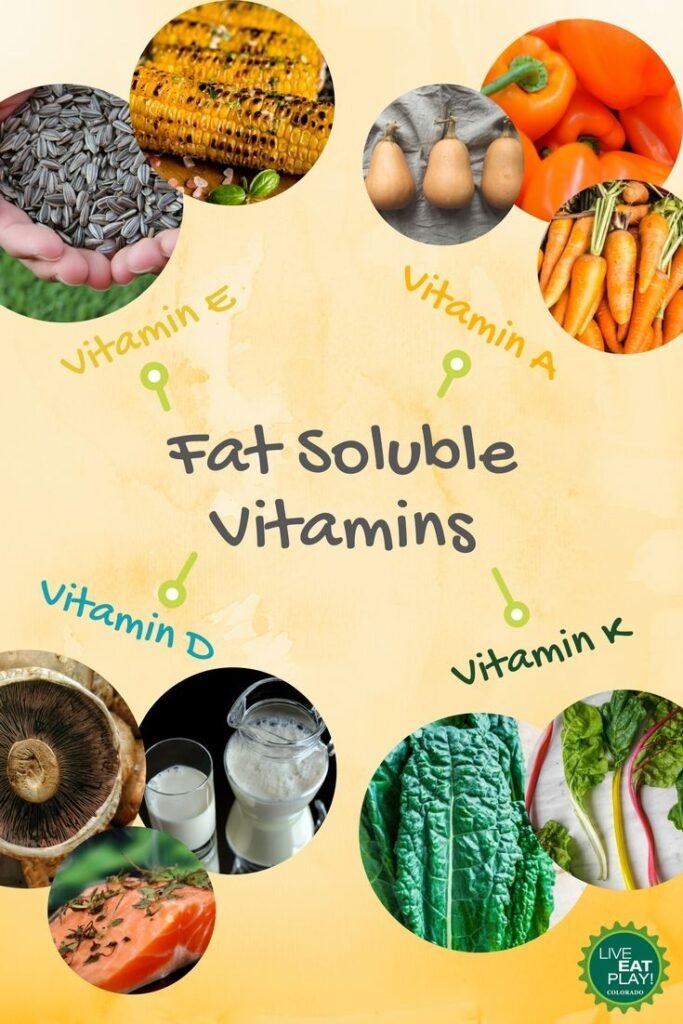
Vitamins A, D, E and K require fat for your body to absorb them. Without fat, most of these vitamins move through your system without being utilized.
Most people don’t know that their healthy salads could be nutritionally worthless.
The hack: Add healthy fats to vegetable-heavy meals.
Here’s how to apply this:
- Drizzle olive oil on roasted vegetables
- Add avocado slices to salads
- Combine steamed broccoli with a pat of butter
- Add nuts or seeds to grain bowls
- Opt for full-fat salad dressing rather than fat-free ones
In one study, as little as 1 tablespoon (13 ml) was enough to boost absorption of carotenoids from the salad by 200–1300%. It’s a huge difference for such a small tweak.
The Tomato-Healthy Fat Combination
The antioxidant lycopene, which is responsible for the vibrant red color in tomatoes, also becomes way more bioavailable when consumed with healthy fats.
Smart pairings:
- Tomato sauce with olive oil
- Caprese salad (tomatoes with mozzarella)
- Guacamole with tomatoes
- Tomato soup with cream or coconut milk
Vitamin C Boosts Iron Absorption
Non-heme iron is more difficult for your body to absorb than its animal-based counterpart. But vitamin C increases absorption quite a bit.
Winning combinations:
- Beans with bell peppers
- Spinach salad with strawberries
- Lentil soup with tomatoes
- Oatmeal with berries
- Tofu stir-fry with broccoli
Strategic Pairing Table
| Nutrient to Enhance | Pair With | Example Meals |
|---|---|---|
| Vitamins A, D, E, K | Healthy fats | Carrot sticks with hummus, salad with olive oil |
| Lycopene | Olive oil or avocado | Tomato pasta with olive oil, salsa with avocado |
| Iron (plant-based) | Vitamin C foods | Bean burrito with salsa, spinach with lemon |
| Calcium | Vitamin D | Yogurt with fortified cereal, cheese with eggs |
| Turmeric | Black pepper | Curry dishes, golden milk |
These combinations come without trouble. You are just being strategic about what is going next to one another on the plate.
2. The Cooking Process That Will Give You the Most Nutrients
The way vegetables are cooked is more important than many people realize.
Some cooking methods preserve nutrients. Others destroy them. And, surprisingly, in some cases they even increase certain beneficial compounds.
Raw Isn’t Always Better
Although there is a time and place for raw vegetables, some nutrients are better absorbed when they’re cooked.
Cooked tomatoes: Lycopene availability is boosted by 35% when you heat a tomato. This is why tomato sauce may actually be more nutritious than raw tomatoes in some ways.
Cooked carrots: Cooking crushes the cell walls, so it’s easier to absorb beta-carotene. Cooked carrots deliver 14% more beta-carotene.
Cooked spinach: Cooking spinach destroys oxalic acid, which interferes with the absorption of calcium and iron. You’ll also absorb more of these minerals from cooked spinach.
The Best Ways To Cook For Optimal Nutrient Retention
Steaming: Retains more vitamins than when you boil. Boiling allows water-soluble vitamins (B vitamins and vitamin C) to leach into boiling water, whereas steaming traps them in the food.
Roasting: Intensifies flavor and retains the majority of nutrients. High heat caramelizes the natural sugars in vegetables, so they taste better and your family will actually eat them.
Quick sautéing: A short, small-amount-of-fat stir-fry helps preserve nutrients while enhancing the absorption of fat-soluble vitamins.
Microwaving: Surprisingly nutrient-friendly. Because it’s cooked relatively briefly and with little water, most of the vitamins are retained.
Cooking Methods to Minimize
Boiling: Water-soluble vitamins are leached into cooking water. If you have to boil, use the cooking liquid in soups or sauces.
Deep frying: Heat-sensitive vitamins in your food are destroyed and unhealthy fats thrown in.
Overcooking: Excessive duration ruins any technique. Cook the vegetables until just tender, not falling apart.
The Ultimate Hack: Raw and Cooked, Mixed Together
Double your pleasure by serving some vegetables raw alongside their cooked counterparts in the same meal.
Sample meal: Raw lettuce, tomatoes and cucumber with roasted carrots and steamed broccoli. Different preparation methods yield different nutrients; you maximize the spectrum of nutrients with varying cooking methods.
3. The Overnight Nutrient Multiplier
Here’s an efficient little trick that you can perform in your sleep: soaking and sprouting.
These few steps can boost nutrient availability from grains, beans, nuts and seeds by 300% or more!
Why Soaking Works
Whole grains, legumes, nuts and seeds all contain phytic acid, which binds minerals like iron, zinc and calcium in the digestive tract causing you to excrete them rather than absorb.
Soaking releases enzymes that digest phytic acid, and minerals become available.
Additional benefits of soaking:
- Reduces cooking time
- Makes foods easier to digest
- Decreases gas-causing compounds in beans
- Neutralizes enzyme inhibitors
How to Soak Effectively
For beans and lentils: In a bowl, cover with water (by at least 2 inches), add a tablespoon of lemon juice or vinegar and soak for 8 to 24 hours. Drain, rinse, then cook.
Nuts and seeds: Cover with filtered water, add a little sea salt (a pinch) and soak for 4-12 hours depending on the nut. Drain and use right away, or dehydrate for crunchy snacks.
For whole grains (rice, quinoa, oats): Rinse, cover with warm water and a splash of acid (like lemon juice or apple cider vinegar), soak 7-24 hours. Drain, rinse, and then cook in new water.
The Sprouting Super-Hack
Stepping up soaking to the next level, sprouting converts seeds, grains and beans into nutritional powerhouses.
Nutrition changes during sprouting:
- Vitamin C multiplies by up to 600 percent
- Protein becomes more digestible
- B vitamins multiply
- Antioxidants increase
- Enzyme activity skyrockets
Easy sprouting at home:
- Soak seeds overnight
- Drain and rinse
- Place into a glass jar with cheesecloth over its opening
- Rinse twice daily
- Wait for small sprouts to appear: 1-5 days
Best foods for beginners:
- Lentils (sprout in 2-3 days)
- Mung beans (sprout in 3–4 days)
- Alfalfa seeds (sprout in 3 to 5 days)
- Chickpeas (sprout in 2-3 days)
Serve your salads, sandwiches and wraps with a side of sprouts. Get more nutrients into grain bowls by throwing some on top.
4. The Herb and Spice Multiplication Effect
For most families, herbs and spices are just that: for flavor. But those ingredients are actually antioxidant- and anti-inflammatory-rich powerhouses.
Herbs and spices hold more antioxidants per teaspoon than most fruits and vegetables.
The Top Nutritional Powerhouses
Turmeric: It has curcumin, which is a strong anti-inflammatory. Up to 2000% more effective with use of black pepper.
Cinnamon: Helps regulate blood sugar. Toss in oatmeal, blend into smoothies or stir into cooked sweet potatoes.
Garlic: Allicin is present, but it must be crushed and rest for 10 minutes before cooking. Good for immune and heart health.
Ginger: Anti-inflammatory and aids digestion. Fresh ginger is stronger than dried.
Oregano: More antioxidants per gram than blueberries. Use dried oregano generously for Italian and Mediterranean cuisine.
Parsley: Full of vitamin K, vitamin C and antioxidants. Sprinkle fresh parsley on almost everything.
The Daily Use of Herbs and Spices
Aim to get at least three different herbs or spices in your family’s food each day.
Breakfast: Cinnamon in your oatmeal, turmeric in your scrambled eggs
Lunch: Fresh basil in sandwiches, cumin in the beans
Dinner: Garlic and oregano in pasta, rosemary on roasted vegetables
Snacks: Cinnamon on apple slices, everything bagel seasoning on avocado toast
The Fresh vs. Dried Debate
Fresh herbs: Contain more vitamin C and volatile oils. Best for sprinkling over finished dishes at the end of cooking.
Dried herbs: More concentrated antioxidants. Best for long-cooking dishes such as soups and stews.
The hack: Cook with dried herbs and use fresh for a finishing garnish. You gain maximum flavor and nutrition.
Hidden Nutrition in Everyday Seasonings
Don’t underestimate these common additions:
- Black pepper: Enhances nutrient absorption
- Lemon juice: Vitamin C and helps absorb iron
- Apple cider vinegar: Might support blood sugar control
- Sea salt: Has minerals that table salt does not have
5. The Colorful Plate Principle
Here’s a visual nutritional hack: The more colors are on your plate, the broader the range of nutrients.
Foods of different colors have different phytonutrients — beneficial plant-based substances that promote disease prevention and longevity.
The Color-Nutrient Connection
Red foods (tomatoes, red peppers, strawberries):
- Lycopene for heart health
- Anthocyanins for brain function
- Vitamin C for immune support
Orange/Yellow foods (carrots, sweet potatoes, oranges):
- Beta-carotene for eye health
- Vitamin C for immunity
- Folate for cell function
Green foods (spinach, broccoli, kiwi):
- Chlorophyll for detoxification
- Lutein for eye health
- Folate for cell growth
Blue/Purple (blueberries, purple cabbage, eggplant):
- Anthocyanins for your brain and heart
- Resveratrol for longevity
- Flavonoids for inflammation reduction
White/Tan foods (mushrooms, cauliflower, garlic):
- Allicin for immune function
- Beta-glucans for immunity
- Quercetin for inflammation
The Rainbow Meal Challenge
Try to have four different colors in your dinner. This is a hack that guarantees nutrient diversity without having to keep track of individual vitamins.
Example rainbow meals:
Stir-fry bowl:
- Red bell peppers
- Orange carrots
- Green broccoli
- Purple cabbage
- White mushrooms
- Brown rice
Taco night:
- Red tomatoes
- Orange sweet potato
- Green lettuce
- Purple onions
- Black beans
- Whole grain tortillas
Sheet pan dinner:
- Red cherry tomatoes
- Orange butternut squash
- Green asparagus
- Purple potatoes
- White cauliflower
- Chicken or fish
The Kid-Friendly Color Game
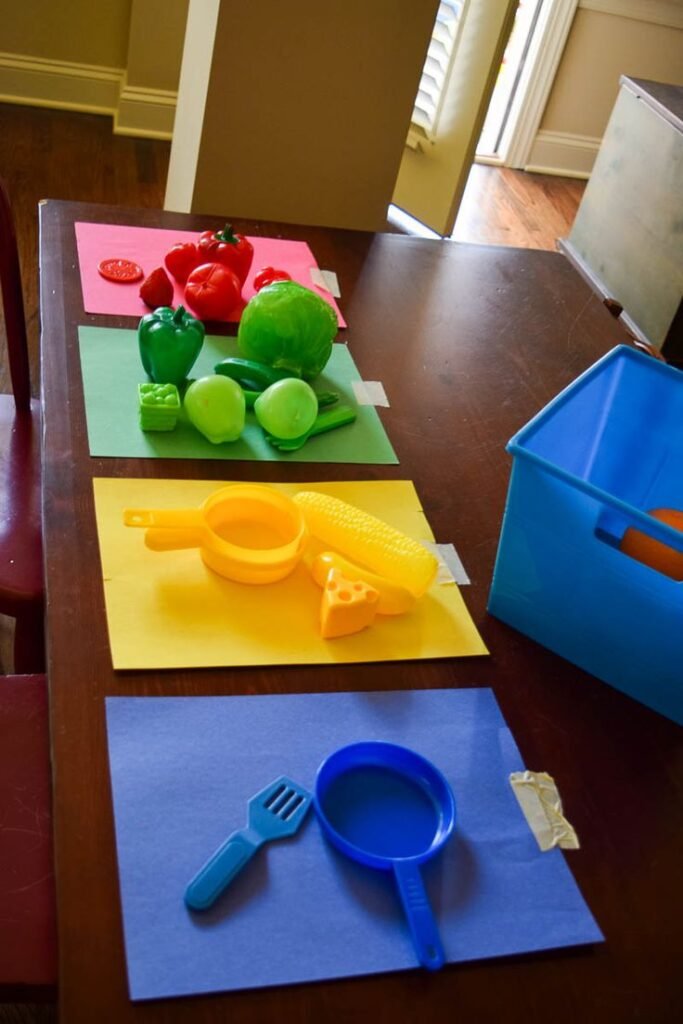
Turn nutrition into fun. The challenge for kids: “Eat the rainbow” every day or week.
Provide a chart with colorful boxes that each color they eat crosses off. Give them a little something for finishing the rainbow.
This provides nutrition awareness without lecturing or dictating particular foods.
6. The Strategic Timing Trick
It turns out that when you eat matters nearly as much as what you eat.
There is a certain amount of strategic timing that families can use to maximize energy, sleep and nutrient uptake.
Protein Timing for Satiety
Those who eat protein at breakfast are less hungry throughout the day and have more stable blood sugar than those who consume a high-carb meal.
The hack: Front-load protein for breakfast.
Easy protein breakfasts:
- Yogurt with nuts and berries
- Eggs with whole grain toast
- Protein smoothie with nut butter
- Overnight oats with chia seeds
- Breakfast burrito with beans and eggs
Studies show that consuming 20-30 grams of protein during breakfast can decrease afternoon snacking by as much as 60%.
Carb Timing for Energy and Sleep
Energy and sleep work differently when it comes to complex carbohydrates.
Morning/afternoon: Opt for energizing carbs like oatmeal, whole grain bread and fruit to fuel your day.
Evening: Dinner should include complex carbs like sweet potatoes, brown rice or quinoa. These bump serotonin and melatonin production for better sleep.
The Fruit Timing Strategy
Fruit is good for you, but when the sugar hits your blood is part of the equation.
Best times for fruit:
- With breakfast (paired with protein)
- Before or after exercise
- As an afternoon snack with nuts
Less ideal times:
- At night (may cause sleep interference for some individuals)
- Solo, between meals (can cause blood sugar spike without protein/fat to help balance it out)
The Dinner-to-Breakfast Window
Allow your digestive system a 12-hour overnight rest. This easy routine will give your metabolism a helping hand.
For example: If dinner is at 7 p.m., do not eat breakfast before 7 a.m.
This isn’t fasting — it’s meal timing that synchronizes with your body.
7. The Leftover Transformation Technique
Here’s a nutrition hack hiding in plain sight: There are certain foods that become even more nutritious as leftovers.
The process is called retrogradation, and it occurs when starches cool after being cooked.
Resistant Starch Magic
When you cook up a pot of starchy veggies or grains (like rice) and then cool them down in the fridge, something happens to their structure.
Some of the starch turns into “resistant starch” — a type of fiber that feeds healthy gut bacteria and doesn’t cause blood sugar spikes.
The benefits:
- Improved gut health
- Better blood sugar control
- Increased feelings of fullness
- Reduced calorie intake from the same food
How much difference? Cooled and reheated potatoes have as much as 25% less digestible calories than hot, freshly cooked ones.
Foods That Improve When Cooled
Rice: Cook rice, cool completely in the refrigerator and reheat. The resistant starch is still present after re-warming.
Potatoes: Prepare potato salad instead of mashed potatoes or meal prep roasted potatoes for the week.
Pasta: Cook pasta al dente, cool and use it for pasta salad or heat it up come dinner time.
Beans: Make a big pot at the start of the week and use liberally. They get easier to digest and acquire resistant starch.
The Meal Prep Nutrition Bonus
Your pre-prepped lunches may even be more nutritious than eating the same thing fresh.
That container of rice and vegetables from Sunday’s dinner isn’t just convenient — it may be healthier for your blood sugar than it was fresh.
8. The Gut Health Foundation Hack
Some of the healthiest families prioritize gut health — they just don’t know it.
The state of your gut microbiome has been linked to everything from immunity and mood to nutrient absorption, according to research from Harvard Medical School.
The Prebiotic-Probiotic Partnership
Probiotics: “Good” bacteria found in fermented foods such as yogurt, kefir, sauerkraut and kimchi.
Prebiotics: Food for those good bacteria, primarily found in foods high in fiber such as garlic, onions, bananas, oats and asparagus.
You need both for a well-functioning gut.
Daily Gut Health Strategy
Include one probiotic-rich food daily:
- Plain yogurt with breakfast
- Kefir smoothie
- Pickled vegetables at lunch/dinner
- Kombucha as an afternoon drink
- Miso soup with dinner
Integrate prebiotic foods into most meals:
- Oatmeal with bananas
- Garlic and onion in savory foods
- Asparagus as a side vegetable
- Apples with nut butter
- Whole grain bread
The Fiber Diversity Trick
Eating a diverse range of plant-based foods nourishes a variety of beneficial bacteria strains.
Strive for eating 30 different plant foods every week. It’s easier than it sounds:
Count these as separate foods:
- Various types of fruit (apple, banana, berries all count)
- Various vegetables (broccoli, carrots, and peppers all count)
- Various whole grains (oats, rice, quinoa each count)
- Mixed beans (black beans, chickpeas, lentils count separately)
- Nuts and seeds (almonds, walnuts, chia all add to the total)
- Herbs and spices (yes, these count!)
Family-Friendly Fermented Foods
Some kids are fussy about fermented foods. Start small:
- Mix a little plain yogurt with sweetened yogurt
- Top hot dogs or a sandwich with a spoonful of sauerkraut
- Blend kefir into fruit smoothies
- Serve pickles as an accompaniment to meals
- Use probiotic gummies as an intermediary
Once your kid’s taste buds adjust, slowly increase fermented food quantities.
Putting All the Hacks Together
Combine these eight nutrition hacks and they’re even better.
Here’s what a day of nutritionally optimal family meals might look like:
Breakfast: Soaked oats with cinnamon, mixed berries (color variety) and Greek yogurt (probiotics). Serve with scrambled eggs (protein in the a.m.).
Lunch: Leftover rice bowl (resistant starch) with roasted vegetables drizzled with olive oil (fat-soluble vitamin absorption) topped with fresh herbs and a squeeze of lemon.
Afternoon Snack: Apple slices with almond butter (fruit and fat) sprinkled with cinnamon.
Dinner: Salmon and rainbow vegetable sheet pan dinner with sweet potato. Add garlic, turmeric and black pepper to taste. Serve no later than 3 hours before bedtime.
You’re adding more than one hack, but this doesn’t increase the complexity or make it take longer.
Start With One Hack
Don’t do everything at once. Choose the hack that looks most reasonable or helpful to your family.
Master one over a couple of weeks, then introduce another.
Small changes lead to major health benefits down the road.
Frequently Asked Questions
Do these nutrition hacks actually work for picky eaters?
Yes! The vast majority of these hacks take place behind the scenes. Soaking grains, combining nutrients, using certain cooking methods and adding herbs and spices do not alter the basic foods kids are eating. Begin with hacks they won’t notice, and then gradually add in more.
Does good nutrition need to be based on pricey superfoods?
Absolutely not. These hacks make the most of everyday foods such as beans, rice, vegetables and common herbs. You don’t need açai berries or spirulina. Regular old broccoli with olive oil trumps expensive superfoods eaten plain.
How much difference do these hacks actually make?
Research indicates that nutrient absorption can go up from 200 to 2000% when a food is combined or prepared correctly. Resistant starch can reduce calorie absorption by 10-25%. These aren’t minor differences — they’re major upgrades to meals you’re already cooking.
What if I’m really crunched for time — can I do any of these hacks?
A lot of these hacks are time savers. Soaking occurs while you’re asleep at night. The leftover transformation occurs in your refrigerator. It takes seconds to add herbs and spices. And no more time is required for strategic pairing — just a basic understanding of what goes together.
What one hack should everyone start with?
The nutrient-pairing hack gives you the best return for your efforts. All one has to do is add healthy fats to a vegetable-rich meal. Begin there; later on you can add more hacks.
Do these hacks work for special diets, like vegetarian or gluten-free?
Yes! These principles apply to any eating pattern. Nutrient combining, cooking style, gut health and timing work well regardless of dietary limitations. Tailor the specific examples to your family.
Now Is the Time for Your Family’s Nutrition Upgrade
There is no need to completely overhaul all of your meals or to count every calorie.
These eight simple hacks make the meals you’re already making into nutrition powerhouses. You are just working smarter with your plate of food.
Most families concentrate on what to eat. These hacks have to do with how best to extract nutrition from whatever you eat.
And the great thing about these tactics is they’re invisible. Your kids don’t need to know that you’re pairing the tomatoes with healthy fats or that their rice has resistant starch. They just dine on tasty, nutritious meals.
Meanwhile, you get to know that they are getting every nutrient their bodies need, nourishing their gut health and laying a foundation for lifelong wellness.
Choose one hack from this article. Implement it this week. Notice the results.
Then add another hack. And another.
In three months you’ll be astounded how much better your family feels — all from simple tweaks to dishes you were already making.
The way to extraordinary family nutrition isn’t in exotic foods or complicated recipes. It’s in these easy, science-backed hacks that nutritionists practice every day.
Now you know them too. Now you can apply this knowledge to make your family the healthiest it can be.