
Putting dinner on the table night after night can be as easy as running a marathon. With a heavy work schedule, homework, activities and everything else on your plate, getting nutrition entered into the equation of family meals can be almost impossible. But what if there was a different approach?
Meal planning and preparation can help make your week go from chaotic to calm. No more 6 p.m. “What’s for dinner?” with nothing in the fridge — you stock up, and you’re good to go. Your grocery bills will shrink. Food waste will drop. And your family will in fact eat healthier meals together.
The best part? You don’t have to be a professional chef, no need to slave all Sunday in your kitchen. Below are seven common sense tips to make you a meal planning pro with no stress. Cooking for picky eaters, handling dietary restrictions and saving your sanity during crazy weeknights — these are strategies that real families in the real world rely on.
So let’s look at small, relatively easy ways to change how you feed your family for the rest of your life.
The Importance Of Meal Planning For Your Family
Before we dive into the tips, let’s discuss why everyone should have meal planning somewhere in their weekly schedule.
Families who do meal planning save an average of $2,000 a year in food costs. That’s money that might have gone toward family vacations, college savings or cutting debt. When you know in advance what you’re purchasing at the store, you cease to indulge in impulse purchases and waste less rotted food.
Meal planning also improves nutrition. When you’re thinking ahead, it’s easier to naturally incorporate more vegetables, fruits and whole grains. You eat less takeout and processed convenience food. Your children will be exposed to a greater diversity of healthy foods.
Plus, meal planning reduces stress. No more 5 PM panic about what to make for dinner. No more fights over who wants what. You’ve already made your choices with a fresh, focused brain.
Tip #1: Start Small, With Just Three Dinners
The mistake so many new meal planners make is attempting to plan every single meal for the whole week. That’s too much and will set you up to fail.
Instead, begin with a mere three dinner recipes for week one. Choose simple favorites your family already loves. Maybe it’s tacos, pasta with marinara and grilled chicken with vegetables.
Write in the three meals: on which days each will be eaten. Monday might be taco night. Wednesday could be pasta. Friday is for grilled chicken. For the other nights, go with easy-breezy. Go with leftovers, go ahead and have breakfast for dinner or yes, order pizza.
Once you’re in the rhythm of planning three meals, throw in a fourth. Then a fifth. You’ll find yourself naturally deciding on most of your dinners within a month without feeling overwhelmed.
This gradual approach builds confidence. You discover what really suits your family’s schedule and tastes. You solve the puzzle of your kitchen plan. And you don’t burn out attempting to be perfect from day one.
Tip #2: Build a Master List of Family Favorites

Every family has around 10-15 meals that they eat regularly. Perhaps your kids adore spaghetti and meatballs. Maybe your significant other wants stir-fry every week. Taco Tuesday could be sacred.
Spend 15 minutes writing down every meal that your family likes and will actually consume. Throw in things like quesadillas, scrambled eggs with toast or a rotisserie chicken with salad. Don’t worry about being fancy.
Sort this list by category to simplify planning:
Quick Meals (30 minutes or less)
- Quesadillas with black beans
- Stir-fry with frozen vegetables
- Grilled cheese and tomato soup
Slow Cooker Meals
- Chicken tacos
- Beef stew
- Pulled pork sandwiches
Sheet Pan Dinners
- Sausage with roasted vegetables
- Salmon with asparagus and potatoes
- Chicken fajitas
Batch Cook Friendly
- Chili
- Lasagna
- Meatballs with sauce
Save this master list on your phone or taped to the inside of a kitchen cabinet. You have meal options throughout the week when you sit down to plan, just refer back and pick some of those things. You won’t have to rack your brain thinking of ideas anymore. You will no longer have 30 minutes planning time.
Periodically update the list when you find new family favorites. Edit out meals nobody wants to eat anymore. You now have your epic meal planning document! For more meal planning strategies and ideas, you can explore additional resources that make family cooking even easier.
Tip #3: Raid Your Kitchen Before You Go to the Store
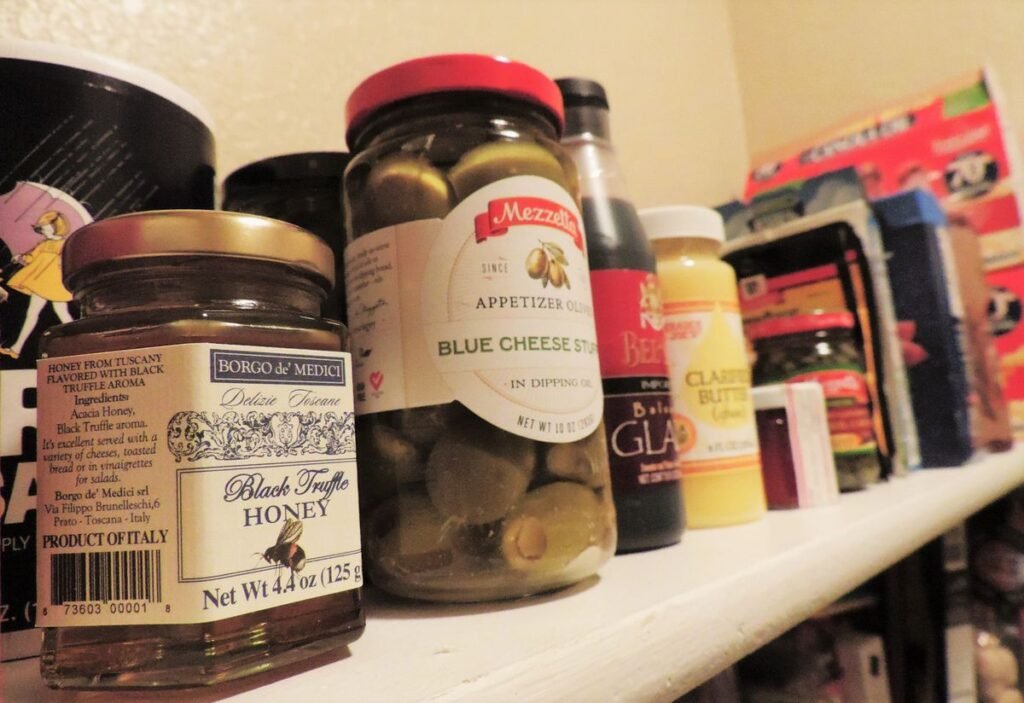
Here’s a truth that will save you hundreds: you likely already have half the ingredients in your house, at this very moment.
Before you even begin to make your grocery list, take five minutes to see what’s already in your kitchen. Check what you have inside your fridge, freezer and pantry. Write down what you find.
Are there chicken breasts in your freezer? Build a meal around those. Is there a can of black beans in the cupboard? Throw tacos or burrito bowls in there. Have a bunch of broccoli that’s wilting in the crisper drawer? Make stir-fry tonight.
This “shop your kitchen first” strategy helps prevent overbuying. No more three bottles of soy sauce piling up or more ground beef hiding beneath the frozen peas, forgotten.
Come up with a basic freezer inventory system. If you have a magnetic pad of paper on the freezer door, write down what is inside. Then cross them off as you use them. This takes 30 seconds and it saves so much money, and food waste.
It’s also a more sustainable way to plan your meals. You don’t waste food; you eat everything you purchase. Your grocery budget stretches further. Plus, you cut down on the environmental impact of food that is wasted.
Tip #4: Prep Ingredients, Not Whole Meals
A lot of people believe that meal prep is cooking 20 times the same recipe. That’s dull and it takes forever.
Prep ingredients that lend themselves to multiple recipes, rather than just one. This adaptable method delivers variety and also saves time during the work week.
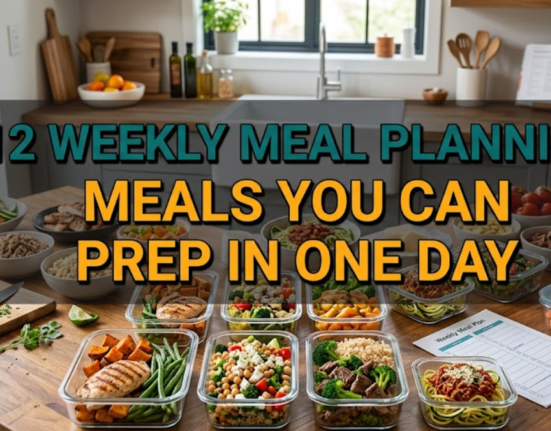
Here’s an hour on Sunday to devote to these simple tasks:
Wash and chop vegetables. Chop peppers, onions, carrots and celery. Save in containers so they’re ready for tossing into any recipe.
Cook protein in bulk. Grill some chicken breasts, brown a couple of pounds of ground beef or roast an entire salmon. Incorporate these proteins into various meals throughout the week.
Prep grains and beans. Cook up a large batch of rice, quinoa or pasta. Open and rinse canned beans. These form the foundation for quick bowls, salads and side dishes.
Make one versatile sauce. A large jar of marinara, pesto or stir-fry sauce can turn a few ordinary foods into dinner.
Here’s how this plays out in practice. Imagine you prepped grilled chicken, chopped veggies, cooked rice and mixed a batch of stir-fry sauce on Sunday.
Monday: Chicken and rice stir fry with vegetables
Tuesday: Chicken or veggie quesadillas
Wednesday: Make chicken fried rice using leftover chicken, rice, and vegetables
Thursday: Use the remaining chicken in salads for lunch
Same ingredients, completely different meals. You’re not going to seem as if your family is scraping together leftovers all week. But you just devoted one hour to prep instead of cooking everything from scratch each evening.
Tip #5: Create Theme Nights to Simplify Decisions
They take planning off your plate with theme nights. Instead of selecting a dish from hundreds, you choose one from a specific category.
Taco Tuesday is a family favorite, but you can also theme an entire week’s worth of dinners:
Meatless Monday: Spring pasta, vegetable burgers, bean burritos, egg fried rice
Taco Tuesday: Old-school tacos, fish tacos, taco salad, nachos
One-Pot Wednesday: Chili, soup, stew, casseroles
Throwback Thursday: Comfort foods — meatloaf, pot roast, chicken and dumplings
Fast Friday: 20-minute meals — grilled cheese, breakfast for dinner, rotisserie chicken
Theme nights reduce decision fatigue. On Tuesday it comes as no surprise what to make. It’s taco night. All you have to do is choose the kind of tacos.
Kids also love the predictability. They know what to expect and can even help you plan within the theme. Instead of the ground beef you were planning on this Tuesday, your 5-year-old may ask for fish tacos.
These also help when you go to the grocery store. You’ve always got taco supplies in the house because you know you’ll need them every week. The purchase process becomes matter of fact rather than stressful.
And feel free to have fun with themes depending on what your family likes! International Monday might showcase food from different countries. Slow Cooker Sunday might just be your new favorite way to come home to a finished dinner.
Tip #6: Build a Simple Pantry Stockpile
A well-stocked pantry is one of those tools that separates the great meal planners from the folks who can’t figure out what to eat tonight. If you have a set of basic ingredients in the house, cranking out a meal is never impossible — not even if you’ve failed to make it to the store.
Here are the must-haves families should always keep on hand:
| Category | Must-Have Items |
|---|---|
| Proteins | Canned tuna, canned chicken, beans (black, pinto, chickpeas), peanut butter |
| Grains | Rice, pasta, quinoa, oats |
| Canned Goods | Diced tomatoes, tomato sauce, chicken broth, coconut milk |
| Seasonings | Salt, pepper, garlic powder, cumin, Italian seasoning, chili powder |
| Oils & Condiments | Olive oil, soy sauce, hot sauce, vinegar |
| Baking Basics | Flour, sugar, baking powder |
| Frozen Items | Mixed vegetables, fruit, chicken breasts, ground beef |
Stock up when items are on sale. If pasta is half off, don’t just grab one box; you are better off buying five. And when it’s on sale, stock up so that you always have some in reserve.
This pantry stockpile means meals you can make from what you have on hand without running to the store in an emergency. Forgot to defrost meat? Use canned tuna for pasta. Didn’t shop this week? Turn pantry ingredients into black bean quesadillas.
And if nothing else, a well-stocked pantry is your friend when life gets completely busy or you get sick, or for whatever reason the schedule changes on you unexpectedly. Dinner continues to exist even when life goes crazy.
Monthly: Check your pantry and rotate stock. Work from old toward newer items and restock consumed items. This will keep everything fresh and prevent waste.
Tip #7: Get the Entire Family Involved in Planning and Prep
You should never be stuck meal planning 100 percent of the time. It is simpler and also teaches important life skills when everyone pitches in.
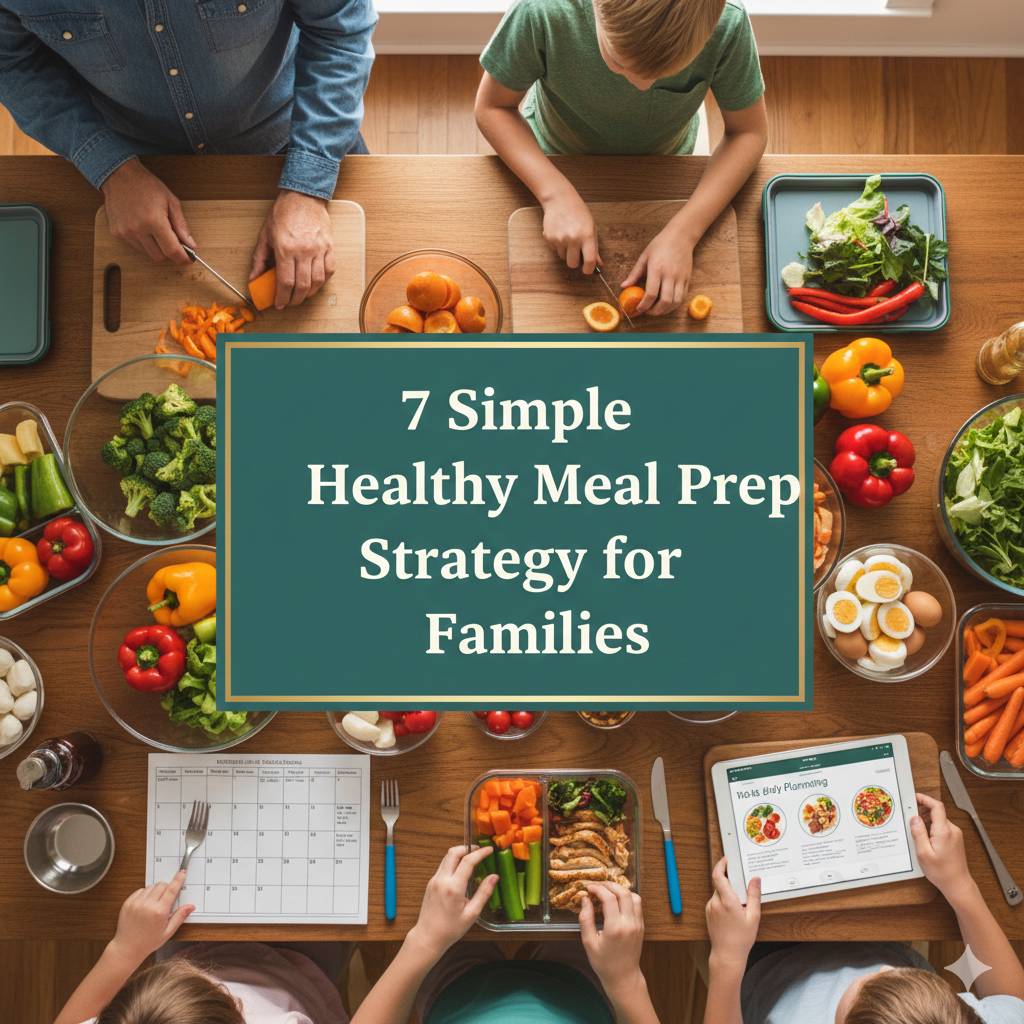
Open up the weekly plan to everyone in the family. Allow your daughter to choose what is for dinner on Tuesday. Your son chooses Thursday. Your partner claims Saturday. Everyone is invested in the meals because they had a hand in selecting them.
This approach also reduces complaints. If your kids selected the meal, they can’t complain about what’s for dinner. They eat what they chose more often.
Age-Appropriate Tasks During Meal Prep:
Young kids (ages 4-7): Wash vegetables, tear leaves for salad, stir components together, set the table
Older kids (ages 8-12): Measure ingredients, crack eggs, use vegetable peelers, load dishwasher
Teens: Chop vegetables with supervision, follow simple recipes independently, cook basic meals
These activities teach new skills in addition to lightening your load. Your children learn how to cook healthy food they’ll use for life. They know where food comes from and they value the effort involved in feeding a family.
Turn prep time into fun with music, catch up on everyone’s day or make a game of it. Children who work in the kitchen are also more willing to sample new foods. They are proud of what they made and want to taste their work.
When families are part of planning a meal, it becomes an opportunity for quality time. You’re not just feeding bodies. You’re making memories and teaching skills that last a lifetime.
How It All Comes Together: Your Weekly Meal Planning Guide
Now let’s jump into one effective weekly routine that brings everything together.
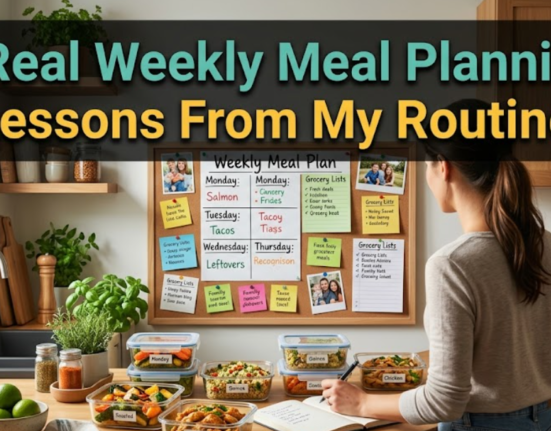
Sunday Morning (15 minutes)
Look at your calendar for the upcoming week. Remember the busy nights and when a quick meal is needed. Take a look at your master list of family favorites. Pick out 4-5 meals based on your schedule.
Sunday Afternoon (30 minutes)
Take inventory in your kitchen. What ingredients do you have on hand? Make your grocery list based on what you truly need. Buy it online or go to the store.
Sunday Evening (60-90 minutes)
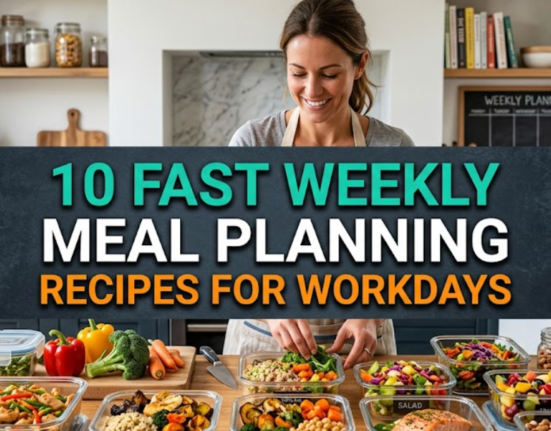
Do basic ingredient prep. Wash and chop vegetables. Cook proteins or grains. Prepare any sauces or bases. Store everything in clear containers.
During the Week
Be flexible in following your plan. Swap meals if needed. Turn your prepped ingredients into quick dinners. Allow family members to pitch in with final cooking and cleanup.
Friday Evening (5 minutes)
Think about what worked this week. What meals were hits? What took too long? What should you avoid next time? Use what you learn here to make next week’s plan better.
After a couple weeks this process becomes second nature. You will work with your rhythm and shortcuts. It’s a little daunting up front but by the end of the week you’ll be feeling the payoff in time, money and stress.
Common Mistakes to Avoid
Even the most well-intentioned new meal planners make these rookie mistakes.
Planning too many new recipes at the same time. Stick to mostly known foods, and introduce just one new recipe each week. Too many uncertainties cause stress and need extra time.
Forgetting about your schedule. Do not plan a complex meal for your busiest night. Match meal complexity to the time and energy you have available.
Purchasing ingredients for recipes you probably won’t cook. Only buy what’s on your plan. All of those “maybe” ingredients go to waste.
Making meal prep too complicated. Just a bit of chopping and some basic cooking is all you need. Don’t aim for restaurant-quality components.
Refusing to be flexible. Your plan is there as a guide, not a prison. Life happens and swapping a meal here or there is fine. Order takeout occasionally without guilt.
Doing everything yourself. Remember to involve your family. It’s not just about sharing the load; it’s about sharing the learning.
Take those mistakes and learn from them without beating yourself up. Meal planning takes a little bit of practice, and it’s a skill that just keeps on getting better. Each week you will feel a bit stronger and move a bit quicker.
Frequently Asked Questions
How time-consuming is meal planning, really?
After you establish the habit, it takes about 15-20 minutes of planning a week. Prep time is 1-2 hours if you do it on a prep day. This might seem like a lot up front, but it saves 30-60 minutes every weeknight when you’re not starting from scratch.
What if my family consists of picky eaters?
Have their favorite meals often in your meal rotation. Gradually introduce new foods with those that are familiar. Let picky eaters help plan and cook, so they are more inclined to try new things. For nights that are particularly difficult, have some backup options — like sandwiches or scrambled eggs.
How to do meal planning with dietary restrictions?
Try to concentrate on naturally compliant meals as opposed to substitutions if you can. Create your master list based on foods everyone can eat. For mixed needs (one vegetarian in the family), prepare meals where protein can be added on separately.
Can I meal plan on a tight budget?
Absolutely. Planning meals actually saves money by cutting back waste and impulse buying. Opt for budget-friendly proteins such as beans, eggs and chicken thighs. Base meals on what’s on sale. Prepare bigger portions and manage leftovers strategically. According to the USDA’s guidance on food planning, smart shopping and meal prep can significantly reduce food costs.
What about lunches and breakfast?
Start with dinner planning first. When that’s comfortable, try planning lunch around some dinner leftovers. Breakfast is usually the easiest meal to keep simple with cereal, oatmeal, eggs or yogurt that don’t require detailed planning.
How can I incorporate meal planning into my life for good?
Start small and build gradually. Keep it as simple as you can at first. Celebrate small wins. Keep in mind that imperfect planning is always better than no planning. Give yourself permission to order takeout when you need it without abandoning the whole system.
Your Family Deserves Better Dinners
Meal planning for families doesn’t have to be perfect or come from a professional chef. All it needs is a simple system and a bit of time at the outset.
These seven tips offer everything you need to get started. Start with three dinners this week. Make your master list of favorites. Before you shop, shop your kitchen. Prep ingredients, rather than finished meals. Use theme nights when it comes to choosing dinners. Build your pantry stockpile. And go through the process with everyone.
There’s so much more to benefit from than just having dinner ready. You’ll spend less on groceries and takeout. Your family will consume healthier, well-balanced meals. You’ll waste less food. And best of all, you’ll eliminate the daily headache of what to cook.
Meal planning leaves you with something very precious: time and mental bandwidth to actually enjoy your family instead of feeling stressed out by feeding them.
This Sunday, begin with just three meals. Write them down. Make your list. Do a little prep. You’ll feel the difference by next week. In a month, you won’t know how you lived without this system.
Your family’s health, your bank account and your sanity will appreciate that you took this step. The dinner table is where families connect, share their days and build lasting memories. When meal planning takes the logistics off your plate, you’re free to focus on what really counts — being present with the people you love most.