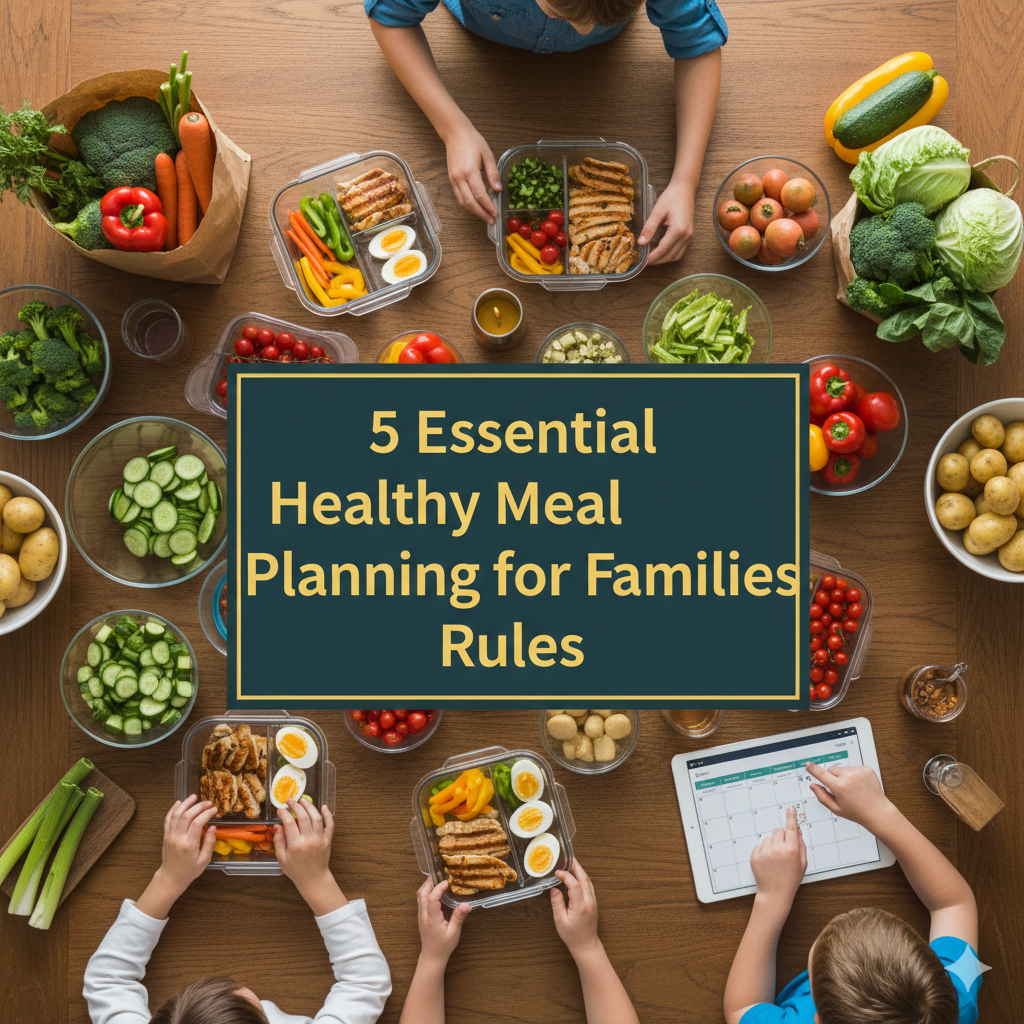
Working through dinner feels like running a marathon. With work schedules, school obligations and so much else on your plate (so to speak), the challenge of feeding your family a healthful meal can feel insurmountable. But what if there were a better way?
Meal planning is more than listing-making. It can sound corny, but it’s really about building a system that works for your family in any diverse way. Done correctly, it’s a way to save money, reduce stress and eat better all around. The best part? You needn’t be a pro cook or slave for hours in the kitchen.
This guide reveals 5 tried-and-true rules for easy, sustainable meal planning. These are strategies from actual families who’ve changed their dinner habits. Whether you’re dealing with picky eaters or food allergies, these guidelines will help you set up a menu plan that won’t fall apart.
Rule 1: Create Your Master Recipe Collection
The first step in planning healthy meals? Think of your master recipe collection as the greatest hits playlist for your family. These are the meals that everyone really eats without protest.
Start With What Already Works
Take a look at the last month of dinners. Which meals went smoothly? What did your children manage to complete when they weren’t asked three times? Write these down. Most families find they cycle through around 15 to 20 favorite meals on a regular basis.
Your master collection should include:
- 30-minute meals for busy weeknights
- Slow cooker dishes to prep through the morning
- One-pot recipes that minimize cleanup
- Batch-cooking options for making extras
- Kid-approved vegetables prepared different ways
Don’t try to get fancy with recipes at this stage. Anything from a simple baked chicken and roasted vegetables to more involved casseroles all count.
Design Time Saving Recipe Cards
Create a simple recipe card or digital note with three bullet points for every dish in your collection:
- Ingredients list with amounts
- Basic cooking steps
- Prep and cooking time
Keep these somewhere convenient. Some families rely on a folder, a plastic-sleeve binder or free apps on their phones. The idea is that you want to find recipes quickly when you’re putting together a few meals for the week.
Add and Test New Recipes Gradually
Here’s a game-changing approach: Make one new recipe a week and call it good. This helps with meal planning burnout, and it gives your family time to adapt. If the new recipe is a successful experiment, you’re ready to do some cataloging. If not, no big deal. You still have your standbys through the rest of the week.
Some families opt to have a “new recipe night” one day, perhaps Tuesday or Wednesday. Predictability makes it easier for kids to stay open to trying new foods.
Rule 2: Smart Shopping via Strategic Grocery Lists
Impulse grocery shopping tends to lead to squandered food and squandered money. A strategic approach will revolutionize everything that you do in the kitchen.
The Zone-Based Shopping Method
Plan your shopping list by store sections. That simple little trick halves shopping time and ends those “Did I forget something?” moments.
Add categories that align with your store’s structure:
- Produce section
- Meat and seafood
- Dairy and eggs
- Dry goods and pantry
- Frozen foods
You get in and out of the store efficiently by writing your list this way. No more zigzagging back and forth after you forgot the milk.
Stock a Power Pantry
Your pantry is your meal planning superhero. Always have these staples on hand:
| Category | Key Items | Why |
|---|---|---|
| Proteins | Canned beans, tuna, chicken breast | Instant protein source for any meal |
| Grains | Brown rice, whole wheat pasta, quinoa | Healthy bases that store well |
| Oils & Seasonings | Olive oil, garlic, basic spices | Flavor without excess shopping trips |
| Canned Goods | Tomatoes, broth, vegetables | Emergency meal fixes |
| Frozen Basics | Mixed vegetables, berries, fish | Nutrition without the fresh option |
With these on hand, you can cobble together a reasonable dinner, even when plans fall apart.
The Two-Week Shopping Rhythm
And many meal-planning families who are successful shop for pantry staples and frozen items only once every two weeks. And then they do a quick midweek jaunt for produce and dairy.
This rhythm offers several benefits. You spend less time in the store, too. You buy the fresh at its peak. And you spend less money by acting on fewer impulsive purchases.
Rule 3: Embrace Theme Nights That Have Some Flexibility
Themed nights offer structure but without feeling constraining. They scoop the daily “what’s for dinner?” stress and keep meals interesting.
Choose Topics to Fit Your Schedule
Look at your weekly calendar. When are the busiest nights? When do you have more time? Base your themes on real life, not what it should be like.
Popular theme night options include:
- Meatless Monday: Budget-friendly plant-based meals
- Taco Tuesday: Mexican-inspired dishes with infinite possibilities
- Worksheet Wednesday: Bowls or sheet pan meals
- Slow Cooker Thursday: Set it and forget it
- Pizza Friday: Make or order in to mark the end of the week
- Saturday Leftovers: Creativity in the fridge clearout
- Sunday Prep Day: Do some cooking for the week ahead
See how themes provide walls without stifling creativity? That’s the magic. One week, Taco Tuesday may be filled with traditional tacos; the next, we’ll have taco salad but then another time it might bring us burrito bowls.
Rotate Proteins and Vegetables
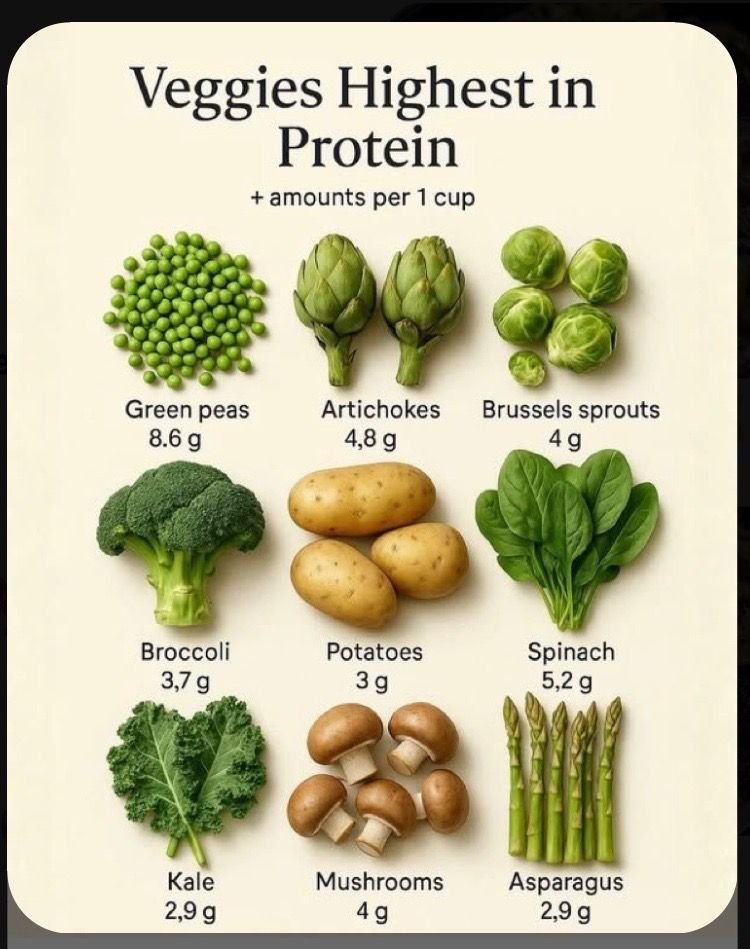
Even with theme nights, variety is important for nutrition. Just be sure you’re rotating through different protein sources and vegetables throughout the week.
A basic rotation pattern could be:
Week 1: Chicken, fish, beans, ground beef, eggs, leftovers, family choice
Week 2: Pork, shrimp, lentils, turkey, tofu, leftovers, family choice
Do the same with vegetables. Skip a day: Serve broccoli on Monday and wait until Tuesday to offer carrots or green beans. This way your loved ones can enjoy a variety of nutrients without you having to micromanage every little thing.
Build in Flex Nights
Life happens. Soccer practice runs late. Someone gets sick. The meeting goes long.
Good meal planners leave a night or two open each week. These are fallback destinations for takeout, breakfast-for-dinner or something extremely simple, like sandwiches and soup. So long as you build in these cushions in your plan, you won’t feel guilty about when things don’t go perfectly.
Rule 4: Get Good at Batch Cooking and Prep Sessions
This rule could be the ultimate time-saver of them all. Devoting consistent time to food prep truly makes juggling busy weeknights absolutely possible.
The Sunday Power Hour
One hour on Sunday will change your entire week. And while you’re at it, knock out a couple of prep tasks:
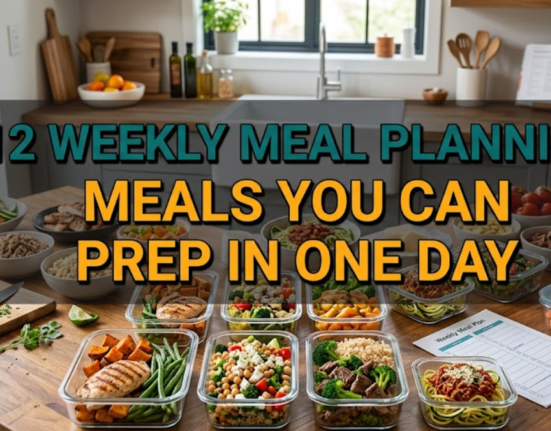
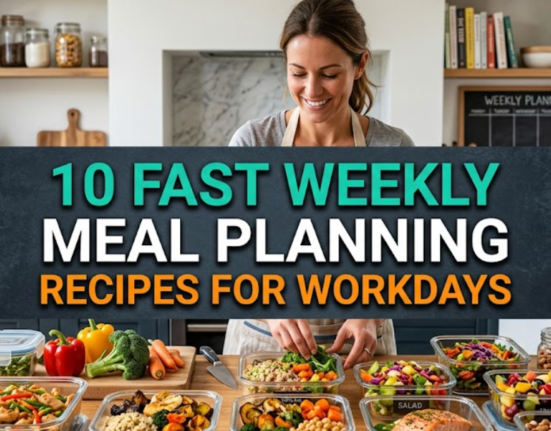
Wash and cut vegetables for more than one meal. Prepare a large quantity of grains, such as rice or quinoa. Brown ground meat for tacos and spaghetti sauce. Roast chicken breasts for salads and wraps. Hard boil a bunch of eggs for an easy breakfast on the go.
You needn’t pull out all the stops. Choose three or four that will be most beneficial to you during this, your busiest week.
Use Your Kitchen Tools Wisely
Different tools help different families. Determine which ones work for your life:
Slow cookers are terrific for people who leave early and come home late. Load it in the morning, and dinner’s done when you step through the door.
Instant pots shine when you didn’t think the day before. They cook frozen chicken or dried beans fast enough to salvage dinner.
Sheet pans are a lazy person’s best friend: you can roast your protein and vegetables together without much effort; they require only one pan to clean up.
Food processors mince vegetables in seconds, not minutes; there’s less onerous prep.
You don’t need every gadget. Begin with the one that eliminates your single biggest pain point.
The Freezer Is Your Friend
Double recipes and freeze half for homemade frozen dinners. This approach is brutally effective for:
- Soups and chilis
- Casseroles and lasagnas
- Marinated meats
- Cooked grains
- Cookie dough and muffin batter
Label everything with what’s in it and the date. And your future self will thank you when you’re looking down a crazy Wednesday night.
Rule 5: Engage the Whole Family
One person should not hold the entire responsibility for meal planning. Everyone can be a part of the work, and kids learn important life skills.
Give Kids Age-Appropriate Jobs
Even young ones can help meal plan and cook. Preventing frustration by matching tasks to abilities:
Ages 3-5: Wash produce, tear lettuce, stir wet and dry mixtures together, set the table
Ages 6-9: Measuring ingredients, practicing reading recipes out loud, preparing basic snacks, being introduced to cutting with supervision
Ages 10-13: Prep meals alone, cook on the stove with an adult’s help, plan one meal per week
Ages 14+: Preparing meals, buying groceries with a list, making their own packed lunches
Children who have cooking lessons are more willing to try new foods. They are proud to be able to contribute to their family meals.
Hold Weekly Planning Meetings

Spend 15 minutes a week doing this together, looking at the schedule and deciding what to eat. This brief interaction prevents conflicts and ensures that everyone gets their needs met.
During your meeting:
- Look at the calendar of activities and late nights
- Have each family member choose a meal
- Take stock of what’s already in your fridge and pantry
- Make the grocery list together
- Assign cooking and cleanup responsibilities
These all teach kids planning while distributing the mental load a bit more evenly among family members. For more meal planning tips and resources, explore additional strategies that can help your family succeed.
Create a Family Meal Board
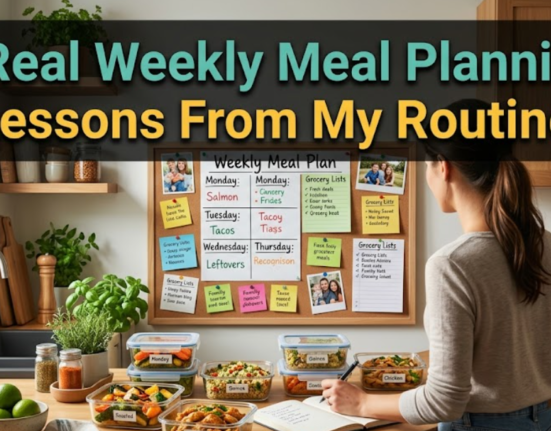
A meal plan that is visible to all will help everyone know what’s coming up. Use a whiteboard on your fridge, chalkboard, or a template you print out.
Just where everyone can see it, list what you’ll be eating for dinner each day. Include who’s responsible for cooking. Include any notes about prep work that should be done earlier in the day.
When children ask “what’s for dinner?” they can see it on the board. This simple tool cuts down on all the asking and gets older kids to start prep without being told.
Celebrate Your Wins and Learn From Misses
Some weeks will go perfectly. Others will come tumbling down by Tuesday. Both outcomes teach valuable lessons.
When a week goes well, discuss what went right. Did prepping on Sunday mean things went more smoothly on weeknights? Were theme nights a way to minimize decision fatigue? Repeat what succeeds.
When plans go wrong, determine why without assigning blame. Was the recipe too complicated? Did you over-schedule activities? Modify your strategy for next week.
This mindset helps meal planning become better over time, rather than just another thing you’re falling down on.
Generating Healthful Alternatives in Your System
These are the five rules that end up building a structure, but the “healthy” part involves making intentional choices within that structure.
The Plate Method Simplifies Nutrition
You don’t have to count calories, or weigh and measure everything. The plate method is a simple visual guide to help you make balanced, healthy meals:
- Half your plate: Vegetables and fruits
- Quarter of your plate: Lean protein
- Quarter of your plate: Whole grains
- Side dish: Dairy or calcium food
It can be applied to most cuisines or dietary preferences. Tacos, stir-fries, pasta dishes and permutations of classic meat-and-potatoes meals are similarly constructed.
According to the USDA’s MyPlate guidelines, this balanced approach to portioning helps families meet their nutritional needs without complicated calculations.
Smart Swaps Boost Nutrition
Small changes lead to big health gains over time. Try these gradual swaps:
- Substitute brown rice or cauliflower rice for white rice
- Opt for whole wheat pasta, not regular pasta
- Substitute Greek yogurt for sour cream
- Trade sugary drinks for water with fruit slices
- Choose baked or grilled over fried alternatives
Do one trade every couple of weeks. Light, gradual modifications stick better than large switches where it feels like you are punishing yourself.
Read Labels But Don’t Obsess
When you know how to read food labels, you are able to make better choices. Focus on these key areas:
- Look at serving sizes first
- Check added sugar amounts
- Compare sodium levels between brands
- Notice the ingredient list length
In general, fewer ingredients translate to less processing. But let’s not make perfect the enemy of the good. Plenty of add-ins aside, frozen vegetables still trump no vegetables at all.
Troubleshooting Common Meal Planning Challenges
Even with firm rules, you will hit roadblocks. Here’s how to address the most common problems.
“My Kids Won’t Eat Anything”
Picky eating bedevils nearly every family. Consider the “one bite rule,” in which kids sample everything but don’t have to eat it all. Present new foods alongside tried-and-true favorites. Allow kids to help cook—involvement can make them more likely to try the results.
Remember that repeated exposure works. Studies suggest that children have to be exposed to a new food 10 to 15 times before they’ll accept it. Keep offering without pressure.
“We’re Too Busy for This”
Begin smaller than you think. Just plan three dinners this week, not seven. Select only recipes you already have made. Opt for grocery pickup or delivery to save shopping time.
When this approach becomes routine, you can plan more broadly. Starting off with some grandiose plan is a recipe for disaster.
“Healthy Food Costs Too Much”
Strategic planning actually saves money. Purchase fruits and vegetables when they are in season, which is usually when they cost the least. Opt for dried beans and lentils in place of canned, when there is time. Opt for store brands instead of name-brand staples.
Frozen vegetables are usually cheaper than fresh and offer comparable nutrition. They also prevent waste because you take only what you need.
Frequently Asked Questions
How much time does meal planning really take each week?
Most families spend 15 to 30 minutes planning, then another hour to hour and a half on Sunday prep. This is an investment that can save hours on a hectic worknight—and make your day far less stressful.
What if all the family members want different things?
Rotate in some DIY meals, too, like taco bars, pasta stations or rice bowls where everyone creates their customized plate. That way everyone is happy and you’re not having to cook two separate meals.
Do I have to plan breakfast and lunch as well?
Begin with only dinners, until that feels manageable. Many families have cycled through the same straightforward breakfasts and wrangled dinner leftovers into lunches, needing little in the way of added planning.
How can I accommodate dietary restrictions?
Base your master recipe collection on dishes that everyone will eat, then let others add in what they like. If one person needs gluten-free, make naturally gluten-free meals or simple swaps versus two different dinners.
What’s the best app for meal planning?
The best program is the one you’ll stick with. Some families swear by apps like Mealime or Plan to Eat. Others like a basic paper planner or notes app. Try a few and stick with whichever feels easiest.
How can I reduce food waste?
Plan meals using similar ingredients. If Tuesday’s recipe calls for half a cabbage, then the Wednesday dish will use the other half. Check your fridge before shopping. Save your flex nights for making meals from leftovers.
Your Next Steps
Now you have 5 powerful rules for healthy family meal planning! But information is only helpful when you act on it.
Choose one rule at the start of this week. You might even develop your collection of master recipes. Or maybe you’ll attempt one theme night. Pick whatever seems the most helpful for you right now.
Next week, add a second rule. The week after, add another. Building gradually forms enduring habits rather than shocking your system with too much change all at once.
Keep in mind: Your meal prep process must make life simpler, not more difficult. Modify these rules to suit your family’s tastes, routines and requirements. There isn’t one magic formula that works for everyone.
The goal isn’t perfection. It’s one step closer to a less stressful, healthier, more enjoyable family meal. Some weeks will go smoothly. Others won’t. Continue to practice and soon you won’t believe how you ever got along without a meal plan.
Your family deserves high-quality sustenance and harmonious family dinners. Take these five essential rules, and you have everything you need to live your vision every day.