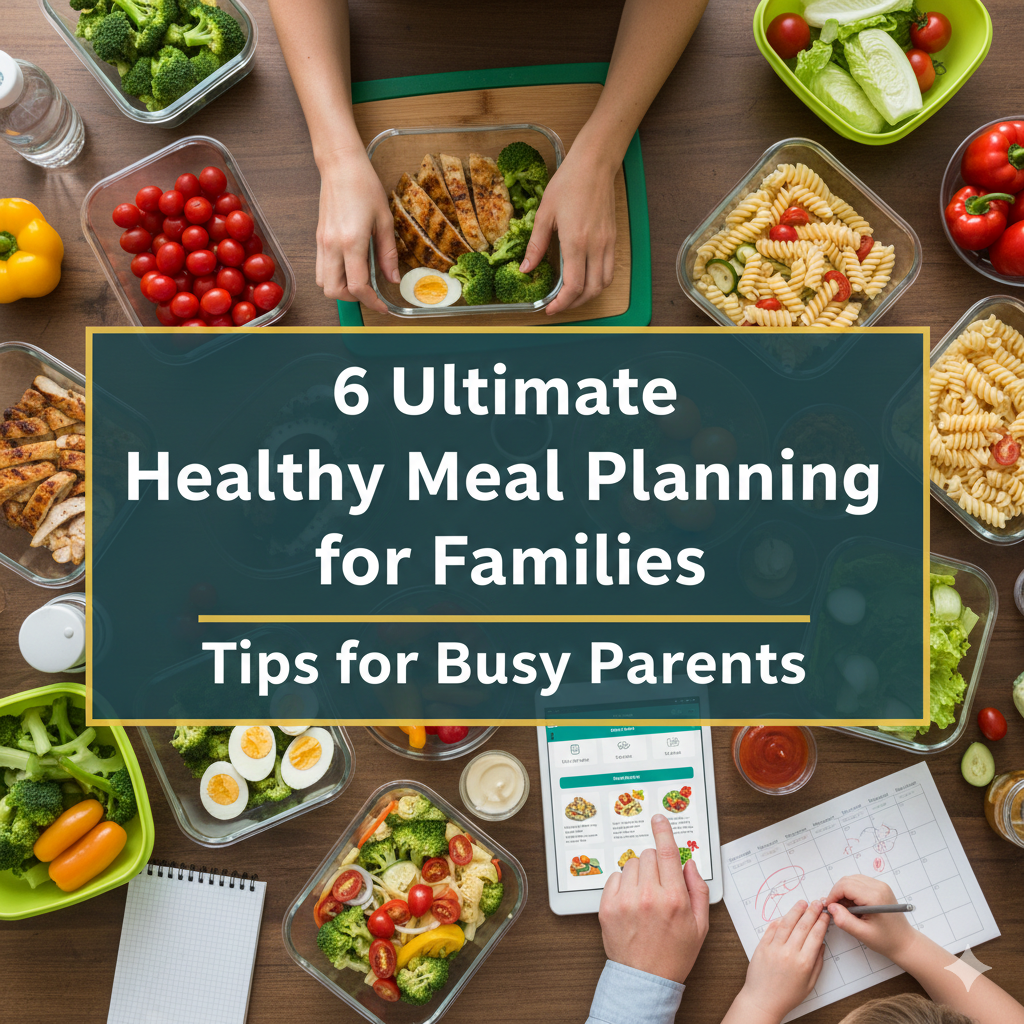
The Busy Parent: Weighing What to Feed the Family
You wake up full of good intentions. Today will be different. You’ll prepare a wholesome dinner from scratch. There will be no complaints when children are asked to eat vegetables. There will be no last-minute drive-through runs.
Then reality hits.
Work runs late. The kids need help with homework. Soccer practice happens at the same time as dance class. Someone forgot their lunch money. It’s 6 in the evening, and you’re beat, exhausted, looking into an empty kitchen with absolutely no idea of what to make — or the spirit to whip up a new masterpiece.
Sound familiar?
You’re not alone. There are millions of busy parents who get to experience this same thing every single day. The problem isn’t that you don’t care about eating healthfully. It’s not you; it’s that you’re trying to keep seventeen balls in the air at once, and meal planning is one of those add-on things we are told we should optimize for.
That’s the game changing truth: planning healthy meals for families doesn’t mean spending hours on end in the kitchen, or having a culinary degree. It requires the right system. When you have a good structure, feeding your family is automatic instead of torturous.
This piece gives you six powerful tips, specially tailored for parents on the go. And these aren’t just theoretical ideas from someone who doesn’t understand your day-to-day routine. These are real-world-tested tactics from parents who live in the trenches of busy schedules, kids with finicky palates and tight budgets.
Tip #1: Follow the 30-Minute Meal Guideline

What stands in the way of home cooking is not lack of will. It’s lack of time. If meals take an hour to prepare, they don’t happen on a hectic weeknight.
The solution? Set 30 minutes as your limit time for weeknight dinners.
Why 30 Minutes Is the Magic Number
Studies found that when dinner prep takes longer than 30 minutes, time-strapped parents tend toward takeout and processed foods. But if meals fit into 30 minutes or less, home cooking can be sustainable.
You can make healthy, yummy meals in 30 minutes. It’s brief enough not to be overwhelming at the end of a long day.
Building Your 30-Minute Meal Arsenal
Begin putting together recipes that take less than 30 minutes. Focus on these categories:
Sheet Pan Dinners
Everything is cooked on the same pan. Minimal prep, minimal cleanup.
Example: Chicken fillets + sliced vegetables + olive oil + seasoning. Bake at 425°F for 25 minutes.
Stir-Fries
High heat, quick cooking. Dinner in 15-20 minutes.
Example: Pre-cut vegetables + protein + stir-fry sauce + rice (cook in a rice cooker or use instant rice).
One-Pot Pastas
It all gets cooked in one pot, literally: even the pasta.
Example: Pasta + canned tomatoes + spinach + garlic + chicken broth. Simmer 15 minutes.
Breakfast for Dinner
Eggs cook fast. Serve with whole grain toast and fruit.
Example: Veggie frittata + toast + sliced strawberries. Ready in 20 minutes.
Taco Bar
Quick meal-assemble-it-yourself dealies.
Example: Seasoned ground turkey + tortillas + toppings. Cook meat 15 minutes, let everyone mix and match.
The 30-Minute Meal Formula
Stay in this pattern and enjoy countless different meals using the template.
| Part | Options | Cook Time |
|---|---|---|
| Protein | Chicken breast, ground meat, shrimp, eggs, canned beans | 10-15 minutes |
| Veggie | Frozen mixed veggies, pre-cut fresh vegetables, bagged salad | 5-10 minutes |
| Starch | Instant rice, quick-cooking pasta, microwaved potato | 8-12 minutes |
| Sauce/Seasoning | Jarred sauce (like marinara or Thai peanut), spice blends (chili powder + soy + sugar), vinaigrettes | 0-5 minutes |
Choose one from each category. Cook everything simultaneously. Dinner is on the table in 30 minutes or even less.
Timing Strategies That Work
Multitasking Cooking: As protein cooks, chop vegetables. Roast the vegetables and make the starch.
High Heat Methods: Roasting at 425°F, stir-frying over high heat and broiling all cook faster than low temperatures.
Pre-Prepped Ingredients: Save time when it’s tight by purchasing pre-washed salad, pre-cut vegetables and even pre-cooked proteins if your budget allows.
Tip #2: Learn How to Be a Strategic Grocery Shopper
Healthy eating has to begin at the grocery store. Good meals just happen in the kitchen when you’ve got the right ingredients. When your pantry is filled with junk food, that’s what you eat.
Shop With a Categorized List
Never walk into a grocery store without an itemized list. Arrange it by store section and save time plus avoid missing items.
Produce Section:
- Leafy greens (spinach, kale, lettuce)
- Cruciferous vegetables (broccoli, cauliflower)
- Root vegetables (carrots, sweet potatoes)
- Fresh fruit (apples, bananas, berries)
- Pre-cut vegetables for busy weeks
Protein Section:
- Lean chicken (breasts or thighs)
- Ground turkey or lean beef
- Fish or shrimp (frozen or fresh)
- Eggs (buy at least 2 dozen)
- Plant proteins (tofu, tempeh)
Dairy Section:
- Greek yogurt
- Cheese (for quick meals)
- Milk (dairy or plant-based)
Frozen Foods:
- Frozen vegetables (no prep needed)
- Frozen fruit (for smoothies)
- Frozen pre-cooked proteins (emergency backup)
Pantry Staples:
- Whole grain pasta
- Brown rice or quinoa
- Canned beans
- Canned tomatoes
- Low-sodium broth
- Healthy oils (olive, avocado)
- Spices and seasonings
The Once-Weekly Shopping Strategy
Food shop on one particular day of the week. Establish it as part of your weekly routine, Saturday mornings or Sunday afternoons, for example.
Shopping just one time each week will help you obtain several things:
- Saves Time: It’s one trip instead of 10 emergency runs in the week.
- Saves Money: The less you have to go, the less junk you’ll throw in your cart.
- Reduces Stress: You know what ingredients are on hand when you need them.
- Supports Planning: You eat according to your meal plan, not your cravings.
The Smart Parent’s Guide to Smart Shopping
Online Ordering and Pickup: Many stores provide this service. Order groceries online during lunch hour. Pick them up after work. 10-20 minutes average savings versus in-store shopping.
Delivery Services: If budget permits, grocery delivery removes shopping time altogether. Factor the cost of delivery versus your time wasted standing in line.
Store Navigation Pro: Shop in the same store every day. Learn the layout. Know where everything is located. That alone eliminates 10-15 minutes of shopping.
Don’t Go During Peak Hours: Shopping at the crack of dawn or late at night also translates into less lines and fewer crowds.
Tip #3: Use a Weekly Meal Planning Template
Decision fatigue is real. After facing dozens of decisions to make every day at work and home, the decision of what’s for dinner is just another activity that requires too much focused, directed mental energy.
Ditch meal-planning fatigue with a streamlined template system.
The Weekly Template Approach
Rather than plan totally distinct meals from week to week, instead come up with a flexible weekly template. The structure remains the same, but ingredients change.
Sample Weekly Template:
| Day | This Week’s Version | Next Week’s Version |
|---|---|---|
| Monday | Slow Cooker | Chicken tacos |
| Tuesday | Quick Pasta | Spaghetti with meat sauce |
| Wednesday | Sheet Pan | Salmon with roasted vegetables |
| Thursday | Stir-Fry | Beef and broccoli |
| Friday | Easy Night | Homemade pizza |
| Saturday | Family Choice | Kids pick the meal |
| Sunday | Batch Cooking | Chili for leftovers |
The Genius of Templates for Busy Families
Cuts the Mental Load: You don’t need to start from zero every single week. The framework exists.
Keeps It Interesting: Ingredients rotate, so even in the same structure one day feels different from another.
Makes Shopping Easy: You’ll see repeats in what ingredients are being used each week, so you know when to stock up.
Affords Predictability: Kids know what is going to happen. Wednesday sheet pan night becomes a thing.
Flexible: Templates give you a balance of structure and flexibility. Swap days as needed.
Adapting Templates to Your Schedule
Review each week’s calendar before you meal plan:
- Super Busy Nights: The no-fuss templates work best (15-minute meals, slow cooker nights, Breakfast for Dinner).
- Average Nights: Just stick with the standard 30-minute meal recipes.
- Lighter Nights: Slightly more intricate recipes or new experiments.
The template conforms to your actual life as opposed to you shoving your life into the template.
Tip #4: Prep Intelligently — Not Obsessively
Meal prep culture can make it seem like everything’s an all-or-nothing proposition: Spend four hours on a Sunday pre-cooking everything, or you’re not really prepping at all.
That’s nonsense.
Strategic prep prioritizes efficiency gains so you can save the most time throughout the week. You don’t have to prep everything. Just prep the bottlenecks.
The Smart Prep Strategy
Be sure to use your limited prep time for these high-value activities:
Clean and Roughly Chop Vegetables (20 minutes)
Chop and pre-wash vegetables Sunday afternoon. Transfer to clear containers and keep in the fridge.
When it is Wednesday and you want chopped onions and peppers for stir-fry, they are ready to go. This easy move saves 10 minutes on every weeknight dinner.
Make a Batch of Protein (30 Minutes)
Choose one versatile protein. Cook a large batch. Utilize it in a number of different ways throughout the week.
Examples:
- Grill 6 chicken breasts. Great for salads, tacos, pasta and sandwiches.
- Brown 2 pounds of ground turkey. Prepare tacos, spaghetti sauce and fried rice.
- Bake a whole salmon. Eat alongside vegetables, make fish tacos, use in salads.
Prep Breakfast Components (15 minutes)
Mornings are chaos. Simplify them.
Prepare individual jars of overnight oats. Hard boil a dozen eggs. Cut fruit for the week. Pre-portion yogurt parfait ingredients.
Breakfast that can be grabbed and taken on the go means everything runs more smoothly in the morning.
Pack Snacks (10 minutes)
Divide nuts, crackers and fruit into separate containers or bags.
Healthy snacks are waiting when children are hungry after school. No eating junk before dinner.
The 75-Minute Sunday Prep Session
You don’t need hours. A concentrated 75-minute session covers the basics of prep:
- 0-20 minutes: Prepare all of your vegetables by washing and chopping them up for the week.
- 20-50 minutes: Cook batch protein
- 50-65 minutes: Prep breakfast items
- 65 to 75 minutes: Divide snacks and organize the fridge
That’s it. 3-5 hours per week is saved with a time investment of around 1 hour and fifteen minutes.
When NOT to Prep
Don’t prep things that don’t really save time, or that don’t keep:
Prep mistakes: Salads (too soggy), assembled sandwiches (get soggy), cooked pasta (gets mushy).
Focus on prepping: Vegetables, proteins, grains, breakfasts, snacks.
Work smarter, not longer.
Tip #5: Create a Backup Meal Strategy
Perfect meal plans fail. Someone gets sick. Work emergencies happen. Traffic delays you. The soccer schedule changes.
No matter how much parents juggle, sometimes they need backup for when everything goes wrong.
The Three-Tier Emergency Meal Plan
Tier 1: Freezer Meals (Ease Level: Microwave)
Always have 3-5 homemade frozen meals in the wings. These are the meals that you cooked in double batches and stashed away for emergencies.
Good freezer meal options:
- Lasagna
- Enchiladas
- Soup or chili
- Casseroles
- Marinated proteins ready to cook
When calamity hits, grab one from the freezer. Heat and eat.
Tier 2: What the Cupboard Provides (Time Involved: 15 Minutes)
Stock your pantry with foods that make meals without a shopping trip.
Example Pantry Meal #1: Pasta + canned tomatoes + canned tuna + olive oil + garlic = 15-minute dinner
Example Pantry Meal #2: Rice + canned beans + salsa + cheese + tortillas = fast burrito bowls
Example Pantry Meal #3: Eggs + frozen vegetables + rice = fried rice
Tier 3: Meals to Assemble in a Flash (Level of Effort: 5 minutes)
They’re not great, but they’re better than fast food.
Examples:
- Rotisserie chicken + bagged salad + microwaved veggies
- Scrambled eggs + toast + sliced fruit
- Peanut butter sandwiches + baby carrots + apple slices
- Cheese quesadillas + canned refried beans + salsa
Keeping the Backup System Stocked
Now, “replenish backup meals” becomes a line on your monthly to-do list. After you use a freezer meal, double the next appropriate recipe you cook and toss it in its place.
Make and keep a running list on your fridge of pantry staples. When something starts to run low, add it to your shopping list straight away.
The Takeout Alternative
Your backup system isn’t about “never eating out” — it’s just there to get you through a period when you don’t have time to wait for delivery or cook. That means giving yourself a bigger toolbox so takeout is not something you’re reaching for out of desperation but choosing authoritatively.
When you order out because you want to, not because you have to, it feels like a reward instead of a defeat.
Tip #6: The Family Is the SOLUTION, Not the Problem
Menu planning should not be the sole responsibility of one parent. The burden reduces and compliance with the process increases when all members of a family do it.

Age-Appropriate Responsibilities
Ages 3-6:
- Setting the table
- Washing vegetables
- Tearing lettuce
- Stirring ingredients (with supervision)
Ages 7-10:
- Loading/unloading dishwasher
- Measuring ingredients
- Making simple breakfasts
- Packing their own lunches
Ages 11-14:
- Following simple recipes
- Cooking supervised meals
- Chopping vegetables
- Making family grocery list
Ages 15+:
- Planning one meal weekly
- Cooking complete meals independently
- Doing weekly meal prep tasks
- Grocery shopping with list
Non-Cooking Parent/Partner:
- Cleanup duty
- Grocery shopping
- Weekend meal prep helper
- Quality control taste tester
The Family Meal Planning Meeting
Spend 15 minutes planning the family meals — it’s a Sunday task, not any old time on a weeknight.
Step 1: Go over the week’s schedule together. Identify busy nights.
Step 2: Each person in the family recommends a meal for the week.
Step 3: Delegate cooking/helper assignments for each meal.
Step 4: Make a shopping list together.
Step 5: Decide who will do the grocery shopping.
This meeting accomplishes multiple goals. Kids feel heard. Everyone knows the plan. Responsibilities are clear. Children are much less likely to complain if they have had a hand in the decisions.
Teaching Kitchen Skills Progressively
Don’t expect perfection. Focus on gradual skill building.
Start with extremely simple tasks. As children show they can handle it, add slightly more advanced tasks.
The point isn’t to make a junior chef. It’s raising a person who, one day, will be able to feed themselves and know that nutritious eating doesn’t come for free.
The “Kids Cook Night” Strategy
Make one night a week “kids cook night.” Teenagers cook dinner with little parental interference. Younger children help an adult who is in charge but not taking over.
Rules for Kids Cook Night:
- There must be a protein, vegetable and starch as part of the meal
- Recipe must be at an appropriate level for them
- Parent available if you have any questions and for safety
- No one complains, everyone eats what’s made
It’s a single move that teaches planning, execution and appreciation for what cooking demands.
The First Month Plan – Putting Things All Together
Taken one at a time, each of these six tips works, but they really become powerhouses when you combine them into an entire system.
Week 1: Foundation Building
Lean into Tip #1 (30-minute meals) and Tip #2 (strategic shopping).
Action Items:
- Discover 5 easy 30-minute recipes that your family will like
- Develop a master grocery list template
- Shop once for the entire week
- Cook 30-minute meals all week
Goal: Make yourself believe that you can indeed make quick, healthy meals.
Week 2: Adding Structure
Implement Tip #3 (weekly template).
Action Items:
- Design your weekly meal template
- Assign meal types to each day
- Continue shopping weekly
- Test your template
Goal: Remove daily meal-decision fatigue.
Week 3: Increasing Efficiency
Add Tip #4 (strategic prep).
Action Items:
- Schedule your Sunday prep session
- Pick vegetables and one protein to prep
- Use prepped ingredients all week
- Track time saved
Goal: Make weeknight cooking even speedier.
Week 4: Building Resilience
Work on Tip #5 (backup) and apply Tip #6 (family involvement).
Action Items:
- Stock pantry for emergency meals
- Make 2 double-batch meals and freeze them
- Have your first family meeting to do meal planning
- Assign age-appropriate tasks to kids
Goal: Build a sustainable family-funded system.
Healthy Menu Planning for the Long-Term
And the good it does goes well beyond just dinner. When busy families make these six tips a regular habit, the rewards are huge.
Economic Impact: Households save $300-500/month by reducing takeout and food waste.
Health Benefits: Compared to restaurant meals, home-cooked food is lower in sodium, calories and richer in healthy nutrients. According to the American Heart Association, frequent home cooking is associated with better overall diet quality.
Family Connection: Regular family meals lead to better academic success and emotional well-being for children.
Life Skills: Children develop independence and food literacy when they help plan meals and cook them.
Stress Relief: No more worrying about what to make for dinner every day and last-minute scrounging in the pantry.
Time Savings: Meal planning systems save 5-7 hours per week over unplanned cooking or perpetual takeout.
These aren’t small wins. They’re life-changing upgrades that compound over months and years.
Frequently Asked Questions
How to meal plan when family schedules are erratic?
Build flexibility into your template. Keep 2-3 ultra-fast backup recipes at the ready for unexpectedly busy nights. Fill your freezer with make-ahead meals. Acknowledge that some weeks won’t be perfect — and that’s okay.
What if my kids don’t eat healthy foods?
Begin by making changes in small increments. Don’t go all in on multiple vegetables right from the start. Get kids involved in picking out recipes and the cooking itself. Always serve at least one thing from each meal that you know they like. Be patient—taste preferences evolve slowly.
Is it possible to meal plan on an extremely tight budget?
Absolutely. Make budget-friendly proteins like eggs, beans and chicken thighs the stars. Opt for frozen vegetables instead of fresh. Cook whole grains in bulk. Shop sales and use coupons. In reality, meal planning costs less than last-minute runs to the store or restaurant takeout.
How do I handle varied dietary needs in one family?
Build customizable meals. Make a base (think taco filling) and have family members pick their accompaniments. Provide gluten-free pasta or dairy-free cheese for those who need it. Make one meal for all with slight adjustments for certain preferences.
What if I actually absolutely hate cooking?
Keep it extremely simple. Concentrate on assembling meals, not elaborate recipes. Use convenience products (pre-cut vegetables, rotisserie chicken, jarred sauces). Cooking need not be gourmet to be good for you. Basic meals count too.
How do I get motivated when I’m so tired?
Remember your “why.” Remind yourself how much more organized you feel when meals are planned as opposed to the chaos of decision-less evenings. Photograph what you cook so that you can replicate success. Give yourself grace on the hard days—even a humble meal is better than none.
Is it better for me to prep all of this on Sunday or should I space it out over the week?
Whichever works better for you. Some parents want a single concentrated session. Other people prepare 20 minutes a night for the next day. You can’t go wrong — simply take into account what works for your calendar and energy.
How many months before meal planning becomes second nature and not a chore?
According to most parents, after 4-6 weeks of commitment, the system takes over. The first month is a challenge. After that, it becomes routine. Overcome the initial learning curve — then things are smoother!
Your Path Forward
Meal planning for healthy families is not about perfection. It’s about progress. It’s about feeding your family a little better this week than you did last week.
Begin with one tip in this article. Perhaps it’s the 30-minute meal requirement. Maybe it’s really making a grocery list template. Perhaps it’s getting your children involved in the action of cooking.
Choose one change. Master it. Then add another.
You will look back in six months and wonder how you ever got through mealtimes with your old routine. You will have a working system. Your family will eat healthier. Less stress and more time will be available to you.
The path from frazzled to organized begins with one simple affirmation: that you and your family deserve better than endless takeout, stressed-out dinners or bickering over whether a particular food is edible.
These six recommendations lay out the road map. Your commitment provides the momentum. And together, they change how your family eats — without taking all day you don’t have or skills you haven’t learned yet.
Start today. Your future self will thank you.