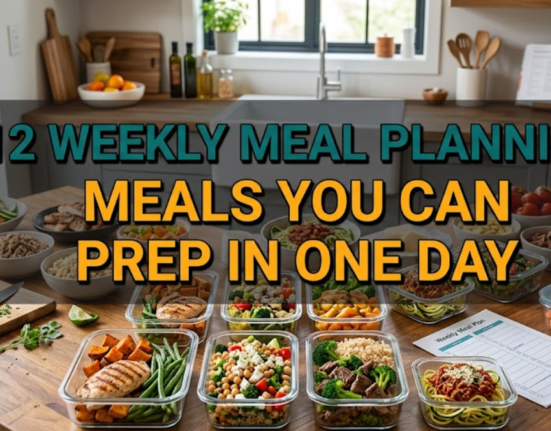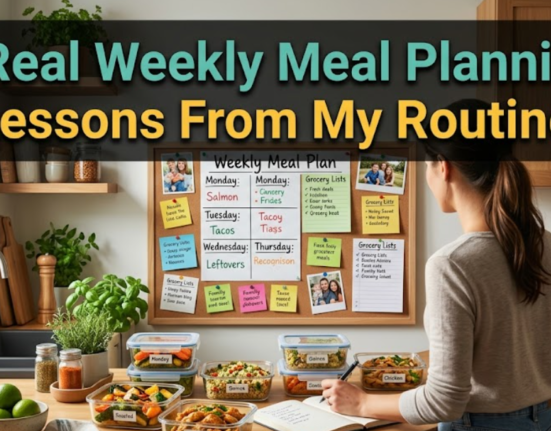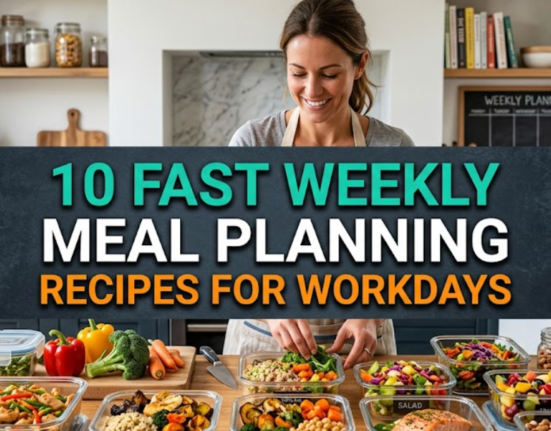
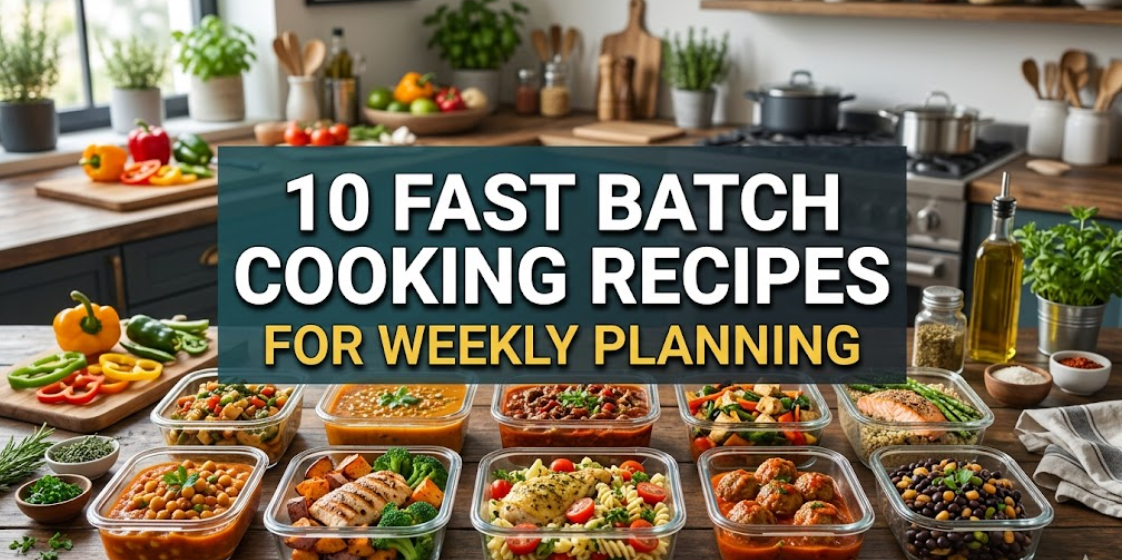
There’s something quietly powerful about opening your fridge on a busy weekday and knowing that most of your meals are already handled. Batch cooking isn’t just about saving time—it’s about reducing decision fatigue, cutting costs, and making healthier choices almost automatic. The trick is not to spend your entire weekend cooking, but to focus on fast, flexible recipes that scale well, store well, and reheat without losing their charm.
This guide walks through ten practical batch cooking recipes that are designed for speed and adaptability. Each recipe can be prepared in bulk, portioned out, and used in multiple ways throughout the week. You’ll also find tables, prep charts, and planning tools to help turn a couple of hours in the kitchen into a week of stress-free meals.
why batch cooking works for weekly planning
Batch cooking simplifies your week by front-loading effort. Instead of cooking three times a day, you cook once or twice and assemble meals later. It reduces grocery trips, minimizes waste, and makes portion control easier.
Here’s a quick comparison of traditional daily cooking vs batch cooking:
| Factor | Daily Cooking | Batch Cooking |
|---|---|---|
| Time per day | 1–2 hours | 15–30 minutes |
| Grocery trips | Frequent | Once or twice weekly |
| Food waste | Moderate | Low |
| Meal consistency | Variable | Predictable |
| Stress level | High on busy days | Low |
recipe 1: one-pot chicken and rice
This is a foundational recipe—simple, filling, and easy to portion.
ingredients:
- 1 kg chicken (boneless or bone-in)
- 2 cups rice
- 1 onion, chopped
- 2 tomatoes, chopped
- garlic, ginger, spices
- 4 cups water or broth
method:
Cook everything in one large pot. Start by sautéing onions, garlic, and ginger. Add chicken and spices, then tomatoes. Stir in rice and liquid. Cover and simmer until rice is cooked.
batch tip:
Divide into containers and freeze half. Use the rest for lunches.
variations:
- add vegetables like carrots or peas
- swap chicken for chickpeas
recipe 2: lentil curry base
Lentils are cheap, nutritious, and perfect for bulk cooking.
ingredients:
- 2 cups lentils
- 1 onion
- 2 tomatoes
- garlic, spices
- 5 cups water
method:
Cook everything until lentils soften. Blend slightly if you prefer a smoother texture.
usage ideas:
- eat with rice
- use as soup
- thicken for wraps
storage chart:
| Storage Method | Duration |
|---|---|
| Fridge | 4–5 days |
| Freezer | Up to 3 months |
recipe 3: oven-baked vegetable tray
This is less of a “recipe” and more of a weekly essential.
ingredients:
- potatoes
- carrots
- bell peppers
- zucchini
- olive oil, salt, spices
method:
Chop everything evenly, toss with oil and seasoning, and bake at 200°C for 30–40 minutes.
batch advantage:
Roasted vegetables can be used in wraps, salads, or as side dishes.
recipe 4: minced meat tomato sauce
A versatile base for multiple meals.
ingredients:
- 1 kg minced meat
- 2 cans crushed tomatoes
- garlic, onion
- herbs
method:
Cook onions and garlic, add meat, then tomatoes and herbs. Simmer for 30 minutes.
meal ideas:
- pasta
- rice bowls
- stuffed vegetables
portioning guide:
| Meal Type | Portion Size | Servings from Batch |
|---|---|---|
| Pasta dish | 1 cup | 8–10 |
| Rice topping | ½ cup | 12–14 |
recipe 5: chickpea salad mix
No cooking required beyond boiling chickpeas.
ingredients:
- boiled chickpeas
- cucumber
- tomatoes
- lemon juice
- olive oil
method:
Mix everything and store separately from dressing if possible.
quick tip:
Add dressing just before eating to keep it fresh.
recipe 6: egg muffin cups
Great for breakfast or snacks.
ingredients:
- eggs (10–12)
- chopped vegetables
- cheese (optional)
method:
Whisk eggs, add fillings, pour into muffin trays, and bake at 180°C for 20 minutes.
weekly usage:
Grab-and-go breakfast or protein snack.
recipe 7: stir-fry chicken strips
Pre-cooked protein saves time later.
ingredients:
- sliced chicken breast
- soy sauce
- garlic
- vegetables (optional)
method:
Cook quickly on high heat. Don’t overcook.
usage:
- wraps
- noodles
- salads
recipe 8: rice noodles with vegetables
A fast carb base that reheats well.
ingredients:
- rice noodles
- mixed vegetables
- soy sauce
method:
Cook noodles, stir-fry vegetables, mix together.
note:
Store sauce separately if possible.
recipe 9: potato and bean mash
Comfort food that stretches far.
ingredients:
- potatoes
- beans
- butter or oil
- spices
method:
Boil potatoes, mash with beans and seasoning.
serving ideas:
- side dish
- filling for wraps
recipe 10: overnight oats base
Perfect for busy mornings.
ingredients:
- oats
- milk
- yogurt
- honey
method:
Mix and refrigerate overnight.
variations:
Add fruits, nuts, or seeds each day.
weekly batch cooking plan example
Here’s how you might organize your cooking session:
| Task | Time Required |
|---|---|
| Chop vegetables | 20 min |
| Cook chicken and rice | 40 min |
| Prepare lentil curry | 30 min |
| Roast vegetables | 40 min |
| Bake egg muffins | 20 min |
| Total active time | ~90 min |
smart storage and reheating tips
Batch cooking only works if food stays fresh and tasty.
key practices:
- cool food before storing
- label containers with dates
- use airtight containers
- freeze in portions, not bulk
reheating chart:
| Food Type | Method | Time |
|---|---|---|
| Rice dishes | Microwave | 2–3 min |
| Curries | Stovetop | 5–7 min |
| Egg muffins | Microwave | 1–2 min |
| Roasted veggies | Oven | 10 min |
how to avoid boredom with batch meals
The biggest complaint about batch cooking is repetition. The solution is not more recipes—it’s more combinations.
example combinations:
| Base Item | Add-ons | Resulting Meal |
|---|---|---|
| Chicken & rice | yogurt + salad | light lunch |
| Lentil curry | bread | hearty dinner |
| Roasted veggies | eggs | breakfast bowl |
| Minced meat sauce | pasta | classic meal |
time-saving hacks that actually work
- use pre-cut vegetables occasionally
- cook grains in bulk (rice, pasta)
- clean as you go
- use large pans to cook more at once
- double recipes without doubling effort
frequently asked questions
- how long can batch-cooked food safely last in the fridge
Most cooked meals last 3 to 5 days when stored properly in airtight containers. If you’re unsure, freezing is the safer option. - is batch cooking suitable for small households
Yes. You can cook the same recipes but freeze portions for later weeks, reducing the need to cook frequently. - how do i prevent food from tasting stale after reheating
Avoid overcooking initially, store sauces separately, and add fresh toppings like herbs or lemon juice when reheating. - can i batch cook without a large freezer
Yes. Focus on recipes that last longer in the fridge and cook in smaller batches twice a week instead of once. - what’s the biggest mistake beginners make
Cooking too many different recipes at once. Start with 2–3 base dishes and build from there. - how do i keep meals healthy while batch cooking
Use balanced ingredients—proteins, carbs, and vegetables—and avoid relying too heavily on processed sauces or excessive oil.
Batch cooking isn’t about perfection—it’s about creating a system that works for your life. Even preparing just two or three of these recipes each week can significantly reduce your daily workload. Over time, you’ll find your rhythm, your favorite combinations, and your own shortcuts that make the process even smoother.