
Meal planning has evolved from being a niche habit practiced by highly organized individuals to a widely adopted strategy for saving time, reducing stress, and improving overall lifestyle quality. In today’s fast-paced world, juggling work, family responsibilities, and personal health often leaves little room for thoughtful food choices. As a result, many people fall into the trap of last-minute decisions, unhealthy takeout options, or wasted groceries.
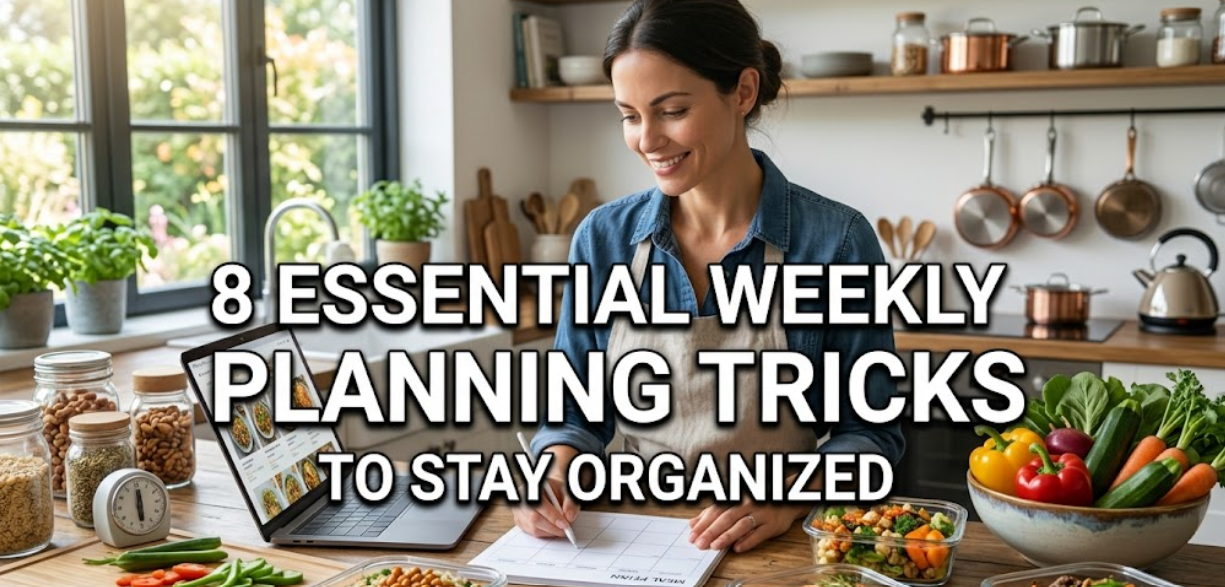
Weekly meal planning offers a structured approach to regain control over your kitchen and your schedule. It is not merely about deciding what to eat; it is about building a system that supports consistency, efficiency, and mindfulness. This article explores eight essential weekly meal planning tricks that will help you stay organized while making your life significantly easier.
Understanding the concept of meal planning
Before diving into specific strategies, it is important to understand what meal planning truly involves. Meal planning is the process of deciding in advance what meals you will prepare and consume over a specific period, typically a week. It includes selecting recipes, preparing a grocery list, organizing ingredients, and sometimes pre-cooking meals.
A well-structured meal plan reduces decision fatigue, saves money, minimizes food waste, and supports healthier eating habits. It also eliminates the daily stress of figuring out what to cook.
Below is a simple overview of what a weekly meal plan includes:
Table 1: Components of a Weekly Meal Plan
| Component | Description |
|---|---|
| Meal Selection | Choosing recipes for breakfast, lunch, dinner, snacks |
| Grocery Planning | Listing ingredients required for the selected meals |
| Preparation Strategy | Deciding what to prep in advance |
| Storage Organization | Properly storing ingredients or prepped meals |
| Execution Schedule | Assigning meals to specific days |
Trick 1: Start with a clear weekly structure
The first and most important trick is to create a consistent weekly framework. Without a structure, meal planning can feel overwhelming and chaotic. Assigning themes or categories to specific days simplifies decision-making.
For example, you might designate:
- Monday: Vegetarian meals
- Tuesday: Chicken dishes
- Wednesday: Quick meals
- Thursday: Pasta or grains
- Friday: Takeout or leftovers
- Saturday: Experiment with new recipes
- Sunday: Family meals
This approach reduces the mental effort required to decide meals from scratch every week. Over time, it becomes a habit that streamlines the planning process.
Table 2: Sample Weekly Meal Theme Plan
| Day | Theme | Example Meal |
|---|---|---|
| Monday | Meatless | Vegetable stir-fry |
| Tuesday | Poultry | Grilled chicken with rice |
| Wednesday | Quick meals | Omelette and toast |
| Thursday | Pasta | Spaghetti with marinara sauce |
| Friday | Flexible | Leftovers or takeout |
| Saturday | New recipes | Thai curry |
| Sunday | Family meal | Roast with vegetables |
Trick 2: Plan around your schedule, not against it
A common mistake people make is planning meals without considering their actual weekly commitments. Your meal plan should reflect your lifestyle, not an idealized version of it.
If you know you have long workdays or social commitments on certain days, plan simple or pre-prepared meals for those days. Reserve more elaborate recipes for days when you have extra time.
For instance:
- Busy weekdays: Quick or pre-cooked meals
- Relaxed weekends: More complex recipes
This alignment ensures your plan is realistic and sustainable.
Table 3: Matching Meal Complexity with Schedule
| Day Type | Time Availability | Recommended Meal Type |
|---|---|---|
| Busy Workday | Low | Ready-to-eat or quick meals |
| Moderate Day | Medium | Simple home-cooked meals |
| Free Day | High | Complex or experimental |
Trick 3: Build a master recipe list
Instead of searching for recipes every week, create a master list of meals you and your household enjoy. This serves as your personal database, making weekly planning faster and more efficient.
Divide your list into categories such as:
- Breakfast
- Lunch
- Dinner
- Snacks
- Special occasions
Once you have this list, you can rotate meals instead of reinventing your menu every week.
Table 4: Example Master Recipe List
| Category | Recipes |
|---|---|
| Breakfast | Oatmeal, pancakes, smoothies |
| Lunch | Sandwiches, salads, wraps |
| Dinner | Chicken curry, pasta, stir-fry |
| Snacks | Fruit bowls, yogurt, nuts |
| Special | Biryani, lasagna, grilled platters |
This approach not only saves time but also ensures consistency and reduces stress.
Trick 4: Create a detailed grocery system
An organized grocery list is the backbone of successful meal planning. Instead of writing random items, structure your list based on categories such as produce, dairy, grains, and proteins.
This method improves shopping efficiency and reduces the chances of forgetting essential items.
Table 5: Organized Grocery List Template
| Category | Items |
|---|---|
| Produce | Spinach, tomatoes, onions |
| Proteins | Chicken, eggs, lentils |
| Dairy | Milk, cheese, yogurt |
| Grains | Rice, pasta, bread |
| Pantry | Spices, oil, canned goods |
Additionally, checking your pantry before shopping prevents duplicate purchases and minimizes waste.
Trick 5: Prep ingredients in advance
Meal preparation does not always mean cooking full meals. Sometimes, simply prepping ingredients can save a significant amount of time during the week.
Examples of ingredient prep include:
- Washing and chopping vegetables
- Marinating proteins
- Cooking grains in bulk
- Portioning snacks
This technique reduces cooking time on busy days and makes it easier to stick to your plan.
Table 6: Ingredient Prep Plan
| Ingredient Type | Prep Action | Storage Duration |
|---|---|---|
| Vegetables | Chop and store | 3–5 days |
| Proteins | Marinate | 1–2 days |
| Grains | Cook in bulk | 4–6 days |
| Snacks | Portion into containers | 5–7 days |
Trick 6: Use leftovers strategically
Leftovers are often underestimated in meal planning. Instead of viewing them as repetitive, think of them as building blocks for new meals.
For example:
- Roasted chicken can become sandwiches or wraps
- Cooked vegetables can be added to omelets
- Rice can be turned into fried rice
This approach reduces food waste and saves both time and money.
Table 7: Leftover Transformation Ideas
| Original Meal | Transformed Meal |
|---|---|
| Grilled chicken | Chicken salad or wraps |
| Steamed rice | Fried rice |
| Roasted veggies | Vegetable omelette |
| Pasta | Baked pasta casserole |
Trick 7: Keep your kitchen organized
A cluttered kitchen can make meal planning feel overwhelming. Organizing your kitchen space enhances efficiency and reduces stress.
Key organization tips include:
- Label containers clearly
- Group similar items together
- Keep frequently used items accessible
- Maintain a clean workspace
A well-organized kitchen supports your meal planning efforts and makes cooking more enjoyable.
Table 8: Kitchen Organization Zones
| Zone | Items Stored |
|---|---|
| Prep Area | Knives, cutting boards |
| Cooking Area | Pots, pans, utensils |
| Storage Area | Containers, leftovers |
| Pantry | Dry goods, spices |
Trick 8: Review and adjust weekly
Meal planning is not a one-time task. It requires continuous evaluation and adjustment. At the end of each week, review what worked and what did not.
Ask yourself:
- Which meals were successful?
- What ingredients were wasted?
- Were any meals too complicated?
Use these insights to refine your plan for the following week. This iterative process ensures long-term success.
Table 9: Weekly Review Checklist
| Question | Yes/No |
|---|---|
| Did I follow my meal plan? | |
| Were groceries used efficiently? | |
| Did I save time during the week? | |
| Were meals enjoyable? | |
| What needs improvement? |
Benefits of weekly meal planning
Weekly meal planning offers numerous benefits beyond organization. It positively impacts multiple aspects of life, including health, finances, and mental well-being.
Table 10: Benefits Overview
| Benefit | Impact Description |
|---|---|
| Time-saving | Reduces daily decision-making |
| Cost efficiency | Prevents overspending |
| Health improvement | Encourages balanced meals |
| Waste reduction | Minimizes unused food |
| Stress reduction | Eliminates last-minute cooking pressure |
Common challenges and solutions
Despite its advantages, meal planning can present challenges. Understanding these obstacles helps in overcoming them effectively.
Table 11: Challenges and Solutions
| Challenge | Solution |
|---|---|
| Lack of time | Prep ingredients in advance |
| Limited recipe ideas | Maintain a master recipe list |
| Inconsistent routine | Use a weekly structure |
| Food waste | Plan leftover meals |
| Loss of motivation | Keep meals simple and enjoyable |
Conclusion
Weekly meal planning is a powerful tool for staying organized in a busy world. By implementing these eight essential tricks, you can transform your approach to food and daily routines. The key lies in consistency, flexibility, and continuous improvement.
Rather than striving for perfection, focus on building a system that works for your lifestyle. Over time, meal planning becomes second nature, allowing you to enjoy the benefits of a more structured and stress-free life.
Frequently Asked Questions (FAQs)
- How long does weekly meal planning take?
Weekly meal planning typically takes 30 to 60 minutes, depending on your experience and the complexity of your meals. With practice, the process becomes faster and more efficient. - Is meal planning suitable for beginners?
Yes, meal planning is highly suitable for beginners. Starting with simple meals and a basic structure makes it easy to adopt and maintain. - Can meal planning help with weight management?
Yes, meal planning helps control portion sizes, reduces unhealthy food choices, and promotes balanced nutrition, which supports weight management. - What if I don’t follow my meal plan exactly?
Flexibility is important. Meal plans are guidelines, not strict rules. Adjust them as needed based on your schedule and preferences. - How can I avoid getting bored with meals?
Rotate recipes, try new dishes occasionally, and experiment with different ingredients and cuisines to keep meals interesting. - Do I need special tools for meal planning?
No special tools are required. A notebook, a digital app, or a simple spreadsheet can effectively support your meal planning process.