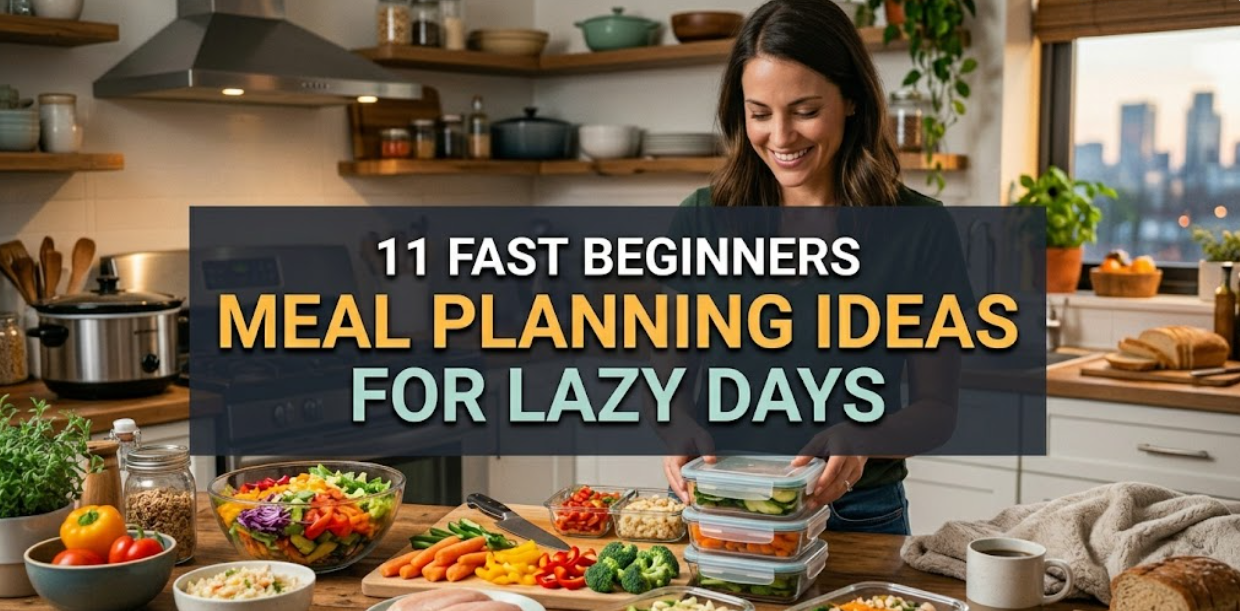
There are days when motivation is low, energy is even lower, and the idea of cooking feels like climbing a mountain. These are the “lazy days” that everyone experiences—whether you’ve had a long day at work, slept poorly, or simply want to take it easy. The problem is, those are also the days when unhealthy takeout choices sneak in and disrupt your goals.
Meal planning doesn’t have to be complicated, strict, or time-consuming. In fact, it can be designed specifically for these low-energy days. The key is simplicity, repetition, and smart shortcuts.
This guide explores 11 fast, beginner-friendly meal planning ideas tailored for lazy days, along with practical tables, examples, and strategies that make it all manageable.
- The 3-Ingredient Meal Rule
One of the easiest ways to simplify meal planning is to limit the number of ingredients per meal. When you restrict yourself to just three core ingredients, decision fatigue disappears.
Examples:
- Grilled chicken + rice + steamed broccoli
- Eggs + toast + avocado
- Pasta + olive oil + parmesan
Why it works:
- Fewer ingredients = less prep and cleanup
- Easy grocery shopping
- Less time thinking, more time doing
Table: Sample 3-Ingredient Combinations
| Protein | Carb | Veg/Fat |
|---|---|---|
| Chicken | Rice | Broccoli |
| Eggs | Bread | Avocado |
| Tuna | Crackers | Mayo |
| Beans | Tortilla | Cheese |
- Batch Cook Once, Eat All Week
Lazy days become easier when food is already waiting. Batch cooking is one of the most effective beginner strategies.
Cook large portions of:
- Rice or pasta
- Grilled chicken or baked tofu
- Roasted vegetables
Then mix and match throughout the week.
Chart: Weekly Batch Cooking Flow
| Day | Action | Result |
|---|---|---|
| Sunday | Cook bulk meals | 4–5 base ingredients |
| Monday | Mix meal 1 | Ready in 5 mins |
| Tuesday | Mix meal 2 | No cooking required |
| Wednesday | Reheat leftovers | Minimal effort |
- “Assembly Meals” Instead of Cooking
On lazy days, cooking isn’t the problem—effort is. Assembly meals require no real cooking, just combining ingredients.
Examples:
- Sandwiches
- Wraps
- Salads
- Yogurt bowls
Quick Assembly Formula:
Protein + Crunch + Sauce
Example:
Chicken + lettuce + mayo wrap
- The “Repeat Meals” Strategy
Beginners often think variety is necessary every day. It’s not. Repeating meals reduces planning stress and speeds up decision-making.
Simple weekly structure:
- Breakfast: Same every day
- Lunch: Rotate 2 options
- Dinner: Rotate 3 options
Table: Example Repeat Plan
| Meal Type | Options |
|---|---|
| Breakfast | Oats / Eggs |
| Lunch | Chicken wrap / Salad |
| Dinner | Rice bowl / Pasta / Soup |
- Frozen Foods Are Your Best Friend
Frozen foods are often overlooked but extremely useful. They save prep time and reduce waste.
Top frozen options:
- Vegetables
- Pre-cooked chicken
- Ready-to-heat meals
Benefits:
- Long shelf life
- No chopping required
- Budget-friendly
- The “One-Pan Meal” Method
Fewer dishes = less resistance to cooking. One-pan meals are perfect for lazy days.
Basic formula:
Protein + Vegetables + Oil + Seasoning → Bake
Example:
Chicken + potatoes + carrots in one tray
Table: One-Pan Meal Ideas
| Protein | Veggies | Cooking Time |
|---|---|---|
| Chicken | Potatoes, carrots | 30–40 min |
| Fish | Zucchini, peppers | 20–25 min |
| Sausage | Onions, potatoes | 25–30 min |
- Keep a “Lazy Day Pantry”
A well-stocked pantry can save you from ordering food.
Must-have items:
- Canned beans
- Pasta
- Instant noodles
- Sauces
- Eggs
Quick Meal Example:
Pasta + canned beans + sauce = instant dinner
- The 10-Minute Meal List
Instead of thinking every day, create a fixed list of meals that take under 10 minutes.
Example list:
- Scrambled eggs
- Peanut butter sandwich
- Instant noodles with egg
- Yogurt + fruit
Table: 10-Minute Meal Options
| Meal | Prep Time |
|---|---|
| Eggs on toast | 5 mins |
| Instant noodles | 7 mins |
| Tuna sandwich | 5 mins |
| Yogurt bowl | 3 mins |
- Use Pre-Cut or Ready Ingredients
There’s no rule saying you must chop everything yourself. Buying pre-cut vegetables or ready sauces is a huge time-saver.
Examples:
- Pre-washed salad bags
- Frozen chopped onions
- Store-bought sauces
Trade-off:
You pay slightly more but save significant time and effort.
- Plan “No-Cook Days”
Not every day needs cooking. Plan specific days where meals require zero cooking.
Examples:
- Sandwich night
- Fruit + yogurt dinner
- Leftover day
Chart: Lazy Week Plan Example
| Day | Meal Style |
|---|---|
| Monday | Cook |
| Tuesday | Leftovers |
| Wednesday | No-cook |
| Thursday | Cook |
| Friday | Easy assembly |
- Build a Simple Weekly Template
The easiest long-term strategy is to create a repeatable structure.
Example:
Breakfast:
- Oats or eggs daily
Lunch:
- Wraps or leftovers
Dinner:
- 3 rotating meals
Snack:
- Fruit or yogurt
Table: Full Lazy Meal Plan Template
| Meal | Option 1 | Option 2 |
|---|---|---|
| Breakfast | Oats | Eggs |
| Lunch | Wrap | Salad |
| Dinner | Rice bowl | Pasta |
| Snack | Fruit | Yogurt |
Practical Tips for Staying Consistent
- Start small: Pick 3–4 meals only
- Avoid perfection: Simple is better than ideal
- Keep backup meals ready
- Always have eggs and bread at home
- Accept repetition as efficiency, not boredom
Common Mistakes Beginners Make
- Planning too many meals
- Choosing complicated recipes
- Ignoring energy levels
- Not keeping backup food
- Trying to be “perfect”
FAQs
- How do I start meal planning if I feel lazy all the time?
Start with just 2–3 meals and repeat them throughout the week. Focus on simplicity rather than variety. - Is it okay to eat the same meals every day?
Yes. Many people do this to save time and reduce stress. Nutrition matters more than variety in the short term. - What are the best lazy foods to keep at home?
Eggs, bread, canned beans, pasta, frozen vegetables, and yogurt are some of the easiest and most versatile options. - How can I avoid ordering takeout on lazy days?
Prepare backup meals in advance and keep quick options available. Convenience at home reduces the temptation to order out. - Can meal planning save money?
Yes. Planning reduces impulse purchases, food waste, and reliance on expensive takeout. - What if I don’t feel like cooking at all?
That’s normal. Use no-cook meals, leftovers, or assembly meals. Meal planning is about reducing effort, not forcing it.
Final Thoughts
Meal planning doesn’t have to be rigid or time-intensive. For beginners, especially on lazy days, the goal is survival with structure—keeping things simple, repeatable, and realistic.
The more you remove friction from cooking, the more likely you are to stick with it. Over time, these small systems build consistency, and consistency is what truly makes a difference.
Start with one idea from this list, test it for a week, and adjust. You don’t need perfection—you just need something that works on your worst days.