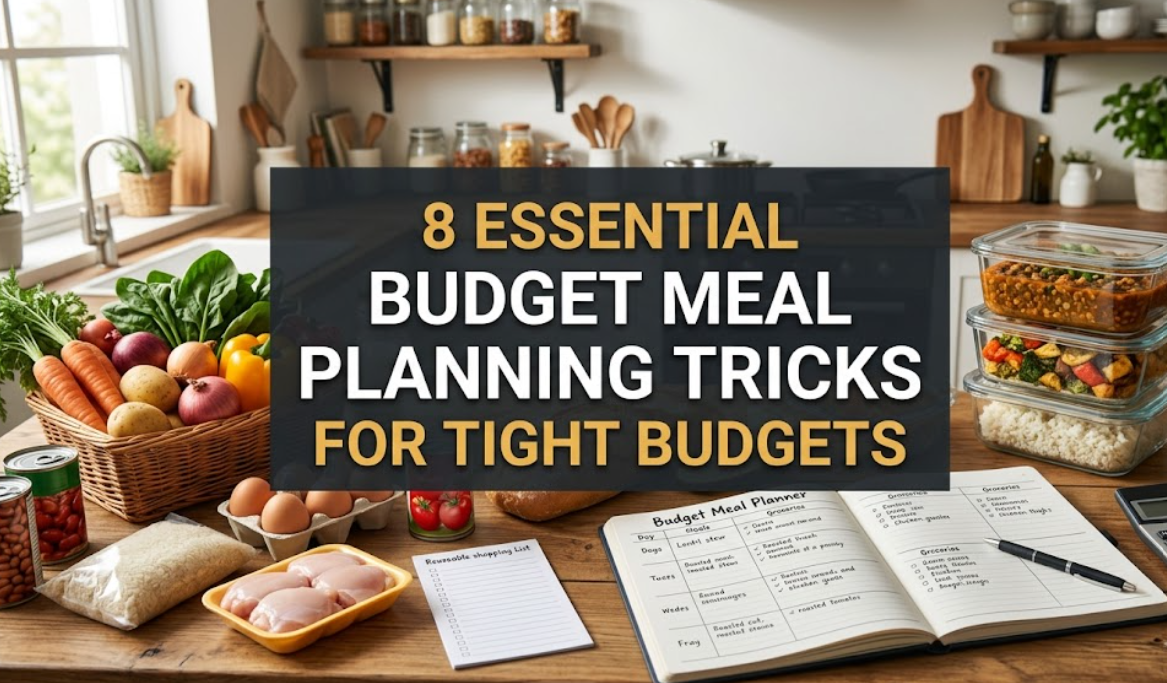
Living on a tight budget doesn’t mean sacrificing good food, variety, or nutrition. In fact, some of the most satisfying meals come from thoughtful planning, simple ingredients, and a bit of creativity. Budget meal planning is less about restriction and more about making smarter, more intentional choices with what you already have and what you buy.
This guide walks through eight essential tricks that can help stretch every dollar while still keeping your meals enjoyable and balanced. Along the way, you’ll find practical examples, simple charts, and actionable ideas that you can apply immediately.
understanding the real cost of meals
Before diving into strategies, it helps to understand what actually drives food costs. Many people assume groceries are expensive because of inflation alone, but small daily habits often play a bigger role.
Here’s a simple breakdown:
| Expense Category | Typical Cost Impact | Example |
|---|---|---|
| Convenience foods | High | Pre-cut veggies, ready meals |
| Protein choices | Medium–High | Beef vs lentils |
| Food waste | High | Spoiled produce |
| Brand preference | Medium | Premium brands vs generic |
| Cooking frequency | Medium | Eating out vs home cooking |
The goal of budget meal planning is to reduce high-impact costs while maintaining quality and satisfaction.
trick 1: build meals around low-cost staples
Staples are the backbone of any budget-friendly kitchen. They are inexpensive, filling, and versatile enough to form the base of countless meals.
Common low-cost staples include:
- Rice
- Lentils
- Beans
- Pasta
- Potatoes
- Oats
- Seasonal vegetables
Instead of starting meal planning with expensive proteins or specialty ingredients, start with these staples and build outward.
Example weekly base plan:
| Day | Staple Base | Meal Idea |
|---|---|---|
| Monday | Rice | Vegetable fried rice |
| Tuesday | Lentils | Lentil curry with flatbread |
| Wednesday | Pasta | Tomato garlic pasta |
| Thursday | Potatoes | Baked potatoes with toppings |
| Friday | Beans | Bean chili |
This approach ensures that your meals are filling and affordable from the start.
trick 2: plan before you shop, not inside the store
One of the biggest mistakes people make is deciding what to eat while grocery shopping. This leads to impulse purchases and overspending.
Instead:
- Check what you already have
- Plan meals for the week
- Write a focused shopping list
- Stick to it
A simple planning chart:
| Step | Action |
|---|---|
| Inventory check | List items in pantry/fridge |
| Meal selection | Choose 5–7 meals |
| Ingredient mapping | Identify missing items |
| Budget allocation | Assign spending limits |
Planning ahead eliminates unnecessary purchases and helps you avoid duplicate buying.
trick 3: use a “core ingredients” system
Instead of buying completely different ingredients for each meal, use overlapping ingredients across multiple dishes.
Example:
| Ingredient | Used In Meal 1 | Used In Meal 2 | Used In Meal 3 |
|---|---|---|---|
| Chicken | Stir-fry | Sandwich filling | Soup |
| Spinach | Omelette | Pasta | Salad |
| Tomatoes | Curry | Pasta sauce | Sandwich |
This reduces waste and maximizes every purchase.
trick 4: cook once, eat multiple times
Batch cooking is one of the most powerful ways to save both time and money. Cooking larger portions reduces energy use and prevents last-minute expensive takeout.
Example batch cooking plan:
| Meal Cooked | Servings | Used As |
|---|---|---|
| Rice (big batch) | 6 | Fried rice, side dish, bowls |
| Chicken curry | 4 | Lunch + dinner repeat |
| Roasted vegetables | 5 | Wraps, salads, sides |
You can store portions in the fridge or freezer to extend their life.
trick 5: embrace seasonal and local foods
Seasonal foods are almost always cheaper and fresher. They also taste better and require less processing.
Seasonal savings comparison:
| Food Item | In Season Price | Out of Season Price |
|---|---|---|
| Tomatoes | Low | High |
| Spinach | Low | Medium |
| Mangoes | Low | Very High |
Planning meals around what’s currently abundant can significantly reduce your grocery bill.
trick 6: reduce food waste aggressively
Food waste is one of the biggest hidden expenses in any household. Throwing away food is essentially throwing away money.
Common waste areas:
- Leftovers forgotten in the fridge
- Overripe fruits
- Unused herbs
Solutions:
- Freeze leftovers
- Repurpose ingredients
- Store food properly
Example transformation chart:
| Leftover Item | Turn Into |
|---|---|
| Cooked rice | Fried rice or rice pudding |
| Vegetables | Soup or stir-fry |
| Bread | Toast, breadcrumbs, or pudding |
| Chicken | Sandwich or wrap filling |
trick 7: choose cheaper protein alternatives
Protein is often the most expensive part of a meal, but there are many affordable options that are just as nutritious.
Protein cost comparison:
| Protein Source | Cost Level | Notes |
|---|---|---|
| Lentils | Very Low | High fiber, very filling |
| Eggs | Low | Versatile and quick |
| Beans | Very Low | Long shelf life |
| Chicken | Medium | Buy in bulk for savings |
| Beef | High | Use sparingly |
Mixing plant-based proteins with smaller portions of meat can drastically cut costs without sacrificing nutrition.
trick 8: set a weekly food budget and track it
Budgeting works best when it’s measurable. Setting a weekly limit helps control spending and encourages smarter decisions.
Example weekly budget tracker:
| Category | Budget | Actual Spend | Difference |
|---|---|---|---|
| Groceries | $40 | $38 | +$2 |
| Snacks | $10 | $12 | -$2 |
| Eating out | $15 | $10 | +$5 |
| Total | $65 | $60 | +$5 |
Tracking even for a few weeks can reveal patterns and opportunities to save.
sample 7-day budget meal plan
Here’s a practical example combining all the tricks:
| Day | Breakfast | Lunch | Dinner |
|---|---|---|---|
| Monday | Oatmeal | Lentil soup | Rice + vegetable curry |
| Tuesday | Eggs + toast | Leftover curry | Pasta with tomato sauce |
| Wednesday | Banana + oats | Bean salad | Stir-fried rice |
| Thursday | Toast + peanut butter | Chicken wrap | Potato and veggie bake |
| Friday | Oatmeal | Leftovers | Bean chili |
| Saturday | Eggs | Rice bowl | Homemade pizza |
| Sunday | Pancakes | Soup | Simple chicken curry |
how these tricks work together
Each trick on its own can save a bit of money, but together they create a system:
- Staples reduce base costs
- Planning eliminates impulse spending
- Core ingredients reduce waste
- Batch cooking saves time and energy
- Seasonal buying lowers prices
- Waste reduction preserves value
- Cheaper proteins cut major expenses
- Budget tracking maintains discipline
When combined, these strategies can reduce food spending by a noticeable margin over time.
common mistakes to avoid
Even with a good plan, certain habits can undermine your efforts:
| Mistake | Why It Costs More |
|---|---|
| Shopping while hungry | Leads to impulse purchases |
| Ignoring leftovers | Causes waste |
| Overcomplicating meals | Requires more ingredients |
| Buying in excess | Increases spoilage |
| Not tracking spending | Hides overspending patterns |
Awareness of these pitfalls helps you stay consistent.
long-term benefits of budget meal planning
Beyond saving money, these habits bring additional advantages:
- Reduced stress about food decisions
- Healthier eating patterns
- Less food waste
- Better time management
- Improved cooking skills
Over time, budget meal planning becomes second nature rather than a chore.
FAQs
- How much can I realistically save with budget meal planning?
Savings vary, but many people reduce their food expenses by 20–40% once they consistently apply these strategies. - Is budget meal planning time-consuming?
It may take an hour initially each week, but it saves time later by reducing daily decision-making and cooking effort. - Can I still eat healthy on a tight budget?
Yes. Staples like lentils, beans, rice, and seasonal vegetables are both nutritious and affordable. - What’s the easiest trick to start with?
Start with planning meals before shopping. This alone can prevent overspending and reduce waste. - How do I avoid getting bored with meals?
Use the same core ingredients in different ways. For example, rice can be used in stir-fries, bowls, or as a side dish. - Should I completely avoid eating out?
Not necessarily. Budget for it occasionally, but treat it as a planned expense rather than a default option.
Budget meal planning isn’t about cutting corners—it’s about making intentional choices that stretch your resources without sacrificing satisfaction. With these eight essential tricks, even the tightest budget can support meals that are simple, nourishing, and genuinely enjoyable.