Clean eating sounds simple on paper—whole foods, minimal processing, balanced meals—but in practice, it often collides with real life. Time runs short, energy dips, and convenience wins. That’s where meal prep quietly becomes the difference between intention and consistency. When your food is ready before you need it, clean eating stops being a daily decision and starts becoming your default.
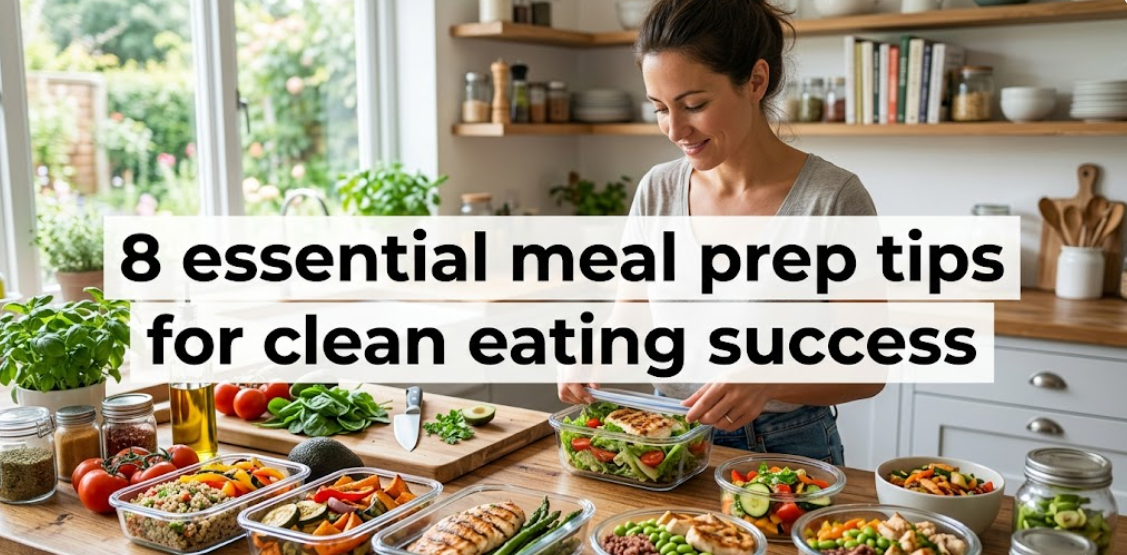
This guide walks through eight essential meal prep tips designed specifically for clean eating success. Not rigid rules, but practical systems you can adapt to your own routine. Along the way, you’ll find structured tables and planning charts to help turn ideas into something you can actually follow.
tip 1: start with a simple clean eating framework
Before you prep anything, it helps to define what “clean eating” means in practical terms. Otherwise, you end up overcomplicating meals or second-guessing every choice.
A simple framework looks like this:
| Category | Clean Options | Limit/Avoid |
|---|---|---|
| Proteins | Chicken, fish, eggs, legumes | Processed meats |
| Carbohydrates | Brown rice, oats, quinoa, potatoes | Refined sugar, white flour |
| Fats | Olive oil, nuts, seeds | Trans fats |
| Vegetables | Fresh or lightly cooked | Deep-fried options |
This framework becomes your guide during shopping and cooking, reducing decision fatigue.
tip 2: plan meals before you shop
One of the most common reasons clean eating fails is poor planning. You buy ingredients without a clear plan, and by midweek, things start falling apart.
Instead, map out your meals first.
weekly planning example:
| Day | Lunch | Dinner |
|---|---|---|
| Monday | Chicken salad | Grilled fish + veggies |
| Tuesday | Rice bowl with beans | Stir-fried vegetables |
| Wednesday | Leftover chicken wrap | Lentil curry |
planning benefits:
| Benefit | Impact |
|---|---|
| Less food waste | Saves money |
| Faster cooking | Clear direction |
| Health consistency | Fewer impulsive choices |
Planning doesn’t need to be perfect—just intentional.
tip 3: prep whole ingredients in batches
Clean eating relies heavily on whole foods, which often require more preparation. That’s why batch prepping ingredients is essential.
Focus on:
- grains (rice, quinoa)
- proteins (chicken, beans)
- vegetables (chopped or roasted)
batch prep overview:
| Ingredient | Prep Time | Storage Life | Use Cases |
|---|---|---|---|
| Brown rice | 25 min | 5 days | Bowls, sides |
| Grilled chicken | 20 min | 4 days | Salads, wraps |
| Roasted veggies | 30 min | 4 days | Bowls, snacks |
With these basics ready, assembling clean meals becomes quick and effortless.
tip 4: keep flavors simple but intentional
A common misconception is that clean eating means bland food. In reality, simple seasoning can make meals satisfying without relying on heavy sauces or processed ingredients.
clean flavor boosters:
| Ingredient | Use |
|---|---|
| Lemon juice | Brightens dishes |
| Garlic | Adds depth |
| Herbs | Freshness and aroma |
| Spices | Variety without calories |
time-saving tip:
prepare a small batch of seasoning mixes in advance.
example:
| Mix Type | Ingredients |
|---|---|
| Basic spice mix | Salt, pepper, garlic powder |
| Herb blend | Dried oregano, basil, thyme |
This reduces daily effort while keeping meals interesting.
tip 5: portion meals to control balance
Clean eating isn’t just about what you eat—it’s also about how much.
portioning meals in advance helps maintain balance.
portion guide:
| Component | Ideal Portion (Per Meal) |
|---|---|
| Protein | 1 palm-sized portion |
| Carbs | 1 cup cooked |
| Vegetables | 2 cups |
| Fats | 1–2 tablespoons |
meal prep container example:
| Section | Contents |
|---|---|
| Main section | Protein + carbs |
| Side section | Vegetables |
| Small section | Sauce or dressing |
Pre-portioning removes guesswork during busy days.
tip 6: use the “mix-and-match” method
Instead of preparing identical meals, prep components that can be combined differently.
example components:
| Category | Options |
|---|---|
| Base | Rice, quinoa |
| Protein | Chicken, beans, eggs |
| Veggies | Broccoli, carrots, spinach |
| Flavor | Lemon dressing, yogurt sauce |
daily combinations:
| Day | Meal Example |
|---|---|
| Monday | Rice + chicken + broccoli |
| Tuesday | Quinoa + beans + spinach |
| Wednesday | Rice + eggs + mixed vegetables |
This method prevents boredom without increasing workload.
tip 7: prioritize smart storage
Even the best meal prep can fail if food isn’t stored properly.
storage best practices:
| Storage Tip | Benefit |
|---|---|
| Use airtight containers | Keeps food fresh longer |
| Cool before storing | Prevents moisture buildup |
| Label meals | Avoids confusion |
container comparison:
| Type | Best Use | Advantage |
|---|---|---|
| Glass | Reheating meals | Durable, safe |
| Plastic | Transport | Lightweight |
| Jars | Salads, oats | Space-efficient |
Good storage protects both time and effort.
tip 8: build a realistic routine, not a perfect one
The biggest mistake in clean eating is aiming for perfection. Life changes—schedules shift, energy fluctuates—and your system needs to adapt.
realistic routine example:
| Step | Time Needed | Goal |
|---|---|---|
| Planning | 20 min | Choose simple meals |
| Shopping | 60 min | Buy essentials |
| Prep session | 2–3 hours | Cook basics |
| Daily meals | 15–20 min | Assemble and reheat |
consistency tips:
- start small
- repeat meals you enjoy
- allow flexibility
Clean eating success comes from sustainability, not strict rules.
weekly clean eating prep example
| Meal Type | Example |
|---|---|
| Breakfast | Overnight oats or eggs |
| Lunch | Grain bowl with protein |
| Dinner | Simple protein + vegetables |
| Snacks | Fruits, nuts |
time-saving overview:
| Activity | Without Prep | With Prep | Time Saved |
|---|---|---|---|
| Daily cooking | 60 min/day | 25 min/day | 245 min |
| Decision-making | 15 min/day | 5 min/day | 70 min |
total weekly time saved: around 5 hours
common clean eating challenges
| Challenge | Solution |
|---|---|
| Lack of time | Batch prep ingredients |
| Food boredom | Use mix-and-match method |
| Cravings | Keep healthy snacks ready |
| Inconsistency | Build a flexible routine |
faqs
- what does clean eating actually mean?
Clean eating focuses on whole, minimally processed foods like vegetables, fruits, lean proteins, and whole grains while limiting processed items. - how long do clean meal prep foods last?
Most meals last 3–5 days in the fridge when stored properly in airtight containers. - can clean eating be affordable?
Yes. Staples like rice, beans, eggs, and seasonal vegetables are budget-friendly and fit well into clean eating plans. - how do i stay consistent with meal prep?
Start small, keep meals simple, and build a routine that fits your schedule rather than forcing strict rules. - do i need special equipment?
No. Basic kitchen tools and containers are enough to get started. - how can i avoid getting bored with clean meals?
Change seasonings, rotate ingredients, and use different combinations of the same base components.
Clean eating doesn’t require complicated recipes or strict discipline. It works best when supported by simple systems that reduce effort and increase consistency. These eight meal prep tips are designed to do exactly that—help you eat better without making your life harder. Once they become part of your routine, clean eating stops being a challenge and starts feeling natural.