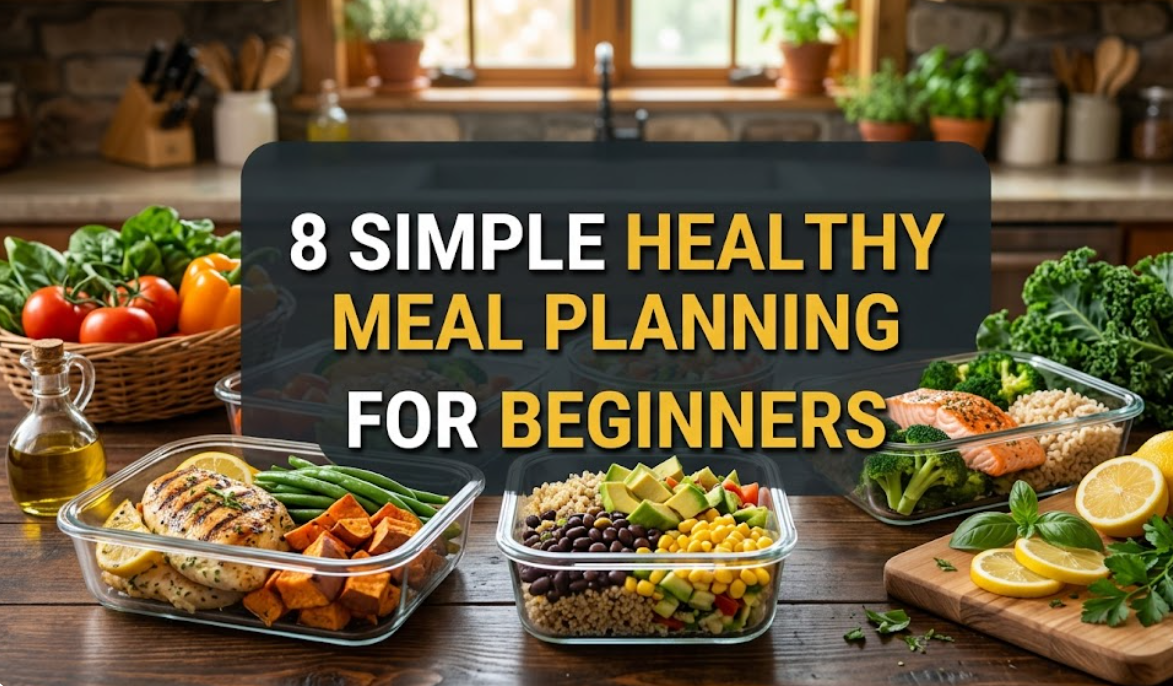
Getting started with healthy meal planning can feel overwhelming at first. There are endless recipes, conflicting advice, and the pressure to “do it right.” But the truth is, healthy eating doesn’t have to be complicated. In fact, the most sustainable meal plans are often built around simple, repeatable meals that are easy to prepare and flexible enough to suit your lifestyle.
This guide walks you through eight simple, beginner-friendly meals that can anchor your weekly plan. Along the way, you’ll also find practical tables, planning charts, and realistic strategies to help you stay consistent without burning out.
why simple meal planning works for beginners
Before diving into the meals, it’s important to understand why simplicity matters. When you reduce complexity, you:
- Save time on decision-making
- Lower grocery costs
- Reduce food waste
- Build consistency faster
Instead of chasing perfection, you’re building habits—and habits thrive on repetition.
meal planning fundamentals at a glance
Here’s a quick overview of what a balanced meal should include:
| Component | Purpose | Examples |
|---|---|---|
| Protein | Builds and repairs tissues | Chicken, eggs, lentils, yogurt |
| Carbohydrates | Provides energy | Rice, oats, potatoes, whole grain |
| Healthy fats | Supports brain and hormones | Olive oil, nuts, seeds |
| Vegetables | Fiber, vitamins, minerals | Spinach, carrots, broccoli |
| Flavor enhancers | Make meals enjoyable | Herbs, spices, sauces |
- grilled chicken with roasted vegetables
This is one of the easiest and most reliable meals you can prepare. It’s high in protein, rich in nutrients, and endlessly customizable.
ingredients:
- Chicken breast
- Mixed vegetables (carrots, zucchini, bell peppers)
- Olive oil
- Salt, pepper, garlic powder
basic method:
Season the chicken, roast vegetables at 200°C for 20–25 minutes, and grill or pan-cook the chicken until done.
nutrition snapshot:
| Nutrient | Approximate Value |
|---|---|
| Calories | 400–450 |
| Protein | 35g |
| Carbs | 20g |
| Fats | 18g |
planning tip:
Cook extra portions and store for 2–3 days. This meal reheats well and can be used in wraps or salads.
- overnight oats with fruits
Perfect for busy mornings, overnight oats require no cooking and can be prepped in minutes.
ingredients:
- Rolled oats
- Milk or plant-based milk
- Chia seeds
- Fresh fruits (banana, berries)
- Honey or maple syrup
basic method:
Mix everything in a jar and refrigerate overnight.
customization chart:
| Add-on | Benefit |
|---|---|
| Peanut butter | Adds protein & fats |
| Greek yogurt | Boosts creaminess |
| Nuts | Adds crunch |
| Cinnamon | Enhances flavor |
- vegetable stir-fry with rice
This is a quick, budget-friendly option that’s ideal for beginners.
ingredients:
- Mixed vegetables
- Soy sauce
- Garlic and ginger
- Cooked rice
- Optional protein (tofu, chicken, eggs)
basic method:
Stir-fry vegetables on high heat, add sauce, and serve over rice.
time breakdown:
| Task | Time Required |
|---|---|
| Chopping veggies | 10 minutes |
| Cooking | 10 minutes |
| Total | 20 minutes |
- egg and avocado toast
Simple, filling, and nutritious, this meal works for breakfast, lunch, or even a light dinner.
ingredients:
- Whole grain bread
- Eggs
- Avocado
- Salt, pepper, chili flakes
meal balance:
| Component | Source |
|---|---|
| Protein | Eggs |
| Fats | Avocado |
| Carbs | Bread |
variation ideas:
- Add tomatoes
- Use boiled, scrambled, or poached eggs
- Sprinkle seeds for extra crunch
- lentil soup
Lentils are one of the best plant-based protein sources and are very beginner-friendly.
ingredients:
- Lentils
- Onion, garlic
- Tomatoes
- Spices (turmeric, cumin)
batch cooking advantage:
| Batch Size | Servings | Storage Time |
|---|---|---|
| Small | 3–4 | 2–3 days |
| Medium | 5–6 | 4–5 days |
| Large | 8+ | Freezeable |
- baked salmon with quinoa
This meal feels fancy but is surprisingly simple to prepare.
ingredients:
- Salmon fillet
- Quinoa
- Lemon
- Olive oil
- Herbs
nutrition benefits:
| Nutrient | Benefit |
|---|---|
| Omega-3 fats | Heart health |
| Protein | Muscle repair |
| Fiber (quinoa) | Digestion support |
- chicken and vegetable wraps
Wraps are versatile and perfect for using leftovers.
ingredients:
- Whole wheat wraps
- Cooked chicken
- Vegetables
- Yogurt or hummus
assembly guide:
| Step | Action |
|---|---|
| 1 | Spread sauce |
| 2 | Add protein |
| 3 | Add vegetables |
| 4 | Wrap tightly |
- yogurt parfait
This is a quick snack or light meal that requires no cooking.
ingredients:
- Greek yogurt
- Granola
- Fruits
- Honey
layering structure:
| Layer | Ingredient |
|---|---|
| Base | Yogurt |
| Mid | Fruit |
| Top | Granola |
weekly beginner meal plan example
Here’s how you can combine these meals into a simple weekly plan:
| Day | Breakfast | Lunch | Dinner |
|---|---|---|---|
| Monday | Overnight oats | Chicken wrap | Grilled chicken & veggies |
| Tuesday | Yogurt parfait | Lentil soup | Stir-fry with rice |
| Wednesday | Avocado toast | Leftover stir-fry | Salmon with quinoa |
| Thursday | Overnight oats | Chicken wrap | Lentil soup |
| Friday | Yogurt parfait | Salad + chicken | Stir-fry |
| Saturday | Eggs & toast | Leftovers | Grilled chicken |
| Sunday | Flexible | Flexible | Flexible |
grocery planning chart
Use this chart to simplify your shopping:
| Category | Items |
|---|---|
| Proteins | Chicken, eggs, lentils, salmon |
| Carbs | Rice, oats, quinoa, bread |
| Vegetables | Spinach, carrots, peppers, onions |
| Fruits | Bananas, apples, berries |
| Extras | Olive oil, spices, yogurt |
common beginner mistakes to avoid
Many beginners struggle not because of lack of effort, but because of unrealistic expectations.
- Trying too many new recipes at once
- Buying ingredients without a plan
- Ignoring portion sizes
- Skipping meal prep entirely
- Overcomplicating meals
A good rule: if a recipe has more than 10 ingredients, skip it for now.
time-saving strategies
| Strategy | Benefit |
|---|---|
| Batch cooking | Saves time during week |
| Pre-cut vegetables | Reduces prep effort |
| Simple seasonings | Faster cooking |
| Repeating meals | Less decision fatigue |
how to stay consistent
Consistency is more important than perfection. Start small:
- Pick 2–3 meals and rotate them
- Prep ingredients, not full meals
- Keep emergency options (like yogurt or eggs)
- Accept imperfect days
Progress builds over weeks, not days.
frequently asked questions
- how many meals should I plan per week?
Start with planning 2–3 meals and repeat them. As you get comfortable, expand gradually. - can I meal prep without cooking everything in advance?
Yes. You can prep ingredients like chopped vegetables, cooked rice, or grilled chicken and assemble meals daily. - how do I avoid getting bored with simple meals?
Change sauces, spices, or presentation. Even small tweaks can make meals feel different. - is it expensive to eat healthy?
Not necessarily. Meals like lentil soup, oats, and rice-based dishes are very affordable. - how long can I store meal-prepped food?
Most meals last 3–4 days in the refrigerator. Soups and cooked proteins can also be frozen. - what’s the easiest meal to start with?
Overnight oats and grilled chicken with vegetables are among the simplest and most reliable options.
final thoughts
Healthy meal planning doesn’t require advanced cooking skills or expensive ingredients. By focusing on simple meals, balanced nutrition, and repeatable routines, you create a system that works in real life—not just on paper.
Start with these eight meals, adjust them to your taste, and give yourself time to build the habit. The goal isn’t perfection—it’s consistency, simplicity, and steady progress.