
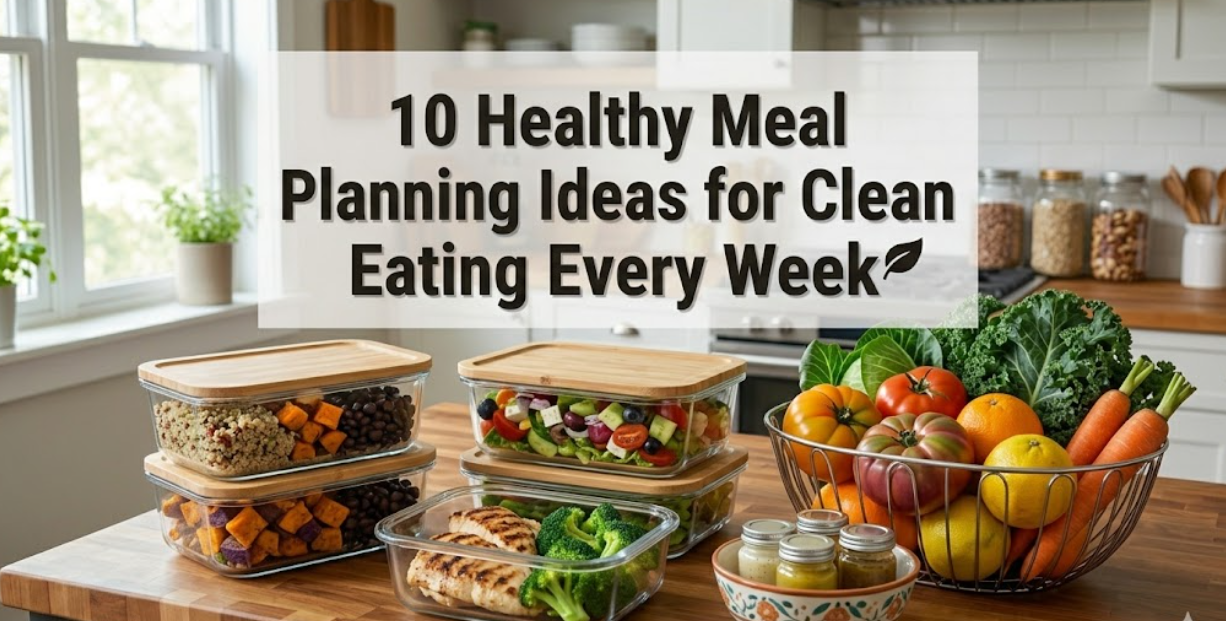
Clean eating isn’t about strict rules or eliminating entire food groups. It’s more about making intentional choices—leaning toward whole foods, minimizing highly processed ingredients, and building meals that nourish without overcomplicating your routine. Weekly meal planning becomes the bridge between good intentions and actual habits. Without a plan, even the most motivated eater can fall back into convenience-driven choices.
This guide explores ten practical, realistic meal planning ideas that make clean eating sustainable week after week. You’ll find detailed examples, planning frameworks, and tables that simplify decision-making rather than overwhelm it.
understanding clean eating in a practical way
Before jumping into meal ideas, it helps to define what “clean eating” realistically looks like in everyday life:
- Whole or minimally processed foods
- Balanced macronutrients (protein, carbs, fats)
- Limited added sugars and refined grains
- Plenty of vegetables and fruits
- Smart portion awareness—not restriction
Instead of perfection, aim for consistency.
- build your week around a simple meal template
One of the easiest ways to maintain clean eating is to stop reinventing meals daily. A weekly template reduces mental fatigue.
Example weekly structure:
| Day | Breakfast | Lunch | Dinner |
|---|---|---|---|
| Monday | Oats + fruit | Chicken salad | Veg stir-fry |
| Tuesday | Eggs + toast | Quinoa bowl | Grilled fish |
| Wednesday | Smoothie | Lentil soup | Chicken + veggies |
| Thursday | Yogurt + nuts | Rice bowl | Turkey stir-fry |
| Friday | Oats | Salad wrap | Baked chicken |
| Saturday | Eggs | Leftovers | Family meal |
| Sunday | Smoothie | Light salad | Meal prep dinner |
This doesn’t limit creativity—it simply creates a dependable framework.
- rotate protein sources to avoid boredom
Clean eating becomes monotonous when protein sources don’t vary. Rotating them weekly keeps meals interesting and nutritionally diverse.
Protein rotation example:
| Day | Protein Source |
|---|---|
| Monday | Chicken |
| Tuesday | Lentils |
| Wednesday | Fish |
| Thursday | Chickpeas |
| Friday | Turkey |
| Saturday | Eggs |
| Sunday | Beans |
This method also helps balance costs and ensures a wider intake of nutrients.
- prep ingredients, not just meals
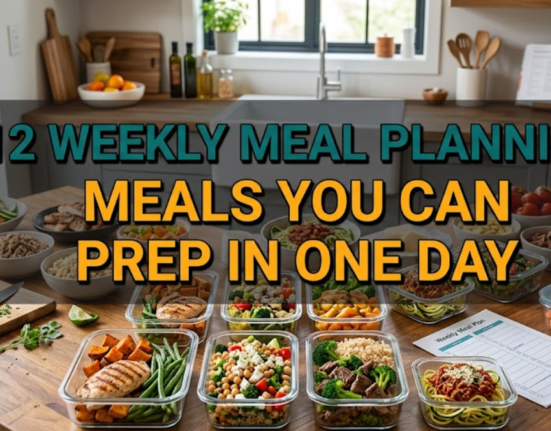
Instead of cooking full meals in advance, prepping components gives flexibility.
Ingredient prep list:
| Ingredient | Prep Method | Storage Life |
|---|---|---|
| Brown rice | Cook in bulk | 4–5 days |
| Grilled chicken | Slice & refrigerate | 3–4 days |
| Roasted veggies | Store in containers | 4 days |
| Boiled eggs | Keep unpeeled | 5–7 days |
| Chopped greens | Airtight container | 3 days |
With these basics ready, meals can be assembled quickly without feeling repetitive.
- use the “balanced plate” rule
Instead of counting calories, structure each meal visually:
- 50% vegetables
- 25% protein
- 25% whole grains or healthy carbs
Example:
| Meal Component | Example Foods |
|---|---|
| Vegetables | Spinach, broccoli, carrots |
| Protein | Chicken, tofu, beans |
| Carbs | Brown rice, quinoa, sweet potato |
This simple rule keeps meals aligned with clean eating principles.
- plan one “flex meal” per week
Rigid plans often fail because they don’t allow flexibility. Including one relaxed meal prevents burnout.
Flex meal guidelines:
- Still prioritize whole ingredients
- Allow moderate indulgence
- Avoid labeling it as a “cheat”
Example: homemade burger with whole-grain bun and baked fries.
- embrace batch cooking for staples
Batch cooking doesn’t mean eating the same meal repeatedly—it means preparing foundational items.
Batch cooking ideas:
| Food Item | Uses Across Meals |
|---|---|
| Quinoa | Bowls, salads, side dish |
| Roasted chicken | Wraps, salads, main dish |
| Beans | Soups, tacos, bowls |
| Sweet potatoes | Breakfast, lunch bowls, sides |
This approach cuts down cooking time dramatically during the week.
- keep breakfast simple and repeatable
Breakfast doesn’t need variety every day. In fact, repetition can improve consistency.
Healthy breakfast rotation:
| Option | Prep Time | Nutritional Benefit |
|---|---|---|
| Overnight oats | 5 mins | Fiber + slow carbs |
| Boiled eggs + toast | 10 mins | Protein + healthy fats |
| Smoothie | 5 mins | Vitamins + hydration |
| Yogurt + nuts | 3 mins | Probiotics + protein |
Pick 2–3 options and rotate them weekly.
- design meals around seasonal produce
Seasonal foods are fresher, cheaper, and more nutrient-dense.
Example seasonal planning chart:
| Season | Vegetables | Fruits |
|---|---|---|
| Winter | Carrots, spinach | Oranges, apples |
| Spring | Asparagus, peas | Strawberries |
| Summer | Zucchini, tomatoes | Mangoes, berries |
| Autumn | Pumpkin, sweet potato | Pears, grapes |
Using seasonal ingredients naturally supports clean eating.
- build a “go-to meal list” for busy days
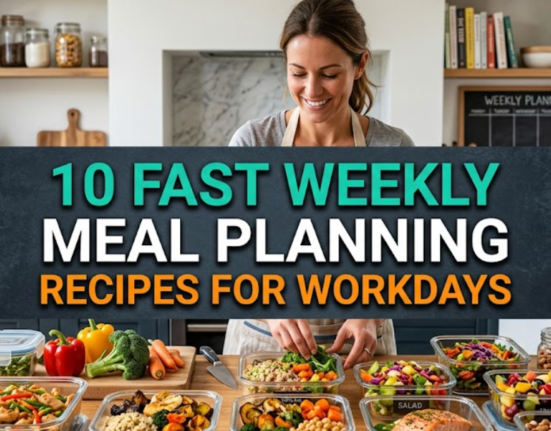
Some days don’t go as planned. Having backup meals prevents unhealthy choices.
Quick clean meals:
| Meal Idea | Time Required |
|---|---|
| Veggie omelette | 10 minutes |
| Tuna salad | 5 minutes |
| Chicken wrap | 10 minutes |
| Smoothie bowl | 5 minutes |
| Stir-fried veggies | 15 minutes |
These meals should require minimal effort and ingredients.
- track patterns, not perfection
Instead of strict tracking, observe habits weekly:
- Are vegetables included daily?
- Are processed foods decreasing?
- Are meals balanced?
Weekly reflection table:
| Category | Rating (1–5) | Notes |
|---|---|---|
| Vegetable intake | ||
| Protein balance | ||
| Sugar intake | ||
| Meal consistency |
This keeps progress measurable without becoming overwhelming.
sample weekly clean eating plan
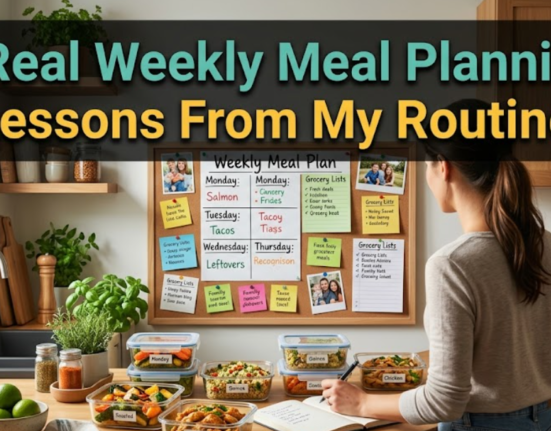
Here’s a realistic weekly plan combining all ideas:
| Day | Breakfast | Lunch | Dinner |
|---|---|---|---|
| Monday | Oats + berries | Chicken salad | Stir-fry veggies |
| Tuesday | Eggs + toast | Quinoa bowl | Grilled fish |
| Wednesday | Smoothie | Lentil soup | Chicken + broccoli |
| Thursday | Yogurt + nuts | Rice bowl | Turkey stir-fry |
| Friday | Oats | Salad wrap | Baked chicken |
| Saturday | Eggs | Leftovers | Homemade flex meal |
| Sunday | Smoothie | Light salad | Meal prep dishes |
nutritional balance chart
| Nutrient | Daily Goal | Food Sources |
|---|---|---|
| Protein | 20–30% of intake | Chicken, beans, eggs |
| Carbohydrates | 40–50% | Whole grains, fruits |
| Fats | 20–30% | Nuts, olive oil, avocado |
| Fiber | 25–35g | Vegetables, legumes |
common mistakes to avoid
- Overcomplicating meals
- Cutting out entire food groups
- Not planning for busy days
- Ignoring portion balance
- Trying to be perfect
Clean eating works best when it fits your lifestyle, not when it controls it.
frequently asked questions
- is clean eating expensive?
Not necessarily. Buying seasonal produce, cooking at home, and using staples like beans and grains can actually reduce costs. - can i eat carbs while clean eating?
Yes. Whole carbohydrates like brown rice, oats, and fruits are essential for energy and should be included regularly. - how long does meal prep take each week?
Most people can prepare ingredients in 1–2 hours, especially when focusing on batch cooking staples instead of full meals. - do i need to avoid all processed foods?
No. The goal is to minimize highly processed foods, not eliminate everything. Some convenience items can still fit into a clean eating plan. - what if i get bored with my meals?
Rotate ingredients weekly, especially proteins and vegetables, and experiment with simple spices or cooking methods. - is clean eating good for weight loss?
It can support weight loss because it emphasizes nutrient-dense foods and balanced meals, but results depend on overall habits and consistency.
Clean eating isn’t about rigid discipline—it’s about creating a system that quietly supports better choices. When weekly meal planning becomes a habit rather than a chore, healthy eating starts to feel natural instead of forced.