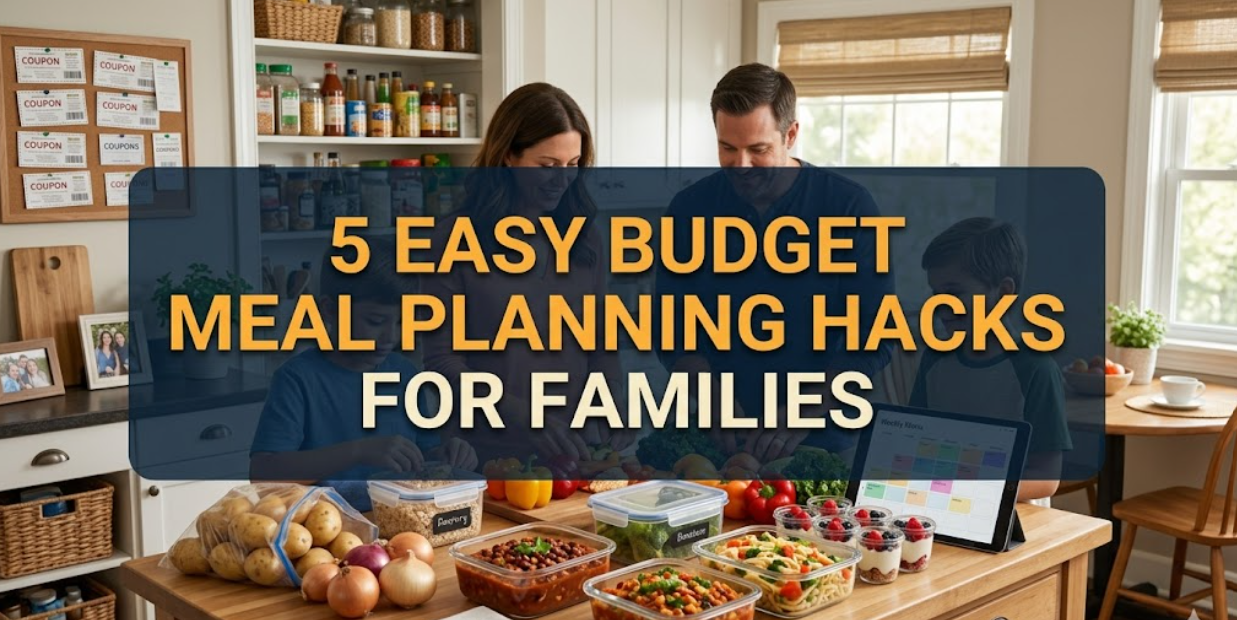
Meal planning sounds simple when you hear about it, but for families—especially those juggling work, school, and rising grocery prices—it can feel like a constant balancing act. You want to feed everyone well, keep costs down, avoid waste, and somehow still have time left in the day. That’s where a few practical, realistic hacks can make a noticeable difference.
This isn’t about rigid systems or perfectly curated weekly menus. It’s about flexible strategies that real families can stick to, even on busy weeks. The five hacks below focus on saving money without adding stress, and they’re designed to work whether you’re cooking for two people or a full household.
hack 1: build meals around a rotating “core list”
One of the most effective ways to reduce grocery spending is to stop reinventing your meal plan every single week. Families often overspend because they constantly try new recipes, which usually require buying unique ingredients that get used once and forgotten.
Instead, create a rotating list of “core meals” your family already enjoys. These are dishes you know how to cook, ingredients you recognize, and meals that don’t get complaints at the table.
Think of this as your personal menu library.
examples of core meals
- Chicken curry with rice
- Spaghetti with simple tomato sauce
- Lentil daal with roti
- Vegetable stir-fry with noodles
- Baked potatoes with toppings
- Egg fried rice
Once you have about 10–15 meals, you can rotate them weekly. This eliminates guesswork and reduces impulse purchases.
why this saves money
- You buy familiar ingredients in bulk
- You avoid one-time-use items
- You reduce food waste
- You simplify grocery lists
sample weekly rotation table
| Day | Meal | Main Ingredients | Estimated Cost |
|---|---|---|---|
| Monday | Chicken curry + rice | Chicken, spices, rice | $5–7 |
| Tuesday | Lentil daal + roti | Lentils, flour | $3–4 |
| Wednesday | Pasta with sauce | Pasta, tomatoes | $4–5 |
| Thursday | Stir-fry noodles | Vegetables, noodles | $4–6 |
| Friday | Fried rice | Rice, eggs, leftovers | $3–5 |
| Saturday | Baked potatoes | Potatoes, toppings | $4–6 |
| Sunday | Leftovers or simple meal | Mixed | $0–3 |
Over time, this system becomes automatic. You stop overthinking meals and start focusing on efficiency.
hack 2: shop your kitchen before the store
This sounds obvious, but it’s one of the most overlooked habits. Many families buy groceries without checking what they already have, leading to duplicates and waste.
Before planning meals, take 10 minutes to check:
- The fridge
- The freezer
- The pantry
Write down what needs to be used soon. Then build your meal plan around those ingredients.
example
If you already have:
- Half a bag of rice
- Frozen vegetables
- Eggs
You can plan:
- Fried rice
- Vegetable omelets
- Rice bowls
instead of buying new items.
kitchen inventory chart
| Category | Items Available | Use Soon? | Planned Meal |
|---|---|---|---|
| Pantry | Rice, lentils | No | Daal + rice |
| Fridge | Spinach, yogurt | Yes | Spinach curry |
| Freezer | Mixed vegetables | No | Stir-fry noodles |
| Misc | Eggs | Yes | Omelet night |
benefits
- Cuts grocery bills immediately
- Reduces food waste
- Encourages creative cooking
- Prevents overbuying
This habit alone can shave 15–25% off weekly grocery costs if done consistently.
hack 3: embrace “theme nights” for structure
Decision fatigue is real. Families often overspend because they don’t know what to cook, so they buy random items or order takeout.
Theme nights simplify decisions while keeping variety.
common theme night ideas
- Meatless Monday
- Taco Tuesday
- Pasta Wednesday
- Leftover Thursday
- Pizza Friday
- Soup Saturday
You don’t need to follow popular themes exactly—create your own based on what your family likes.
example weekly theme structure
| Day | Theme | Example Meal |
|---|---|---|
| Monday | Meatless | Lentil curry |
| Tuesday | Rice-based | Chicken rice bowl |
| Wednesday | Pasta | Spaghetti |
| Thursday | Leftovers | Mixed plates |
| Friday | Comfort food | Homemade pizza |
| Saturday | Quick meals | Sandwiches or wraps |
| Sunday | Family favorite | Roast or special dish |
why this works
- Limits decision fatigue
- Reduces last-minute spending
- Keeps meals predictable but flexible
- Makes grocery shopping easier
Instead of planning seven unique meals, you’re just filling in categories.
hack 4: buy in bulk—but only the right things
Bulk buying can save money, but it can also lead to waste if done incorrectly. The key is knowing what to buy in bulk and what to avoid.
good bulk items
- Rice
- Lentils and beans
- Pasta
- Flour
- Frozen vegetables
- Cooking oil
avoid bulk buying
- Fresh produce (unless you’ll use it quickly)
- Dairy (short shelf life)
- Snacks (encourages overeating)
bulk savings comparison
| Item | Small Pack Price | Bulk Price | Savings (%) |
|---|---|---|---|
| Rice (1kg) | $2.50 | $9 (5kg) | ~28% |
| Lentils (500g) | $1.80 | $6 (2kg) | ~33% |
| Pasta | $1.50 | $5 (4 packs) | ~17% |
storage tips
- Use airtight containers
- Label purchase dates
- Store in cool, dry areas
- Freeze what you can
Bulk buying works best when paired with your core meal list, because you know exactly what you’ll use.
hack 5: cook once, eat twice (or more)
Cooking every single day is time-consuming and expensive. Batch cooking allows you to prepare larger portions and reuse them across multiple meals.
examples
- Cook extra rice → use for fried rice later
- Roast chicken → use leftovers for sandwiches
- Make large curry → eat for 2–3 days
meal reuse chart
| Original Meal | Next Meal Idea | Third Use Option |
|---|---|---|
| Roast chicken | Chicken sandwiches | Chicken soup |
| Rice | Fried rice | Rice bowls |
| Lentil curry | Wrap filling | Soup base |
| Pasta sauce | Pizza topping | Shakshuka-style eggs |
benefits
- Saves cooking time
- Reduces energy costs
- Minimizes food waste
- Makes busy days easier
This is especially helpful for families with working parents or school-going children.
real-life weekly budget example
Let’s compare two scenarios: unplanned shopping vs structured meal planning.
| Category | Unplanned Week | Planned Week |
|---|---|---|
| Groceries | $120 | $80 |
| Takeout | $40 | $10 |
| Food Waste | $15 | $5 |
| Total | $175 | $95 |
That’s an $80 difference in just one week.
over a month, that’s over $300 saved.
simple grocery planning template
Use this format each week:
| Category | Items Needed | Budget | Notes |
|---|---|---|---|
| Grains | Rice, pasta | $15 | Bulk purchase |
| Proteins | Chicken, eggs | $20 | Freeze extras |
| Vegetables | Spinach, onions | $15 | Use quickly |
| Pantry | Spices, oil | $10 | Refill basics |
| Misc | Snacks | $10 | Limit spending |
| Total | — | $70 | Stay within limit |
practical tips to make it stick
Start small. Don’t try all five hacks at once. Pick one or two and build from there.
Involve your family. Let kids help choose meals—it reduces complaints and waste.
Keep it flexible. Life happens. Swap meals when needed instead of abandoning the plan.
Track spending. Even a simple notebook helps you stay aware.
don’t aim for perfection. Aim for consistency.
common mistakes to avoid
- Overplanning complicated meals
- Buying ingredients without a clear use
- Ignoring leftovers
- Shopping while hungry
- Not checking what’s already at home
These small mistakes add up quickly, but they’re easy to fix once you notice them.
long-term impact of budget meal planning
Meal planning isn’t just about saving money this week. Over time, it creates habits that improve your entire household routine.
You’ll notice:
- Less stress around meals
- Fewer last-minute takeout orders
- More control over spending
- Better use of ingredients
It becomes part of your lifestyle rather than a chore.
faqs
- how do i start meal planning if i’ve never done it before?
Start with 3–4 simple meals you already know. Plan just a few days instead of a full week. Build gradually as you get comfortable. - how can i meal plan on a very tight budget?
Focus on low-cost staples like rice, lentils, eggs, and seasonal vegetables. Avoid processed foods and prioritize homemade meals. - what if my family gets bored of the same meals?
Rotate meals every 2–3 weeks and make small changes, like different spices or sides, to keep things interesting. - is meal planning time-consuming?
At first, it takes about 30–60 minutes per week. Over time, it becomes faster as you reuse plans and build habits. - how do i reduce food waste while meal planning?
Plan meals around ingredients you already have, store food properly, and use leftovers creatively. - can meal planning really save money?
Yes. Most families save 20–40% on food costs by reducing waste, avoiding impulse buys, and cutting down on takeout.
Meal planning doesn’t need to be complicated or restrictive. With a few smart habits, it can become one of the easiest ways to save money while keeping your family well-fed and stress levels low.