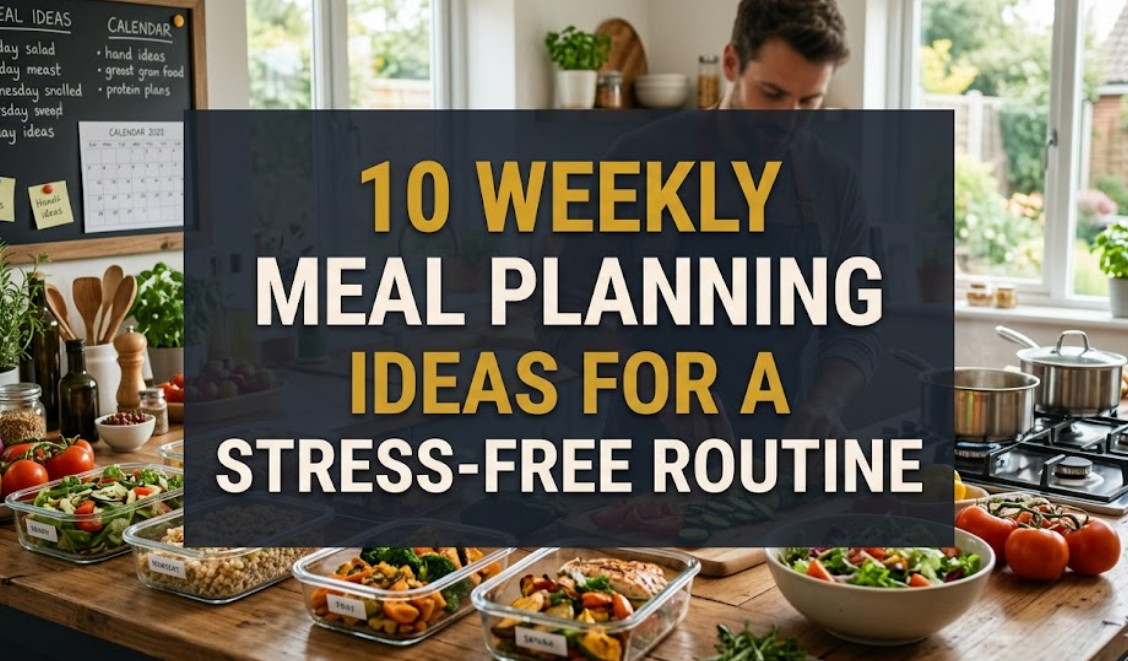
Meal planning is one of the most practical habits you can develop to simplify your life. In a world where schedules are tight and energy is limited, deciding what to eat every day can become an exhausting task. A well-structured weekly meal plan removes that daily burden, saves money, reduces food waste, and supports healthier eating habits.
Many people struggle not because meal planning is difficult, but because they approach it without a clear system. The key is to create a routine that works for your lifestyle rather than trying to follow rigid rules. This article explores ten detailed weekly meal planning ideas that can transform your routine into something smooth, efficient, and even enjoyable.
Understanding the importance of meal planning
Before diving into specific ideas, it helps to understand why meal planning matters. It is not just about food; it is about managing time, energy, and resources. When meals are planned ahead, grocery shopping becomes faster, cooking becomes more predictable, and last-minute unhealthy choices are minimized.
Meal planning also reduces decision fatigue. Every decision we make throughout the day consumes mental energy. By planning meals in advance, you eliminate one major category of daily decisions.
Here is a quick overview of the core benefits:
| Benefit | Explanation |
|---|---|
| Time saving | Fewer daily decisions and less time spent thinking about meals |
| Cost efficiency | Reduced impulse purchases and better use of ingredients |
| Health improvement | More balanced meals and controlled portion sizes |
| Reduced waste | Ingredients are used intentionally instead of being forgotten |
| Lower stress | No last-minute scrambling to prepare food |
Idea 1: Theme-based weekly planning
One of the simplest ways to structure your meals is by assigning themes to each day of the week. This reduces decision-making and creates a predictable rhythm.
Example:
| Day | Theme |
| Monday | Meatless meals |
| Tuesday | Tacos or wraps |
| Wednesday | Pasta night |
| Thursday | Stir-fry |
| Friday | Comfort food |
| Saturday | Try something new |
| Sunday | Family favorite |
This system works well because it narrows your choices. Instead of thinking about hundreds of possible dishes, you only think within a specific category.
Idea 2: Batch cooking for the week
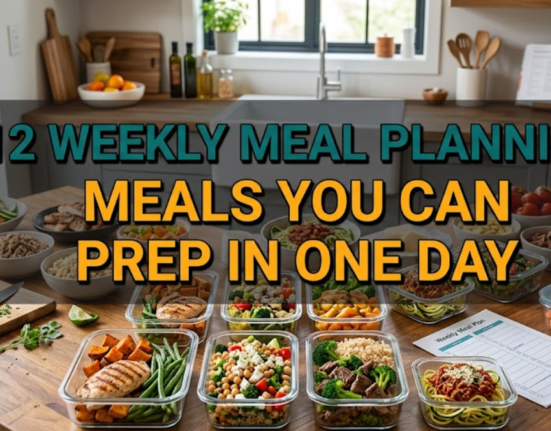
Batch cooking involves preparing large quantities of food at once and storing portions for later use. This is especially helpful for people with busy weekdays.
You can cook staples like rice, grilled chicken, roasted vegetables, or lentils and then mix and match them throughout the week.
Example batch cooking plan:
| Food Item | Quantity | Usage Across Week |
| Cooked rice | 6 cups | Stir-fry, bowls, side dishes |
| Grilled chicken | 1 kg | Salads, wraps, sandwiches |
| Roasted veggies | Tray | Side dish, pasta addition, bowls |
| Lentil curry | Pot | Lunch or dinner |
Batch cooking reduces cooking time on weekdays and ensures you always have something ready.
Idea 3: The 2-2-2 method
This method is simple and effective. Each week you plan:
- 2 breakfast options
- 2 lunch options
- 2 dinner options
You rotate these meals throughout the week.
Example:
| Meal Type | Options |
| Breakfast | Oatmeal, Eggs & toast |
| Lunch | Chicken salad, Rice bowl |
| Dinner | Pasta, Stir-fry |
This reduces planning complexity while still providing variety.
Idea 4: Ingredient-focused planning
Instead of planning meals, you can plan around key ingredients. Choose 2–3 main ingredients and build meals around them.
For example, if you choose chicken, spinach, and potatoes:
| Meal | Dish Idea |
| Dinner 1 | Grilled chicken with potatoes |
| Lunch | Chicken spinach salad |
| Dinner 2 | Chicken curry with potatoes |
| Snack | Spinach omelette |
This method reduces waste and simplifies grocery shopping.
Idea 5: One-pot and sheet pan meals
To minimize cleanup and effort, dedicate part of your week to one-pot or sheet pan meals. These meals are cooked in a single vessel, saving time and reducing dishes.
Examples include:
| Meal Type | Example Dish |
| One-pot meal | Chicken rice |
| Sheet pan | Roasted chicken and veggies |
| One-pot pasta | Creamy vegetable pasta |
This approach is ideal for weekdays when energy levels are low.
Idea 6: Pre-prepped ingredients strategy
Instead of cooking full meals, you can prepare ingredients in advance. Chop vegetables, marinate proteins, and portion snacks.
Weekly prep example:
| Ingredient | Prep Method | Storage Duration |
| Onions | Chopped | 3–4 days |
| Chicken | Marinated | 2–3 days |
| Carrots | Sliced | 5 days |
| Fruits | Washed & cut | 2–3 days |
This reduces cooking time significantly and makes meal assembly faster.
Idea 7: Freezer-friendly meal planning
Freezing meals allows you to cook once and eat multiple times without effort. This is especially useful for emergencies or busy days.
Freezer meal ideas:
| Meal | Freezer Friendly | Reheating Method |
| Soup | Yes | Stovetop or microwave |
| Curry | Yes | Stovetop |
| Pasta sauce | Yes | Microwave |
| Cooked rice | Yes | Microwave |
Having freezer meals ensures you never run out of options.
Idea 8: Flexible meal slots
Not every day needs a fixed meal. Keep 1–2 days flexible for leftovers, dining out, or spontaneous cooking.
Example weekly layout:
| Day | Plan Type |
| Monday | Planned |
| Tuesday | Planned |
| Wednesday | Flexible |
| Thursday | Planned |
| Friday | Flexible |
| Weekend | Open |
Flexibility prevents burnout and keeps meal planning sustainable.
Idea 9: Family-involved planning
If you live with others, involve them in meal planning. This increases satisfaction and reduces complaints.
You can create a simple voting system:
| Family Member | Meal Choice |
| Person 1 | Pasta |
| Person 2 | Chicken curry |
| Person 3 | Pizza |
This ensures everyone feels included and meals are more enjoyable.
Idea 10: Digital or visual meal planner
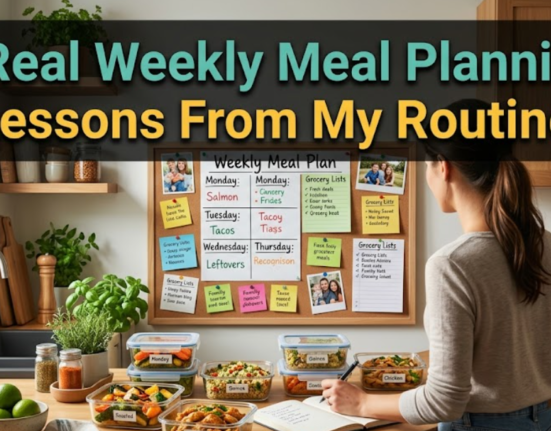
Using a visual system like a whiteboard or digital planner can make meal planning easier and more engaging.
Example layout:
| Day | Breakfast | Lunch | Dinner |
| Monday | Oats | Salad | Stir-fry |
| Tuesday | Eggs | Rice bowl | Pasta |
| Wednesday | Smoothie | Leftovers | Curry |
Having a visible plan helps you stay consistent and organized.
Combining multiple strategies
The most effective meal planning systems combine several of these ideas. For example, you can use theme-based planning along with batch cooking and freezer meals.
Sample combined plan:
| Strategy Used | Application Example |
| Theme days | Pasta Wednesday |
| Batch cooking | Cook rice and chicken on Sunday |
| Freezer meals | Store curry portions |
| Flexible days | Friday and Sunday |
This hybrid approach creates a balanced and adaptable system.
Common mistakes to avoid
Even with the best strategies, certain mistakes can make meal planning stressful.
| Mistake | Solution |
| Overplanning | Keep meals simple |
| No flexibility | Add buffer days |
| Ignoring preferences | Include favorite meals |
| Buying too much | Stick to a shopping list |
| Skipping prep | Dedicate 1–2 hours weekly |
Avoiding these pitfalls makes the process smoother.
Practical weekly workflow
A simple weekly workflow can help you stay consistent:
| Step | Task Description |
| Step 1 | Choose meals for the week |
| Step 2 | Make a grocery list |
| Step 3 | Shop for ingredients |
| Step 4 | Prep or cook in advance |
| Step 5 | Follow plan with flexibility |
Consistency is more important than perfection.
Frequently Asked Questions (FAQs)
- How long does meal planning take each week?
Meal planning usually takes 30 to 60 minutes once you get used to it. Initial weeks may take longer, but it becomes quicker over time. - Is meal planning suitable for small households?
Yes, it works for individuals as well. In fact, it helps reduce waste and ensures balanced meals even when cooking for one. - What if I get bored of planned meals?
You can include flexible days or swap meals during the week. Planning does not mean rigidly sticking to the schedule. - How can I save money through meal planning?
By buying only what you need, avoiding takeout, and using ingredients efficiently, meal planning significantly reduces food expenses. - Do I need special tools or apps?
No, a simple notebook or spreadsheet works fine. Digital apps can help but are not necessary. - How do I handle unexpected schedule changes?
Keep backup meals such as freezer items or quick recipes. Flexibility is key to maintaining the routine.
Conclusion
Meal planning is not about strict rules or complicated systems. It is about creating a routine that reduces stress and supports your lifestyle. By experimenting with different approaches such as themed days, batch cooking, and flexible planning, you can find a system that works best for you.
The goal is not perfection but consistency. Even small steps toward planning can make a significant difference in your daily routine. Over time, meal planning becomes second nature, turning what was once a daily challenge into a simple, stress-free habit.