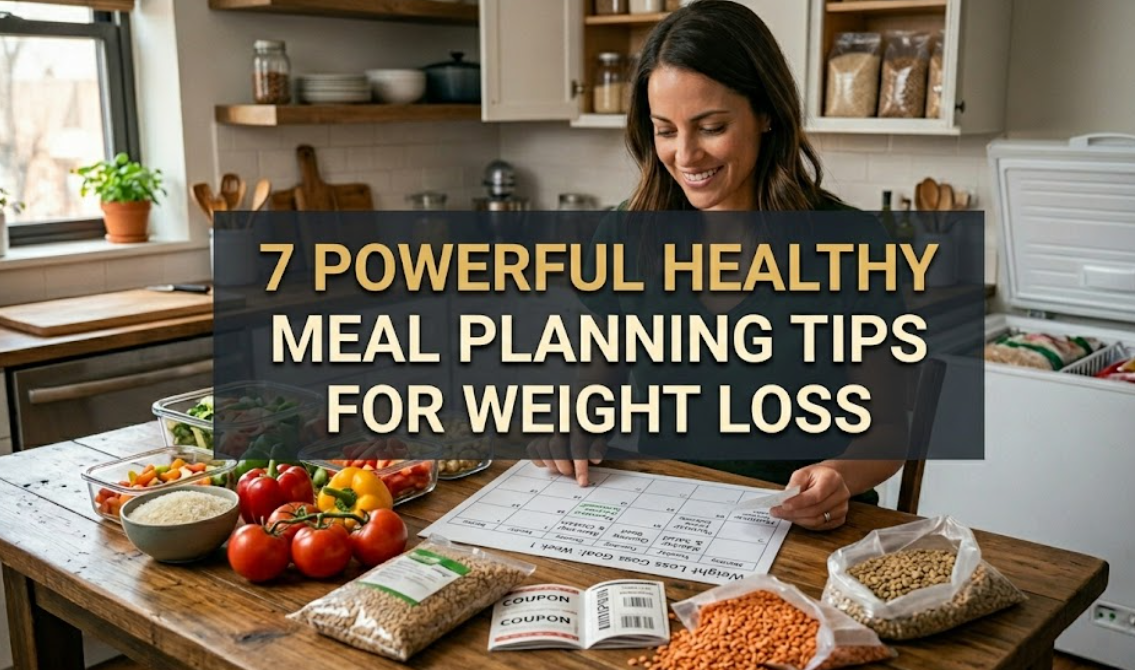
Healthy meal planning is often presented as a rigid system of calorie counting, strict food rules, and repetitive eating. In reality, it is far more flexible and personal. When done right, it becomes a sustainable habit that not only supports weight loss but also improves energy levels, mental clarity, and overall well-being.
This article explores seven practical and powerful meal planning tips that are grounded in real-life experience rather than theory. You’ll find detailed explanations, examples, and structured tables to help you implement these strategies without feeling overwhelmed.
understanding the foundation of healthy meal planning
Before diving into specific tips, it’s important to understand what healthy meal planning actually means. At its core, it’s about making intentional food choices in advance so that you’re not relying on impulse decisions when you’re hungry, tired, or stressed.
Weight loss happens when there is a consistent calorie deficit, but how you achieve that deficit matters. Extreme dieting often leads to burnout, while thoughtful planning creates consistency.
Here’s a simple breakdown:
| Element | Purpose | Example |
|---|---|---|
| Calories | Control energy intake | Portion control |
| Macronutrients | Balance nutrition | Protein, carbs, fats |
| Meal timing | Maintain energy and reduce overeating | Regular meal intervals |
| Food quality | Improve health and satiety | Whole foods vs processed |
tip 1: plan meals around protein first
Protein is one of the most powerful nutrients for weight loss. It helps you feel full longer, preserves muscle mass, and reduces cravings.
Instead of starting your meal plan with carbs or convenience foods, begin by choosing a protein source for each meal. This simple shift can dramatically improve your results.
examples of protein-first planning:
| Meal | Protein Source | Add-ons |
|---|---|---|
| Breakfast | Eggs | Spinach, whole-grain toast |
| Lunch | Grilled chicken | Brown rice, vegetables |
| Dinner | Lentils | Salad, yogurt |
| Snack | Greek yogurt | Nuts, fruit |
When protein is prioritized, meals naturally become more balanced. You’ll also notice fewer urges to snack unnecessarily.
tip 2: create a flexible weekly structure, not a strict menu
Many people fail at meal planning because they try to follow a rigid schedule. Life rarely goes exactly as planned, so flexibility is essential.
Instead of assigning exact meals to each day, create a pool of meal options for the week. Then choose based on your mood, schedule, or available ingredients.
example of flexible planning:
| Category | Options |
|---|---|
| Breakfast | Oatmeal, eggs, smoothie |
| Lunch | Chicken salad, lentil soup, wrap |
| Dinner | Stir-fry, grilled fish, vegetable curry |
| Snacks | Fruit, yogurt, nuts |
This approach reduces decision fatigue without making you feel restricted.
tip 3: batch cooking saves time and prevents poor choices
One of the biggest barriers to healthy eating is lack of time. When you’re hungry and busy, convenience often wins.
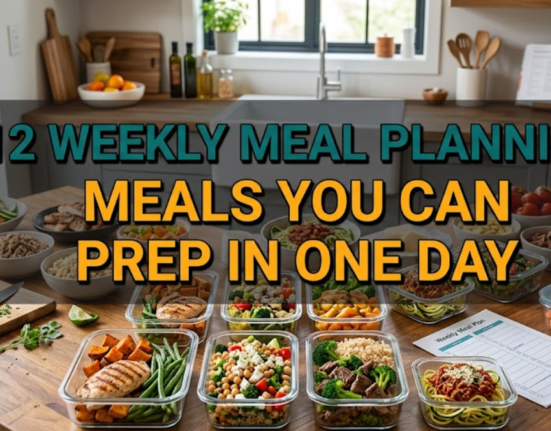
Batch cooking allows you to prepare multiple portions at once, ensuring that healthy meals are always available.
simple batch cooking plan:
| Food Item | Quantity Cooked | Servings | Storage Time |
|---|---|---|---|
| Grilled chicken | 1 kg | 5–6 | 3–4 days |
| Brown rice | 3 cups | 6 | 4–5 days |
| Roasted veggies | 1 tray | 4 | 3 days |
| Boiled eggs | 10 | 5 | 1 week |
With pre-prepared components, assembling meals becomes quick and effortless.
tip 4: balance your plate visually
A simple way to maintain portion control without measuring everything is to use the visual plate method.
Imagine your plate divided into sections:
| Plate Section | Food Type | Example |
|---|---|---|
| 50% | Vegetables | Broccoli, spinach |
| 25% | Protein | Chicken, beans |
| 25% | Carbohydrates | Rice, potatoes |
| Small portion | Healthy fats | Olive oil, nuts |
This method works because it naturally limits calorie intake while ensuring nutritional balance.
tip 5: keep healthy convenience foods available
Healthy eating doesn’t always mean cooking from scratch. Having convenient, nutritious options on hand can prevent unhealthy choices.
stock your kitchen with:
| Category | Examples |
|---|---|
| Ready proteins | Canned tuna, boiled eggs |
| Quick carbs | Whole-grain bread, oats |
| Snacks | Nuts, fruit, yogurt |
| Frozen foods | Vegetables, berries |
These items act as a safety net when you don’t have time or energy to cook.
tip 6: plan for cravings instead of fighting them
Trying to eliminate cravings completely often backfires. Instead, plan for them in a controlled way.
For example, if you enjoy sweets, include a small portion in your weekly plan rather than avoiding it entirely.
craving management strategy:
| Craving Type | Healthier Alternative | Portion Control Tip |
|---|---|---|
| Sweet | Dark chocolate | 1–2 squares |
| Salty | Roasted chickpeas | Small bowl |
| Crunchy | Air-popped popcorn | 2 cups |
| Creamy | Greek yogurt with honey | Single serving |
This approach reduces guilt and prevents binge eating.
tip 7: track progress, not perfection
Meal planning is not about being perfect every day. It’s about consistency over time.
Instead of focusing on mistakes, track patterns:
| Metric | What to Observe |
|---|---|
| Energy levels | Are you feeling more energetic? |
| Hunger levels | Are cravings decreasing? |
| Weight trend | Weekly average, not daily changes |
| Meal consistency | How often you follow your plan |
Small improvements over time lead to lasting results.
sample weekly meal plan
Here’s a practical example combining all the tips:
| Day | Breakfast | Lunch | Dinner | Snack |
|---|---|---|---|---|
| Monday | Oatmeal | Chicken salad | Stir-fry | Yogurt |
| Tuesday | Eggs | Lentil soup | Grilled fish | Fruit |
| Wednesday | Smoothie | Wrap | Vegetable curry | Nuts |
| Thursday | Oatmeal | Chicken bowl | Stir-fry | Popcorn |
| Friday | Eggs | Salad | Rice & beans | Dark chocolate |
| Saturday | Smoothie | Leftovers | Grilled chicken | Yogurt |
| Sunday | Flexible | Flexible | Flexible | Flexible |
common mistakes in meal planning
Understanding mistakes can help you avoid them:
| Mistake | Why It Happens | Solution |
|---|---|---|
| Overcomplicating meals | Trying new recipes daily | Keep meals simple |
| Skipping meals | Busy schedule | Plan quick options |
| No snacks planned | Ignoring hunger cues | Include healthy snacks |
| Unrealistic expectations | Perfection mindset | Focus on consistency |
practical grocery planning chart
A well-organized grocery list supports your meal plan:
| Category | Items |
|---|---|
| Proteins | Chicken, eggs, lentils, yogurt |
| Carbs | Rice, oats, potatoes |
| Vegetables | Spinach, broccoli, carrots |
| Fruits | Apples, bananas, berries |
| Fats | Olive oil, nuts |
how meal planning impacts weight loss
Meal planning influences weight loss through several mechanisms:
- Reduces impulsive eating
- Improves portion control
- Ensures nutrient balance
- Saves time and mental energy
Over time, these benefits compound, making weight loss more sustainable.
real-life application scenario
Imagine coming home after a long day. Without a plan, you might order fast food. With a plan, you already have pre-cooked chicken, rice, and vegetables ready.
The difference is not willpower—it’s preparation.
long-term sustainability
The goal of meal planning is not temporary weight loss but long-term lifestyle change.
sustainable habits include:
| Habit | Impact |
|---|---|
| Cooking at home | Better control over ingredients |
| Eating regularly | Stable energy levels |
| Planning ahead | Reduced stress |
| Allowing flexibility | Prevents burnout |
frequently asked questions
- how many meals should i eat per day for weight loss
There is no universal number. Most people do well with 3 main meals and 1–2 snacks. The key is maintaining a calorie deficit and avoiding extreme hunger. - can i lose weight without meal planning
Yes, but it is much harder. Meal planning removes guesswork and reduces the likelihood of overeating or choosing unhealthy options. - how do i stay consistent with meal planning
Start small. Plan just a few meals at first, and gradually build the habit. Consistency improves when the process feels manageable. - is it okay to eat the same meals every day
Yes, as long as your meals are balanced and nutritious. Many people find repetition simplifies planning and improves consistency. - how do i handle eating out while meal planning
Plan ahead by checking menus and choosing balanced options. You can also adjust your other meals that day to maintain balance. - what is the biggest mistake beginners make
Trying to be perfect. Meal planning works best when it is flexible and realistic, not strict and overwhelming.
Healthy meal planning is less about rules and more about creating a system that works for your lifestyle. When you focus on preparation, balance, and consistency, weight loss becomes a natural outcome rather than a constant struggle.