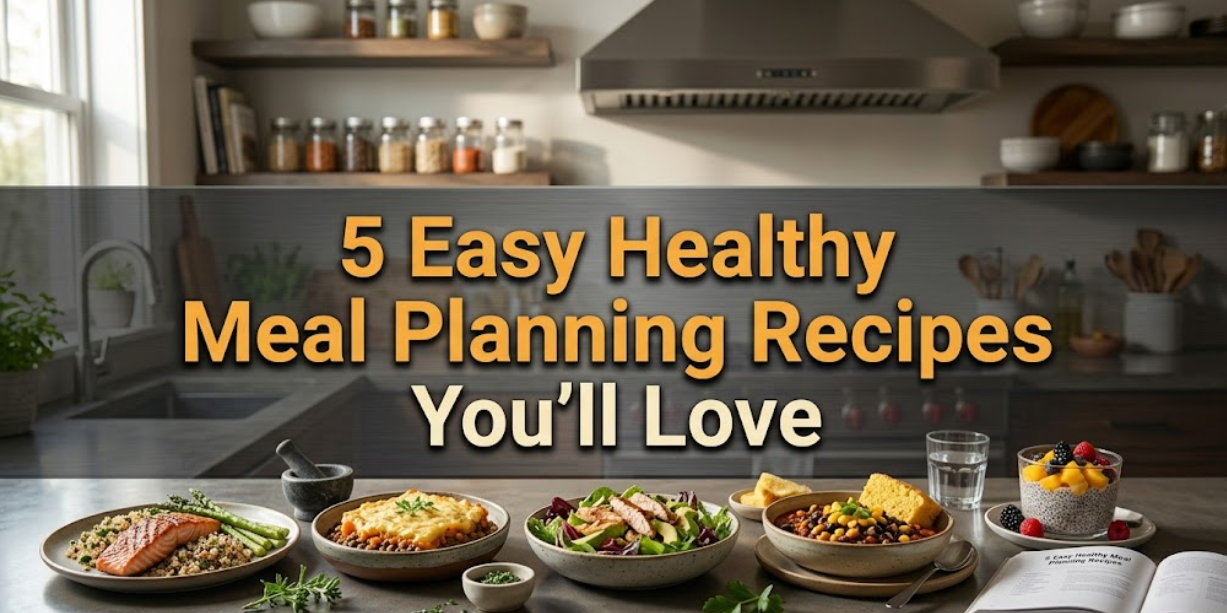
Healthy eating often sounds complicated, time-consuming, and expensive. In reality, it doesn’t have to be any of those things. With a little structure and a handful of reliable recipes, meal planning can become one of the simplest habits you build into your week. It saves time, reduces stress, cuts food waste, and most importantly, keeps your nutrition on track.
This article walks through five easy, healthy meal planning recipes that are practical, flexible, and genuinely enjoyable. Along the way, you’ll find structured tables, planning insights, and simple charts to help you build a system that works in real life—not just in theory.
why meal planning works better than daily cooking decisions
Before jumping into recipes, it’s useful to understand why meal planning is so effective. Every day, we make dozens of small decisions. Food choices are among the most frequent—and often the most impulsive.
Meal planning removes that friction.
Instead of deciding what to eat when you’re tired or hungry, you rely on decisions already made when you were calm and intentional. This reduces unhealthy choices and helps maintain portion control.
Here’s a simple comparison:
Meal Planning vs Daily Cooking Decisions
| Factor | Meal Planning Weekly | Daily Decisions |
|---|---|---|
| Time spent thinking | Low | High |
| Grocery efficiency | High | Low |
| Food waste | Minimal | Higher |
| Nutrition quality | Consistent | Inconsistent |
| Stress level | Low | Moderate/High |
Now let’s move into the recipes that make this system easy to follow.
recipe 1: grilled chicken quinoa bowl
This is one of the most reliable and flexible meal prep recipes you can use. It’s high in protein, balanced with fiber, and customizable depending on your taste.
ingredients
- 2 chicken breasts
- 1 cup quinoa
- 2 cups mixed vegetables (broccoli, carrots, bell peppers)
- 2 tablespoons olive oil
- 1 teaspoon garlic powder
- Salt and pepper to taste
- Optional: lemon juice or yogurt dressing
instructions
Cook quinoa according to package instructions. While it cooks, season the chicken with olive oil, garlic powder, salt, and pepper. Grill or pan-cook until fully done. Steam or sauté vegetables lightly.
Assemble bowls with quinoa as the base, sliced chicken on top, and vegetables on the side. Add dressing if desired.
nutritional breakdown (per serving)
| Nutrient | Amount |
|---|---|
| Calories | 420 |
| Protein | 35g |
| Carbs | 40g |
| Fat | 12g |
| Fiber | 6g |
meal planning tip
Cook extra quinoa and vegetables so you can reuse them for other meals later in the week.
recipe 2: overnight oats with fruit and seeds
Perfect for breakfast or even a light dinner, overnight oats eliminate morning prep entirely.
ingredients
- 1/2 cup rolled oats
- 1/2 cup milk (or plant-based alternative)
- 1 tablespoon chia seeds
- 1 teaspoon honey or maple syrup
- 1/2 cup fresh fruit (berries, banana slices)
instructions
Combine all ingredients in a jar or container. Mix well and refrigerate overnight. In the morning, stir and enjoy.
nutritional breakdown (per serving)
| Nutrient | Amount |
|---|---|
| Calories | 280 |
| Protein | 9g |
| Carbs | 45g |
| Fat | 7g |
| Fiber | 8g |
meal planning tip
Prepare 3–4 jars at once. Rotate fruits during the week to avoid boredom.
recipe 3: one-pan baked salmon and vegetables
This recipe is ideal for busy evenings because everything cooks on a single tray.
ingredients
- 2 salmon fillets
- 1 cup green beans
- 1 cup baby potatoes
- 2 tablespoons olive oil
- 1 teaspoon paprika
- Salt, pepper, and lemon slices
instructions
Preheat oven to 200°C (400°F). Toss vegetables with olive oil and seasoning. Place on a baking tray and roast for 10 minutes. Add salmon, season it, and bake for another 12–15 minutes.
nutritional breakdown (per serving)
| Nutrient | Amount |
|---|---|
| Calories | 450 |
| Protein | 32g |
| Carbs | 30g |
| Fat | 22g |
| Omega-3 | High |
meal planning tip
Cook two trays at once and store portions for 2–3 days. Salmon keeps well when refrigerated properly.
recipe 4: chickpea and spinach curry
This plant-based option is rich, filling, and budget-friendly.
ingredients
- 1 can chickpeas (drained)
- 2 cups fresh spinach
- 1 cup tomato puree
- 1 onion (chopped)
- 2 cloves garlic
- 1 teaspoon curry powder
- 1 tablespoon oil
instructions
Heat oil in a pan, sauté onion and garlic until soft. Add curry powder, then tomato puree. Stir in chickpeas and cook for 10 minutes. Add spinach and cook until wilted.
Serve with rice or flatbread.
nutritional breakdown (per serving)
| Nutrient | Amount |
|---|---|
| Calories | 360 |
| Protein | 14g |
| Carbs | 50g |
| Fat | 10g |
| Fiber | 12g |
meal planning tip
This dish tastes better the next day, making it ideal for batch cooking.
recipe 5: turkey and vegetable lettuce wraps
Light, low-carb, and refreshing, these wraps are perfect for lunches.
ingredients
- 250g ground turkey
- 1 cup diced vegetables (carrots, bell peppers)
- 1 tablespoon soy sauce
- 1 teaspoon ginger
- Large lettuce leaves
instructions
Cook ground turkey in a pan until browned. Add vegetables, soy sauce, and ginger. Cook for another 5–7 minutes. Spoon mixture into lettuce leaves.
nutritional breakdown (per serving)
| Nutrient | Amount |
|---|---|
| Calories | 250 |
| Protein | 28g |
| Carbs | 10g |
| Fat | 12g |
| Fiber | 3g |
meal planning tip
Store filling separately from lettuce to keep everything fresh and crisp.
weekly meal planning structure
To make these recipes truly effective, you need a simple weekly plan.
Sample Weekly Plan
| Day | Lunch | Dinner |
|---|---|---|
| Monday | Chicken quinoa bowl | Salmon with vegetables |
| Tuesday | Chickpea curry | Turkey lettuce wraps |
| Wednesday | Chicken quinoa bowl | Chickpea curry |
| Thursday | Salmon leftovers | Turkey lettuce wraps |
| Friday | Mixed leftovers | Flexible / fresh meal |
breakfast rotation
| Day | Breakfast |
|---|---|
| Mon–Fri | Overnight oats (variety) |
| Weekend | Flexible options |
visual meal balance chart
Think of your plate like this:
Healthy Plate Distribution
| Component | Percentage |
|---|---|
| Vegetables | 40% |
| Protein | 30% |
| Carbs | 20% |
| Healthy fat | 10% |
This simple breakdown helps ensure your meals are balanced without requiring calorie counting.
shopping list for the week
Organizing your shopping list makes everything smoother.
| Category | Items |
|---|---|
| Proteins | Chicken, salmon, turkey, chickpeas |
| Grains | Quinoa, oats, rice |
| Vegetables | Spinach, broccoli, carrots, peppers |
| Fruits | Berries, bananas |
| Pantry | Olive oil, spices, tomato puree |
| Extras | Yogurt, lettuce, chia seeds |
time-saving preparation schedule
Instead of cooking everything daily, batch your effort.
| Day | Task |
|---|---|
| Sunday | Cook grains, chop vegetables |
| Monday | Prepare chicken and oats |
| Wednesday | Cook curry and refresh vegetables |
| Friday | Light prep or flexible cooking |
common mistakes to avoid
Many people start meal planning but give up quickly. The reasons are often predictable.
Overcomplicating recipes
Trying too many new dishes at once leads to burnout. Stick to a few reliable recipes.
Ignoring variety
Eating the same exact meal every day gets boring. Small variations make a big difference.
Not prepping ingredients
Even simple recipes take longer if nothing is ready.
Unrealistic expectations
You don’t need perfection. Even partial meal planning is better than none.
final thoughts
Meal planning isn’t about strict discipline or eating bland food. It’s about creating a structure that supports your lifestyle. These five recipes are simple, flexible, and designed to reduce effort while improving your overall nutrition.
Start small. Pick two recipes. Prepare them once. Then build from there.
Over time, the process becomes automatic—and that’s when the real benefits begin.
frequently asked questions
- how long can meal-prepped food last in the fridge?
Most meal-prepped dishes last 3–4 days when stored in airtight containers. Some, like curries, may last slightly longer. - can i freeze these recipes?
Yes. The chickpea curry and cooked chicken freeze very well. Avoid freezing lettuce wraps or fresh vegetables. - is meal planning expensive?
It’s usually cheaper than daily cooking because it reduces waste and encourages bulk buying. - how do i avoid getting bored of meals?
Rotate sauces, spices, and side dishes. Even small changes can make meals feel new. - do i need special containers?
No, but airtight containers help maintain freshness and make storage easier. - can i lose weight with meal planning?
Yes. Meal planning helps control portions and reduces impulsive eating, both of which support weight loss goals.