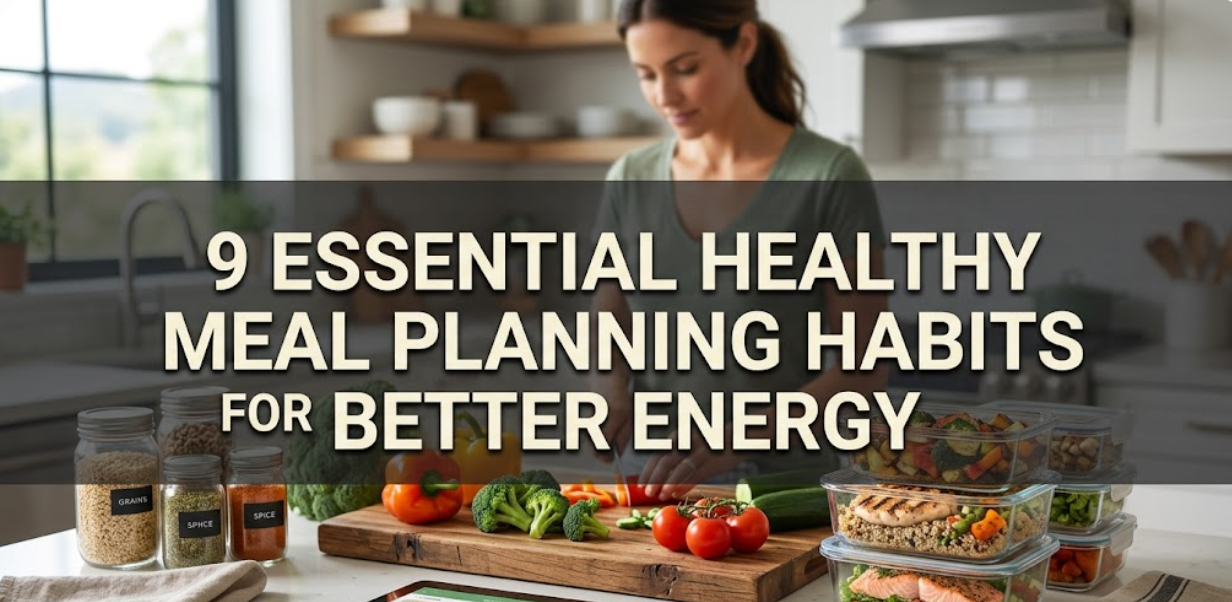
There’s a quiet difference between simply eating and truly fueling your body. Most people don’t notice it right away, but over time it shows up—in how easily you wake up, how steady your focus feels during the day, and whether your energy crashes mid-afternoon or carries you smoothly into the evening.
Healthy meal planning isn’t about perfection or rigid dieting. It’s about building small, repeatable habits that support your body consistently. When done right, it removes daily decision fatigue, reduces stress around food, and helps maintain stable energy levels without relying on caffeine or sugar spikes.
What follows are nine essential habits that go beyond basic meal prep. These are practical, realistic strategies that can fit into busy lives while still making a noticeable difference.
- Plan meals around energy, not just calories
Most people plan meals by counting calories or focusing on portion sizes. While that can be useful in certain situations, it doesn’t always translate into sustained energy. Two meals with the same calorie count can affect your body very differently.
The key is to think about how food releases energy over time.
Meals that combine complex carbohydrates, protein, and healthy fats tend to provide slow, steady fuel. In contrast, meals high in refined carbs often lead to quick spikes followed by crashes.
Here’s a simple comparison:
| Meal Type | Example Meal | Energy Effect | Duration of Fullness |
|---|---|---|---|
| Refined Carb Heavy | White bread + jam + juice | Quick spike | Short (1–2 hours) |
| Balanced Meal | Brown rice + chicken + vegetables | Steady release | Long (3–5 hours) |
| Protein + Fat Focused | Eggs + avocado + whole grain toast | Stable energy | Moderate to long |
Planning meals this way helps reduce fatigue, improves concentration, and minimizes cravings.
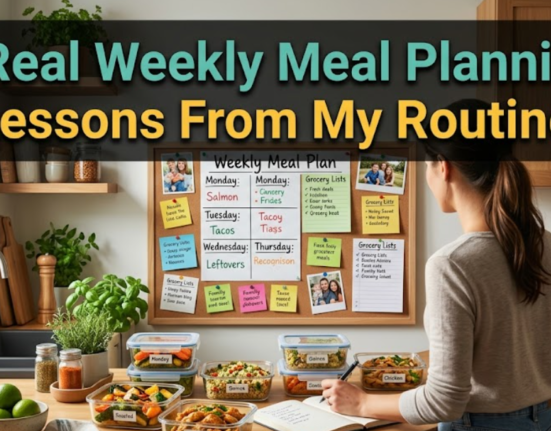
- Create a weekly structure, not a strict menu
Rigid meal plans often fail because life rarely follows a script. A more effective approach is to create a flexible structure.
Instead of assigning exact meals for each day, organize your week into categories:
- 2–3 quick meals for busy days
- 2 comfort meals that feel satisfying
- 1–2 experimental or new recipes
- 1 leftover or “use what’s available” day
This method keeps things organized without making you feel trapped.
Example weekly structure:
| Day | Meal Style | Notes |
|---|---|---|
| Monday | Quick meal | 20-minute dinner |
| Tuesday | Balanced home-cooked | Protein + grains + vegetables |
| Wednesday | Leftovers | Minimal effort |
| Thursday | Quick meal | Light and simple |
| Friday | Comfort meal | More indulgent but balanced |
| Saturday | New recipe | Try something different |
| Sunday | Prep + leftovers | Reset for next week |
This approach reduces stress while still keeping your nutrition on track.
- Prep ingredients, not just full meals
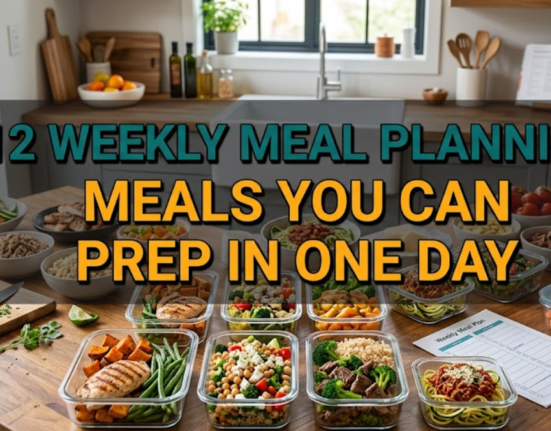
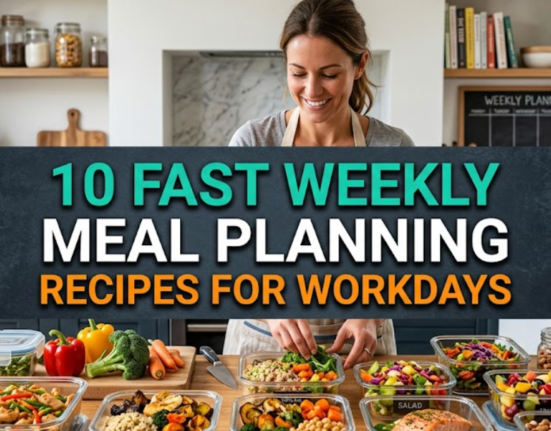
Full meal prepping works for some people, but it can feel repetitive or time-consuming. A more sustainable habit is ingredient prep.
Instead of cooking everything in advance, prepare key components:
- Wash and chop vegetables
- Cook grains like rice or quinoa
- Marinate proteins
- Portion snacks
This gives you flexibility while still saving time.
Here’s how ingredient prep improves efficiency:
| Task | Time Without Prep | Time With Prep |
|---|---|---|
| Cooking dinner | 45–60 minutes | 20–30 minutes |
| Packing lunch | 20 minutes | 5–10 minutes |
| Snack preparation | 10 minutes | 2 minutes |
This method keeps meals fresh while eliminating the daily hassle.
- Balance your plate visually
You don’t always need to measure everything. A visual balance method can be just as effective.
A simple rule:
- Half the plate: vegetables
- One quarter: protein
- One quarter: carbohydrates
- Add a small amount of healthy fat
This ensures nutrient variety and stable energy.
Example plate breakdown:
| Food Group | Portion | Example Foods |
|---|---|---|
| Vegetables | 50% | Spinach, broccoli, carrots |
| Protein | 25% | Chicken, lentils, eggs |
| Carbohydrates | 25% | Brown rice, potatoes, oats |
| Healthy fats | Small addition | Olive oil, nuts, avocado |
This habit is simple enough to follow anywhere—even when eating out.
- Prioritize consistent meal timing
Skipping meals or eating at irregular times can disrupt your energy levels. Your body thrives on rhythm.
Eating at roughly the same times each day helps regulate blood sugar, improves digestion, and prevents overeating later.
Typical structure:
| Meal | Suggested Time | Purpose |
|---|---|---|
| Breakfast | Within 1–2 hours of waking | Kickstarts metabolism |
| Lunch | Midday | Sustains energy |
| Snack | Afternoon | Prevents energy dip |
| Dinner | Evening | Recovery and nourishment |
Consistency matters more than perfection. Even small improvements can lead to noticeable changes in how you feel.
- Keep energy-boosting snacks ready
Snacking isn’t the problem—unplanned snacking is. When hunger hits and nothing healthy is available, people often reach for quick, low-quality options.
The solution is to prepare snacks in advance that combine protein and fiber.
Examples:
| Snack Combination | Benefits |
|---|---|
| Apple + peanut butter | Fiber + healthy fat |
| Yogurt + nuts | Protein + sustained energy |
| Boiled eggs + vegetables | High protein |
| Hummus + carrots | Fiber + plant protein |
Having these ready helps maintain stable energy between meals.
- Stay hydrated as part of your plan
Energy isn’t just about food. Hydration plays a major role.
Even mild dehydration can cause fatigue, headaches, and reduced focus.
Instead of relying on thirst, make hydration part of your routine.
Daily hydration tracker example:
| Time of Day | Water Intake Goal |
|---|---|
| Morning | 1–2 glasses |
| Midday | 2–3 glasses |
| Afternoon | 2 glasses |
| Evening | 1–2 glasses |
You can also include hydrating foods like fruits and vegetables to support this habit.
- Reduce decision fatigue with repetition
Variety is good, but too many choices can be overwhelming. Repeating a few meals during the week actually makes meal planning easier and more sustainable.
You don’t need a new recipe every day.
Example rotation:
| Meal Type | Repeated Option |
|---|---|
| Breakfast | Oatmeal with variations |
| Lunch | Grain bowl with different toppings |
| Dinner | 2–3 rotating main dishes |
This reduces mental effort while still allowing flexibility.
- Reflect and adjust weekly
Meal planning isn’t something you set once and forget. The most effective habit is reviewing what worked and what didn’t.
At the end of each week, ask:
- Which meals kept me full and energized?
- Which ones felt heavy or unsatisfying?
- Did I overbuy or waste food?
- What can I simplify next week?
Simple review table:
| Question | Your Notes |
|---|---|
| Best meals of the week | |
| Meals that didn’t work | |
| Foods wasted | |
| Improvements for next week |
This small reflection makes your system smarter over time.
Putting it all together
When these habits work together, they create a system that supports both your physical and mental energy.
Here’s a simplified overview:
| Habit | Primary Benefit |
|---|---|
| Plan for energy | Stable energy levels |
| Weekly structure | Reduced stress |
| Ingredient prep | Time efficiency |
| Balanced plates | Nutritional completeness |
| Consistent timing | Better metabolism |
| Smart snacking | Fewer energy crashes |
| Hydration | Improved focus |
| Repetition | Less decision fatigue |
| Weekly reflection | Continuous improvement |
FAQs
- How long does it take to see results from healthy meal planning?
Most people notice small changes in energy within a few days, especially if they reduce processed foods and improve hydration. More consistent benefits typically appear after 2–3 weeks.
- Do I need to cook every day to maintain a healthy meal plan?
Not at all. Ingredient prep and leftovers can significantly reduce daily cooking. Many people only cook 3–4 times per week and still eat well every day.
- Can I follow these habits on a tight budget?
Yes. Planning actually helps reduce food waste and unnecessary purchases. Simple staples like rice, beans, eggs, and seasonal vegetables are both affordable and nutritious.
- What if I get bored of eating similar meals?
You can keep the structure the same while changing flavors—different spices, sauces, or cooking methods can make the same ingredients feel new.
- Is it okay to include “unhealthy” foods in a meal plan?
Yes. Balance is more important than perfection. Including occasional treats can make your plan more sustainable and prevent feelings of restriction.
- What’s the biggest mistake people make with meal planning?
Overcomplicating it. Trying to plan every detail perfectly often leads to burnout. Simplicity and consistency are far more effective.
Healthy meal planning isn’t about strict rules—it’s about building habits that make your daily life easier while giving your body what it needs. When you focus on energy, consistency, and flexibility, food becomes less of a stressor and more of a steady source of support.