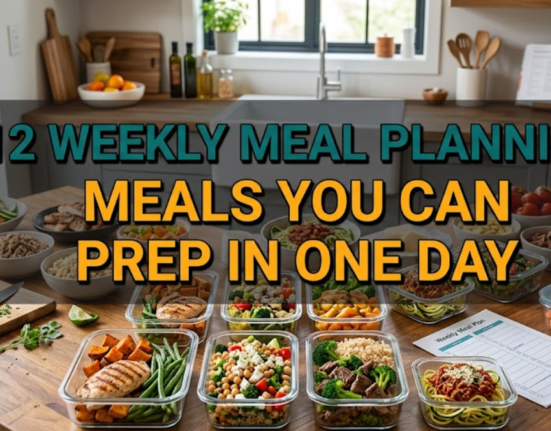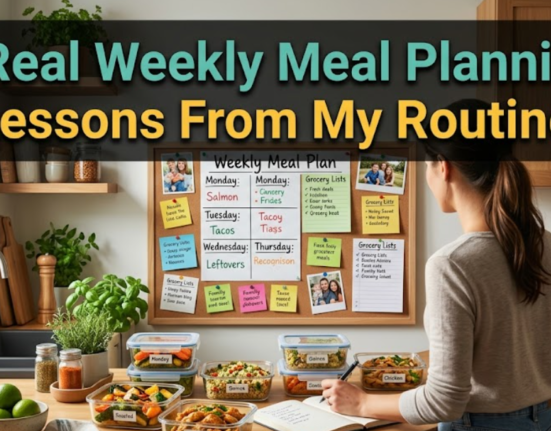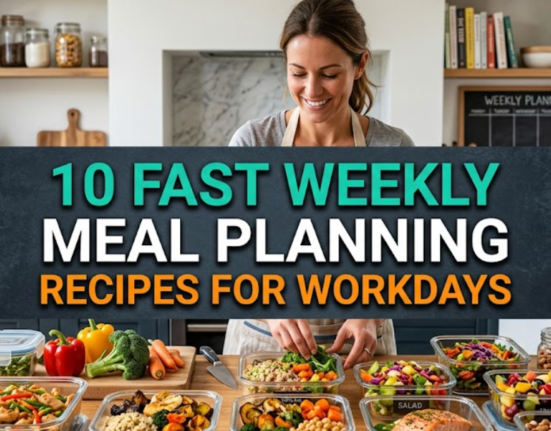
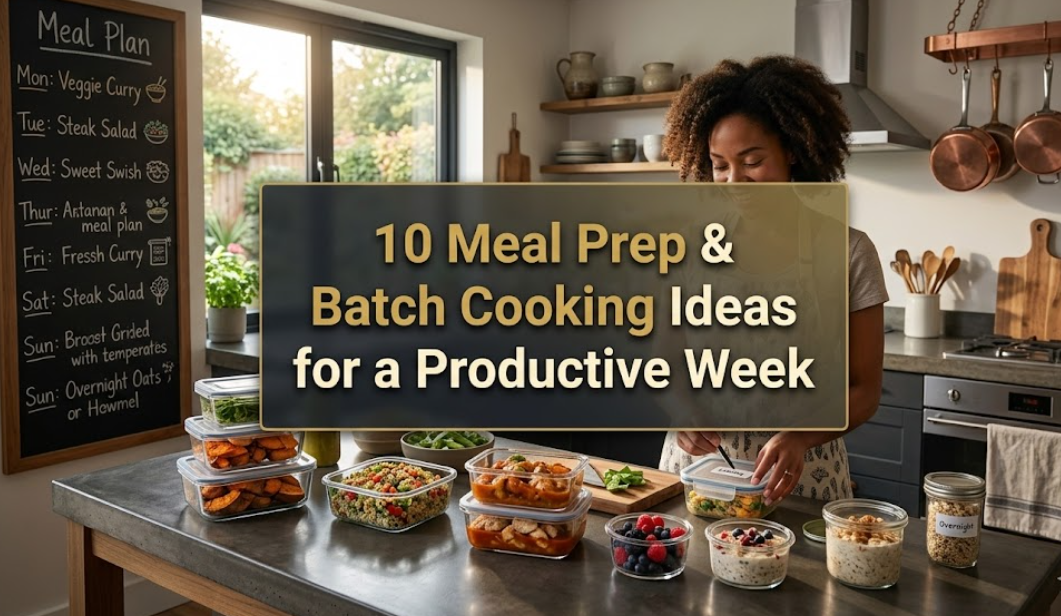
There’s a quiet kind of power in opening your fridge on a busy Tuesday and already knowing what you’re going to eat. No scrambling, no last-minute takeaway decisions, no wasted time staring into shelves. Meal prep and batch cooking aren’t just about food—they’re about reclaiming your week. When done right, they reduce stress, save money, support healthier choices, and create a rhythm that makes everything else feel a bit more manageable.
This guide walks through ten practical, flexible meal prep and batch cooking ideas designed for real life—not perfection. You’ll find systems, not strict rules; ideas you can adapt whether you’re cooking for one or a household.
- the “base + variation” method
One of the biggest mistakes in meal prep is making five identical meals and then getting bored by day three. The base + variation method solves that.
You cook a few versatile bases—like rice, roasted vegetables, and a protein—and then create different meals from them across the week.
Example setup:
| Base Component | Batch Quantity | Use Cases |
|---|---|---|
| Brown rice | 4 cups cooked | Bowls, stir-fries, side dish |
| Roasted veggies | 1 large tray | Wraps, salads, grain bowls |
| Grilled chicken | 500g | Tacos, sandwiches, protein bowls |
| Chickpeas (spiced) | 2 cups | Salads, snacks, wraps |
From this, you can build:
- Monday: chicken rice bowl with yogurt sauce
- Tuesday: veggie wrap with hummus
- Wednesday: chickpea salad
- Thursday: stir-fried rice with leftover vegetables
This approach keeps your meals fresh without cooking every day.
- one-pot batch meals for simplicity
If your schedule is tight, one-pot meals are a lifesaver. They minimize cleanup and scale easily.
Some reliable options:
- lentil curry
- chili con carne
- vegetable stew
- chicken and rice casserole
Example weekly prep:
| Dish | Prep Time | Portions | Storage Life (Fridge) |
|---|---|---|---|
| Lentil curry | 40 min | 5 | 4–5 days |
| Chicken stew | 60 min | 6 | 3–4 days |
| Vegetable chili | 45 min | 5 | 4–5 days |
These meals often taste better the next day as flavors develop, making them ideal for batch cooking.
- breakfast prep that actually works
Breakfast is often skipped or rushed. Preparing it ahead can set the tone for your entire day.
Ideas that hold well:
- overnight oats
- egg muffins
- smoothie packs (frozen)
- yogurt parfait jars
Sample prep plan:
| Breakfast Item | Prep Style | Days Covered | Notes |
|---|---|---|---|
| Overnight oats | Pre-mixed jars | 4–5 | Add fruit before eating |
| Egg muffins | Baked batch | 3–4 | Reheat in 30–60 seconds |
| Smoothie packs | Frozen | 5 | Blend with milk in morning |
Having breakfast ready removes one decision from your morning, which can be surprisingly impactful.
- freezer-friendly batch cooking
Your freezer is more powerful than you think. Cooking once and storing portions extends your effort across weeks.
Freezer-friendly meals:
- lasagna
- stuffed peppers
- curry
- soup
Freezer guide:
| Meal | Freezer Life | Reheat Method |
|---|---|---|
| Lasagna | 2–3 months | Oven (covered) |
| Soup | 2 months | Stovetop or microwave |
| Curry | 2–3 months | Stovetop |
Tip: label everything with date and portion size. It avoids mystery meals later.
- protein prep for flexibility
Cooking proteins in advance saves the most time during the week.
Batch protein ideas:
- grilled chicken
- baked tofu
- boiled eggs
- ground beef or turkey
Weekly protein chart:
| Protein | Prep Method | Storage (Fridge) | Uses |
|---|---|---|---|
| Chicken breast | Grilled | 4 days | Wraps, salads, bowls |
| Boiled eggs | Boiled | 5–6 days | Breakfast, snacks |
| Tofu | Baked | 4 days | Stir-fries, bowls |
Once protein is ready, assembling meals becomes much faster.
- the “mix-and-match” lunch box system
Instead of prepping full meals, prep components that can be combined differently each day.
Think of it like building blocks:
| Category | Options |
|---|---|
| Base | Rice, quinoa, pasta |
| Protein | Chicken, beans, tofu |
| Veggies | Broccoli, carrots, peppers |
| Sauce | Yogurt sauce, vinaigrette, pesto |
Daily combinations:
- quinoa + chicken + broccoli + pesto
- rice + beans + peppers + yogurt sauce
- pasta + tofu + roasted vegetables
This keeps lunches interesting without extra effort.
- snack prep to avoid junk food
Snacking is often where productivity dips. Preparing snacks ahead prevents unhealthy choices.
Snack prep ideas:
- chopped fruit containers
- roasted nuts
- energy balls
- vegetable sticks with dip
Snack comparison:
| Snack Type | Prep Time | Shelf Life | Energy Level Impact |
|---|---|---|---|
| Fresh fruit | 10 min | 3–4 days | Light, refreshing |
| Energy balls | 20 min | 1 week | Sustained energy |
| Roasted nuts | 15 min | 2 weeks | High energy |
When snacks are ready, you’re less likely to reach for processed options.
- theme-based weekly planning
Assigning themes to days simplifies decisions.
Example weekly theme:
| Day | Theme | Example Meal |
|---|---|---|
| Monday | Meatless | Lentil curry |
| Tuesday | Pasta night | Spaghetti with veggies |
| Wednesday | Bowl meals | Chicken rice bowl |
| Thursday | Stir-fry | Veggie tofu stir-fry |
| Friday | Comfort food | Baked casserole |
This structure reduces decision fatigue while still allowing variety.
- batch sauces and flavor boosters
A simple meal becomes exciting with the right sauce.
Prep these once and use all week:
- garlic yogurt sauce
- tahini dressing
- tomato base sauce
- green chutney
Sauce impact chart:
| Sauce Type | Prep Time | Best With |
|---|---|---|
| Yogurt sauce | 5 min | Rice bowls, wraps |
| Tahini dressing | 10 min | Salads, roasted vegetables |
| Tomato sauce | 30 min | Pasta, casseroles |
Small additions like sauces dramatically improve meal satisfaction.
- smart storage and portioning
Meal prep isn’t just cooking—it’s also how you store food.
Best practices:
- use clear containers
- portion meals ahead
- keep similar items together
- label everything
Storage comparison:
| Container Type | Best For | Pros |
|---|---|---|
| Glass | Reheating meals | Durable, non-toxic |
| Plastic | Lightweight storage | Portable |
| Mason jars | Salads, breakfasts | Airtight, stackable |
Portioning meals in advance prevents overeating and saves time later.
bringing it all together
A productive meal prep routine doesn’t require perfection. It requires consistency and a system that works for your lifestyle.
Here’s a simple weekly workflow:
| Step | Time Needed | Description |
|---|---|---|
| Plan meals | 20 min | Choose recipes and ingredients |
| Grocery shopping | 60 min | Buy everything in one trip |
| Batch cooking | 2–3 hours | Prepare base items and meals |
| Portion & store | 30 min | Organize meals for the week |
Total time: around 4–5 hours for an entire week of food.
That time investment pays off daily—less stress, better nutrition, and more time for what actually matters.
practical tips for staying consistent
- start small: prep just lunches or breakfasts first
- repeat meals you enjoy instead of chasing variety
- keep backup freezer meals for busy days
- don’t aim for perfection—aim for progress
Meal prep should support your life, not complicate it.
faqs
- how long do meal prep foods last in the fridge?
Most meals last 3–5 days when stored properly in airtight containers. Cooked proteins typically last around 3–4 days, while grains and vegetables can last slightly longer. - is it safe to freeze cooked meals?
Yes, many cooked meals freeze very well. Just ensure they are cooled before freezing and stored in airtight containers. Always label with dates. - how do i avoid getting bored of meal prep meals?
Use the base + variation method. Change sauces, spices, and combinations rather than cooking completely new meals every day. - what are the best foods for beginners to meal prep?
Start with simple items like rice, grilled chicken, roasted vegetables, and overnight oats. These are easy, flexible, and hard to mess up. - how much time should i spend on meal prep each week?
Most people spend 3–5 hours per week, including planning, shopping, cooking, and storing meals. - do i need special containers for meal prep?
Not necessarily. Any airtight container works, but glass containers are often preferred for durability and reheating convenience.
A well-planned meal prep routine quietly transforms your week. It reduces friction, frees up mental space, and creates a sense of control that extends beyond the kitchen. Once it becomes a habit, you’ll wonder how you managed without it.