
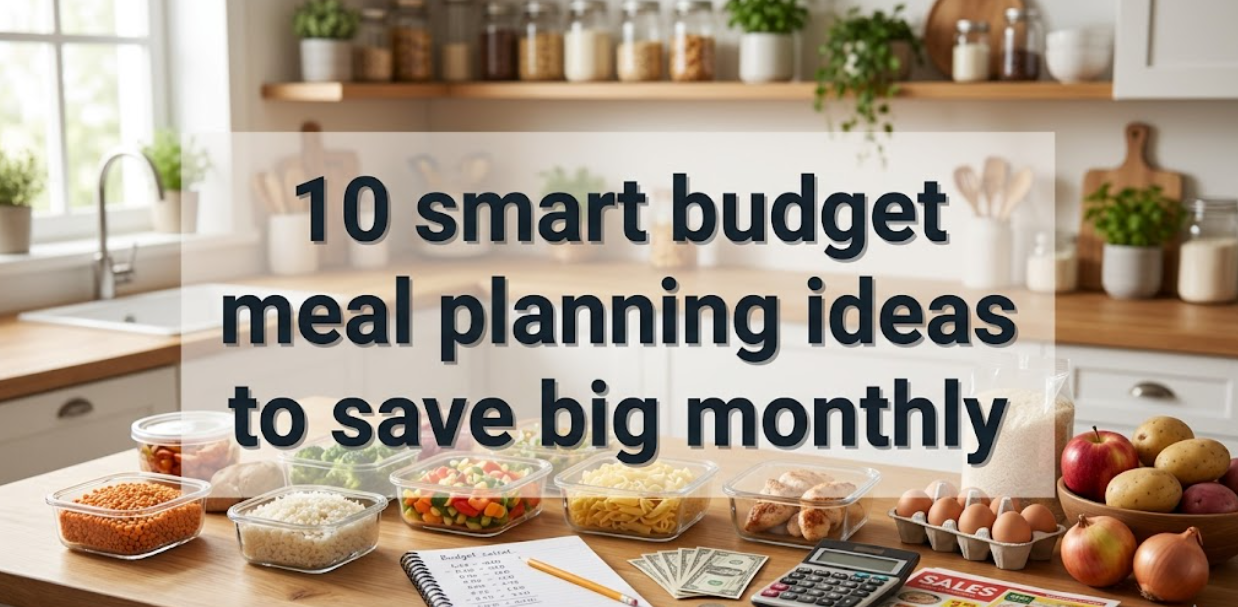
If you’ve ever looked at your monthly expenses and wondered how groceries quietly became one of the biggest numbers on the list, you’re not alone. Food spending has a way of creeping up—not because you’re buying luxury items, but because small, repeated decisions add up over time.
Budget meal planning isn’t about cutting joy out of eating. It’s about making intentional choices so your money stretches further without sacrificing nutrition or satisfaction. The good news is that saving money on food doesn’t require extreme measures. It comes down to simple, repeatable habits.
The ten ideas below are practical, flexible, and designed to help you spend less while still eating well.
idea 1: plan meals around weekly deals and discounts
Most grocery stores rotate discounts every week. Instead of planning meals first and shopping second, reverse the process.
how it works:
- check store flyers or apps
- identify discounted proteins, grains, and produce
- build meals around those items
example comparison:
| Item | Regular Price | Discounted Price | Savings |
|---|---|---|---|
| Chicken (1 kg) | $6 | $4.50 | $1.50 |
| Rice (2 kg) | $5 | $4 | $1 |
| Spinach | $2 | $1.20 | $0.80 |
weekly savings potential:
| Category | Average Savings |
|---|---|
| Proteins | 15–25% |
| Produce | 10–20% |
| Pantry items | 5–15% |
Over a month, these small discounts can add up significantly.
idea 2: build a “core meal list” to avoid impulse spending
A core meal list is a set of 8–12 meals you already know how to cook and enjoy. This reduces the temptation to try expensive, unfamiliar recipes every week.
sample core meal list:
| Meal Type | Example Meals |
|---|---|
| Quick meals | Egg fried rice, pasta |
| Batch meals | Lentil curry, chili |
| Light meals | Salads, wraps |
cost comparison:
| Approach | Weekly Cost | Consistency |
|---|---|---|
| Random meals | High | Low |
| Core meal system | Moderate | High |
Familiar meals are usually cheaper because you already know efficient ways to prepare them.
idea 3: use batch cooking to reduce cost per meal
Cooking in bulk is one of the most effective ways to save money.
example batch cooking breakdown:
| Dish | Ingredients Cost | Servings | Cost per Serving |
|---|---|---|---|
| Lentil curry | $8 | 6 | $1.33 |
| Chicken stew | $12 | 6 | $2.00 |
comparison:
| Cooking Style | Cost per Meal |
|---|---|
| Single serving | $3–$5 |
| Batch cooking | $1–$2.50 |
Batch cooking reduces both ingredient waste and energy use.
idea 4: choose versatile ingredients
Some ingredients can be used in multiple meals, reducing the need to buy more items.
versatile ingredient chart:
| Ingredient | Uses |
|---|---|
| Rice | Bowls, stir-fries, side dish |
| Eggs | Breakfast, lunch, dinner |
| Beans | Salads, wraps, stews |
| Potatoes | Roasted, mashed, fried |
weekly efficiency:
| Metric | Without Planning | With Versatility |
|---|---|---|
| Ingredients needed | 20+ | 10–12 |
| Waste | High | Low |
Fewer ingredients mean lower costs and less waste.
idea 5: limit food waste with smart storage planning
Food waste is one of the biggest hidden expenses.
common waste example:
| Item | Bought | Used | Wasted |
|---|---|---|---|
| Vegetables | 1 kg | 600g | 400g |
solution strategies:
- store properly
- freeze leftovers
- plan meals that reuse ingredients
waste reduction impact:
| Scenario | Monthly Loss |
|---|---|
| High waste | $40–$80 |
| Controlled waste | $10–$20 |
Reducing waste alone can significantly cut your grocery bill.
idea 6: swap expensive ingredients for budget alternatives
You don’t need to eliminate foods you love—just find cheaper versions.
swap ideas:
| Expensive Item | Budget Alternative |
|---|---|
| Beef | Beans or lentils |
| Fresh berries | Frozen fruit |
| Packaged meals | Homemade versions |
cost difference:
| Item Type | Cost per Meal |
|---|---|
| Premium version | $5–$8 |
| Budget version | $2–$4 |
These swaps maintain nutrition while lowering cost.
idea 7: cook once, eat twice (or more)
Instead of cooking every day, reuse meals creatively.
example reuse plan:
| Day | Meal |
|---|---|
| Monday | Roast chicken |
| Tuesday | Chicken wraps |
| Wednesday | Chicken rice bowl |
time and cost savings:
| Factor | Benefit |
|---|---|
| Cooking time | Reduced by 50% |
| Energy usage | Lower |
| Food waste | Minimal |
Stretching one meal across multiple days increases efficiency.
idea 8: set a weekly food budget limit
Without a clear budget, it’s easy to overspend.
sample budget breakdown:
| Category | Weekly Budget |
|---|---|
| Groceries | $50–$80 |
| Snacks | $10–$20 |
| Emergency meals | $10 |
tracking table:
| Week | Budget | Actual Spend | Difference |
|---|---|---|---|
| Week 1 | $70 | $65 | +$5 |
| Week 2 | $70 | $75 | -$5 |
Tracking helps you stay aware and adjust habits.
idea 9: reduce takeout with easy backup meals
Takeout is one of the fastest ways to overspend on food.
comparison:
| Meal Type | Cost per Meal |
|---|---|
| Takeout | $8–$15 |
| Home meal | $2–$4 |
backup meal examples:
- frozen homemade meals
- instant noodles with added vegetables
- quick sandwiches
monthly impact:
| Habit | Monthly Cost |
|---|---|
| Frequent takeout | $200–$400 |
| Reduced takeout | $80–$150 |
Even cutting takeout in half leads to major savings.
idea 10: track your spending and adjust monthly
Awareness is key to improvement.
monthly tracking example:
| Category | Amount Spent |
|---|---|
| Groceries | $250 |
| Takeout | $120 |
| Total | $370 |
after adjustments:
| Category | New Spending |
|---|---|
| Groceries | $220 |
| Takeout | $80 |
| Total | $300 |
savings: $70 per month
Over a year, that becomes a meaningful amount.
monthly savings potential overview
| Strategy | Monthly Savings |
|---|---|
| Buying on discounts | $20–$50 |
| Reducing waste | $30–$60 |
| Cutting takeout | $50–$200 |
| Batch cooking | $20–$40 |
total potential savings: $100–$300+
consistency matters more than perfection
Budget meal planning isn’t about doing everything perfectly. It’s about making better choices more often. Even applying just a few of these ideas can lead to noticeable savings.
The real benefit isn’t just financial—it’s also the reduction in daily stress. When meals are planned, decisions become easier, and spending becomes more predictable.
faqs
- how much can i realistically save with meal planning?
Most people can save between $100 and $300 per month, depending on their current habits. - is budget meal planning time-consuming?
It requires some upfront time (1–2 hours weekly), but it saves time daily and reduces stress. - what are the cheapest foods to include?
Rice, beans, eggs, potatoes, and seasonal vegetables are among the most affordable and versatile options. - how do i avoid getting bored with budget meals?
Rotate meals, change spices, and use different cooking methods to keep things interesting. - is it cheaper to buy in bulk?
Yes, for non-perishable items and foods you use regularly. However, avoid bulk buying perishable items unless you can store them properly. - can i still eat healthy on a budget?
Absolutely. Whole foods like grains, legumes, and vegetables are often cheaper and more nutritious than processed foods.
Saving money on food doesn’t require extreme sacrifice. It’s about small, consistent adjustments that align your spending with your needs. With these ten smart meal planning ideas, you can reduce costs, waste less, and build a system that works not just for a week—but for the long run.