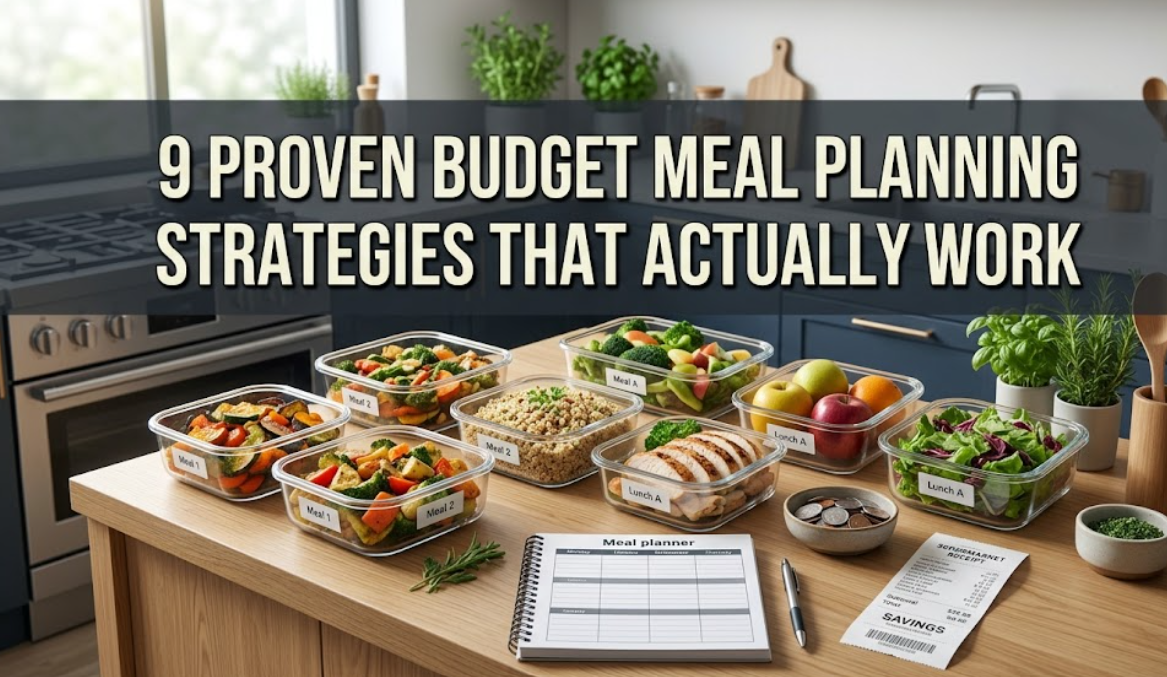
If you’ve ever stood in your kitchen at 7 p.m., hungry, tired, and wondering what to cook, you already understand why meal planning matters. But when budgets get tight, meal planning becomes more than a convenience—it becomes a survival skill. The difference between a chaotic grocery routine and a structured meal plan can easily mean hundreds saved every month.
This isn’t about extreme couponing or eating bland food. It’s about building a system that fits real life—busy schedules, changing tastes, and the occasional craving for comfort food. What follows are nine strategies that have been tested in everyday households. They’re practical, flexible, and most importantly, they work.
- build your meals around a core list of affordable staples
The foundation of budget meal planning isn’t creativity—it’s consistency. Instead of reinventing meals every week, anchor your planning around a fixed list of affordable, versatile staples.
Think of foods like rice, lentils, eggs, potatoes, oats, seasonal vegetables, and chicken. These ingredients are inexpensive, filling, and adaptable across multiple cuisines.
Here’s a simple breakdown of staple categories:
| Category | Examples | Why It Works |
|---|---|---|
| Grains | Rice, pasta, oats | Cheap, filling, long shelf life |
| Proteins | Eggs, lentils, beans | Affordable and nutritious |
| Vegetables | Potatoes, carrots | Versatile and widely available |
| Flavor base | Onions, garlic, spices | Elevates simple meals |
| Dairy (optional) | Milk, yogurt | Adds nutrition and variety |
When your meals revolve around these staples, your grocery bill stabilizes. You’re no longer reacting to impulse cravings—you’re building meals from what you already know works.
- plan meals around what you already have
Before you even think about going to the store, open your fridge, freezer, and pantry. This sounds obvious, but it’s one of the most overlooked habits.
A half-used bag of rice, a few eggs, leftover vegetables—these can easily become two or three meals if used strategically.
A simple system:
- Take inventory once a week
- Write down items that need to be used soon
- Build 2–3 meals around those ingredients
This reduces food waste significantly. In many households, up to 20–30% of purchased food goes unused. By reversing the process—planning around existing items—you turn “leftovers” into intentional meals.
- use a rotating weekly meal template
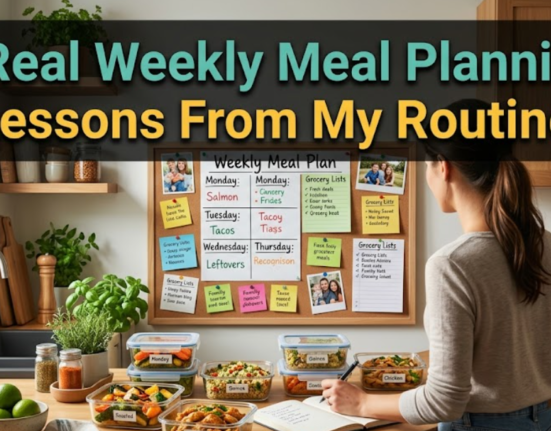
Instead of planning from scratch every week, create a repeatable structure. This reduces decision fatigue and keeps things predictable without being boring.
Example weekly template:
| Day | Meal Theme |
|---|---|
| Monday | Rice-based dish |
| Tuesday | Pasta or noodles |
| Wednesday | Lentils/beans |
| Thursday | Chicken dish |
| Friday | Leftovers remix |
| Saturday | Quick meals |
| Sunday | Comfort/family meal |
Within each category, you can switch recipes. “Rice-based dish” could mean fried rice one week and curry with rice the next.
This system saves time, reduces stress, and keeps grocery lists consistent.
- shop with a strict but flexible list
A grocery list is your financial boundary. Without one, it’s easy to overspend on items you don’t actually need.
But here’s the nuance: your list should be structured, not rigid.
Divide your list into three sections:
| Section | Purpose |
|---|---|
| Essentials | Must-have items for planned meals |
| Flexible items | Substitutes depending on price |
| Optional treats | Small extras if budget allows |
For example, if chicken is too expensive this week, your flexible category might include eggs or lentils as alternatives.
This approach prevents overspending while still allowing adaptability based on prices.
- cook once, eat multiple times
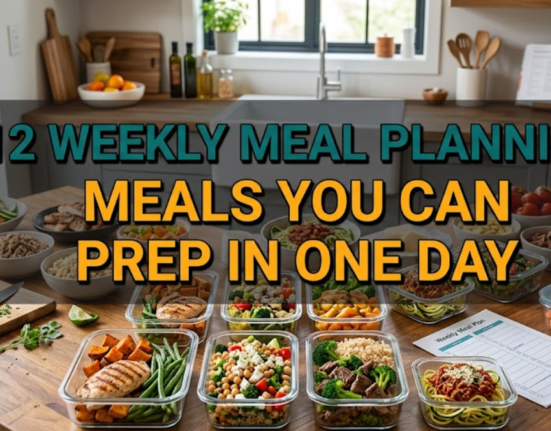
Batch cooking is one of the most powerful budget strategies. It reduces both time and cost per meal.
Instead of cooking every day, prepare larger portions that can be reused in different ways.
Example:
| Base Dish | Day 1 Meal | Day 2 Meal | Day 3 Meal |
|---|---|---|---|
| Cooked chicken | Chicken curry | Chicken wraps | Chicken fried rice |
| Boiled lentils | Lentil soup | Lentil rice bowl | Stuffed flatbread filling |
| Rice | Plain rice | Fried rice | Rice pudding |
This method stretches ingredients further and reduces the temptation to order takeout when you’re tired.
- prioritize seasonal and local produce
One of the easiest ways to cut grocery costs is to buy what’s in season. Seasonal produce is cheaper, fresher, and often more flavorful.
A simple comparison:
| Item | In Season Price | Out of Season Price |
|---|---|---|
| Tomatoes | Low | High |
| Spinach | Low | Moderate |
| Cauliflower | Low | High |
Instead of planning meals first, try this reverse method:
- Visit the store or market
- Identify the cheapest fresh produce
- Build meals around those items
This keeps your meals dynamic while naturally lowering costs.
- reduce meat without eliminating it
Meat is often the most expensive part of a meal. Cutting it out entirely isn’t necessary, but reducing portion sizes can significantly lower your grocery bill.
Instead of making meat the center of the plate, use it as a supporting ingredient.
Comparison:
| Meal Style | Meat Quantity | Cost Impact |
|---|---|---|
| Meat-centered | High | Expensive |
| Mixed (balanced) | Moderate | Affordable |
| Plant-focused | Low | Very affordable |
Example: Instead of a full chicken breast per person, slice it and mix it into a vegetable stir-fry or rice dish.
This approach maintains flavor while stretching your budget.
- assign a weekly food budget and track it
A plan without a budget is just a suggestion. To make meal planning effective, you need a clear spending limit.
Start simple:
- Set a weekly grocery budget
- Divide it into categories (produce, protein, pantry)
- Track your spending after each trip
Example budget breakdown:
| Category | Weekly Allocation |
|---|---|
| Produce | 30% |
| Protein | 30% |
| Staples | 25% |
| Extras | 15% |
Tracking doesn’t need to be complicated. A small notebook or phone note works just fine.
Over time, you’ll notice patterns—where you overspend, where you can cut back, and what gives you the best value.
- plan for “lazy days” to avoid expensive decisions
No meal plan survives a busy or exhausting day unless you account for it.
This is where most budgets fail—not during planning, but during execution.
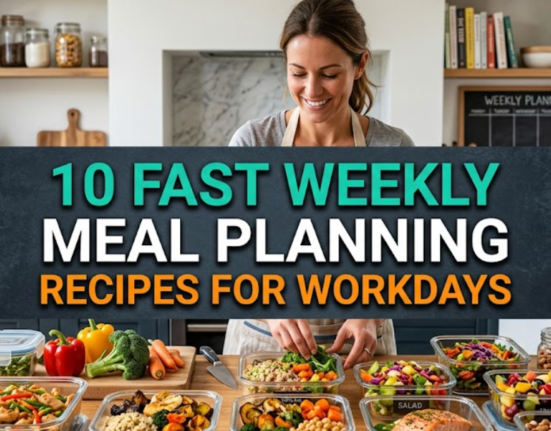
Include 2–3 “lazy day meals” each week:
| Meal Type | Examples |
|---|---|
| Quick meals | Eggs and toast, instant noodles |
| Freezer meals | Pre-cooked curry, rice packs |
| Minimal prep | Sandwiches, yogurt bowls |
These meals act as a safety net. Instead of ordering takeout, you have a low-effort option ready.
It’s not about perfection—it’s about having a backup plan.
bringing it all together
When you combine these strategies, something interesting happens. Meal planning stops feeling restrictive and starts feeling freeing.
You’re no longer guessing what to cook. You’re not overspending at the store. And you’re not wasting food at the end of the week.
Here’s what a simple weekly system might look like:
| Step | Action |
|---|---|
| Inventory | Check pantry and fridge |
| Budget | Set spending limit |
| Plan | Use weekly template |
| Shop | Buy essentials + flexible items |
| Cook | Batch prepare 2–3 base meals |
| Adjust | Use leftovers creatively |
This loop repeats every week, getting easier each time.
The goal isn’t to create the perfect plan. It’s to create a sustainable one.
frequently asked questions
- how much money can meal planning realistically save?
Most households can save anywhere from 20% to 40% on grocery bills by consistently meal planning. The exact amount depends on current habits, but the biggest savings come from reduced food waste and fewer impulse purchases. - what if i get bored eating similar meals?
Variety doesn’t come from entirely new meals—it comes from small changes. Different spices, sauces, or cooking methods can transform the same base ingredients into something new. - is meal planning time-consuming?
It can take 30–60 minutes per week at first. But once you develop a system, it becomes faster and more automatic. Many people find it saves more time overall by reducing daily decision-making. - can meal planning work for large families?
Yes, and it’s often even more effective. Bulk cooking, shared meals, and structured planning make it easier to control costs when feeding multiple people. - what’s the biggest mistake beginners make?
Trying to plan too many complex meals. Simple, repeatable dishes are far more sustainable than ambitious recipes that require time and expensive ingredients. - do i need special tools or apps?
Not at all. A notebook, a pen, and a basic grocery list are enough. Apps can help, but they’re optional. The system matters more than the tool.
—
Budget meal planning isn’t about restriction—it’s about intention. When you know what you’re buying, why you’re buying it, and how you’ll use it, everything changes. Meals become easier, money stretches further, and the kitchen becomes a place of control instead of stress.