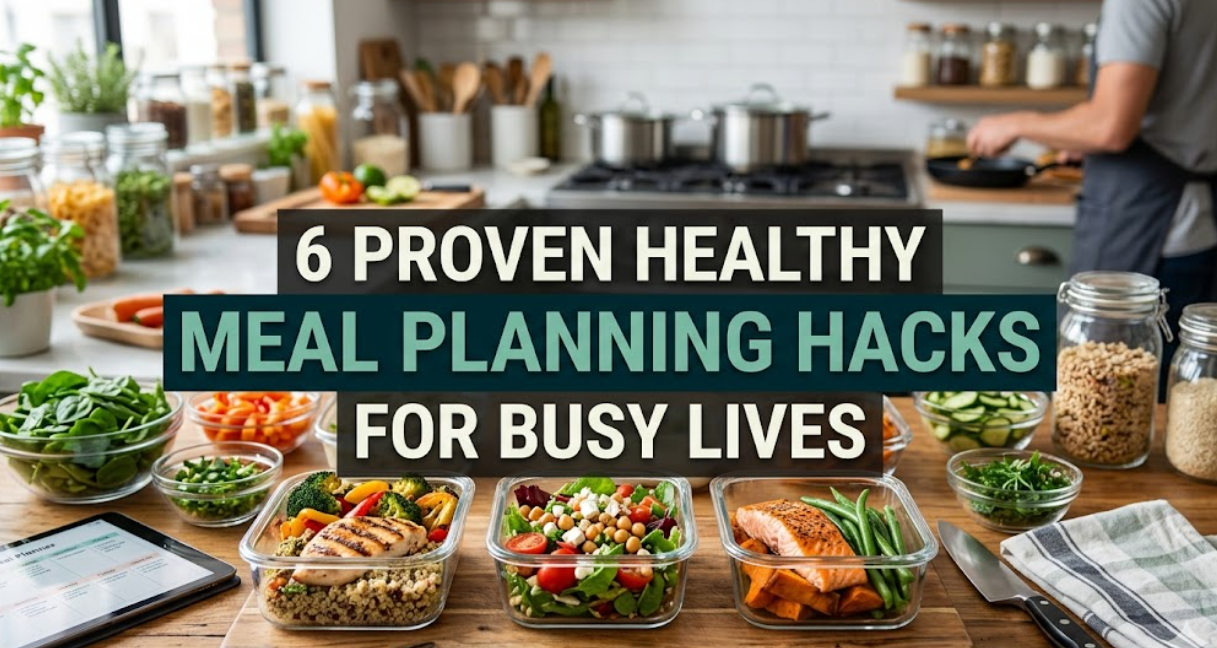
If you’ve ever stood in your kitchen at 8 p.m., tired, hungry, and tempted to order takeout yet again, you already understand the quiet power of meal planning. It’s not about perfection or rigid schedules—it’s about reducing daily friction. When life gets busy, food decisions often become reactive instead of intentional. That’s where a few smart systems can change everything.
This guide explores six proven meal planning hacks designed specifically for people who don’t have hours to spare. These are practical, flexible, and grounded in real-life routines—not idealized versions of them. Along the way, you’ll find tables, charts, and structured frameworks to help you actually apply what you read.
hack 1: build a “core meal rotation” instead of reinventing the wheel
One of the biggest mistakes people make is trying to plan completely new meals every week. That’s exhausting and unsustainable. Instead, create a rotation of 10–15 “core meals” that you already enjoy and can prepare without overthinking.
Think of it as your personal menu. These meals become your default choices, and you simply rotate them based on your week.
example of a simple core meal rotation
| Category | Meal Idea | Prep Time | Notes |
|---|---|---|---|
| Breakfast | Overnight oats | 5 mins | Prep 3 days at once |
| Breakfast | Egg + toast + avocado | 10 mins | Quick protein start |
| Lunch | Chicken salad wrap | 15 mins | Use leftover chicken |
| Lunch | Lentil soup | 25 mins | Batch-friendly |
| Dinner | Stir-fried veggies + rice | 20 mins | Flexible ingredients |
| Dinner | Grilled chicken + quinoa | 30 mins | Balanced macros |
| Snack | Greek yogurt + nuts | 3 mins | High protein |
Why this works:
- Reduces decision fatigue
- Speeds up grocery shopping
- Builds cooking confidence
- Keeps nutrition consistent
You’re not limiting yourself—you’re simplifying your baseline. You can always add variety later.
hack 2: use “ingredient overlap” to save time and money
Instead of planning meals individually, plan them as a system where ingredients overlap. This minimizes waste, reduces prep time, and simplifies shopping.
For example, if you cook grilled chicken on Monday, it can become:
- Tuesday’s wrap
- Wednesday’s salad topping
- Thursday’s stir-fry protein
ingredient overlap example
| Ingredient | Meal 1 | Meal 2 | Meal 3 |
|---|---|---|---|
| Chicken breast | Grilled dinner | Chicken wrap | Chicken fried rice |
| Spinach | Smoothie | Salad | Omelet |
| Rice | Side dish | Fried rice | Burrito bowl |
| Yogurt | Breakfast bowl | Sauce base | Snack |
This approach is especially useful for busy weeks when cooking time is limited.
quick visual breakdown
Meal Prep Efficiency (Conceptual Chart)
- Single-use ingredients → high waste, high effort
- Overlapping ingredients → low waste, lower effort
- Bulk-prepped base foods → lowest effort, highest efficiency
The goal is to move toward the third category over time.
hack 3: batch cook strategically, not excessively
Batch cooking doesn’t mean spending your entire Sunday in the kitchen. In fact, overdoing it often leads to burnout.
Instead, use “micro-batching”—preparing just 2–3 key components that can be reused throughout the week.
examples of micro-batching:
- Cook a large pot of rice or quinoa
- Roast a tray of vegetables
- Prepare a protein (chicken, beans, tofu)
sample micro-batch plan
| Day | Prep Task | Time Required | Outcome |
|---|---|---|---|
| Sunday | Cook rice + roast veggies | 40 mins | 3–4 meals base ready |
| Tuesday | Grill chicken | 25 mins | Protein for 2–3 meals |
| Thursday | Chop fresh vegetables | 15 mins | Quick assembly meals |
This spreads effort across the week instead of concentrating it in one overwhelming session.
hack 4: adopt the “template method” for meals
Instead of fixed recipes, use templates. A meal template is a simple formula you can repeat with different ingredients.
example templates:
- Protein + grain + vegetable
- Wrap + filling + sauce
- Bowl + base + toppings
template-based meal ideas
| Template | Example 1 | Example 2 | Example 3 |
|---|---|---|---|
| Protein + grain + veg | Chicken + rice + broccoli | Tofu + quinoa + spinach | Fish + couscous + carrots |
| Wrap + filling + sauce | Chicken wrap + yogurt | Veg wrap + hummus | Tuna wrap + mayo |
| Bowl meal | Burrito bowl | Buddha bowl | Poke-style bowl |
Benefits:
- Faster decision-making
- Flexible ingredient use
- Less reliance on recipes
This method is especially powerful when combined with ingredient overlap.
hack 5: prep for “low-energy days,” not ideal days
Most meal plans fail because they assume you’ll always have time and energy. Reality says otherwise.
Instead, plan for your worst-case scenario—days when you’re tired, stressed, or short on time.
build a “fallback food system”
| Situation | Solution | Example |
|---|---|---|
| No time to cook | Ready-to-assemble meal | Pre-cooked rice + eggs |
| Too tired | Freezer meal | Frozen veggie stir-fry |
| Unexpected schedule | Portable snack | Nuts + fruit |
| No groceries | Pantry-based meal | Lentils + spices |
Your goal is not perfection—it’s consistency.
Think of this as your safety net. When things go wrong, you still eat well.
hack 6: schedule your meals like appointments
Meal planning often fails because it’s treated as optional. Instead, treat it like any other important commitment.
simple weekly planning structure
| Task | Day | Time | Duration |
|---|---|---|---|
| Meal planning | Saturday | 6:00 PM | 20 mins |
| Grocery shopping | Sunday | 10:00 AM | 45 mins |
| Light prep | Sunday | 11:00 AM | 30 mins |
| Midweek check-in | Wednesday | 7:00 PM | 10 mins |
Even a 20-minute planning session can save hours during the week.
why scheduling works:
- Builds habit consistency
- Reduces last-minute stress
- Improves food quality
bringing it all together
Here’s how these six hacks integrate into a realistic weekly system:
weekly workflow chart
- Choose meals from your core rotation
- Identify overlapping ingredients
- Do micro-batch prep (2–3 items)
- Use templates to assemble meals
- Prepare fallback options
- Follow your scheduled plan
When combined, these steps create a system that runs with minimal effort.
sample 5-day meal plan using all hacks
| Day | Breakfast | Lunch | Dinner |
|---|---|---|---|
| Monday | Overnight oats | Chicken wrap | Stir-fry + rice |
| Tuesday | Eggs + toast | Lentil soup | Grilled chicken + veggies |
| Wednesday | Yogurt + nuts | Chicken salad | Burrito bowl |
| Thursday | Smoothie | Leftover bowl | Quick pasta + vegetables |
| Friday | Oatmeal | Wrap | Frozen backup meal |
Notice:
- Reused ingredients
- Simple structure
- Built-in flexibility
common mistakes to avoid
Even with the best intentions, a few pitfalls can derail your progress:
| Mistake | Why It Happens | Better Approach |
|---|---|---|
| Overplanning | Trying to be perfect | Keep it simple |
| No backup meals | Ignoring real-life chaos | Build fallback options |
| Too many new recipes | Seeking variety | Use core rotation |
| Skipping prep | Time constraints | Micro-batching |
Awareness of these mistakes helps you stay consistent.
long-term benefits of meal planning
Beyond saving time, these habits create lasting improvements:
- Better energy levels throughout the day
- More balanced nutrition
- Reduced food waste
- Lower grocery expenses
- Less stress around eating decisions
These aren’t immediate transformations—but over weeks and months, the impact compounds.
faqs
- how long should meal planning take each week?
Ideally, 20–30 minutes. The goal is to create a simple structure, not a detailed script. Over time, it becomes faster as you rely on your core meal rotation. - can i meal plan without cooking every day?
Yes. That’s the point of micro-batching and ingredient overlap. You cook strategically a few times and assemble meals quickly on other days. - what if i get bored eating the same meals?
Rotate ingredients within your templates. For example, switch proteins or sauces while keeping the structure the same. - is meal planning expensive?
It’s usually the opposite. Planning reduces impulse purchases, food waste, and reliance on takeout, which lowers overall costs. - how do i stay consistent with meal planning?
Start small. Even planning just 3 days at a time can build the habit. Consistency matters more than perfection. - what are the best foods to always keep on hand?
Staples like rice, eggs, lentils, frozen vegetables, yogurt, and basic proteins are versatile and support quick meal assembly.
final thoughts
Healthy meal planning doesn’t require hours of effort or strict discipline. It’s about creating small systems that make good choices easier, especially when life gets busy.
If you take one thing from this guide, let it be this: simplify first, optimize later. Start with a few core meals, build from there, and adjust as your routine evolves.
The goal isn’t to become a perfect planner—it’s to make everyday eating just a little easier.